Description
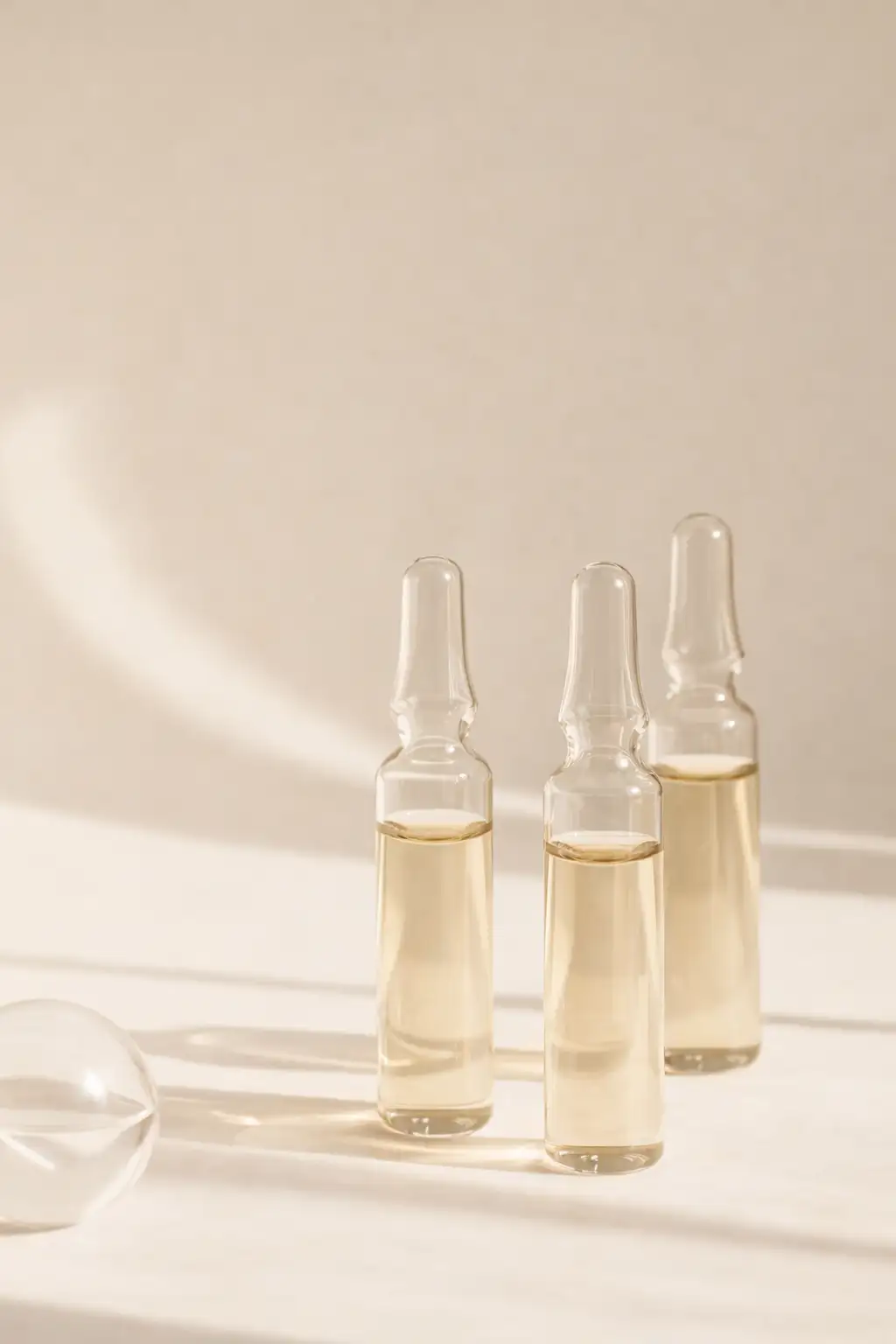
Juvederm Hydrate (1x1ml) is a non-crosslinked hyaluronic acid skin booster from the Juvéderm ULTRA family, formulated with 13.5 mg/mL hyaluronic acid and 0.9% mannitol, an antioxidant. It is a CE-marked injectable medical device designed to improve skin hydration, elasticity and luminosity in photo-damaged and ageing skin. Unlike traditional volumising fillers, Juvéderm Hydrate acts primarily as a hydrating agent: it is injected into the superficial dermis as multiple micro-deposits to attract and retain water, giving smoother, firmer and more radiant skin on the face, neck, décolletage and hands.
Bnefits
- Deep, long-lasting hydration of the superficial dermis to improve skin quality rather than volume
- Improves skin elasticity, texture and luminosity in areas prone to sun damage and early ageing (face, neck, décolletage, hands)
- Non-crosslinked hyaluronic acid (13.5 mg/mL) provides biocompatible hydration and subtle plumping
- Mannitol 0.9% acts as an antioxidant to help neutralise free radicals and slow degradation of hyaluronic acid, prolonging results
- Clinically shown to enhance skin smoothness, brightness and moisture levels, with high patient satisfaction in studies
- CE-marked medical device specifically developed as a skin-hydration treatment rather than a volumising filler
- Suitable as a stand-alone skin revitalisation procedure or as a complement to other anti-ageing treatments
Indications
- Improvement of skin hydration and elasticity in the face, neck, décolletage and hands
- Photo-damaged or dull skin showing early signs of ageing such as fine lines, loss of radiance and mild laxity
- Patients seeking skin revitalisation and glow without significant volumisation or contour change
- Adjunctive treatment alongside other dermal fillers, botulinum toxin or aesthetic procedures, as determined by a qualified practitioner
Composition
- Non-crosslinked hyaluronic acid 13.5 mg/mL (non-animal origin, produced by Streptococci bacterial fermentation)
- Mannitol 0.9% (antioxidant to reduce free radical–mediated degradation of HA)
- Physiological buffer and excipients (e.g. phosphate buffer solution, water for injection; exact excipient list per official IFU)
- Does NOT contain lidocaine
Packaging
- Single-use 1 x 1 mL prefilled syringe of Juvederm Hydrate in an individual box
- Each box typically contains: 1 prefilled syringe, 2 sterile 30G 1/6" needles, traceability labels and instructions for use (IFU)
- External carton printed with product name, batch number, expiry date, CE mark and manufacturer details
Usage
- For use only by appropriately trained and qualified healthcare professionals experienced in dermal filler and skin booster injection techniques.
- Assess the patient’s medical history, indications and contraindications before treatment; obtain informed consent.
- Cleanse and disinfect the treatment area according to local clinical protocols; topical anaesthetic may be applied if needed.
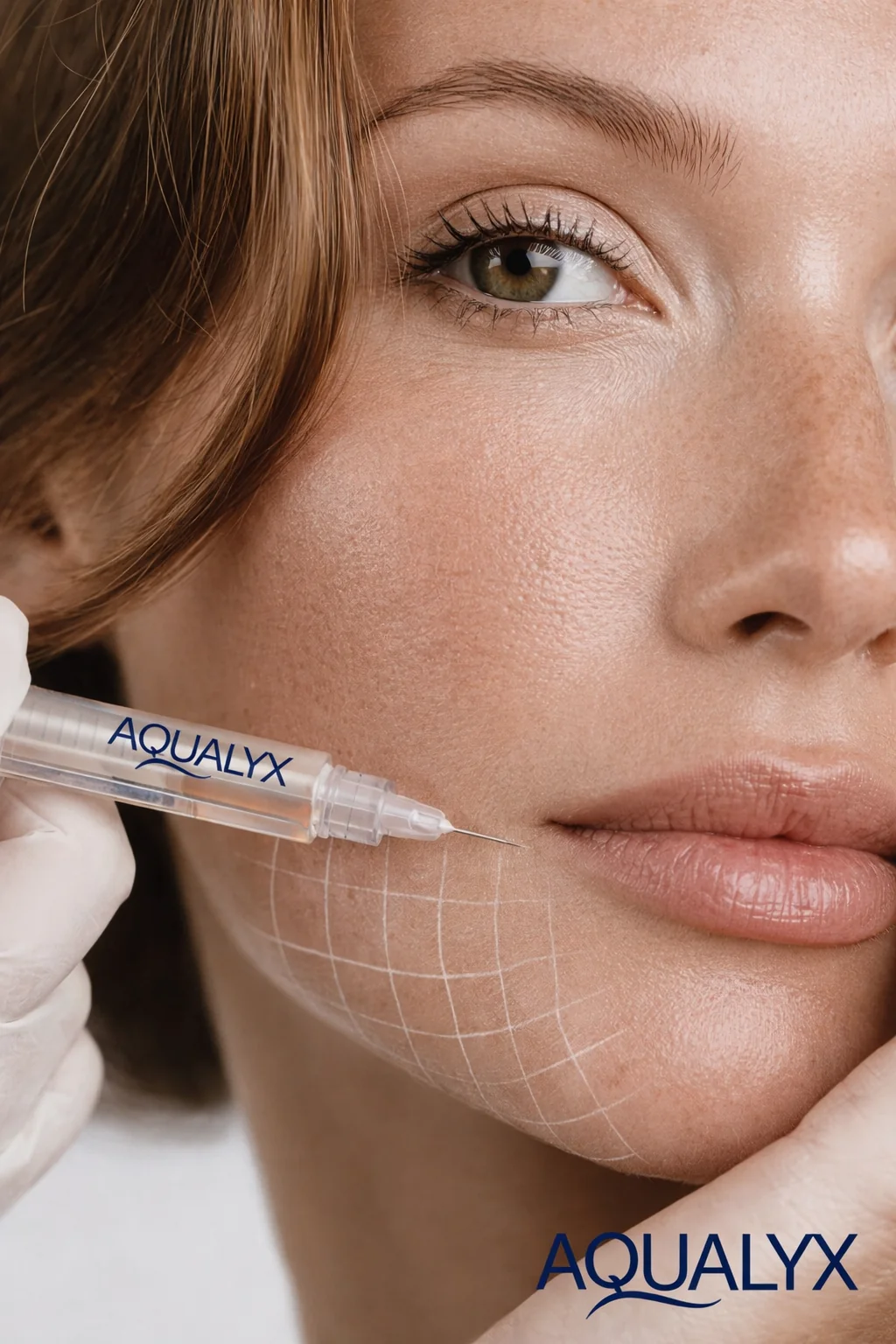
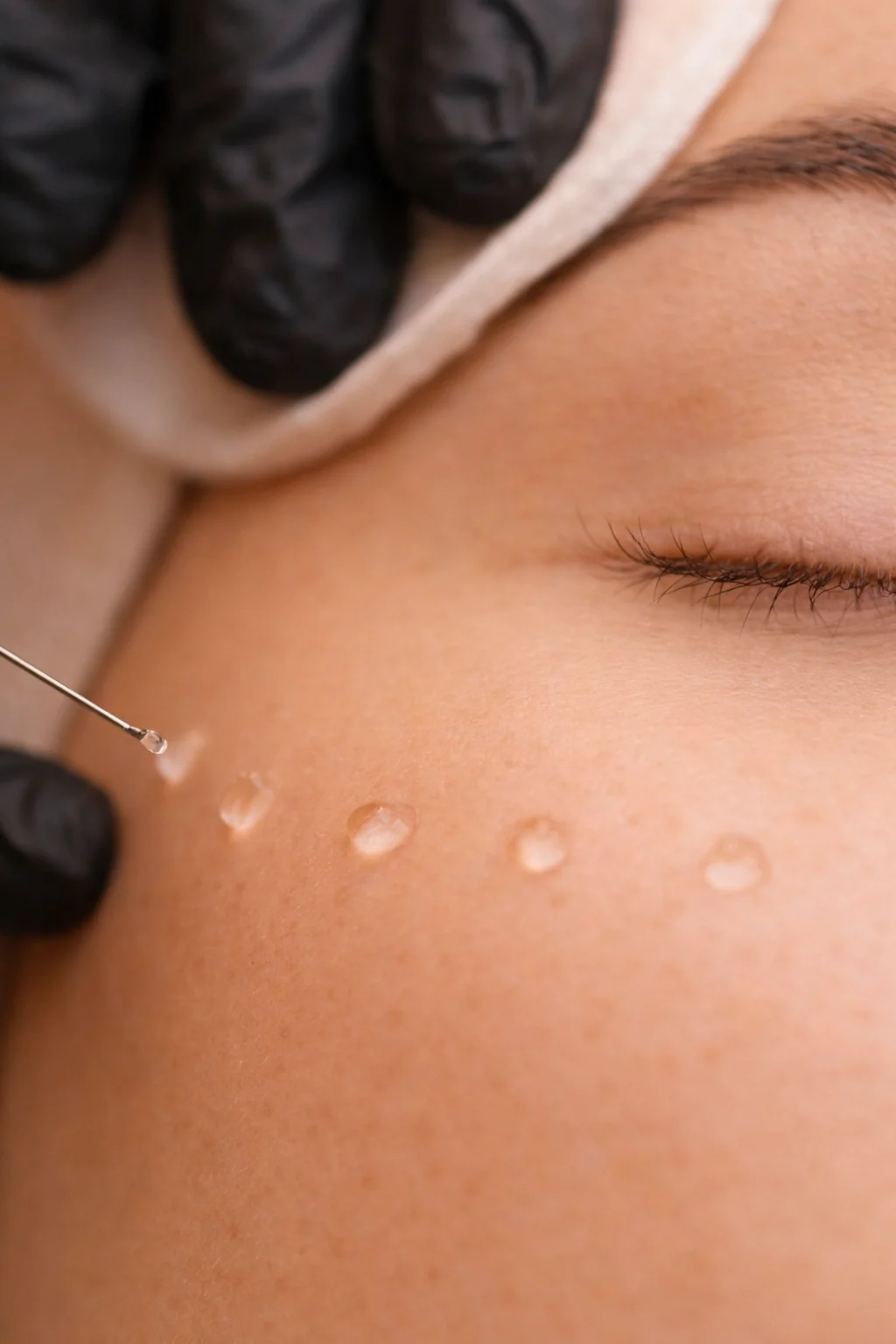
- Inject Juvéderm Hydrate into the superficial dermis using multiple micro-injections (mesotherapy / skin booster technique) over the selected treatment area (face, neck, décolletage, hands).
- Common clinical practice is to perform a course of 2–3 sessions spaced several weeks apart, followed by maintenance sessions every 6–12 months, tailored to the patient and clinic protocol.
- Do not overcorrect; distribute product evenly and massage gently if required to ensure uniform placement.
- After treatment, advise the patient to avoid makeup for several hours, intense heat (sauna, sunbeds), strenuous exercise and alcohol for 24 hours, and to use sunscreen regularly.
- Dispose of any unused product, the syringe and needles immediately in appropriate sharps and clinical waste containers. Do not resterilise or reuse.
Contraindications
- Known hypersensitivity to hyaluronic acid, mannitol or any of the excipients in the formulation
- Active skin infections, inflammatory skin diseases or lesions at the proposed injection sites
- History of severe allergy or anaphylactic reaction to injectable hyaluronic acid products
- Autoimmune disorders or immunosuppressive therapy, unless carefully evaluated and approved by a physician
- Pregnancy and breastfeeding (use is generally not recommended due to limited safety data)
- Known tendency to develop hypertrophic scars or keloids, or presence of untreated systemic disease that may impact wound healing
- Injection into blood vessels, compromised skin, or in combination with certain other cosmetic procedures at the same session without appropriate clinical judgement
Adverse Effects
- Transient injection-site reactions such as redness, swelling, pain, tenderness, itching or bruising
- Small papules or bumps at the injection points which usually resolve within a few days
- Occasional haematoma formation at injection sites
- Rare inflammatory reactions, nodules or hypersensitivity responses, as with other HA-based injectables
- Very rare but serious complications can occur if injected intravascularly (e.g. vascular occlusion); practitioners must be trained to recognise and manage such events
- As with any minimally invasive procedure, there is a small risk of infection if aseptic technique is not strictly observed
Storage Conditions
- Store in the original packaging at a controlled room temperature as specified on the box (typically between 2 °C and 25 °C).
- Protect from freezing and from excessive heat or direct sunlight.
- Do not use after the expiry date indicated on the packaging.
- Keep the syringe and needles in their blister until immediately prior to use to maintain sterility.
Duration
Results typically last several months; published information and clinic reports suggest an average duration of around 4\u20136 months, with some sources indicating up to 6\u20138 months depending on individual factors and protocol. A course of 2\u20133 initial sessions with maintenance once or twice a year is commonly used in clinical practice.
Onset
Hydration and improved skin radiance may be noticeable within days to a few weeks after treatment; full improvement in skin texture and elasticity is usually seen after completion of the initial course of sessions and continues for several months.