Cagrilintide 10mg
Derma Filler Ltd
PeptidesResearch peptide (long-acting amylin analogue)
Certifications
- Cagrilintide as a molecule is currently under clinical investigation (including phase 2 and phase 3 trials) but does not hold a general marketing authorisation as a medicinal product for routine clinical use.
- Research Grade cagrilintide 10 mg vials are typically supplied with certificates of analysis (COAs) confirming identity and purity for laboratory use; these are not equivalent to regulatory approvals for therapeutic application.
- Products of this type are commonly sold under "for research use only" terms, in line with research Chemical and laboratory Reagent regulations in the country of sale.
- Cagrilintide as a molecule is currently under clinical investigation (including phase 2 and phase 3 trials) but does not hold a general marketing authorisation as a medicinal product for routine clinical use.
- Research Grade cagrilintide 10 mg vials are typically supplied with certificates of analysis (COAs) confirming identity and purity for laboratory use; these are not equivalent to regulatory approvals for therapeutic application.
- Products of this type are commonly sold under "for research use only" terms, in line with research Chemical and laboratory Reagent regulations in the country of sale.
Research peptide (long-acting amylin analogue)
Description
Cagrilintide 10mg is a synthetic research peptide supplied as a lyophilised powder in a 10 mg vial. Cagrilintide is a long-acting analogue of amylin, a naturally occurring peptide hormone co-secreted with insulin from pancreatic β-cells. It acts as a dual agonist at amylin and calcitonin receptors and is under active investigation for its effects on appetite regulation, body-weight control, glucose homeostasis and cardiometabolic risk factors. Preclinical and clinical studies (including phase 2 and phase 3 trials sponsored by Novo Nordisk) have evaluated cagrilintide alone and in combination with the GLP-1 receptor agonist semaglutide (CagriSema) in obesity and type 2 diabetes, demonstrating significant dose-dependent weight loss and metabolic benefits. However, cagrilintide remains an investigational molecule with no established marketing authorisation, and products such as this 10 mg vial are sold strictly for laboratory research use (e.g. in-vitro or experimental model systems), not for human or veterinary administration.
Bnefits
- Long-acting amylin analogue with dual amylin and calcitonin receptor agonist activity, enabling research into novel pathways for appetite and body-weight regulation.
- Structurally defined synthetic peptide (CAS 1415456-99-3) with known molecular formula and mass, suitable for mechanistic and pharmacology studies.
- Investigational relevance in obesity and type 2 diabetes research, including in combination with semaglutide (CagriSema) for synergistic weight-loss effects observed in clinical trials.
- Supplied as a 10 mg lyophilised powder, allowing researchers to prepare working solutions at defined concentrations for in-vitro or preclinical experiments.
- High-purity research grade peptide, with typical suppliers providing certificates of analysis (COAs) confirming identity and purity for each lot.
- Enables exploration of amylin-pathway modulation in additional domains such as liver fat accumulation, alcohol-related liver disease, cardiovascular risk and neurodegenerative disease models, where early preclinical data or hypotheses exist.
- Provides a tool compound for studying combination therapy strategies (e.g. cagrilintide plus GLP-1 receptor agonists) in metabolic research.
Indications
- For in-vitro and preclinical laboratory research on amylin and calcitonin receptor pharmacology.
- Investigation of appetite regulation, energy balance, weight management and adiposity in experimental models.
- Studies of glucose homeostasis, insulin secretion dynamics and type 2 diabetes pathophysiology in appropriate research systems.
- Research into combination therapy paradigms (e.g. cagrilintide with semaglutide or other incretin-based agents) for metabolic disease.
- Exploratory work on potential roles of amylin analogues in liver disease, cardiovascular risk modification and neurodegenerative disease models, as justified by emerging literature.
- NOT indicated or licensed for human or veterinary treatment; sold only as a research chemical.
Composition
- Active research peptide: Cagrilintide.
- CAS Number: 1415456-99-3.
- Molecular Formula: C194H312N54O59S2.
- Molecular Weight: approximately 4409.01 g/mol.
- Peptide class: long-acting amylin analogue; dual amylin and calcitonin receptor agonist.
- Typical excipients (may vary by manufacturer and batch, not fully specified by the seller): lyophilisation aids such as mannitol or other stabilising agents used in the freeze-drying process.
- Supplied in research-grade purity (commonly ≥98–99% by HPLC as per third-party suppliers’ certificates of analysis).
Formulation
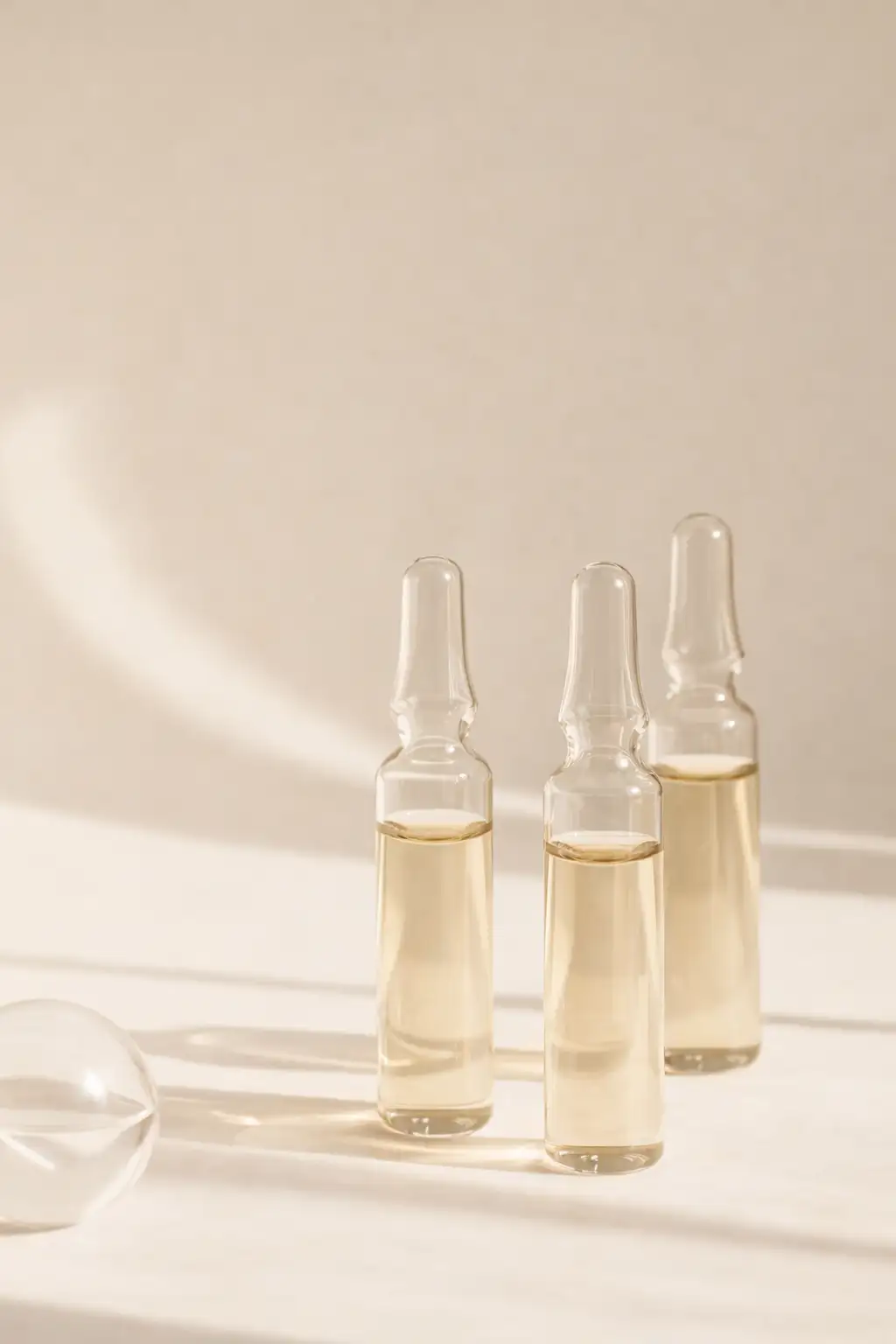
- Lyophilised (freeze-dried) peptide powder in a glass vial, nominal content 10 mg cagrilintide.
- Intended to be reconstituted with sterile water or suitable research-grade buffer immediately before use in laboratory experiments (per local lab SOPs; not for injection into humans or animals).
- Non-sterile from a pharmaceutical standpoint for clinical use; sold as a research-only reagent.
Packaging
- Primary container: clear glass vial with rubber stopper and crimp or screw cap, containing 10 mg lyophilised cagrilintide peptide.
- Secondary packaging: individual carton or protective container, as supplied by Derma Filler Ltd, labelled with product name and quantity.
- Typically shipped with appropriate insulation and cold-chain provisions (e.g. ice packs) depending on supplier practices, to preserve peptide stability during transit.
Usage
- FOR LABORATORY RESEARCH USE ONLY. NOT FOR HUMAN OR VETERINARY USE, NOT FOR INJECTION, INGESTION OR ANY FORM OF THERAPEUTIC APPLICATION.
- Handle exclusively in a controlled research setting by appropriately trained personnel, following institutional laboratory safety procedures.
- Allow the vial to reach room temperature before opening to minimise condensation.
- Reconstitute the lyophilised powder with a suitable research-grade solvent or buffer (for example sterile water for injection or buffered saline) according to your experimental design and internal SOPs; mix gently to avoid foaming and peptide denaturation.
- Record the final concentration, solvent, and date/time of reconstitution in laboratory documentation.
- Use aseptic technique when reconstituting and withdrawing aliquots if sterility is required for the experimental system.
- Store any remaining reconstituted solution as recommended for peptides (commonly at 2–8 °C for short-term use and protected from light), and avoid repeated freeze–thaw cycles by preparing working aliquots as needed.
- Dispose of all unused material, solutions and contaminated consumables as chemical/biological waste in accordance with local regulations and institutional policies.
- Do not extrapolate any laboratory findings directly to human dosing or therapy; the compound is investigational and lacks established clinical safety and efficacy profiles for routine use.
Contraindications
- Not to be used in humans or animals under any circumstances outside of properly approved experimental protocols; not an approved drug, cosmetic or dietary supplement.
- Do not handle without appropriate personal protective equipment (PPE) such as gloves, lab coat and eye protection, especially in powder form where inadvertent inhalation or skin contact is possible.
- Avoid use in open laboratory environments without adequate ventilation or containment if aerosolisation of fine powder is possible.
- Individuals with known allergies or sensitivities to peptides or laboratory chemicals should minimise exposure and follow institutional occupational-health guidance.
Adverse Effects
- No clinical adverse-effect profile is established for this research product, as it is not licensed for human or veterinary use.
- Potential laboratory hazards are those common to handling bioactive peptides and fine powders, including risk of eye, skin or respiratory irritation upon accidental exposure.
- In case of accidental contact with skin or eyes, rinse thoroughly with water and seek medical advice according to institutional incident-response procedures.
- In case of accidental ingestion or injection, treat as an exposure to an investigational bioactive compound; seek urgent medical evaluation and provide product information to healthcare professionals.
Storage Conditions
- Store lyophilised vials in a freezer at or below −20 °C, protected from light and moisture, in accordance with standard peptide-storage practice and institutional SOPs.
- Keep vials tightly closed when not in use to avoid atmospheric moisture ingress and degradation.
- After reconstitution, store solutions at 2–8 °C for short-term use, protected from light, and follow internal stability and discard policies (typically limited to a few days for aqueous peptide solutions).
- Avoid repeated freeze–thaw cycles; prepare aliquots if multiple uses are anticipated.
- Store in a locked or controlled-access laboratory area, away from unauthorised users, children and non-laboratory personnel.
Duration
Onset
| Price | Link |
|---|---|
| £115.00 | https://dermafillerltd.uk/product/cagrilintide-10mg/ |
| Price | Link |
|---|---|
| £128.00 | https://dermafillerltd.uk/product/cagrilintide-10mg-2/ |