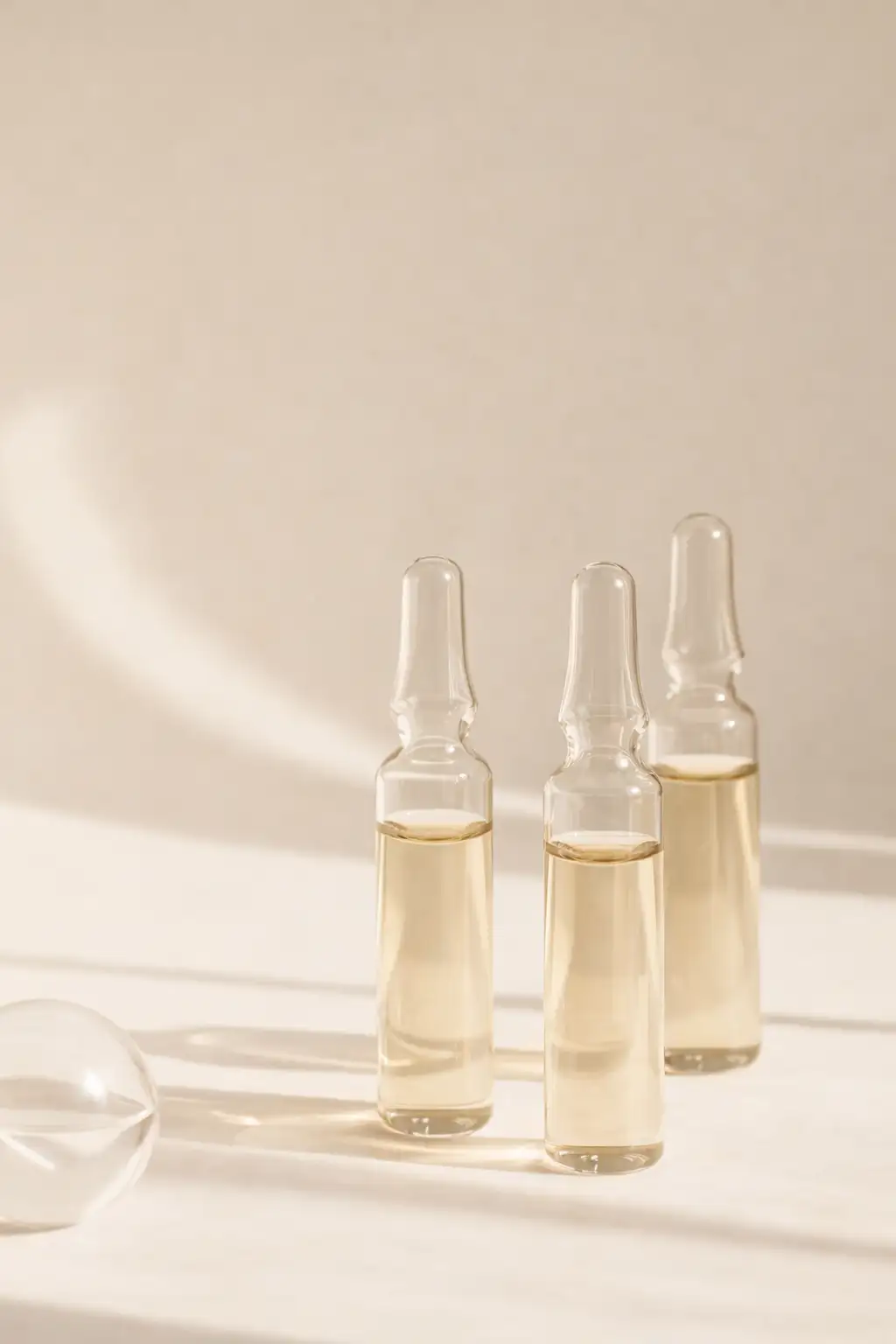
Gentamicin Injection 80mg/2ml x5
Genticin
Pharmaceutical – Injectable AntibioticIntravenous / intramuscular aminoglycoside solution for injection
Certifications
- Licensed in the UK as a prescription Only medicinal product (POM) under a Marketing Authorisation for gentamicin injection 80mg/2ml.
- Manufactured in accordance with Good Manufacturing Practice (GMP) for sterile parenteral pharmaceuticals.
- Complies with relevant pharmacopoeial standards for gentamicin injection (e.g. BP/Ph. Eur.).
- Licensed in the UK as a prescription Only medicinal product (POM) under a Marketing Authorisation for gentamicin injection 80mg/2ml.
- Manufactured in accordance with Good Manufacturing Practice (GMP) for sterile parenteral pharmaceuticals.
- Complies with relevant pharmacopoeial standards for gentamicin injection (e.g. BP/Ph. Eur.).
Intravenous / intramuscular aminoglycoside solution for injection
Description
Gentamicin Injection 80mg/2ml is a sterile, preservative-free solution of gentamicin sulphate equivalent to 80mg gentamicin base in 2ml (40mg/ml). It is an aminoglycoside antibiotic with broad-spectrum bactericidal activity against many Gram-negative and some Gram-positive bacteria. The injection is used in adults, children and neonates for the short-term treatment of severe systemic infections such as bacteraemia, septicemia, complicated urinary tract infections, respiratory infections, intra-abdominal infections, skin and soft-tissue infections, bone and joint infections and meningitis caused by susceptible organisms. It is administered by intramuscular injection or intravenous injection/infusion in hospital or clinical settings under specialist supervision. The product supplied by WMS is a prescription-only medicine (POM) presented in packs of five 2ml ampoules.
Bnefits
- Broad-spectrum bactericidal aminoglycoside antibiotic active against many clinically important Gram-negative bacteria (e.g. Pseudomonas, Proteus, Escherichia coli, Klebsiella, Enterobacter, Serratia) and some Gram-positive organisms including Staphylococcus aureus.
- Suitable for the treatment of serious and life-threatening systemic infections when less toxic antibiotics may be ineffective or inappropriate.
- Standardised 80mg/2ml (40mg/ml) strength widely used in hospital protocols, allowing weight-based dosing in adults, children and neonates.
- Can be administered via intramuscular injection or diluted for slow intravenous injection/infusion, offering flexibility according to clinical status.
- Often used in combination with other antibiotics (e.g. beta-lactams) to broaden antimicrobial cover and provide synergistic bactericidal effects.
- Short-course therapy with therapeutic drug monitoring helps maximise efficacy whilst minimising toxicity.
Indications
- Severe systemic infections due to gentamicin-susceptible organisms in adults, children and neonates.
- Bacteraemia and septicemia caused by susceptible bacteria.
- Complicated and recurrent urinary tract infections, including pyelonephritis.
- Serious lower respiratory tract infections such as hospital-acquired pneumonia and other severe chest infections.
- Intra-abdominal infections, including peritonitis and post-operative intra-abdominal sepsis.
- Skin and soft-tissue infections, including serious wound and burn infections.
- Bone and joint infections such as osteomyelitis and septic arthritis.
- Central nervous system infections, including meningitis, when caused by susceptible organisms and used in combination with other antibiotics.
- Severe neonatal infections, including neonatal sepsis, according to local neonatal guidelines and dosing protocols.
Composition
- Gentamicin sulphate equivalent to 80mg gentamicin base per 2ml ampoule (40mg/ml).
- Water for injections.
- Small quantities of pH-adjusting agents (e.g. sulphuric acid and/or sodium hydroxide) may be present to maintain pH within the specified range.
- Preservative-free, sterile solution.
Formulation
- Sterile, clear, colourless aqueous solution for injection or infusion.
- Concentration: 40mg gentamicin per ml (80mg in 2ml).
- Form: small volume parenteral solution for intramuscular injection or intravenous injection/infusion.
- pH typically in the acidic range (approximately 3.0–5.5) as specified in the relevant SmPC.
- Single-use ampoules with no antimicrobial preservative.
Packaging
- Pack of 5 single-dose glass ampoules, each containing 2ml solution (80mg gentamicin).
- Type I clear glass ampoules, colourless solution visible for inspection prior to use.
- Outer carton printed with product name, strength, route of administration, batch number, expiry date, storage instructions and prescription-only status.
- Package insert / Patient Information Leaflet and Summary of Product Characteristics (SmPC) details provided by the licence holder.
- Intended for hospital, clinic and prescriber use only; not supplied for self-administration.
Usage
- For intramuscular or intravenous use only; to be administered by, or under the direct supervision of, suitably qualified healthcare professionals.
- Dose and dosing interval must be individualised according to the type and severity of infection, the susceptibility of the pathogen, patient weight, age and renal function (including creatinine clearance).
- In adults with normal renal function, total daily doses are commonly in the range of 3–6mg/kg/day, given as once-daily dosing or in two or three divided doses, according to local guidelines and infection severity.
- In children and neonates, specialised paediatric dosing protocols must be followed, with weight-based dosing and strict therapeutic drug monitoring.
- For intramuscular administration, inject deep into a large muscle mass using aseptic technique.
- For intravenous administration, gentamicin may be given as a slow IV injection or diluted in a compatible infusion fluid and administered over an appropriate period (often 30 minutes or longer), following local hospital protocols.
- Serum gentamicin concentrations (peak and trough levels) and renal function (serum creatinine, urea, urine output) should be monitored regularly to optimise dosing and minimise toxicity.
- Treatment duration should be as short as possible, typically 7–10 days; in some situations shorter or longer courses may be justified based on clinical response and microbiology results.
- Do not mix gentamicin with other drugs in the same syringe or infusion bag unless compatibility has been assured.
- Discard any unused solution immediately after opening an ampoule; ampoules are for single use only.
Contraindications
- Known hypersensitivity or previous severe reaction to gentamicin or other aminoglycoside antibiotics.
- Pre-existing significant auditory or vestibular damage from aminoglycosides or other ototoxic drugs, except in life-threatening infections where no suitable alternatives exist.
- Severe renal impairment where effective monitoring and dose adjustment cannot be ensured.
- Concomitant use with other potent nephrotoxic or ototoxic drugs (e.g. high-dose loop diuretics, cisplatin) unless the benefit clearly outweighs the increased risk and close monitoring is possible.
- Patients with myasthenia gravis or other significant neuromuscular disorders due to the risk of neuromuscular blockade.
- Use in pregnancy only if clearly necessary; aminoglycosides can cross the placenta and there is a potential risk of foetal ototoxicity – generally avoided unless no safer alternatives are suitable.
- Use during breastfeeding should be carefully considered; although systemic absorption in the infant is low, the risk–benefit balance must be assessed by the prescriber.
Adverse Effects
- Nephrotoxicity (dose- and duration-related) manifesting as rising serum creatinine, reduced creatinine clearance or oliguria; usually reversible on early detection and dose adjustment or discontinuation.
- Ototoxicity affecting auditory and/or vestibular function, presenting as tinnitus, hearing loss, dizziness or balance disturbances; may be irreversible, particularly with prolonged therapy or high serum levels.
- Neuromuscular blockade and respiratory depression, especially in patients with underlying neuromuscular disorders or when combined with other neuromuscular blocking agents.
- Local injection-site reactions such as pain, inflammation or irritation.
- Allergic or hypersensitivity reactions including rash, pruritus, urticaria and, rarely, anaphylactic reactions.
- Electrolyte disturbances and changes in laboratory parameters (e.g. raised serum creatinine, altered blood urea nitrogen).
- Superinfection or overgrowth of non-susceptible organisms, including fungi, with prolonged or inappropriate use.
Storage Conditions
- Store below 25°C in a dry place.
- Keep ampoules in the outer carton to protect from light until time of use.
- Do not freeze.
- Use immediately after opening the ampoule; discard any unused portion.
- Do not use if the solution is discoloured, cloudy or contains particulate matter, or if the ampoule is damaged.
- Keep out of the sight and reach of children.
Duration
Usually 7\u201310 days of systemic therapy, adjusted according to clinical response, infection site, pathogen susceptibility, and renal function. In some indications, shorter or longer treatment courses may be required as determined by an infection specialist.
Onset
Bactericidal activity begins shortly after parenteral administration; clinical improvement is often observed within 24\u201372 hours in responsive infections, provided adequate serum concentrations are achieved and the causative organisms are susceptible.