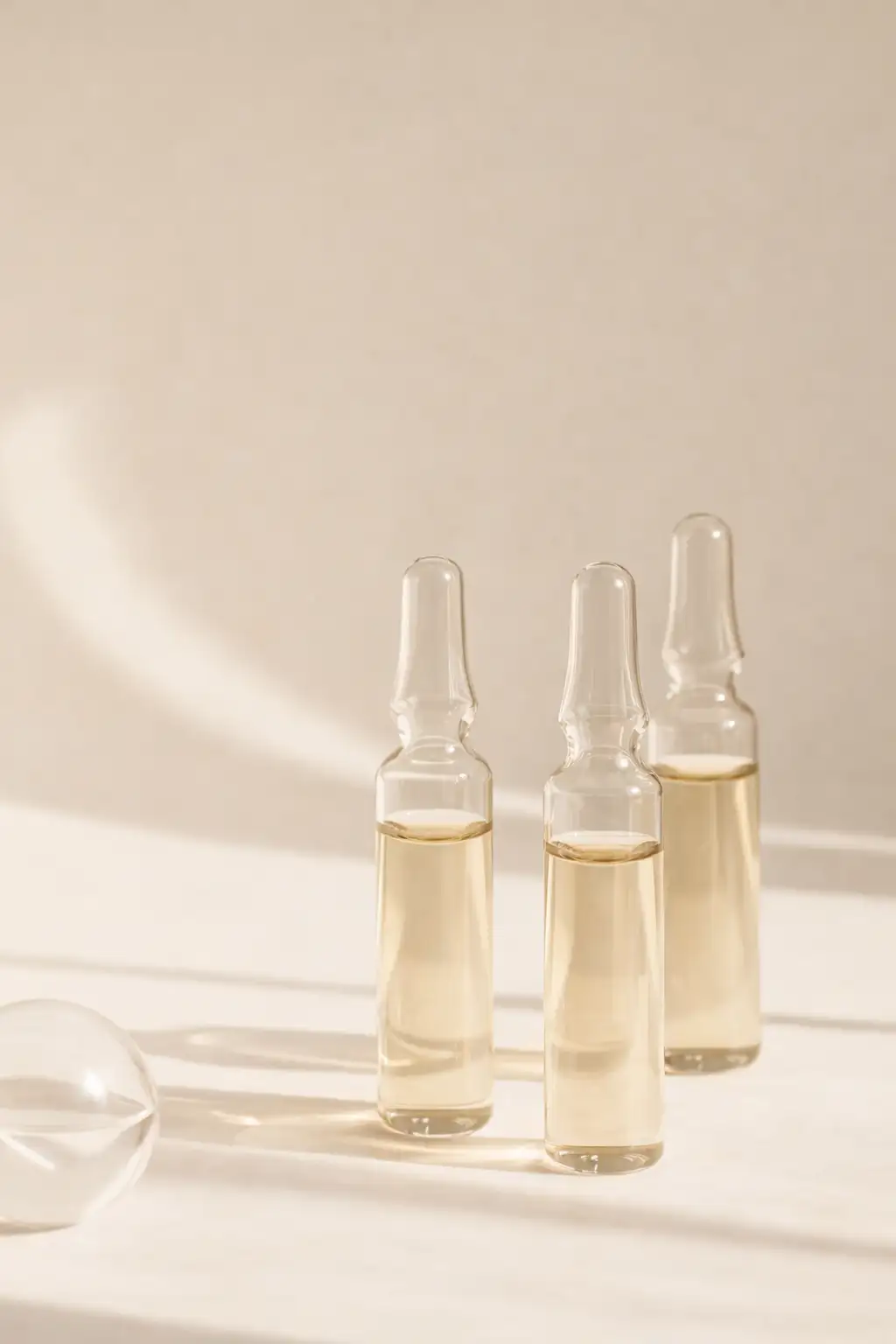
Gentamicin Solution for Injection 20 mg/2 ml (×5 ampoules)
Genticin
Pharmaceutical – Injectable AntibioticIntravenous / Intramuscular gentamicin injection
Certifications
- Licensed prescription Only antibiotic in UK under appropriate Marketing Authorisation (e.g. PA number for pediatric 20 mg/2 ml solution) subject to regulatory controls.
- Manufactured as sterile injectable solution under Good Manufacturing Practice (GMP) standards.
- Licensed prescription Only antibiotic in UK under appropriate Marketing Authorisation (e.g. PA number for pediatric 20 mg/2 ml solution) subject to regulatory controls.
- Manufactured as sterile injectable solution under Good Manufacturing Practice (GMP) standards.
Intravenous / Intramuscular gentamicin injection
Description
Gentamicin Solution for Injection 20 mg/2 ml is a sterile, clear, colourless solution of gentamicin sulphate (equivalent to 20 mg gentamicin base per 2 ml ampoule). It belongs to the aminoglycoside class of antibiotics and is used to treat serious bacterial infections in various parts of the body when less toxic alternatives are not effective or appropriate. The product is supplied in packs of 5 ampoules and must be administered by injection (intravenous or intramuscular) under clinical supervision.
Bnefits
- Broad-spectrum bactericidal activity against many Gram-negative and some Gram-positive bacteria including E. coli, Klebsiella, Pseudomonas, Proteus, Enterobacter, Staphylococcus aureus.
- Effective in treating serious and systemic infections (e.g. urinary tract, chest / lung, abdominal, septicemia, meningitis, bone/joint infections) when other antibiotics may fail.
- Standardised sterile injectable preparation suitable for controlled hospital or clinic use.
- Short-term treatment reduces risk of resistance compared with prolonged therapy; often used in combination with other antibiotics for synergy.
Indications
- Severe bacterial infections including sepsis, bacteremia, septicaemia.
- Complicated urinary tract infections including pyelonephritis.
- Serious respiratory infections such as hospital-acquired pneumonia, ventilator-associated pneumonia, lung infections in cystic fibrosis patients.
- Intra-abdominal infections, complicated intra-abdominal infections.
- Bone and joint infections (osteomyelitis, septic arthritis), soft tissue infections and burn wound infections by susceptible organisms.
- Meningitis and central nervous system infections due to susceptible bacteria (often in combination with other antibiotics).
- Neonatal and paediatric severe infections, including neonatal sepsis when indicated and under appropriate dosing and monitoring.
Composition
- Gentamicin sulphate equivalent to 20 mg gentamicin base per 2 ml ampoule.
- Water for injection (aqueous sterile solution), pH adjusted (typical pH range 3.0–5.5).
Formulation
- Sterile, preservative-free solution for injection or infusion
- Clear, colourless aqueous solution in 2 ml single-dose ampoules
- Concentration: 10 mg/ml (20 mg per 2 ml ampoule) per licensed specification
Packaging
- Pack of 5 ampoules of 2 ml each (20 mg gentamicin per ampoule) – total 5 doses per pack.
- Glass ampoules (Type I) sealed for single use; no preservatives added (preservative-free) to allow safe parenteral administration.
- Each ampoule labelled with batch number, expiry date, concentration, storage instructions, and prescription-only status. (per standard packaging norms)
Usage
- To be administered only by or under immediate supervision of a qualified healthcare professional.
- Given by slow intravenous infusion (diluted per local protocol) or intramuscular injection depending on clinical situation and dosage regimen.
- Dosing depends on severity of infection, patient’s renal function, age and weight. In adults with normal renal function, typical dosing is 3–6 mg/kg/day, in one or two divided doses.
- Serum gentamicin levels and renal function should be monitored regularly during therapy to minimise risk of nephrotoxicity and ototoxicity.
- Use aseptic technique. Do not mix with other medications unless compatibility is confirmed. Administer diluted if infusing; infusion duration usually 30 minutes or per local protocol.
Contraindications
- Known hypersensitivity to gentamicin or any aminoglycoside antibiotic.
- Pre-existing renal impairment (dose adjustment required) – use with caution; risk of nephrotoxicity increased.
- Pregnancy and breastfeeding – gentamicin may cross placenta or be excreted in breastmilk; use only if benefit outweighs risk.
- Patients with neuromuscular disorders (e.g. myasthenia gravis) – risk of neuromuscular blockade.
- Known ototoxicity or hearing / vestibular disorders – risk of irreversible hearing loss or balance issues.
- Concurrent or recent use of other nephrotoxic or ototoxic drugs (e.g. loop diuretics, cisplatin) may increase risk.
Adverse Effects
- Nephrotoxicity – kidney damage, reduced urine output, elevated creatinine, acute kidney injury especially in elderly or dehydrated patients.
- Ototoxicity – hearing loss, tinnitus, balance problems, which may be permanent.
- Neuromuscular blockade – muscle weakness, respiratory depression in susceptible individuals (especially those with myasthenia gravis).
- Allergic reactions – rash, pruritus, anaphylaxis in sensitive individuals.
- Local reactions – pain at injection site, inflammation or irritation at infusion/injection site.
- Systemic effects – possible vestibular disturbance, dizziness, headaches; in rare cases, severe toxicity if dosing and monitoring not adequate.
Storage Conditions
- Store below 25 °C; do not freeze.
- Keep ampoules in original packaging to protect from light and contamination until use.
- Use immediately after opening ampoule; discard any unused portion (single-dose ampoule).
- Protect from breakage; handle glass ampoules carefully to avoid injury or contamination. Standard sterile-handling precautions apply.
Duration
Typically 7\u201310 days depending on infection type, severity and response; may be shorter or longer as guided by culture results, renal function, and clinical response.
Onset
Bactericidal action begins soon after administration; clinical improvement may be observed within 24\u201348 hours depending on infection and organism susceptibility.