Hyalase 1500 I.U. Hyaluronidase 1 ml Ampoules
Hyalase
Injectable enzyme (prescription-only medicine)Hyaluronidase 1500 I.U. powder for solution for injection/infusion
Certifications
- Hyalase 1500 I.U. Powder for Solution for Injection/Infusion is a UK Licensed prescription Only medicine containing hyaluronidase as the active ingredient, with a Marketing Authorisation held by Wockhardt UK Ltd (PL 29831/0113).
- The product is manufactured and controlled according to EU/UK Good Manufacturing Practice (GMP) for sterile injectable medicines.
- Use is restricted to appropriately qualified prescribers and healthcare professionals, in compliance with MHRA regulations and national prescribing guidance.
- Any aesthetic use for dermal filler reversal is off Label and must follow professional standards, clinical guidelines and local regulatory requirements.
- Hyalase 1500 I.U. Powder for Solution for Injection/Infusion is a UK Licensed prescription Only medicine containing hyaluronidase as the active ingredient, with a Marketing Authorisation held by Wockhardt UK Ltd (PL 29831/0113).
- The product is manufactured and controlled according to EU/UK Good Manufacturing Practice (GMP) for sterile injectable medicines.
- Use is restricted to appropriately qualified prescribers and healthcare professionals, in compliance with MHRA regulations and national prescribing guidance.
- Any aesthetic use for dermal filler reversal is off Label and must follow professional standards, clinical guidelines and local regulatory requirements.
Hyaluronidase 1500 I.U. powder for solution for injection/infusion
Description
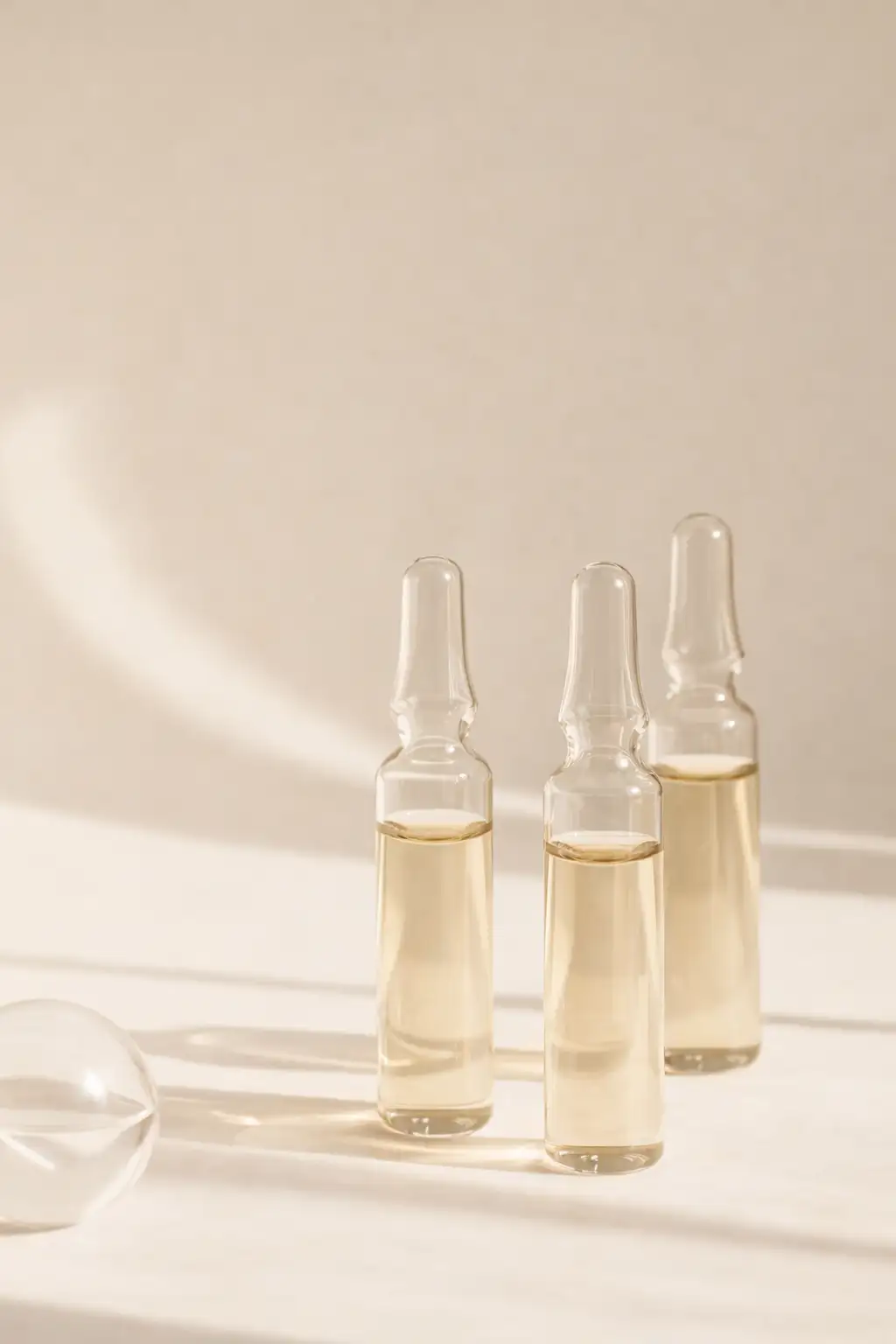
Hyalase 1500 I.U. (Hyaluronidase 1500 I.U.) is a prescription-only enzyme preparation supplied as a sterile, freeze-dried powder in 1 ml neutral glass ampoules, each containing 1,500 international units of hyaluronidase. It is reconstituted immediately before use to form a solution for injection or infusion. Hyalase temporarily depolymerises hyaluronic acid in the extracellular matrix, increasing tissue permeability and thereby enhancing the permeation of subcutaneous or intramuscular injections, local anaesthetics and subcutaneous infusions, as well as promoting the resorption of excess fluids and blood in the tissues. It is used in hospital and clinic settings under the supervision of trained healthcare professionals and is also widely used in aesthetic practice (off-label) by qualified prescribers for the management of hyaluronic acid dermal fillers.
Bnefits
- Temporarily breaks down hyaluronic acid in connective tissue, increasing tissue permeability at the injection site.
- Enhances the dispersion and absorption of subcutaneous and intramuscular injections.
- Improves the spread and effect of some local anaesthetics when mixed according to clinical guidance.
- Facilitates subcutaneous infusions (hypodermoclysis) by aiding the distribution of infused fluids.
- Promotes resorption of excess tissue fluids and blood in certain clinical situations (e.g. some haematomas and extravasation events where dispersal is indicated).
- Provides clinicians with an enzyme-based method to alter the distribution of hyaluronic acid in tissues; in aesthetic practice this is used off-label to manage certain hyaluronic acid filler complications.
- Supplied as a standardised, purified, freeze-dried powder with defined potency (1500 I.U. per ampoule).
Indications
- To enhance permeation of subcutaneous or intramuscular injections, enabling injected solutions to spread and be absorbed more easily.
- To improve the dispersion and absorption of subcutaneous infusions (hypodermoclysis) when appropriately indicated.
- To increase the spread of compatible local anaesthetic solutions (e.g. in some ophthalmic or regional procedures) according to the product’s prescribing information.
- To promote resorption of excess fluids and blood in tissues, such as certain haematomas or extravasations, in situations where dispersal rather than localisation is clinically desirable.
- Off-label: used in aesthetic medicine by trained prescribers to break down hyaluronic acid dermal fillers in cases of overcorrection, misplaced product, nodules or some complications, following recognised protocols and within the bounds of local regulation.
Composition
- Active ingredient: Hyaluronidase 1500 International Units (I.U.) per ampoule.
- Excipients: none listed in the SmPC (freeze-dried plug of purified hyaluronidase in 1 ml neutral glass ampoule).
Formulation
- Pharmaceutical form: powder for solution for injection/infusion.
- A white, sterile, freeze-dried powder presented as a plug in a 1 ml neutral glass ampoule.
- Each ampoule contains 1,500 I.U. of hyaluronidase; reconstituted immediately before use with approximately 1 ml of water for injections or directly with the solution with which hyaluronidase is to be combined.
- Intended for parenteral administration (e.g. subcutaneous, intramuscular or as an additive to infusion fluids or local anaesthetics) by healthcare professionals according to the SmPC.
Packaging
- Neutral 1 ml glass ampoules containing a plug of white freeze-dried hyaluronidase powder (1500 I.U. per ampoule).
- Pack size: typically 10 x 1 ml ampoules in an outer carton (registered pack size for Hyalase).
- Carton and ampoules labelled with product name, strength, batch number and expiry date, and supplied with a package leaflet / patient information leaflet.
- Distributed in pharmacy and hospital channels as a prescription-only medicine; stocked by DD Group and other professional suppliers for use in clinical environments.
Usage
- Hyalase should only be administered by trained healthcare professionals in appropriate clinical settings (hospital, clinic or suitably equipped practice).
- Immediately before use, dissolve the freeze-dried powder in approximately 1 ml of water for injections or directly in the solution with which hyaluronidase is to be combined, as specified in the SmPC.
- For subcutaneous infusion (hypodermoclysis): 1500 I.U. of hyaluronidase dissolved in 1 ml of water for injections or normal saline is injected into the infusion site before the infusion is set up, or into the tubing about 2 cm back from the needle at the start of the infusion. 1500 I.U. is sufficient for 500–1000 ml of most fluids; infusion rate and total volume must be carefully controlled, especially in children and the elderly.
- For subcutaneous or intramuscular injections: 1500 I.U. of hyaluronidase is dissolved directly in the solution to be injected, according to clinical judgement and product guidance.
- For local anaesthetics: 1500 I.U. of hyaluronidase is mixed with the volume of local anaesthetic to be used; in ophthalmology a typical recommendation is around 15 I.U. per ml of anaesthetic solution.
- For extravasation where dispersal is indicated: 1500 I.U. in 1 ml of water for injections or normal saline is infiltrated into the affected area as soon as possible after the extravasation is recognised.
- For haematoma: 1500 I.U. in 1 ml of water for injections or normal saline is infiltrated into the affected area, as per clinical judgement.
- The solution should be used immediately after preparation; any unused contents must be discarded.
- Hyalase must not be used by the intravenous route and must not be injected directly into the cornea.
- When used off-label in aesthetics (e.g. hyaluronic acid filler management), dilution, dose and injection technique should follow evidence-based protocols and professional guidelines; emergency equipment and drugs for managing allergic/anaphylactic reactions must be immediately available.
Contraindications
- Known hypersensitivity to hyaluronidase.
- Use for intravenous injection (Hyalase must not be given intravenously).
- Use to reduce swelling of bites or stings.
- Use at sites where infection or malignancy is present, due to risk of facilitating spread.
- Use to enhance the absorption and dispersion of dopamine and/or alpha-agonist drugs, which is specifically contraindicated.
- Use in anaesthetic procedures in cases of unexplained premature labour.
- Caution is required in pregnancy and lactation; avoid use in pregnancy unless there is no safer alternative, and only use in nursing mothers if the potential benefit justifies any potential risk.
Adverse Effects
- Local injection-site reactions such as irritation, pain, infection, bleeding or bruising (reported rarely).
- Oedema in association with hypodermoclysis (subcutaneous infusion) has been reported.
- Allergic reactions including periorbital oedema when used with local anaesthetics in ophthalmic procedures.
- Severe allergic reactions, including rare cases of anaphylaxis, which require immediate medical treatment.
- In aesthetic off-label use, excessive enzyme dosing may lead to unwanted loss of filler volume or alteration in soft tissue contours due to breakdown of both filler and some native hyaluronic acid.
Storage Conditions
- Do not store above 25°C.
- Keep ampoules in the outer carton to protect them from light until time of use.
- Shelf life of unopened ampoules is typically 3 years; always refer to the expiry date printed on the pack.
- Once an ampoule is opened and the powder reconstituted, the solution should be used immediately and any unused contents discarded.
- Store out of the sight and reach of children.
- Do not use if the ampoule or its contents appear damaged or discoloured, or if the expiry date has passed.
Duration
The pharmacological effect is temporary and local; hyaluronidase rapidly increases tissue permeability and promotes dispersion and absorption over minutes to hours, after which the enzyme is inactivated or cleared. Clinical outcomes such as improved dispersion of injected solutions, reduction in localised fluid collections or dissolution of hyaluronic acid fillers depend on dose, site of administration and the co-administered substances, and are generally observed within the same treatment session rather than over prolonged periods.
Onset
Onset of action is typically rapid: increased spread and absorption of injected fluids and local anaesthetic solutions, or softening of hyaluronic acid deposits, is often evident within minutes to the first few hours following administration, depending on the indication, dose and tissue characteristics.