Restylane with Lidocaine Dermal Filler (1 x 1 ml)
Restylane
Injectable Medical DeviceHyaluronic Acid Dermal Filler \u2013 Multi-purpose Facial Filler
Certifications
- CE Marked Class III hyaluronic acid dermal filler for facial aesthetic indications in applicable European and international markets.
- Manufactured using non Animal stabilized hyaluronic acid (NASHA Based technology) and BDDE crosslinking in conformity with relevant quality and safety standards for sterile injectable medical devices.
- Subject to ongoing post Market surveillance and adverse event reporting requirements in territories where it is marketed.
- CE Marked Class III hyaluronic acid dermal filler for facial aesthetic indications in applicable European and international markets.
- Manufactured using non Animal stabilized hyaluronic acid (NASHA Based technology) and BDDE crosslinking in conformity with relevant quality and safety standards for sterile injectable medical devices.
- Subject to ongoing post Market surveillance and adverse event reporting requirements in territories where it is marketed.
Hyaluronic Acid Dermal Filler \u2013 Multi-purpose Facial Filler
Description
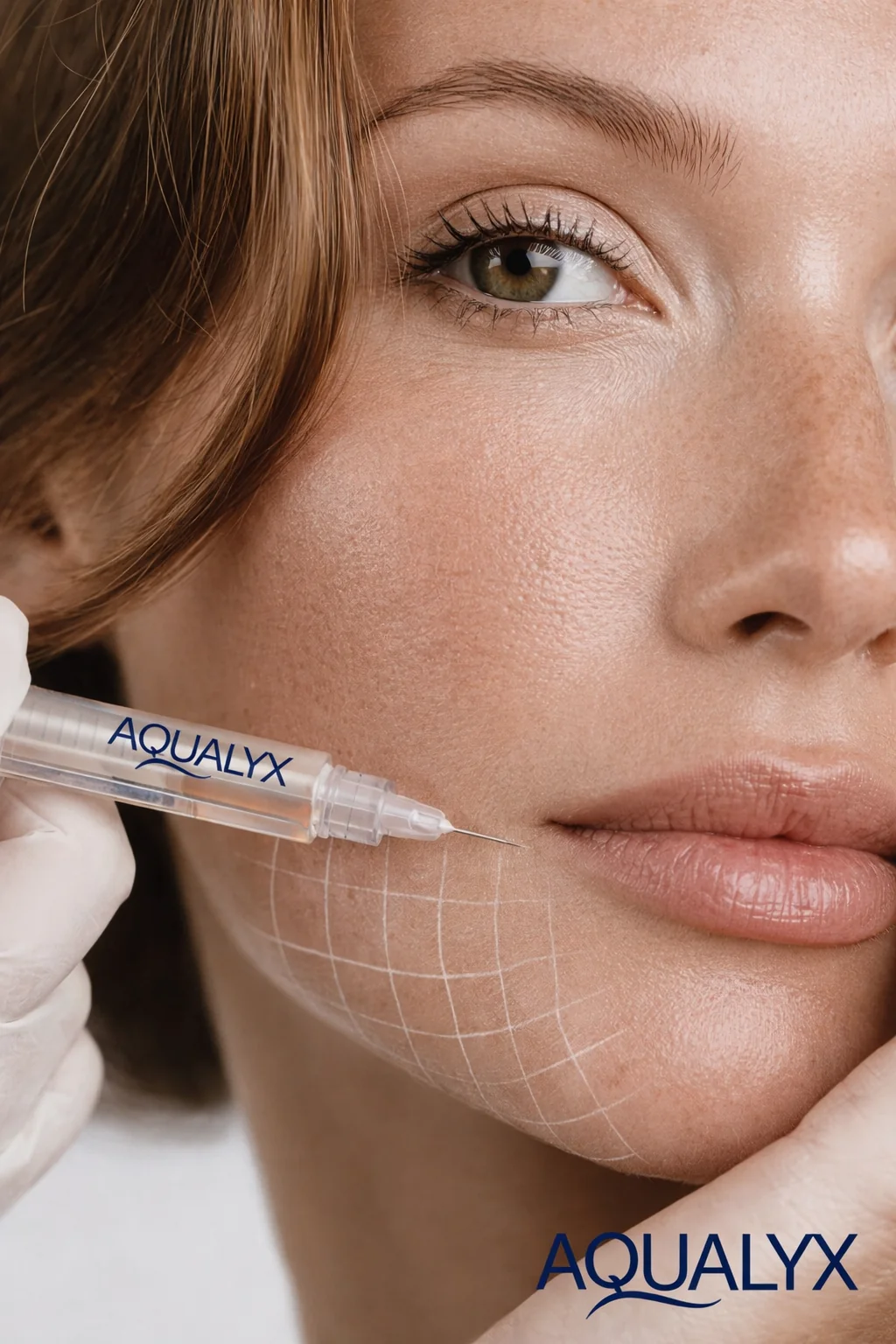
Restylane with Lidocaine is a hyaluronic acid-based dermal filler from Galderma, supplied in a 1 ml pre-filled syringe and formulated with integrated lidocaine to enhance patient comfort. This versatile filler is designed to address a wide range of facial concerns, including fine lines, wrinkles and volume loss in areas such as the cheeks and lips. The formulation balances pliability and durability, allowing practitioners precise control for natural-looking, long-lasting results. Suitable for practitioners of varying experience levels, Restylane with Lidocaine delivers smooth injections and reliable performance, making it a trusted choice for clinics seeking to enhance their aesthetic treatment portfolio.
Bnefits
- Versatile hyaluronic acid dermal filler suitable for treating multiple facial areas and concerns.
- Addresses fine lines and wrinkles, helping to smooth and soften facial expression lines.
- Restores or enhances volume in areas such as cheeks and lips for improved contour and definition.
- Integrated lidocaine provides enhanced patient comfort during injection.
- Balanced gel properties offer both pliability and durability for natural-looking yet long-lasting results.
- Consistent formulation supports smooth, controlled injections and predictable outcomes.
- Packaged in a 1 ml syringe to optimise precision, minimise wastage and maximise treatment accuracy.
- Results typically last up to 12 months, contributing to high patient satisfaction and treatment value.
- Manufactured by Galderma, a globally recognised leader in dermatology and aesthetics with robust quality standards.
Indications
- Correction of fine lines and moderate facial wrinkles.
- Treatment of static and dynamic wrinkles in areas appropriate for hyaluronic acid fillers.
- Restoration or enhancement of volume in the cheeks.
- Lip augmentation and contouring, including improved definition of the vermilion border.
- General facial contouring and harmonisation where a medium-consistency dermal filler is clinically appropriate.
- Use in adult patients seeking non-surgical aesthetic enhancement performed by qualified healthcare professionals.
Composition
- Stabilised sodium hyaluronate (hyaluronic acid) 20 mg/mL (non-animal origin).
- Lidocaine hydrochloride 3 mg/mL (0.3% lidocaine) as a local anaesthetic.
- Phosphate buffered saline, approximately pH 7, q.s. to 1.0 mL.
- Crosslinking agent: BDDE (1,4-butanediol diglycidyl ether) used to stabilise the hyaluronic acid gel.
- Sterile, clear, viscoelastic, biodegradable gel free from animal proteins.
Formulation
- Sterile, transparent, cross-linked hyaluronic acid gel at 20 mg/mL with integrated 0.3% lidocaine hydrochloride in a phosphate buffered saline solution at approximately physiological pH. The gel is formulated to offer a balance between softness for natural integration into facial tissues and sufficient viscosity and elasticity to support contouring and wrinkle correction, and is supplied ready-to-use in a 1 ml pre-filled syringe.
Packaging
- 1 x 1 ml pre-filled glass or plastic syringe of Restylane with Lidocaine.
- Sterile individual blister pack containing the syringe for single-patient use.
- Luer-lock syringe with protective cap to maintain sterility until use.
- Outer carton labelled with product name, volume, batch/lot number, expiry date, manufacturer information and regulatory markings.
- Traceability / patient record labels for inclusion in the patient’s medical records.
- Fine-gauge sterile disposable needles may be supplied in the pack depending on market configuration (exact gauge and quantity may vary).
Usage
- For professional use only: Restylane with Lidocaine must be administered exclusively by appropriately trained and legally authorised healthcare professionals experienced in dermal filler injections and facial anatomy.
- Before use, visually inspect the outer carton, blister and syringe; do not use if packaging is damaged, sterility may be compromised, the gel appears cloudy or contains visible particles, or the product is past its expiry date.
- Obtain a complete medical history including allergies (particularly to hyaluronic acid, lidocaine or other amide-type local anaesthetics and gram-positive bacterial proteins), bleeding disorders, autoimmune disease, previous aesthetic procedures and current medications (notably anticoagulants, antiplatelets and immunosuppressants).
- Cleanse and disinfect the planned treatment area(s) according to clinic protocols for injectable facial treatments.
- Attach a suitable sterile needle or compatible microcannula securely to the luer-lock syringe using aseptic technique and expel any air from the system before injection.
- Inject Restylane with Lidocaine into the appropriate tissue plane (typically mid to deep dermis for wrinkle correction or submucosal plane for lip augmentation) using recognised techniques such as linear threading, serial puncture, fanning or cross-hatching, depending on the area and desired result.
- Inject slowly with controlled pressure and aspirate where appropriate before injecting to help reduce the risk of inadvertent intravascular injection. Never inject into blood vessels.
- Begin with conservative volumes and avoid overcorrection; build the desired effect gradually while assessing facial symmetry and proportion.
- Gently massage or mould the treated area if needed to ensure even distribution and smooth contours, avoiding excessive pressure that could displace the product.
- Do not inject into areas with active inflammation, infection or skin disease (e.g. acne, rashes, bacterial or viral lesions). Stop the procedure immediately if intense pain, blanching, visual disturbance or other signs of vascular compromise occur and initiate appropriate emergency management.
- Following treatment, advise patients to avoid makeup on treated areas for several hours and to avoid extreme temperatures, sunbeds, saunas, vigorous exercise, alcohol and manipulation or massage of treated sites for a short period as per clinic protocol.
- Record product name, batch/lot number, treatment areas, depth and technique, total volume used and any immediate reactions in the patient’s medical record using the supplied traceability labels.
Contraindications
- History of severe allergies or anaphylactic reactions, or the presence of multiple severe allergies.
- Known hypersensitivity to hyaluronic acid, lidocaine, other amide-type local anaesthetics, BDDE or any of the product’s excipients, including gram-positive bacterial proteins.
- Bleeding disorders or concurrent significant use of anticoagulant, thrombolytic or high-dose antiplatelet therapy where injection-related bleeding risk is considered unacceptable.
- Active skin disease, inflammation, infection or lesions at or near the planned injection sites (e.g. dermatitis, acne, bacterial infection, viral lesions such as herpes simplex).
- Intravascular injection is strictly contraindicated; the product must never be injected into blood vessels.
- Intramuscular injection is contraindicated; the product is intended for intradermal, subdermal or submucosal implantation depending on the indication.
- Patients with a known tendency to hypertrophic scarring or keloid formation should generally not be treated with dermal fillers.
- Use during pregnancy or breastfeeding is not recommended due to insufficient safety data.
- Use in patients below the minimum age specified in product labelling and local regulations (typically adults).
Adverse Effects
- Common, usually transient injection-site reactions such as redness (erythema), swelling, tenderness, pain, itching and bruising.
- Localized lumps, bumps or nodules at the injection site or along the injection track, which often resolve spontaneously but may require massage or further management.
- Injection-site hematoma or ecchymosis, especially in patients with a tendency to bruise or on anticoagulant/antiplatelet therapy.
- Temporary changes in sensation such as numbness, tingling or tightness in the treated area due to the injection procedure and lidocaine content.
- Localized inflammatory reactions including swelling, redness and warmth, which may occur immediately or be delayed and typically resolve within days or a few weeks.
- Infection at or near the injection site if aseptic technique or aftercare is inadequate.
- Delayed inflammatory reactions, granuloma formation or persistent nodules that may require medical treatment and, in some cases, hyaluronidase.
- Rare but serious complications associated with inadvertent intravascular injection, including vascular occlusion, ischemia, tissue necrosis or visual disturbance/vision loss, requiring urgent medical intervention.
- Post-inflammatory hyperpigmentation, scarring or other changes in skin pigmentation and texture, particularly in susceptible individuals.
- Unsatisfactory aesthetic result, asymmetry or over/undercorrection that may necessitate additional or corrective procedures.
Storage Conditions
- Store in the original outer carton to protect from light and maintain sterility until use.
- Store at a controlled temperature, generally between 2°C and 25°C, in accordance with the product labelling.
- Do not freeze; avoid exposure to excessive heat and direct sunlight.
- Do not use after the expiry date printed on the syringe and outer carton.
- Do not use if the sterile blister or syringe packaging has been opened or damaged before use.
Duration
Results typically last up to 12 months, depending on treatment area, injection technique, amount of product used, and individual patient factors such as metabolism and lifestyle. Maintenance treatments can be scheduled to sustain the desired aesthetic outcome.
Onset
Visible improvement is usually immediate after injection, with the final result becoming more apparent once initial swelling and redness resolve, typically within a few days to 2 weeks.
| Price | Link |
|---|---|
| £75.00 GBP | https://www.twofaceaesthetics.com/products/restylane-with-lidocaine-1-x-1ml |
| Price | Link |
|---|---|
| £60.00 | https://www.teleta.co.uk/product/restylane-plus-lidocaine |
| Price | Link |
|---|---|
| From £62.00 | https://aestheticsrxpharma.co.uk/shop/restylane-with-lidocaine-dermal-filler/ |