BienPeel TCA 35% Peel 6 ml
BienPeel
Professional chemical skin peelBiphasic 35% trichloroacetic acid (TCA) peel for face and body
Certifications
- Professional Use aesthetic chemical peel manufactured by BNC Global, a South Korean aesthetics company producing skin Care, fillers and peels for export markets.
- Regulatory classification and approvals vary by country; in many markets BienPeel is supplied as a professional cosmetic or aesthetic product rather than a licensed medicinal product.
- Clinics using BienPeel should ensure compliance with local regulations for the import, storage and use of chemical peels and aesthetic products.
- Product information emphasises that it is for use only by trained medical or cosmetic professionals, aligning with standard guidelines for medium Strength TCA Based peels.
- Practitioners are advised to follow manufacturer protocols, local health authority guidance and professional body recommendations regarding chemical peel safety and patient selection.
- Professional Use aesthetic chemical peel manufactured by BNC Global, a South Korean aesthetics company producing skin Care, fillers and peels for export markets.
- Regulatory classification and approvals vary by country; in many markets BienPeel is supplied as a professional cosmetic or aesthetic product rather than a licensed medicinal product.
- Clinics using BienPeel should ensure compliance with local regulations for the import, storage and use of chemical peels and aesthetic products.
- Product information emphasises that it is for use only by trained medical or cosmetic professionals, aligning with standard guidelines for medium Strength TCA Based peels.
- Practitioners are advised to follow manufacturer protocols, local health authority guidance and professional body recommendations regarding chemical peel safety and patient selection.
Biphasic 35% trichloroacetic acid (TCA) peel for face and body
Description
BienPeel TCA 35% Peel - 6 ml is a professional, biphasic (dual-phase) chemical peel developed by BNC Global in South Korea. It contains 35% trichloroacetic acid (TCA) in a modified acid formula combined with a lipophilic phase, designed to stimulate biosynthesis, support skin renewal and regeneration, and deliver visible rejuvenation with minimal downtime. The peel works through both a hydrophilic phase, which initiates renewal and tightening, and a lipophilic phase, which optimises skin hydration, reinforces the barrier, and enhances penetration of active ingredients. BienPeel is marketed as an all-season, multifunctional peel suitable for the face and body, indicated for improving skin texture, reducing acne and acne scars, minimising hyperpigmentation and fine lines, and brightening dull, uneven skin. This 6 ml presentation is a single professional-use vial intended for multiple treatment areas according to recommended dosing.
Bnefits
- Bi-phase (hydrophilic and lipophilic) TCA 35% formulation that stimulates biosynthesis and supports skin renewal and regeneration.
- Restores and improves skin tone while brightening the complexion and providing a whitening effect on uneven pigmentation.
- Promotes rapid skin cell regeneration and delivers an immediate lifting and tightening effect.
- Reduces the appearance of fine lines, wrinkles, scars, stretch marks, acne marks, and hyperpigmentation.
- Provides anti-inflammatory and antifungal effects, making it suitable for acne-prone and problematic skin.
- Lipophilic phase optimises skin hydration, restores the protective barrier, and enhances penetration of active ingredients.
- All-season peel that is marketed as suitable for face and body and compatible with other cosmetic procedures.
- Minimally aggressive compared with traditional deep TCA peels, offering instant results with little to no recovery period when used correctly by professionals.
- Multifunctional and can be applied to multiple areas including face, neck, décolleté, hands, chest and certain body areas.
- Positioned as a gentle alternative or complement to injectable aesthetic treatments, initiating skin repair without needles.
Indications
- Professional chemical resurfacing of photoaged or dull skin to improve overall texture, tone and luminosity.
- Reduction of fine lines and superficial wrinkles on the face, neck and décolleté.
- Treatment of post-acne marks and mild acne scarring.
- Adjunctive management of active acne-prone skin where anti-inflammatory and keratolytic effects are beneficial (in line with professional judgement).
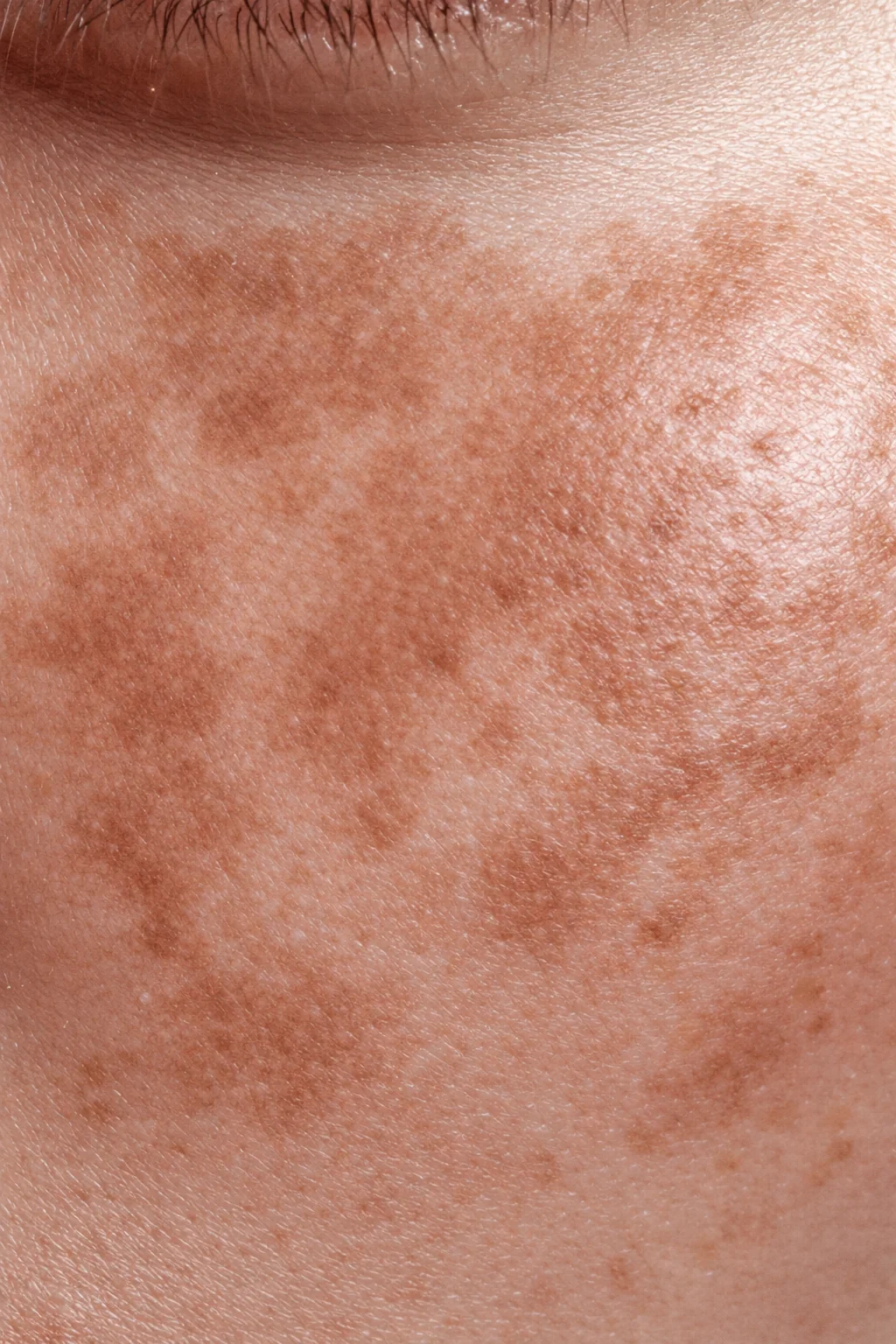
- Reduction of hyperpigmentation, including sun damage and uneven skin tone, as part of a broader pigmentation management plan.
- Improvement of the appearance of stretch marks and some superficial scars on suitable body areas.
- Skin tightening and lifting effect for mildly lax or tired-looking skin.
- Professional skin rejuvenation procedures where a bi-phase TCA peel is indicated and no contraindications are present.
- Use on face, neck, décolleté, chest, hands, thighs and selected body zones as per recommended dosage and clinical assessment.
- Professional aesthetic protocols that combine chemical peeling with other non-ablative cosmetic procedures, respecting appropriate timing and skin recovery.
Composition
- Trichloroacetic acid (TCA) 35% – primary peeling and exfoliating acid.
- Lactobionic acid – polyhydroxy acid with exfoliating and antioxidant properties and supportive hydration.
- Salicylic acid – beta hydroxy acid (BHA) with keratolytic, comedolytic and anti-inflammatory action.
- Tartaric acid – alpha hydroxy acid (AHA) contributing to exfoliation and brightening.
- Citric acid – AHA contributing to exfoliation and pH adjustment, with antioxidant effects.
- Vitamins: Vitamin C (ascorbic acid) – antioxidant and brightening; Vitamin B2 – supports cellular metabolism.
- Amino acids: Glycine, Proline, Hydroxyproline, Arginine – structural and functional amino acids involved in collagen support and skin repair.
- Gamma-aminobutyric acid (GABA) – neuromodulating ingredient often marketed for a smoothing and firming effect.
- Squalane – emollient component in the hydrophilic/lipophilic system providing barrier support and hydration.
- Isopropyl myristate – lipophilic emollient and penetration enhancer, part of the hydrophilic/lipophilic phase system.
- Dual-phase system: hydrophilic phase primarily responsible for initiating renewal and rejuvenation, and lipophilic phase for hydration, barrier support and enhanced delivery of actives.
Formulation
- Professional-use biphasic (dual-phase) chemical peel solution.
- Contains 35% trichloroacetic acid combined with additional organic acids, vitamins and amino acids in hydrophilic and lipophilic phases.
- Hydrophilic phase: activates skin renewal and rejuvenation processes, restructures the epidermis, tightens and tones the skin.
- Lipophilic phase: provides optimal hydration, restores the lipid barrier and promotes deeper penetration of actives.
- Green-coloured liquid once the vial is properly shaken to homogenise phases.
- Intended for topical application by trained professionals with leave-on exposure followed by rinsing according to protocol.
- Single-use multi-application vial (6 ml) for use within a treatment protocol; not intended for consumer self-use.
- All-season formulation marketed as less aggressive than many traditional TCA peels while maintaining significant rejuvenating effect.
Packaging
- Single glass vial containing 6 ml of BienPeel TCA 35% solution (1 vial × 6 ml).
- Vial with rubber stopper and flip-off cap, designed to be accessed with a syringe or cannula without removing the stopper.
- Outer carton printed with BienPeel branding, concentration (TCA 35%), volume (6 ml) and manufacturer/brand information.
- Product also commonly available in boxes containing 5 vials × 6 ml for clinic use; this SKU refers specifically to the 6 ml single-vial configuration.
- Professional packaging specifying that the peel is for trained cosmetologists, doctors or aesthetic practitioners only.
- Vial and carton typically include batch number, expiry date, storage conditions and manufacturer details.
Usage
- Professional use only: BienPeel TCA 35% Peel must be used exclusively by trained and certified cosmetologists, dermatologists or medical aesthetic practitioners familiar with chemical peeling and TCA-based products.
- Preparation: Assess the patient’s medical history, skin type (including Fitzpatrick type), current medications (especially isotretinoin or photosensitising drugs) and contraindications. Obtain informed consent and perform test patches when indicated.
- Step 1 – Shake: Vigorously shake the vial until a uniform green colour is obtained, ensuring complete mixing of hydrophilic and lipophilic phases.
- Step 2 – Draw product: Using a sterile syringe or cannula, withdraw the required volume of product through the stopper without removing the cap.
- Step 3 – Cleanse: Thoroughly cleanse and degrease the treatment area to remove makeup, sebum, sunscreen and impurities.
- Step 4 – Apply: Apply the peel in the amount required for the specific area, either dropwise or with a suitable applicator brush, always wearing nitrile gloves.
- Step 5 – Massage and exposure: Gently massage the treated area until the product is fully absorbed. Leave on the skin for an exposure time of around 5 minutes, or as guided by the manufacturer’s protocol and clinical judgement.
- Step 6 – Rinse: After the exposure time, rinse the treated area with warm water to remove residual product.
- Step 7 – Post-care: Apply an appropriate occlusive or oily cream to complete the procedure and support barrier recovery. Advise the patient on strict photoprotection and the use of soothing, non-irritating skincare.
- Recommended dosages (per session, approximate): face 1.5–2 ml; neck 1–1.5 ml; décolleté 2–2.5 ml; chest/breast ~4 ml; hands 2–3 ml; thighs/hips 5–6 ml; intimate area 1–1.5 ml (only if in scope of practice and with appropriate training and consent).
- Course of treatment: Typically 4–7 sessions depending on skin condition, with intervals of approximately 7–10 days between sessions.
- Post-procedure advice: Avoid direct sun exposure, tanning beds, saunas and aggressive topical agents (retinoids, exfoliants, scrubs) for several days post-peel. Use broad-spectrum SPF and gentle, hydrating skincare.
- Emergency measures: Practitioners should be prepared to neutralise or dilute the peel and manage irritation, burns or unexpected reactions according to clinical best practice and local guidelines.
Contraindications
- Known hypersensitivity or allergy to trichloroacetic acid (TCA), salicylic acid, lactobionic acid, citric/tartaric acids, vitamin C, vitamin B2, squalane, isopropyl myristate or any other component of the formulation.
- History of severe allergic reactions, contact dermatitis or adverse reactions to chemical peels, especially TCA or strong AHAs/BHAs.
- Active skin infections or inflammatory dermatoses at the treatment site (e.g. bacterial, viral such as active herpes simplex, or fungal infections).
- Compromised skin barrier, open wounds, cuts, severe irritation, sunburn or dermatitis in the intended treatment area.
- History of keloid formation or hypertrophic scarring in areas to be treated, unless benefits clearly outweigh risks and the patient is fully counselled.
- Recent use of oral isotretinoin or other systemic retinoids (typically within the last 6–12 months, according to standard peel practice and local guidelines).
- Recent intensive UV exposure or use of tanning beds, or inability/unwillingness to adhere to strict sun protection after the peel.
- Pregnancy and breastfeeding, unless explicitly permitted by local regulations and manufacturer guidance (many professional peels advise against use in these populations).
- Autoimmune diseases or conditions causing impaired wound healing without specialist supervision.
- Use of photosensitising medications or topical therapies that significantly increase skin sensitivity, unless appropriately discontinued in advance.
- Any other contraindications specified by the manufacturer’s instructions for use or applicable local clinical protocols.
- Self-use by untrained individuals; BienPeel is intended solely for professional application.
Adverse Effects
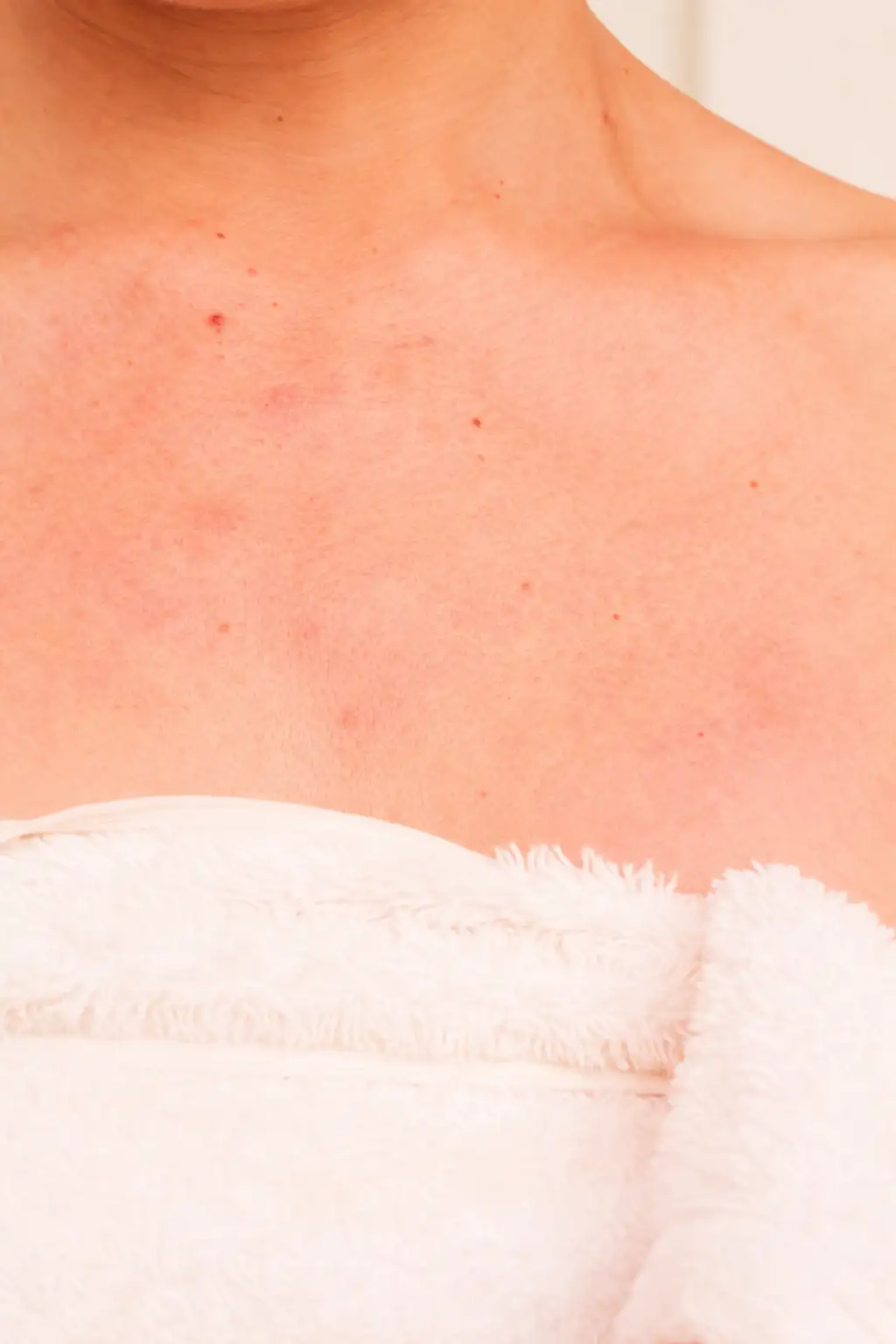
- Expected, transient effects such as erythema (redness), warmth or stinging sensation during application and shortly after the procedure.
- Dryness, tightness and desquamation (peeling or flaking) of the treated skin over the days following the peel.
- Temporary changes in skin tone, including transient darkening or lightening as damaged layers shed and new skin emerges.
- Irritation, burning, or discomfort if skin is particularly sensitive or if protocol is not followed precisely.
- Risk of chemical burns, blistering or erosions if excessive product is used, exposure time is exceeded, or the peel is applied to compromised skin.
- Post-inflammatory hyperpigmentation (PIH), particularly in darker skin phototypes or in cases of inadequate sun protection after the procedure.
- Post-inflammatory hypopigmentation or textural changes in rare cases, especially after overly aggressive application.
- Exacerbation or flare of acne or rosacea in susceptible individuals, typically transient.
- Potential reactivation of herpes simplex virus in predisposed patients without appropriate prophylaxis.
- Allergic or idiosyncratic reactions to one or more ingredients, presenting as persistent erythema, pruritus, edema or dermatitis.
- Very rare risk of scarring or long-term pigment alteration if incorrect technique, inappropriate patient selection, or poor post-care occurs.
- Any unexpected or severe adverse reaction should prompt immediate cessation of treatment, appropriate medical management, and reporting according to local regulations.
Storage Conditions
- Store BienPeel vials in a cool, dry place at a temperature typically between 2°C and 25°C as indicated by distributors.
- Keep vials in their original packaging, protected from direct sunlight, excessive heat and moisture.
- Do not freeze the product.
- Ensure the vial is tightly closed when not in use, and avoid repeated prolonged exposure to air, light or contamination.
- Observe the expiry date on the vial and outer carton; do not use expired product.
- Use aseptic technique when drawing product from the vial to minimise contamination; discard any remaining product according to clinic protocols and local regulations if sterility is in doubt.
- Store out of the reach of children and non-professional users.
Duration
The peel is performed as a short in-clinic procedure with an exposure time of about 5 minutes per session. A full course typically consists of 4 to 7 sessions, spaced roughly 7\u201310 days apart, depending on the patient\u2019s skin condition and treatment goals. According to distributor information, visible results often last around 3 to 6 months, after which maintenance courses can be repeated following professional assessment.
Onset
BienPeel is marketed as providing an immediate lifting and brightening effect, with skin tone improvement and smoother texture visible shortly after the first session. Additional benefits such as reduction of hyperpigmentation, fine lines, acne lesions and scars tend to become more apparent over the course of several treatments and subsequent weeks as skin regeneration and collagen stimulation progress.
| Price | Link |
|---|---|
| £65.00 | https://dermafillerltd.uk/product/bienpeel-5x6ml/ |
| Price | Link |
|---|---|
| £74.99 | https://thecrystalpharmacy.co.uk/shop/product/?I=543 |
| Price | Link |
|---|---|
| £69.99 | https://www.lpgclinicswholesale.com/product/bienpeel-tca-35/ |
| Price | Link |
|---|---|
| £39.60 | https://aesthipharma.co.uk/bienpeel-tca-35-peel-6-ml |