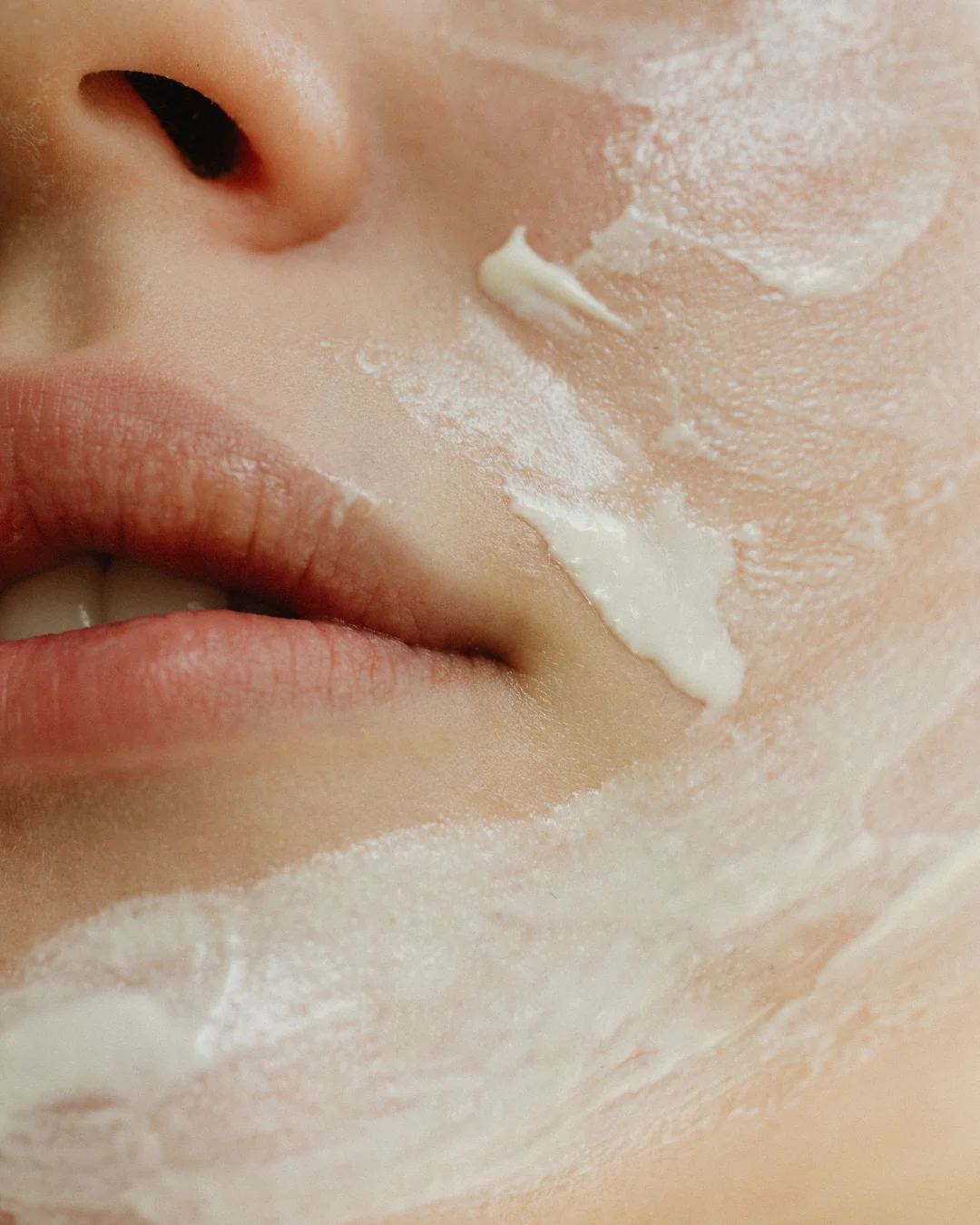
EMLA Cream 5% (Surgical Pack 30 g)
EMLA
Medication – topical local anaestheticTopical anaesthetic cream
Certifications
- Licensed medicinal product under EU/UK regulations; marketing authorisation held by Aspen Pharma Trading Limited.
- Manufactured by Recipharm Karlskoga AB (or Aspen Bad Oldesloe GmbH depending on batch), under GMP standards.
- Licensed medicinal product under EU/UK regulations; marketing authorisation held by Aspen Pharma Trading Limited.
- Manufactured by Recipharm Karlskoga AB (or Aspen Bad Oldesloe GmbH depending on batch), under GMP standards.
Topical anaesthetic cream
Description
EMLA Cream 5% (30 g Surgical Pack) is a topical local anaesthetic cream containing a eutectic mixture of lidocaine and prilocaine. It is applied to intact skin under an occlusive dressing to produce dermal analgesia for minor procedures—such as needle insertions, superficial surgical procedures, blood sampling, laser hair removal, or other minor skin interventions. The cream numbs the skin surface, reducing injection or procedure-related pain but not pressure or deep sensations. It is used across adults, adolescents, and (in limited scenarios) children under appropriate medical guidance.
Bnefits
- Provides effective topical anesthesia of the skin before minor procedures such as needle insertion, blood sampling or minor surgery.
- Helps reduce pain and discomfort during procedures like injections, minor dermatological interventions or blood tests.
- Can be used on various body areas including limbs, trunk, and—under professional supervision—genital skin/mucosa for certain minor procedures in adults/adolescents.
- Suitable for use in both adults and paediatric populations (with specific dosing guidance), making it versatile for clinical and minor procedural use.
- Relatively rapid onset of numbing when applied under occlusion (typically ~1 hour for intact skin), facilitating scheduling of minor procedures.
Indications
- Topical anaesthesia of intact skin prior to needle insertion (e.g. IV cannulation, blood sampling), minor skin surgery,laser hair removal, tatto or cosmetic injections.
- Topical anaesthesia of genital skin/mucosa prior to minor superficial procedures or prior to infiltration anaesthesia (in adults/adolescents ≥ 12 years).
- Topical anaesthesia of leg ulcers to facilitate mechanical cleansing or debridement (in adults, under medical supervision).
Composition
- Lidocaine 2.5% w/w
- Prilocaine 2.5% w/w
- Excipients: macrogolglycerol hydroxystearate, carbomer 934P (or 974P), sodium hydroxide (to adjust pH), purified water — as per licensed SmPC.
Formulation
- Oil-in-water emulsion (white soft cream)
- Eutectic mixture of lidocaine and prilocaine — both local anaesthetics are liquid at room temperature in this preparation, enabling effective skin penetration.
Packaging
- Single 30 g tube (surgical pack) containing the cream.
- Original manufacturer’s carton with patient information leaflet and usage instructions per regulatory requirements.
Usage
- Apply a thick layer of cream to the intact skin area to be anaesthetized and do **not** rub it in.
- Cover the cream with an occlusive, airtight and water-tight dressing (e.g. plastic film, dressing provided).
- Allow to remain under dressing for at least 60 minutes (for minor procedures on skin) before removing the dressing and wiping off the cream just before the procedure.
- For larger or more invasive procedures (or larger skin areas), follow dosing and timing guidance—e.g. up to 2 g per 10 cm² for 1–5 h depending on skin area and procedure type.
- Do not use on broken, inflamed, or infected skin (except under doctor’s supervision for leg ulcers).
Contraindications
- Allergy or hypersensitivity to lidocaine, prilocaine or any other cream components (e.g. preservatives, excipients).
- Do not apply on broken, inflamed, infected skin, rash, eczema, or mucous membranes (unless specifically indicated under professional supervision).
- Patients with rare hereditary conditions such as methaemoglobinaemia or glucose-6-phosphate dehydrogenase deficiency — use only under medical advice.
- Not recommended for preterm newborns; restricted use in infants under 3 months or when other methemoglobin-inducing agents are used concurrently.
Adverse Effects
- Transient local reactions: skin blanching, mild redness, erythema, itching, burning, warmth, tingling or mild pain at the application site.
- In rare cases — systemic absorption may lead to symptoms such as dizziness, palpitations, blurred vision, tremor or—very rarely—methemoglobinemia especially in infants or susceptible individuals.
- Local skin reactions are more likely if used on areas with increased absorption (e.g. shaved skin) or applied for longer than recommended durations.
Storage Conditions
- Store at room temperature, away from excessive heat and direct sunlight.
- Keep the tube tightly closed when not in use.
- Keep out of reach of children.
Duration
Effect is applied per procedure; numbing typically achieved after 1\u20132 hours application under occlusion on intact skin. Duration of anaesthesia lasts for about 2 hours post removal (varies by site and skin vascularity).
Onset
Onset of dermal anaesthesia typically after ~60 minutes under occlusive dressing on intact skin; for facial skin or thin areas onset may occur after 30\u201360 minutes.
| Price | Link |
|---|---|
| £20.39 | https://aesthipharma.co.uk/emla-30g-cream |
| Price | Link |
|---|---|
| £14.50 | https://www.teleta.co.uk/product/emla-cream-30g-2 |
| Price | Link |
|---|---|
| £3.15 | https://www.teleta.co.uk/product/emla-5-cream-5g |
| Price | Link |
|---|---|
| £19.99 | https://thecrystalpharmacy.co.uk/shop/product/?I=330 |
| Price | Link |
|---|---|
| £4.99 | https://thecrystalpharmacy.co.uk/shop/product/?I=396 |
| Price | Link |
|---|---|
| From £3.00 | https://aestheticsrxpharma.co.uk/shop/emla-cream-5g/ |
| Price | Link |
|---|---|
| £19.42 | https://www.ddgroup.com/facial-aesthetics/general-pharmacy/700300--emla-cream-surgical-pack-30g/ |
| Price | Link |
|---|---|
| From £20.00 | https://aestheticsrxpharma.co.uk/shop/emla-30g-tube/ |