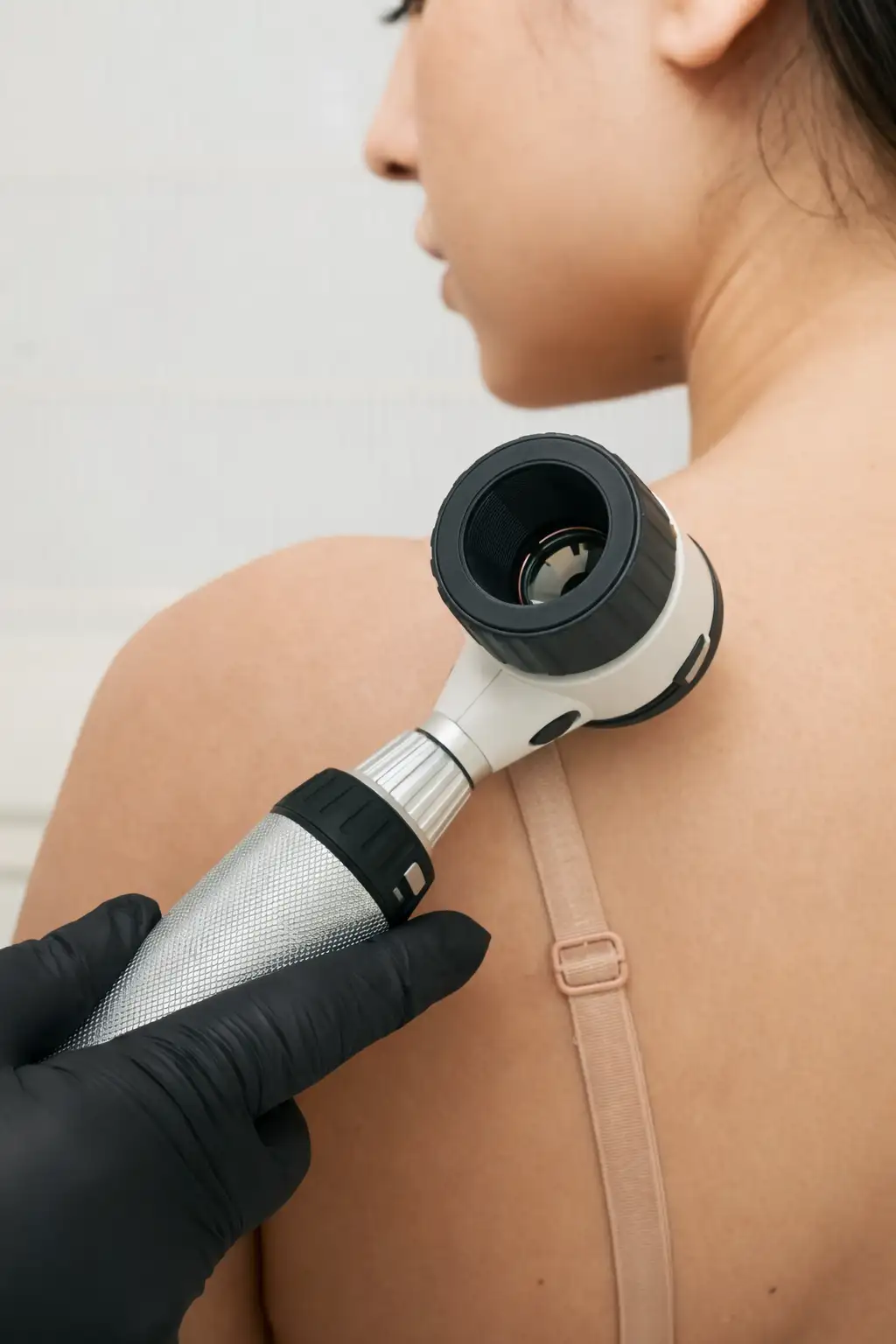
Melanoma Treatment
Melanoma Treatment Treatment
Melanoma Treatment Treatment Statistics and Key Information
- Patient Satisfaction Rate
- 95%
- Average Treatment Cost
- See provider pricing
- Number of Reviews
- 10729
- Treatment Downtime Duration
- Varies by treatment
- Number of Available Practitioners
- 426
Overview
Melanoma treatment means the set of medical ways doctors try to remove or control melanoma, which is a type of skin cancer. In the UK and elsewhere, the foundation is surgery to cut out the tumour and some normal skin around it so there’s less chance of cells being left behind. Depending on stage and spread, they might add radiotherapy, targeted cancer drugs that block specific proteins in cancer cells, or immunotherapy which helps your own immune system recognise and attack the melanoma cells. Chemotherapy is still used sometimes, but in melanoma it’s usually less effective than modern immunotherapy or targeted drugs. The exact mix depends on stage, genetics of the tumour (like whether there’s a BRAF mutation), and your overall health.
Goals of Melanoma Treatment treatment
- Remove the primary melanoma completely so it doesn’t come back locally.
- Reduce risk of spread to lymph nodes or other organs.
- Control melanoma that has already spread to prolong life and manage symptoms.
- Use systemic treatments like immunotherapy to train the immune system to attack melanoma cells.
- Tailor the plan to your overall health and minimise side effects through multidisciplinary discussion.
Treatment Options
- Surgery is the mainstay for early melanoma; non-surgical alternatives like imiquimod cream may be used for very early or superficial disease in selected cases.
- Radiotherapy is sometimes added for local control where surgery isn’t option.
- Systemic options like immunotherapy or targeted drugs aren’t ‘alternative’ in the usual sense but are evidence-based treatments for spread or high-risk disease; they work differently from surgery by acting systemically.
- There isn’t high-quality evidence for complementary therapies curing melanoma; they may be supportive for wellbeing but not a substitute for evidence-based care.
Pros
- Early stage surgery can be curative and very effective.
- Modern immunotherapies have improved outcomes for advanced melanoma.
- Targeted drugs can slow or halt cancer growth by focusing on specific tumour pathways.
- Follow-up and surveillance help catch recurrence early.
Cons
- Side effects from immunotherapy or targeted drugs can be serious and long-lasting.
- Advanced melanoma treatment isn’t guaranteed and sometimes slows rather than cures.
- Radiotherapy and chemotherapy can cause fatigue, nausea and other systemic effects.
- There’s emotional and physical burden to undergoing cancer treatment.
Candidate & Preparation
Who is a Good Candidate
- Anyone diagnosed with melanoma, because treatment is tailored to stage and risk.
- People with early melanoma usually have surgery with high chance of cure.
- Those with stage III or IV disease or high risk may get immunotherapy or targeted therapy.
- It’s less about being ‘a candidate’ and more about staging and shared decision-making with your oncology team.
Appointments & Safety
What Happens During Appointment
This depends on treatment type. A surgical excision visit might take a couple of hours including prep and recovery. Immunotherapy infusions are typically done over an hour or more and repeated every few weeks. Targeted therapy is often oral and discussed in clinic. Radiotherapy sessions are short (minutes) but given over several days.
Pain Level
Pain varies by treatment type. Surgery is done with anaesthesia so you feel little during it but some after. Systemic therapies aren’t usually painful physically but can make you feel unwell.
Safety Considerations
- Surgery carries usual risks like infection, bleeding and scarring.
- Immunotherapy can cause immune-related side effects affecting skin, gut, liver, thyroid and more.
- Targeted drugs have side effects like fever, rash or fatigue.
Cost & Access
Typical Prices
Costs vary massively by stage and what treatments are used. On the NHS most standard treatments are funded so you don’t pay directly, but analyses show average cumulative costs per patient in 2023 in the UK were roughly GBP 9,500 for early Stage I, GBP 77,800 for Stage II, GBP 179,300 for Stage III and GBP 213,800 for Stage IV melanoma. This includes surgeries, medicines, scans and follow-ups over time.
Results & Maintenance
How Long Results Last
For localized melanoma treated with surgery alone, cure can be long-lasting with low recurrence risk if fully excised. For advanced disease, immunotherapy or targeted therapy can lead to durable responses in some people, but ongoing surveillance and sometimes ongoing treatment are common.
Maintenance Requirements
- Systemic therapies are given in schedules (e.g immunotherapy every few weeks for up to a year or longer based on response).
- Follow-up appointments and surveillance scans are part of long-term care to check for recurrence.
- No single session cures advanced disease; it’s usually a course tailored to response.
Regulation & Guidelines
Guidelines
Yes, NICE has detailed guidance on melanoma assessment and management covering staging, surgery, adjuvant therapy, systemic treatment choices, follow-up and multidisciplinary care. Drugs used are regulated by MHRA in the UK and globally similar protocols are referenced by FDA and other bodies.
What to Do If Something Goes Wrong
Regulation
Cancer treatments and medicines are governed by NHS practice standards, MHRA regulation of drugs/devices and NICE guidance on best practice. Multidisciplinary teams and oncology specialists are expected to follow these.
Complaints
If care issues arise, raise them with your NHS trust’s patient liaison service or private clinic’s complaints process. You can also involve professional regulators like the GMC for medical conduct concerns.