Melasma Treatment
Melasma Treatment Treatment
Melasma Treatment Treatment Statistics and Key Information
- Patient Satisfaction Rate
- 95%
- Average Treatment Cost
- See provider pricing
- Number of Reviews
- 58526
- Treatment Downtime Duration
- Varies by treatment
- Number of Available Practitioners
- 1207
Overview
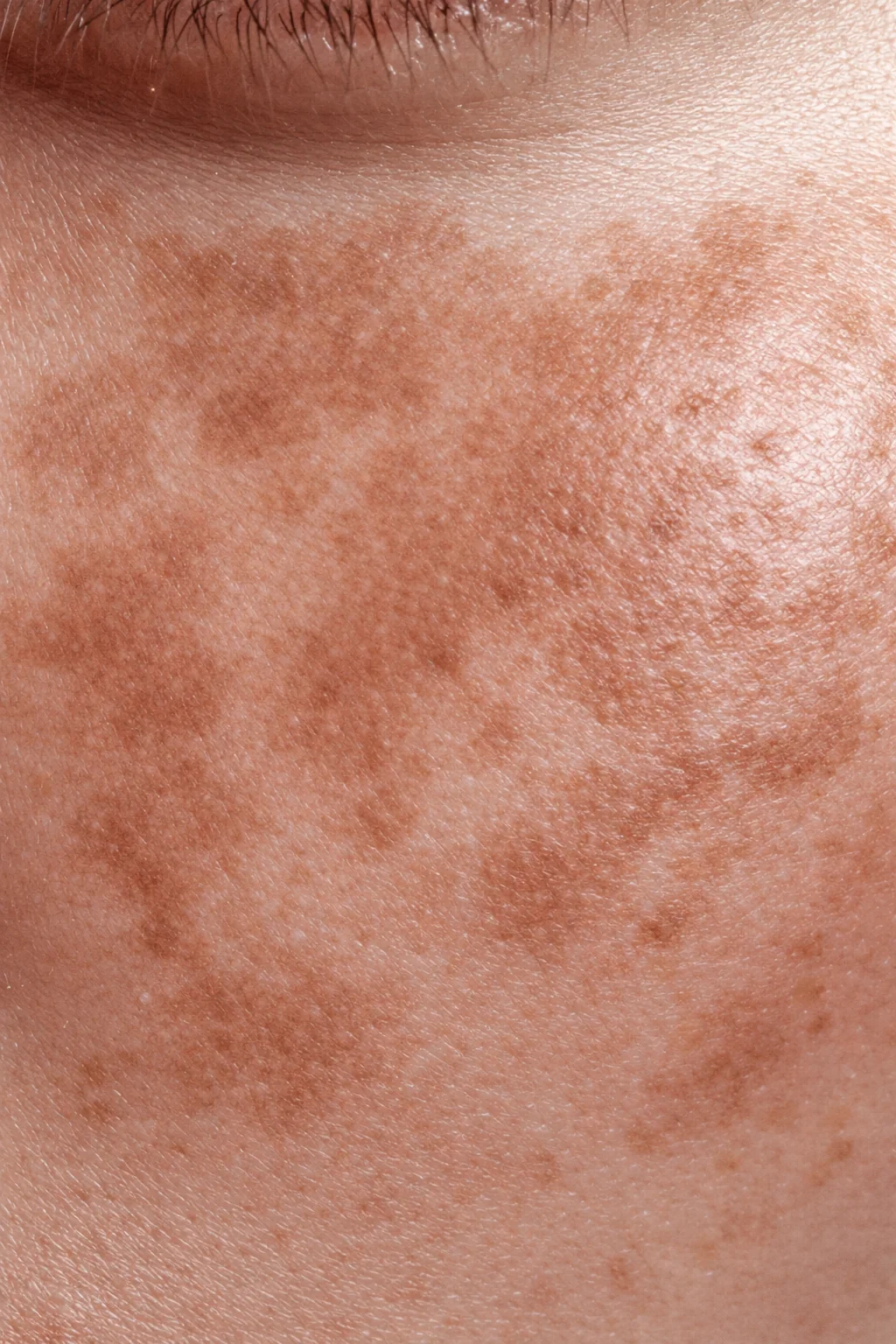
Melasma treatment means doing things to reduce or manage the brown or grey patches on your skin that come from extra melanin being produced in certain spots. Dermatologists usually start with topical creams that lighten pigment by lowering melanin production or increasing skin turnover. In tougher cases, they layer in chemical peels that exfoliate and help shed pigmented cells, or laser and light devices that target pigment more deeply. Some practitioners may also use oral agents like tranexamic acid in selected cases. Sun protection underpins all of this because UV exposure will worsen melasma.
Goals of Melasma Treatment treatment
- Reduce visible dark patches and even out skin tone.
- Address underlying triggers (like UV exposure or hormones) to prevent recurrence.
- Use combinations of treatments that work better together than alone (creams plus peels/laser).
- Minimise side effects while getting measurable improvement in pigmentation.
Treatment Options
- Topical creams are still the backbone and are less invasive than peels or lasers.
- Chemical peels are more aggressive than creams but can improve results more quickly.
- Lasers and light devices are more high-tech but carry higher risks of irritation or rebound pigmentation if used improperly.
- Natural or OTC brightening serums might help mildly but won’t usually match medical-grade regimens.
Pros
- Topical creams can be tailored to your skin and often work without big downtime.
- Chemical peels can make a noticeable difference when combined with proper care.
- Laser or light treatments might reach deeper pigment that creams alone can’t touch.
- Some oral medicines show promise in stubborn cases.
Cons
- No single treatment is a guaranteed cure and melasma often comes back.
- Topicals like hydroquinone can irritate skin and carry risks if misused.
- Peels and lasers might lead to redness, irritation or even worsening pigment if done wrong.
- Results vary widely between people and take patience over months.
Candidate & Preparation
Who is a Good Candidate
- Someone with diagnosed melasma confirmed by a dermatologist (to avoid treating the wrong condition).
- People who can commit to strict sun protection, because without it melasma often returns.
- Those without active skin infection or recent tanning that might raise complication risks.
- People with realistic goals about improvement over time rather than overnight cure.
Appointments & Safety
What Happens During Appointment
For topical plans you’ll talk through creams and sun care; peels usually take 15-30 minutes for application and recovery is a few days; lasers are quick (often under 30 minutes) with variable downtime.
Pain Level
Many treatments have minimal pain. Peels might sting, and some lasers feel like heat or prickles but are usually tolerable.
Safety Considerations
- Topical agents like hydroquinone can irritate or rarely cause ochronosis if overused.
- Peels and lasers should be done by experienced clinicians because they can worsen pigmentation or cause scarring.
- Lasers for melasma need the right wavelength and settings, especially on darker skin tones.
Cost & Access
Typical Prices
Prices vary a lot. Simple clinic visits for topical prescription plans might just involve the consultation fee, but chemical peels or laser sessions can start around GBP 450 per session for a Pico laser and go up over GBP 1500 for more advanced devices, with multiple sessions often needed.
Why Prices Vary
- Type of treatment (topical, peel, laser) affects cost.
- Clinic location (central London vs other towns) changes pricing.
- Experience and qualifications of the practitioner.
- How many sessions are recommended for your specific case.
Results & Maintenance
How Long Results Last
Melasma can recur if sun exposure or hormonal factors aren’t managed, so even after effective treatment, ongoing sunscreen and maintenance are key to keeping results.
Maintenance Requirements
- Yes. Treatments like peels or lasers often come in a series of sessions spaced weeks apart.
- Long-term maintenance with creams and sunscreen is usually ongoing to keep melasma from returning.
Regulation & Guidelines
Guidelines
There aren’t NICE guidelines specifically just for melasma like a disease page, but NICE does cover dermatology best practice and MHRA regulates the devices used. Prescription creams and lasers should be used under medically governed practices following those standards.
What to Do If Something Goes Wrong
Regulation
Devices like lasers fall under MHRA guidance for safety and use, and dermatologists work under GMC standards. Clinics offering peels or lasers should follow safety guidelines.
Complaints
If something goes wrong, raise it with the clinic first; for serious clinical issues you can contact regulatory bodies like the GMC or local authority regarding unsafe laser use.