Micro-needling

Micro-needling Treatment
Micro-needling Treatment Statistics and Key Information
- Patient Satisfaction Rate
- 95%
- Average Treatment Cost
- GBP 100 to GBP 300
- Number of Reviews
- 99849
- Treatment Downtime Duration
- Varies
- Number of Available Practitioners
- 1869
Overview
Microneedling (also called collagen induction therapy or skin needling) is a minimally invasive skin treatment where a device with tiny, sterile needles creates controlled micro-injuries in your skin. Your body freaks out just a little and thinks it needs to heal, so it recruits its natural wound-healing response and starts producing more collagen and elastin. Over time, that can help smooth texture, improve scars, fine lines, enlarged pores and generally make skin look healthier and firmer. ([turn0search1][turn0search2][turn0search4])
Goals of Micro-needling treatment
- Encourage new collagen and elastin formation to improve skin quality. ([turn0search1][turn0search2])
- Reduce the look of acne scars, stretch marks and other superficial scarring. ([turn0search9])
- Smooth fine lines, wrinkles and uneven texture. ([turn0search1][turn0search16])
- Help skincare products penetrate deeper when appropriate. ([turn0search9])
Treatment Options
- Compared with lasers, microneedling doesn’t apply heat so it can be lower risk for pigmentation but sometimes less dramatic. ([turn0search9])
- Compared with chemical peels, needling is mechanical rather than chemical exfoliation and can target deeper collagen induction. ([turn0search1])
- Topical only approaches often have subtle effects; microneedling aims for structural stimulation in the dermis. ([turn0search1][turn0search9])
- At-home dermarolling is discussed online, but professionals warn it’s not the same and carries hygiene risks. ([turn0search27][turn0news41])
Pros
- Relatively short healing time and minimal downtime compared with some lasers. ([turn0search4])
- Can be well tolerated, and multiple sessions build results. ([turn0search1][turn0search17])
- Stimulates natural repair mechanisms in the skin. ([turn0search4])
- Often cheaper than high-end laser or surgical skin resurfacing. ([turn0search10])
Cons
- Results aren’t instant; improvements take weeks and multiple treatments. ([turn0search17])
- Some temporary redness or irritation is common. ([turn0search1][turn0search2])
- If done poorly or at the wrong depth it can scar or cause other issues. Professional training matters. ([turn0search27][turn0news40])
- Advanced versions like radiofrequency microneedling carry added risks that regulators have highlighted. ([turn0news40])
Candidate & Preparation
Who is a Good Candidate
- People with acne scarring, stretch marks, fine lines, enlarged pores or generally ageing and uneven texture. ([turn0search1][turn0search9])
- Most skin tones can be treated because the controlled micro-injuries don’t rely on heat and are less likely to cause pigmentation changes. ([turn0search9])
- Not suitable for people with active infection, cystic acne, bleeding disorders or certain skin conditions without medical clearance.
Appointments & Safety
What Happens During Appointment
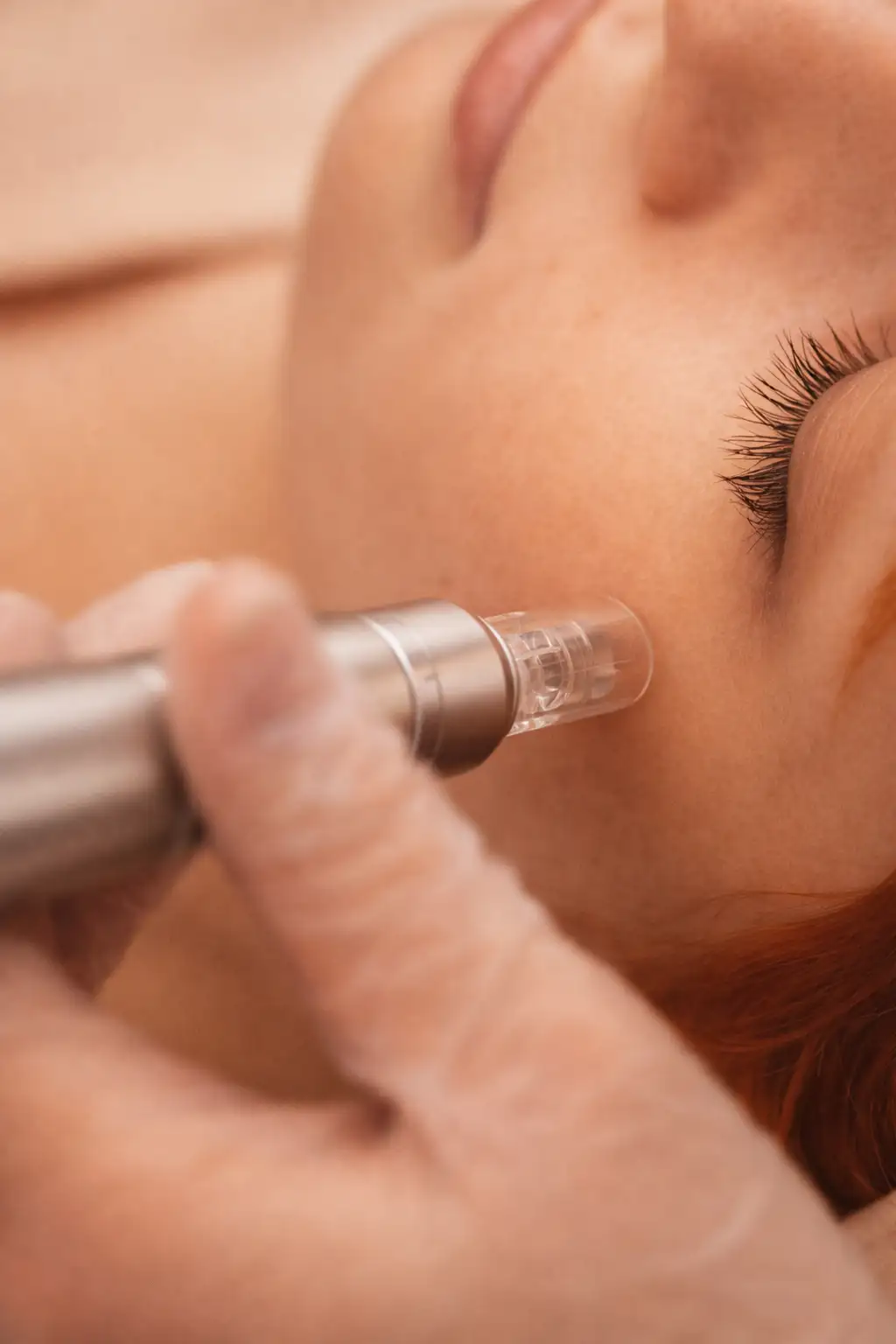
You start with a consultation and cleansing, topical anaesthetic application, then the provider glides the pen or needling device across targeted areas to create micro-channels. A session often takes around 20–30 minutes depending on area size. Aftercare serums or calming masks are applied afterward. ([turn0search1][turn0search17])
Pain Level
Most people feel some prickling or pressure but topical numbing cream is usually applied so pain is mild and manageable. Some redness or a sunburn-like feeling afterward is common. ([turn0search1][turn0search2])
Safety Considerations
- Devices must be sterile and correctly used to avoid infection or scarring; homemade or poorly managed treatments increase risk. ([turn0search27][turn0news41])
- At-clinic safety is better because professionals know what depth to use and how to manage aftercare. ([turn0search2])
- Advanced forms like radiofrequency microneedling have been the subject of safety warnings due to higher intensity energy and possible burns or deeper injury. ([turn0news40])
Cost & Access
Typical Prices
Professional microneedling in the UK generally runs somewhere around GBP 100 to GBP 300 per session, though high-end clinics and advanced versions can go up to GBP 600 or more. Full treatment courses of multiple sessions usually total anywhere from about GBP 300 up to around GBP 1,800 depending on how many sessions you do and extras like PRP or LED added on. ([turn0search10][turn0search1][turn0search18])
Why Prices Vary
- Location matters a lot: London and the South East typically cost more. ([turn0search10])
- Clinic reputation and practitioner experience shift pricing. ([turn0search10])
- Technology used (basic needling vs Dermapen vs radiofrequency versions) changes costs. ([turn0search12][turn0search10])
- Add-ons like serums, PRP or LED therapy increase price per session. ([turn0search10])
Results & Maintenance
How Long Results Last
Results build gradually as new collagen forms, usually over weeks after each session. Multiple sessions spaced weeks apart lead to longer-lasting improvements, but maintenance sessions are typical to sustain collagen stimulation over time. Deep structural changes aren’t permanent without periodic re-treatment. ([turn0search17])
Maintenance Requirements
- Multiple sessions are almost always recommended (often 3–6 spaced several weeks apart) to build and maintain results. ([turn0search17])
- Maintenance may be periodic thereafter, especially if your skin ageing or scarring concerns remain a priority.
Regulation & Guidelines
Guidelines
Microneedling devices fall under medical device oversight in regulators like the FDA, which authorises specific devices for acne scars and wrinkles, and in the UK, MHRA regulates devices, while NICE feeds into broader guidance on cosmetic procedures. There is no detailed UK NICE guideline just for microneedling itself yet, and industry regulation is evolving especially around licensing of non-surgical cosmetic procedures. ([turn0search13][turn0search6])
What to Do If Something Goes Wrong
Regulation
There’s currently no strict specific regulation just for microneedling in the UK, and the government is considering licensing non-surgical cosmetic procedures to ensure safety and quality. Clinics must register and follow hygiene and licensing requirements, but there isn’t a uniform mandatory training standard yet. ([turn0search6][turn0search27])
Complaints
If care is poor, start with the clinic’s complaints process, and for serious clinical concerns you can contact local authority environmental health if hygiene is an issue or the practitioner’s professional regulator if they claim medical qualifications.