Pigmentation Treatment
Pigmentation Treatment Treatment
Pigmentation Treatment Treatment Statistics and Key Information
- Patient Satisfaction Rate
- 95%
- Average Treatment Cost
- See provider pricing
- Number of Reviews
- 144536
- Treatment Downtime Duration
- Varies by treatment
- Number of Available Practitioners
- 2872
Overview
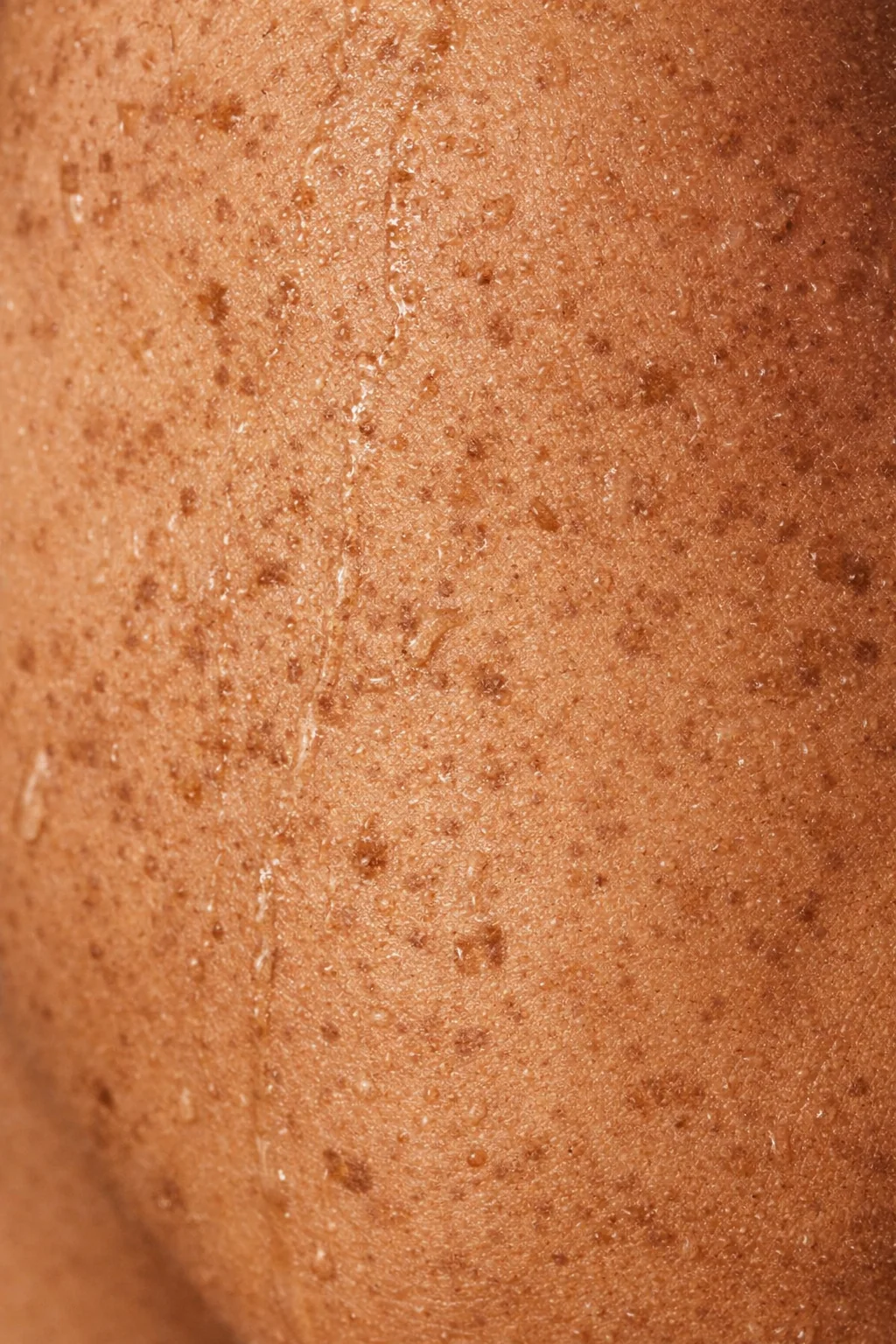
Pigmentation treatment refers to the ways clinicians (often dermatologists or medically trained practitioners) help reduce **areas of uneven skin tone, dark spots, melasma or hyperpigmentation**. Pigmentation happens when your skin makes too much melanin in patches from things like sun damage, hormones (eg melasma), inflammation after acne, age or genetics. Treatments vary from **laser/light therapies** that break up melanin so the body clears it naturally, to **chemical peels** that remove pigmented cells, to **topical prescriptions** (like hydroquinone or tranexamic acid) that slow melanin production. The tech differs in depth and how aggressively it targets pigment, but many work by either **targeting melanin with light/energy** or **modulating the chemical pathways of pigment production**.
Goals of Pigmentation Treatment treatment
- Reduce visible dark patches and even out skin tone.
- Target excess melanin safely and encourage the body to eliminate pigment.
- Improve overall skin texture and appearance while reducing future pigment buildup.
- Tailor a plan that fits your skin type, lifestyle and trigger factors (like UV exposure or hormones).
Treatment Options
- Professional **laser/light therapies** (eg BBL, picosecond lasers) are more targeted and deeper than many over-the-counter products.
- Chemical peels exfoliate superficial pigmented cells faster than normal skincare routines.
- Topical products (like hydroquinone, retinoids, vitamin C) are gentler and slower but valuable for maintenance and mild cases.
- Home remedies and basic skincare might help mild discolouration, but they rarely match professional outcomes for moderate to severe pigmentation.
Pros
- Laser and light treatments can deliver **quick and noticeable results**, especially for stubborn spots.
- A good plan combines approaches (lasers, peels, creams) that work at different levels for better outcomes.
- Non-invasive and often minimal downtime compared with surgical options.
- Professional assessment helps tailor treatment to your exact pigmentation type.
Cons
- Results vary and sometimes multiple sessions over weeks or months are needed.
- Some lasers or peels can cause temporary irritation, redness, or **darkening before fading**.
- Not all pigmentation types are equally responsive (melasma can be stubborn).
- If sun exposure isn’t controlled, pigment can come back after treatment.
Candidate & Preparation
Who is a Good Candidate
- People with **sun spots, age spots, melasma or post-inflammatory pigment** that hasn’t responded to basic skincare.
- Those willing to commit to sun protection and follow-up plans.
- Individuals whose pigment is diagnosed properly so treatment fits their skin tone and condition.
- Not ideal if you have active skin infection, recent sunburn or certain photosensitive conditions without clinical clearance.
Appointments & Safety
What Happens During Appointment
It depends on the method: **laser/light sessions** often take 15–35 minutes, with consultation and prep included. Chemical peels may take a similar appointment length, while bespoke facials might run 45–90 minutes. You chat about history, protect eyes/skin, then the device/peel is applied.
Pain Level
It varies by modality. Many laser/light treatments feel like a warm snapping or tingling, often described as mild to moderate discomfort. Chemical peels can cause tingling or burning during application. Numbing and cooling help manage this in most clinics.
Safety Considerations
- Laser/light treatments and stronger peels have risk of **temporary redness, swelling or darkening before improvement** if parameters aren’t right.
- Choosing a provider not versed in darker skin tones can increase the risk of paradoxical pigmentation changes.
- Post-treatment, strict sun protection is essential to prevent recurrence.
Cost & Access
Typical Prices
There’s a **huge price range** depending on treatment type and clinic. Some clinics charge around **GBP 350 to 450 per session of advanced laser**, with package deals lowering per-session cost over 3–6 visits (eg GBP 1,049 for 3 sessions at one London clinic). Other bespoke facials for pigmentation might be around **GBP 450 per session**. In boutique plans you’ll see things like Cosmelan peel at **~GBP 1,650** or Dermamelan at **GBP 1,200**, and more complex laser/melasma plans in the GBP 750+ to GBP 1,200+ range depending on size and sessions. Consultations themselves often cost around **GBP 250 to 315**.
Why Prices Vary
- Type of treatment (laser technology, peels, facials, or prescription chemistry).
- Number of sessions required based on pigment severity and skin type.
- Clinic location (central London tends to be pricier) and practitioner experience.
- Whether consultation, patch test, aftercare or topical prescriptions are included.
Results & Maintenance
How Long Results Last
Results can be **long-lasting** if sun protection and maintenance skincare are followed, but pigmentation can reappear over time if triggers (sun, hormones) aren’t managed. Multiple sessions spaced weeks apart often build the best outcome, and ongoing sun care is part of keeping results.
Maintenance Requirements
- Most people benefit from a **course of sessions** 3–6 spaced 2–4 weeks apart for best results.
- Periodic maintenance sessions or ongoing skincare (topical brighteners, SPF) help prevent pigment returning.
Regulation & Guidelines
Guidelines
There’s no single NICE guideline entirely about pigmentation, but NICE and MHRA oversee **dermatology practice and medical devices**. Laser/light devices must meet regulatory safety standards, and dermatologists follow clinical guidance on managing hyperpigmentation appropriately.
What to Do If Something Goes Wrong
Regulation
The **equipment** used (lasers, light devices) are regulated as medical devices and practitioners should follow safety standards. Medical dermatology care is regulated by professional bodies (eg GMC). The industry has grey areas — some non-medical providers also offer cosmetic lasers — so qualifications and proper clinic licensing matter.
Complaints
If something goes wrong, raise it with the clinic’s complaints process, and if the issue is serious, you can contact regulators like the Care Quality Commission or professional bodies depending on who treated you.