Scarring

Scarring Treatment
Scarring Treatment Statistics and Key Information
- Patient Satisfaction Rate
- 95%
- Average Treatment Cost
- See provider pricing
- Number of Reviews
- 92941
- Treatment Downtime Duration
- Varies
- Number of Available Practitioners
- 1778
Overview
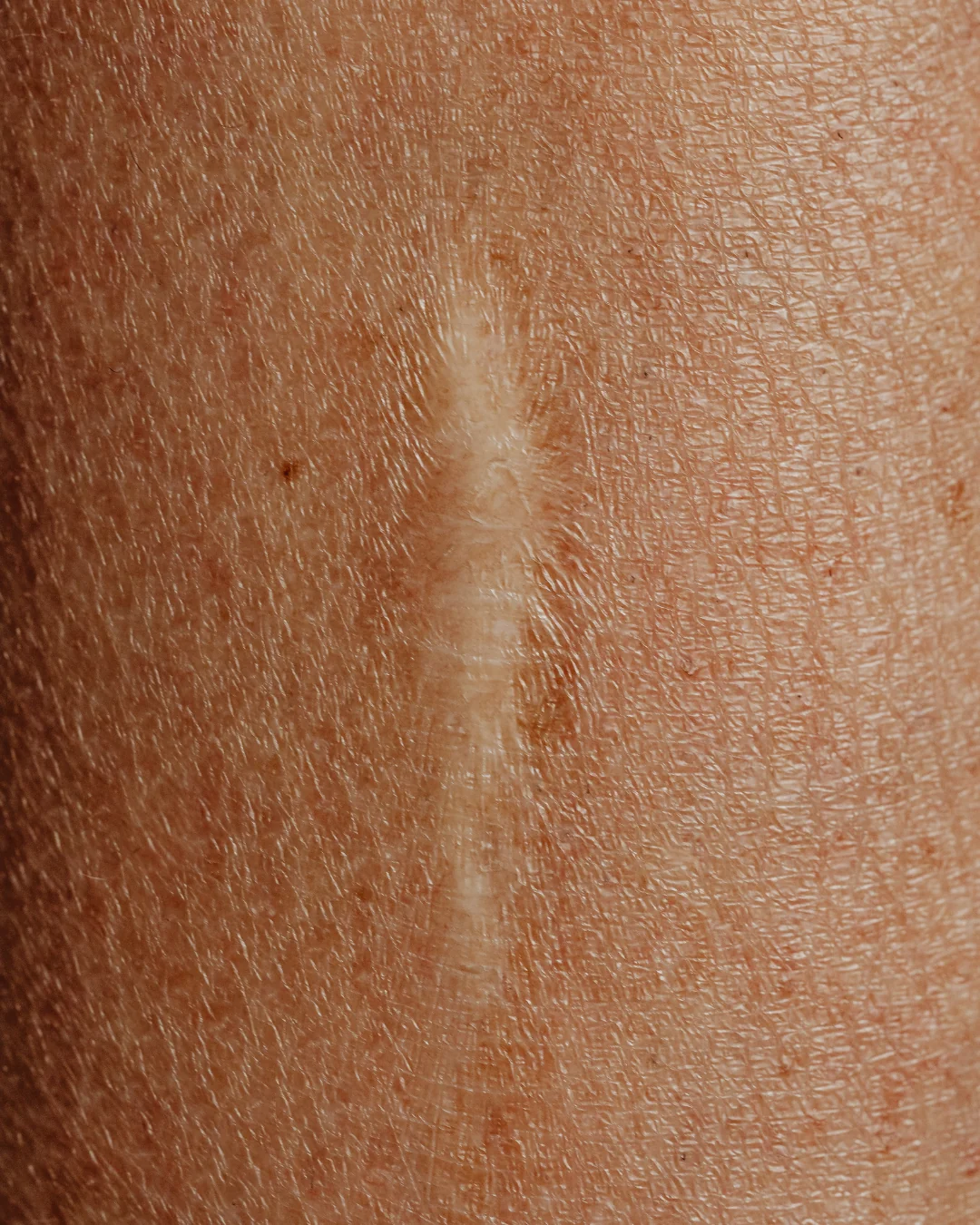
Scarring is what happens when your skin heals after an injury or trauma. When your skin gets damaged, your body rushes in white blood cells to clean up, then produces collagen to patch the area. But the collagen fibres don’t lay down in that neat, random basket weave we see in normal skin. Instead they align in one direction, forming fibrous scar tissue. That patch repairs the wound but often looks or feels different from the surrounding skin. Some scars are flat, some raised, some sunken, some red, some white. It’s just the way the body heals itself but it leaves a mark.
Goals of Scarring treatment
- In medical or cosmetic scar treatment it’s about reducing how obvious a scar is
- Improve colour, texture, thickness or shape of the scar tissue
- Restore a more normal appearance to the skin surface
- Sometimes relieve itching, tightness, or movement restriction if the scar affects function
- Help with psychosocial comfort by making scars less noticeable.
Treatment Options
- Non-invasive options like silicone gel sheeting and dressings are low-risk first steps, often recommended universally for hypertrophic or keloid scars.
- Injectables like steroid injections help flatten raised scars but can cause skin thinning in some cases
- Laser and resurfacing treat texture and pigmentation but often need multiple sessions
- Surgery (scar revision) is more aggressive but is reserved for complex scars and may still leave a smaller, cleaner scar.

Pros
Cons
Candidate & Preparation
Who is a Good Candidate
How to Prepare for Appointment
- Let wounds heal fully before starting treatments
- Follow clinician advice on skin care and sun protection
- Avoid tobacco, poor nutrition that may slow healing
- Discuss medications that affect bleeding or healing before surgical options
Appointments & Safety
What Happens During Appointment
- Consultation and assessment of scar type, history, expectations
- Non-invasive: application of silicone dressings or topical advice
- Injectables: steroid or other agents directly into scar tissue
- Laser: targeted energy to remodel tissue (30 minutes to 1 hour typically)
- Surgical revision: excision and closure by a surgeon (longer).
Cost & Access
Typical Prices
- Simple clinic consultation roughly GBP 100-GBP 200
- Steroid injections around GBP 250-GBP 300 each session
- Laser sessions GBP 400-GBP 990 per session or more for advanced CO2 lasers
- Scar revision surgery from around GBP 500 up to GBP 3,500 or more depending on complexity
- Packages for multiple laser sessions can be thousands (GBP 2,000-GBP 7,500) for moderate-severe acne scarring in London.
Why Prices Vary
- Severity and type of scar
- Size and location of treatment area
- Clinic location (London tends to be higher)
- Experience and medical credentials of practitioner
- Technology used (advanced fractional CO2 lasers usually cost more)
- Number of sessions required.
What to Look for When Choosing a Doctor or Clinic
- A qualified dermatologist or plastic surgeon with scar management experience
- Membership in UK professional bodies (British Association of Dermatologists etc)
- Before/after photos of similar scars they’ve treated
- Clear discussion of realistic outcomes, risks, and costs
- Good aftercare support and honest consent process
Results & Maintenance
How Long Results Last
- Treatments aim to improve appearance long-term; many changes are permanent but some modalities require repeated sessions for maintenance
- Natural fading continues for up to 2 years after injury even without active treatment.
Maintenance Requirements
Many treatments (like laser or injections) may need multiple sessions spaced weeks apart and occasional follow-ups depending on scar response.
Regulation & Guidelines
What to Do If Something Goes Wrong
Complaints
Document issues, seek medical review, and consider formal complaints or escalation to professional bodies if negligent care is suspected.