Varicose Vein Procedure

Varicose Vein Procedure Treatment
Varicose Vein Procedure Treatment Statistics and Key Information
- Patient Satisfaction Rate
- 95%
- Average Treatment Cost
- See provider pricing
- Number of Reviews
- 219
- Treatment Downtime Duration
- Walking encouraged immediately after treatment
- Number of Available Practitioners
- 1
Overview
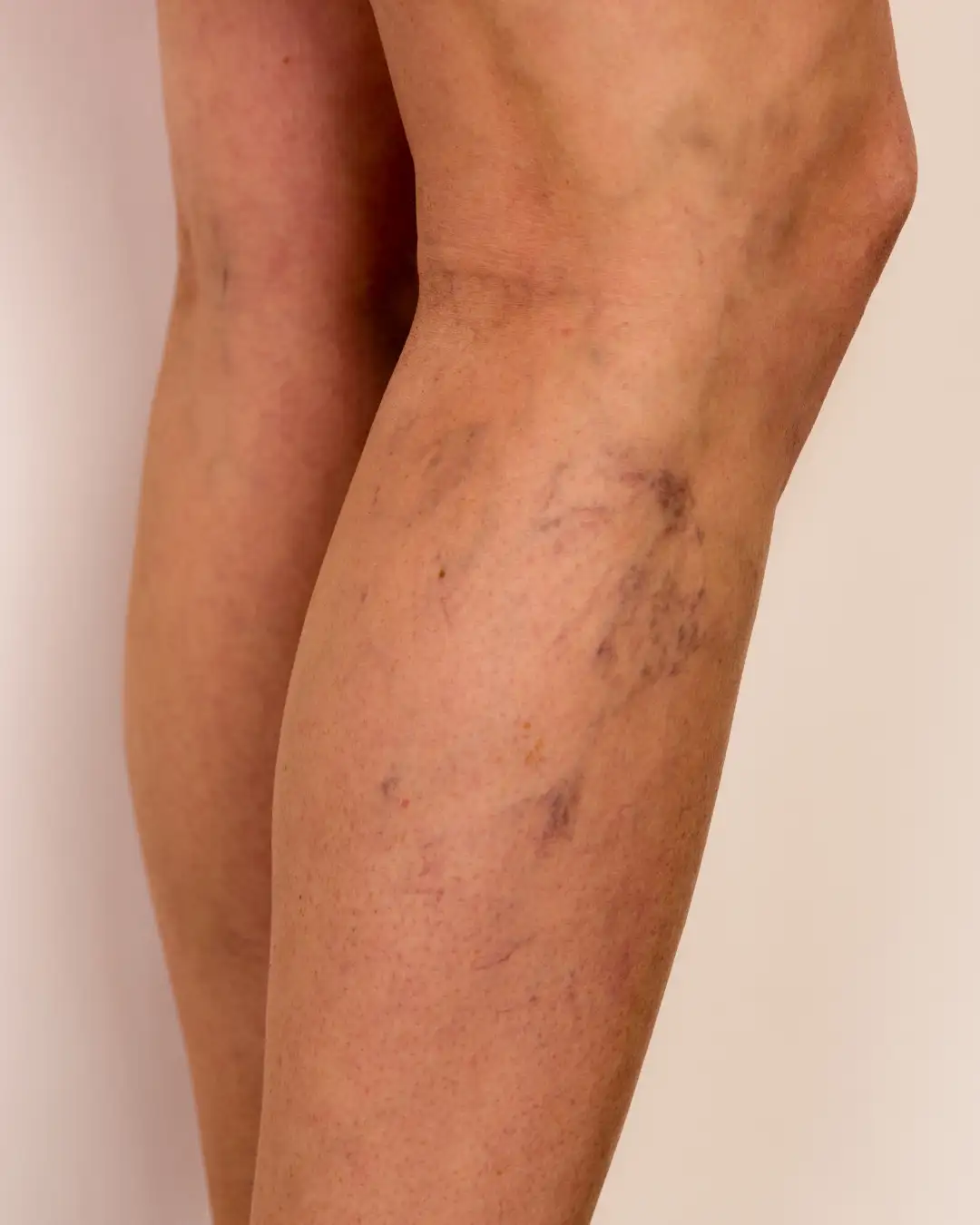
A varicose vein procedure is medical treatment for veins that have stopped working properly. Normally, veins have valves that push blood back up toward the heart. In varicose veins, those valves fail, blood pools, pressure builds, and the vein becomes enlarged, twisted, and visible. Modern procedures don’t usually involve stripping veins out anymore. Instead, they close the faulty vein so blood reroutes through healthier ones. Common methods include endovenous laser ablation (EVLA), radiofrequency ablation (RFA), foam sclerotherapy, and sometimes surgical ligation. Once the vein is closed, the body gradually absorbs it. ([nhs.uk](https://www.nhs.uk/conditions/varicose-veins/))
Goals of Varicose Vein Procedure treatment
- Relieve symptoms like aching, heaviness, swelling, itching, or cramps
- Prevent complications like skin damage, ulcers, or clotting
- Improve circulation efficiency in the legs
- Reduce visible bulging veins for comfort and confidence
- Lower long-term recurrence risk by treating the underlying reflux
Severity Levels
Treatment Options
Pros
- Addresses the root cause rather than just cosmetic appearance
- Minimally invasive techniques with local anaesthetic
- High success rates when ultrasound-guided
- Often same-day discharge and quick return to activity
Cons
- Bruising, tenderness, or tightness during healing
- Small risk of nerve irritation or clotting
- Some people develop new varicose veins over time
- Cosmetic improvement may take weeks to months
Candidate & Preparation
Who is a Good Candidate
- People with symptomatic varicose veins affecting daily life
- Those with skin changes, eczema, or ulcers from venous disease
- Patients with confirmed venous reflux on ultrasound
- Not everyone with visible veins needs treatment if asymptomatic
Appointments & Safety
What Happens During Appointment
After ultrasound mapping, the vein is accessed through a tiny puncture. A catheter delivers laser or radiofrequency energy to seal it. Foam injections may treat side branches. The procedure usually takes 30–90 minutes. Most patients walk out shortly after. ([nhs.uk](https://www.nhs.uk/conditions/varicose-veins/))
Cost & Access
Typical Prices
- Private varicose vein treatment in the UK often ranges GBP 1,500 to 3,500 per leg
- Ultrasound assessment alone can be GBP 200 to 350
- Foam sclerotherapy sessions may cost GBP 250 to 600 each
Why Prices Vary
- Type of procedure (EVLA, RFA, foam, surgery)
- One leg vs both legs
- Severity and length of affected veins
- Consultant experience and clinic location
- Whether scans, follow-ups, and stockings are included
Results & Maintenance
How Long Results Last
Treated veins usually stay closed permanently. However venous disease is progressive, so new veins can develop over years. Long-term success depends on treating reflux properly and ongoing leg care. Many people have lasting symptom relief for 5–10 years or more. ([nice.org.uk](https://www.nice.org.uk/guidance/cg168))
Maintenance Requirements
Not routine maintenance, but follow-up scans are common. Some people need additional foam sessions for residual veins. Long-term monitoring helps catch new reflux early.
Regulation & Guidelines
Guidelines
Yes. NICE guideline CG168 clearly recommends endothermal ablation as first-line treatment for varicose veins, followed by foam sclerotherapy or surgery if unsuitable. MHRA regulates devices used in treatment. These guidelines shape standard UK care. ([nice.org.uk](https://www.nice.org.uk/guidance/cg168))

What to Do If Something Goes Wrong
Varicose vein treatment is regulated medical care. Clinics are overseen by the Care Quality Commission and practitioners by GMC or relevant bodies. NICE provides clinical guidance. If issues arise, start with the clinic and escalate to CQC or GMC if unresolved. ([cqc.org.uk](https://www.cqc.org.uk))