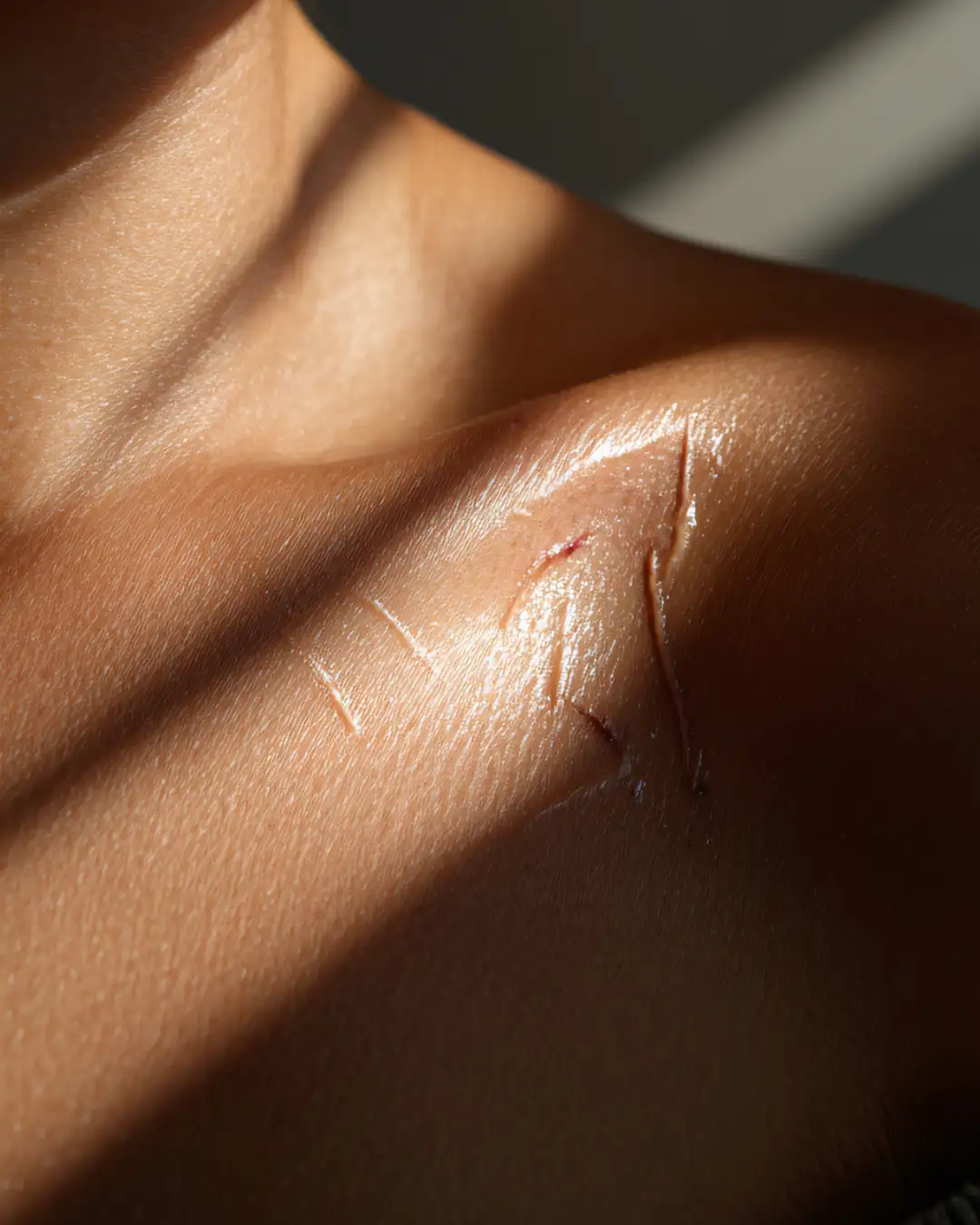
Keloid Removal
Keloid Removal Treatment
Keloid Removal Treatment Statistics and Key Information
- Patient Satisfaction Rate
- 95%
- Average Treatment Cost
- See provider pricing
- Number of Reviews
- 11642
- Treatment Downtime Duration
- Varies by treatment
- Number of Available Practitioners
- 120
Overview
Keloid removal refers to medical treatments aimed at reducing or eliminating keloid scars, which are raised scars that grow beyond the original wound. Keloids form because of an overactive healing response where fibroblasts keep producing lots of collagen and it doesn’t stop, so the scar grows outward. Treatments vary from steroid injections to surgery, cryotherapy, laser, and combinations of approaches. None are perfect, and recurrence is common, so often doctors combine techniques to get the best outcome.
Goals of Keloid Removal treatment
- Reduce the size and prominence of the keloid scar
- Improve cosmetic appearance and skin texture
- Alleviate symptoms such as itchiness, tenderness or discomfort
- Prevent or minimise recurrence as much as possible
- Improve mobility and function if scar limits movement
Treatment Options
- Steroid injections or cryotherapy are non-surgical and minimal downtime but usually need multiple sessions.
- Silicone gel sheets and pressure therapy are non-invasive, used for months, and have evidence for helping flatten scars.
- Laser therapy can refine texture and colour and is often combined with other treatments.
- Surgical excision gives immediate removal but has higher recurrence risk without adjunctive therapy.
Pros
Cons
Candidate & Preparation
Who is a Good Candidate
How to Prepare for Appointment
- Have a consultation to map out which combination of therapies is best for your scar
- Discuss medications, allergies, and skin history with your clinician
- Avoid aggressive skin trauma at the site before treatment
- Ask how many sessions you might need
Appointments & Safety
What Happens During Appointment
- Initial assessment and discussion of goals and treatment plan
- Steroid injection or cryotherapy might be done in minutes in an outpatient setting
- Surgical excision requires local anaesthetic and careful removal plus closure, which may take longer
- Laser sessions usually take 15-45 minutes depending on size and area
Cost & Access
Typical Prices
- Steroid injections: roughly GBP 115 to GBP 350 per session depending on amount and clinic.
- Cryotherapy: about GBP 150-GBP 255 per session.
- Laser therapy: from GBP 200 up to GBP 600+ per session.
- Surgical removal: from around GBP 175 up to over GBP 2,000 for complex cases or specialised clinics.
- Consultations often cost GBP 90 to GBP 225 or more, sometimes redeemable against treatment.
Why Prices Vary
- Size, location and complexity of the keloid
- Treatment type used (less invasive vs surgery vs combination)
- Clinic location and reputation (central London tends to be higher)
- Practitioner expertise and technology involved
- Number of sessions recommended
What to Look for When Choosing a Doctor or Clinic
- A dermatologist or plastic surgeon with specific experience treating keloids
- Good before/after photos and honest discussion of recurrence risk
- Transparent breakdown of multiple options and why a specific plan is chosen
- Clear aftercare instructions and follow-up availability
- Clinic registration and professional credentials
Qualifications Practitioner Should Have
Results & Maintenance
How Long Results Last
Results vary. Some people have long-term flattening and less noticeable scars, but keloids frequently recur, especially if treated surgically without adjunct therapies. Continued maintenance measures like silicone or injections can help prolong improvements.
Maintenance Requirements
Yes. Steroid injections, cryotherapy, laser and other therapies often need multiple sessions spaced weeks apart, and follow-ups are common to monitor for recurrence or further flattening.
Regulation & Guidelines
What to Do If Something Goes Wrong
Regulation
The treatments are provided within healthcare settings. Medicines and devices have regulatory oversight (MHRA), and clinics should be registered with relevant regulators like Care Quality Commission in England. Practitioners should be on professional registers.
Complaints
Contact your clinician promptly, document responses, and use clinic complaints processes or professional regulators if care quality is concerning.