Microneedling with Radiofrequency

Microneedling with Radiofrequency Treatment
Microneedling with Radiofrequency Treatment Statistics and Key Information
- Patient Satisfaction Rate
- 95%
- Average Treatment Cost
- GBP 200
- Number of Reviews
- 12891
- Treatment Downtime Duration
- Varies
- Number of Available Practitioners
- 223
Overview
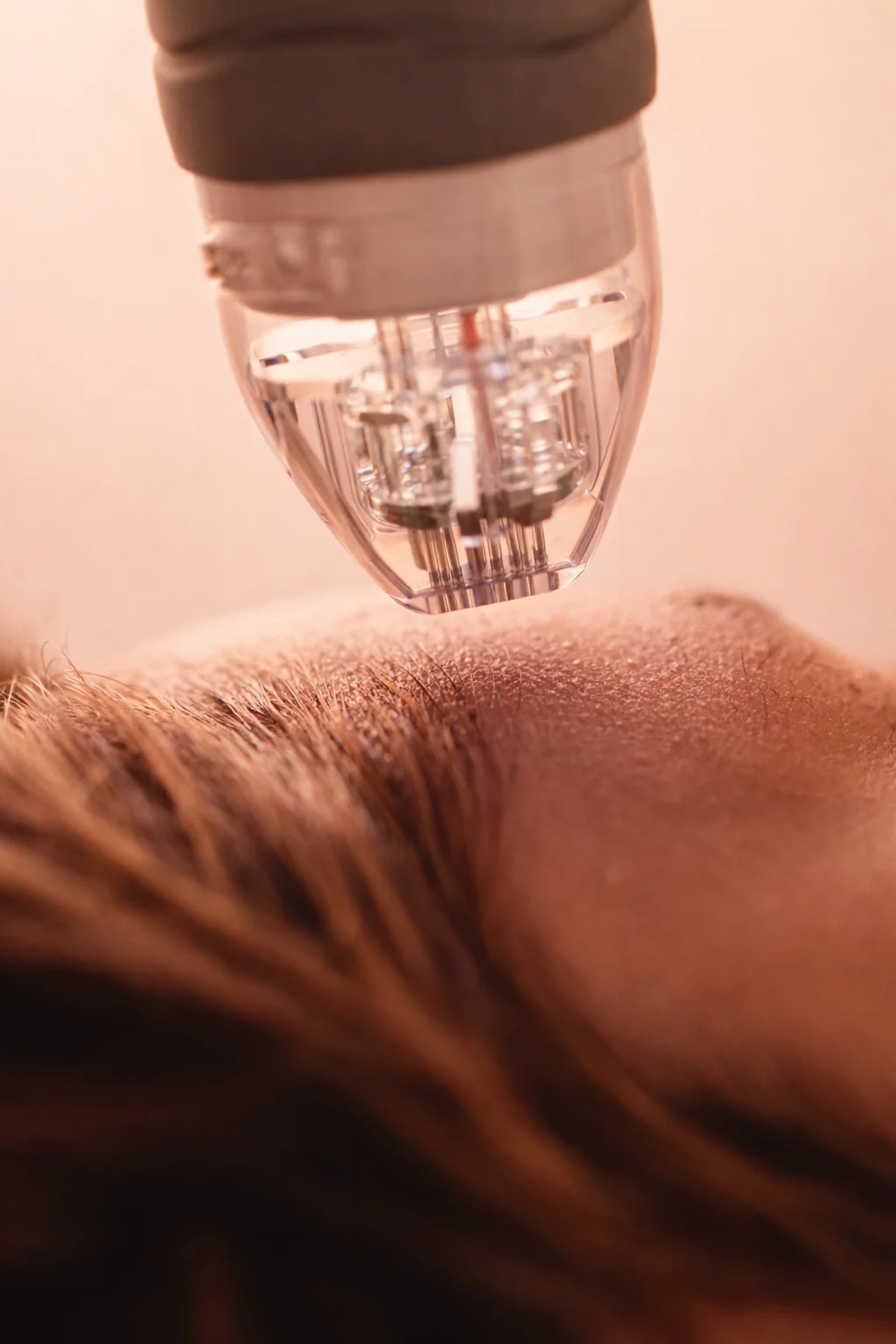
Microneedling with radiofrequency (often called RF microneedling) is like traditional microneedling but with a heat twist. Tiny, sterilised needles poke controlled micro-injuries into your skin while at the same time delivering radiofrequency energy to the deeper dermal layers. That combo tells your body to kick its natural wound-healing into high gear, producing more collagen and elastin and tightening up skin over time. The radiofrequency part heats deep tissue without blasting the surface, so you get deeper stimulation without huge surface damage. ([turn0search0][turn0search1][turn0search5])
Goals of Microneedling with Radiofrequency treatment
- Stimulate collagen and elastin production more intensely than traditional needling alone. ([turn0search0][turn0search5])
- Improve skin firmness and elasticity, helping with sagging or laxity.
- Smooth wrinkles, fine lines, and uneven texture. ([turn0search10])
- Reduce the appearance of scars (like acne or stretch marks) and large pores. ([turn0search5][turn0search10])
- Even out skin tone and help improve mild pigmentation or skin quality issues.
Treatment Options
- Regular microneedling doesn’t have the heat component, so it’s a gentler but less deep option. RF adds tightening and deeper collagen stimulation. ([turn0search35])
- Standalone radiofrequency (without needles) heats skin but doesn’t create microchannels, so results are often different; the combo can be more effective for texture and laxity. ([turn0search22])
- Laser skin resurfacing hits surface and deeper layers but is typically more aggressive and can have longer downtime and pigmentation risk.
- Chemical peels exfoliate chemically but don’t give the same deep collagen stimulation that RF microneedling targets.
Pros
- Delivers deeper stimulation than regular microneedling, so results can be stronger for tightening and contouring. ([turn0search0][turn0search5])
- Can work well on many skin types since it doesn’t rely on intense light energy (useful for darker tones). ([turn0search0][turn0search5])
- Targets multiple concerns in one: texture, laxity, scars, lines. ([turn0search10])
- Downtime is usually short compared with surgical options.
Cons
- Not instant; you often see progress over weeks to months as collagen builds. ([turn0search1])
- More costly than basic microneedling because of the added tech. ([turn1search0][turn1search2])
- Like any device that uses heat and needles, there’s risk of irritation, redness and, in rare cases, burns or scarring if poorly done. The FDA has even issued a warning about possible serious adverse events. ([turn0news36][turn1search5])
- Results vary and sometimes require multiple sessions for noticeable change.
Candidate & Preparation
Who is a Good Candidate
- People with fine lines, mild to moderate wrinkles, uneven texture or scars. ([turn0search5][turn0search10])
- Those with sagging or lax skin who want a non-surgical tightening boost. ([turn0search13])
- Most skin tones can be treated because RF doesn’t rely on light that can interact with melanin like lasers do. ([turn1search4])
- Not suitable for people with active infection, untreated severe acne, certain skin diseases, or conditions that affect wound healing without clinical clearance.
Appointments & Safety
What Happens During Appointment
You usually have a consultation first, then skin cleansing, topical anaesthetic applied, and the RF microneedling device is guided over the treatment area to create micro-injuries with simultaneous RF delivery. Sessions vary by area but often take roughly 30–60 minutes depending on the extent of treatment. Many clinics include a post-treatment calming mask or serum. ([turn1search6])
Pain Level
It’s usually described as mild to moderate pressure or heat, and clinics typically apply topical anaesthetic beforehand. Most people tolerate it without intense pain, though soreness and warmth are common.
Safety Considerations
- RF microneedling uses heat and needles so precise depth control and trained usage are critical to reduce risks. The FDA has warned that serious risks like burns, scarring and even nerve damage have been reported, especially if devices are not used correctly. ([turn0news36][turn1search5])
- Check that the device is medical grade and procedures are in a regulated clinical setting.
- Discuss skin type and pigmentation concerns, since post-inflammatory pigmentation can happen if aftercare is poor.
Cost & Access
Typical Prices
Prices in the UK for RF microneedling can range a lot depending on area and provider. Some clinics list RF treatments from around GBP 200 to 250 for small areas and from GBP 395 to 750 or more for full face and neck per session, and package deals for 3 or more sessions can stretch into the thousands (e.g. GBP 1,350 to 3,120 for full face & neck over multiple sessions). ([turn1search0][turn1search2][turn1search13])
Why Prices Vary
- Clinic location and overheads (London tends to be pricier). ([turn1search0])
- Device technology and brand used (some clinics use premium machines like Morpheus8 or other RF systems). ([turn1search13])
- Number of areas treated and session packages versus single treatments. ([turn1search2])
- Practitioner experience and reputation.
Results & Maintenance
How Long Results Last
Results accumulate over weeks to months as new collagen and elastin form. You might see initial tightening soon after, and improvements can continue out to several months. Many clinics recommend maintenance sessions to sustain firmness and texture improvement over time.
Maintenance Requirements
- Most clinics recommend a course of 3 or more sessions spaced weeks apart for best results, and then less frequent maintenance (maybe once or twice yearly) depending on ageing signs and goals. ([turn1search17])
- Some people revisit RF microneedling annually to keep firmness and texture improvements going.
Regulation & Guidelines
Guidelines
There isn’t a dedicated NICE guideline just focused on RF microneedling, but devices used are regulated as medical devices by MHRA in the UK. The FDA has issued safety communications about risks associated with RF microneedling in the U.S., and similar device oversight applies to RF microneedling tools marketed in the UK under CE/UKCA marks. The broader government is working on cosmetic procedure licensing frameworks that would cover hybrid treatments like this. ([turn1search1][turn1search5])
What to Do If Something Goes Wrong
Regulation
There’s no specific NICE guideline just for RF microneedling, and UK regulation of non-surgical cosmetic procedures is evolving. The government has proposed licensing schemes for procedures including hybrid technologies like RF microneedling, which would mean practitioners should meet agreed standards and have healthcare professional oversight. ([turn1search1])
Complaints
If you have a bad experience, first raise it with the clinic. For serious clinical concerns you can contact your local authority about licensing issues or professional regulators if the practitioner claims medical qualifications.