Seborrhoeic Dermatitis
Seborrhoeic Dermatitis Treatment
Seborrhoeic Dermatitis Treatment Statistics and Key Information
- Patient Satisfaction Rate
- 95%
- Average Treatment Cost
- See provider pricing
- Number of Reviews
- 434
- Treatment Downtime Duration
- Varies by treatment
- Number of Available Practitioners
- 37
Overview
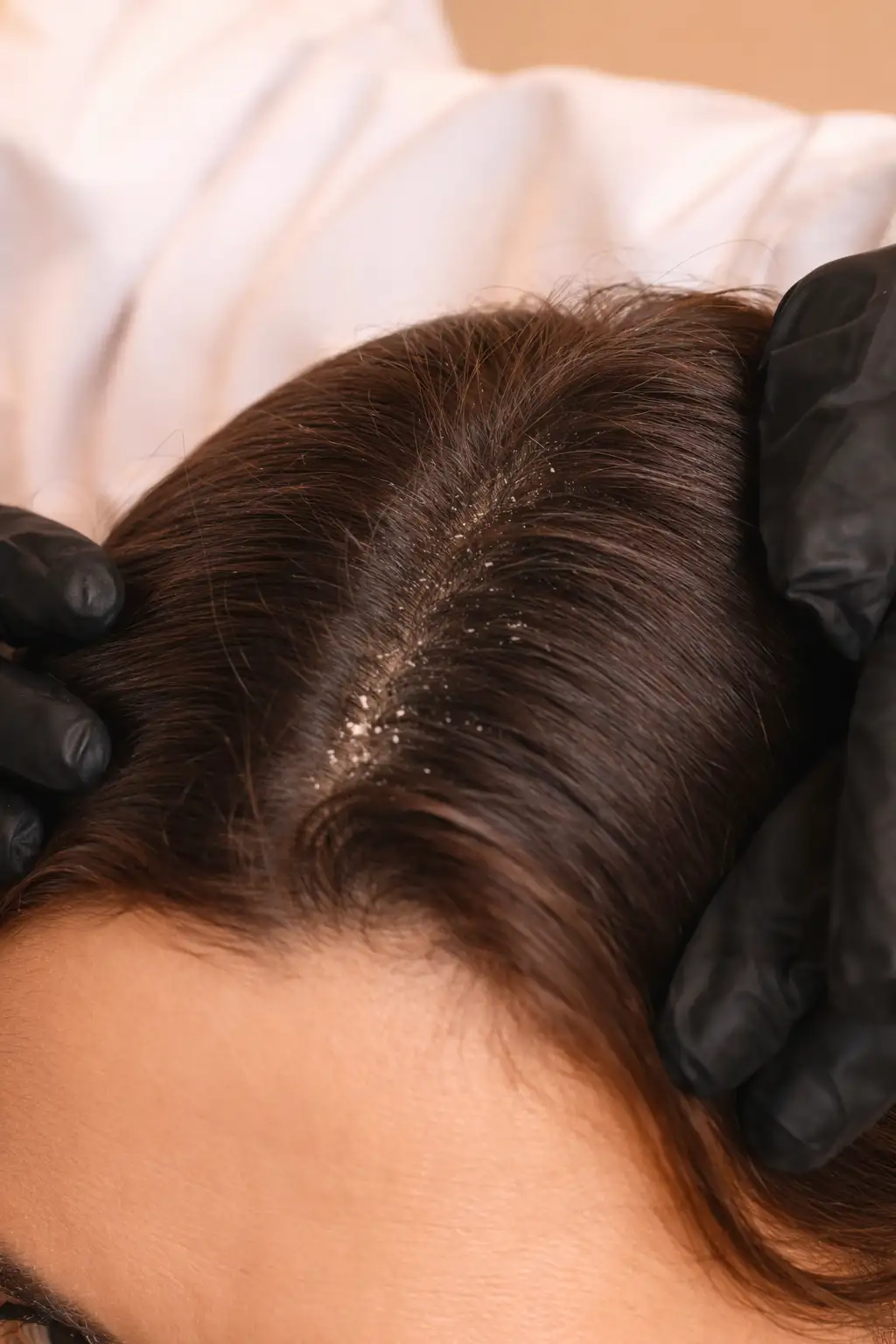
Seborrhoeic dermatitis is a common, chronic inflammatory skin condition that mainly affects areas rich in oil (sebaceous) glands like your scalp, face, chest, and sometimes body folds. It causes itchy, flaky, red or greasy patches of skin and can come and go over time. It’s not contagious and there’s no single known cause, but it seems tied to an immune reaction to a normally harmless yeast (Malassezia) and a messed-up skin barrier. Your skin’s oil and microbes interact in a way that triggers inflammation and flaking.
Goals of Seborrhoeic Dermatitis treatment
- Reduce itching, redness and flaky skin
- Control the overgrowth or activity of yeast on the skin
- Manage inflammation
- Prevent frequent flare-ups
- Improve comfort and quality of life
Treatment Options
- Most management is non-surgical. Topical antifungals and medicated shampoos are first-line and often work well.
- Alternative approaches like tea tree oil or probiotics are sometimes suggested but evidence is weaker than for medicated options.
- Laser or other physical interventions are not standard for routine seborrhoeic dermatitis
Candidate & Preparation
Appointments & Safety
What Happens During Appointment
- Clinician reviews history and symptoms
- Skin examination to confirm diagnosis and rule out similar conditions
- Discussion of treatment options (shampoos, creams, possible prescriptions)
- May take 15-30 minutes in a typical dermatology consultation
Cost & Access
What to Look for When Choosing a Doctor or Clinic
- A dermatologist or GP with experience in chronic skin conditions
- Good patient communication about long-term management rather than expecting a cure
- Clear discussion of pros and cons of treatments like antifungals, steroids, and maintenance plans
- Check reviews or ask about outcomes from other patients
- Where applicable, check that the clinic is registered and regulated
Results & Maintenance
Maintenance Requirements
Yes. Many people need ongoing or intermittent use of medicated shampoos or topical treatments to keep symptoms at bay, often weekly or as advised.
Regulation & Guidelines
What to Do If Something Goes Wrong
Regulation
Seborrhoeic dermatitis is diagnosed and treated within NHS and private dermatology systems; drugs like ketoconazole are regulated by MHRA as medicines and clinicians operate under UK healthcare regulation.
Complaints
If a treatment causes unexpected harm, contact your GP or dermatologist promptly; adverse reactions to medicines can be reported via the Yellow Card scheme (MHRA reporting).