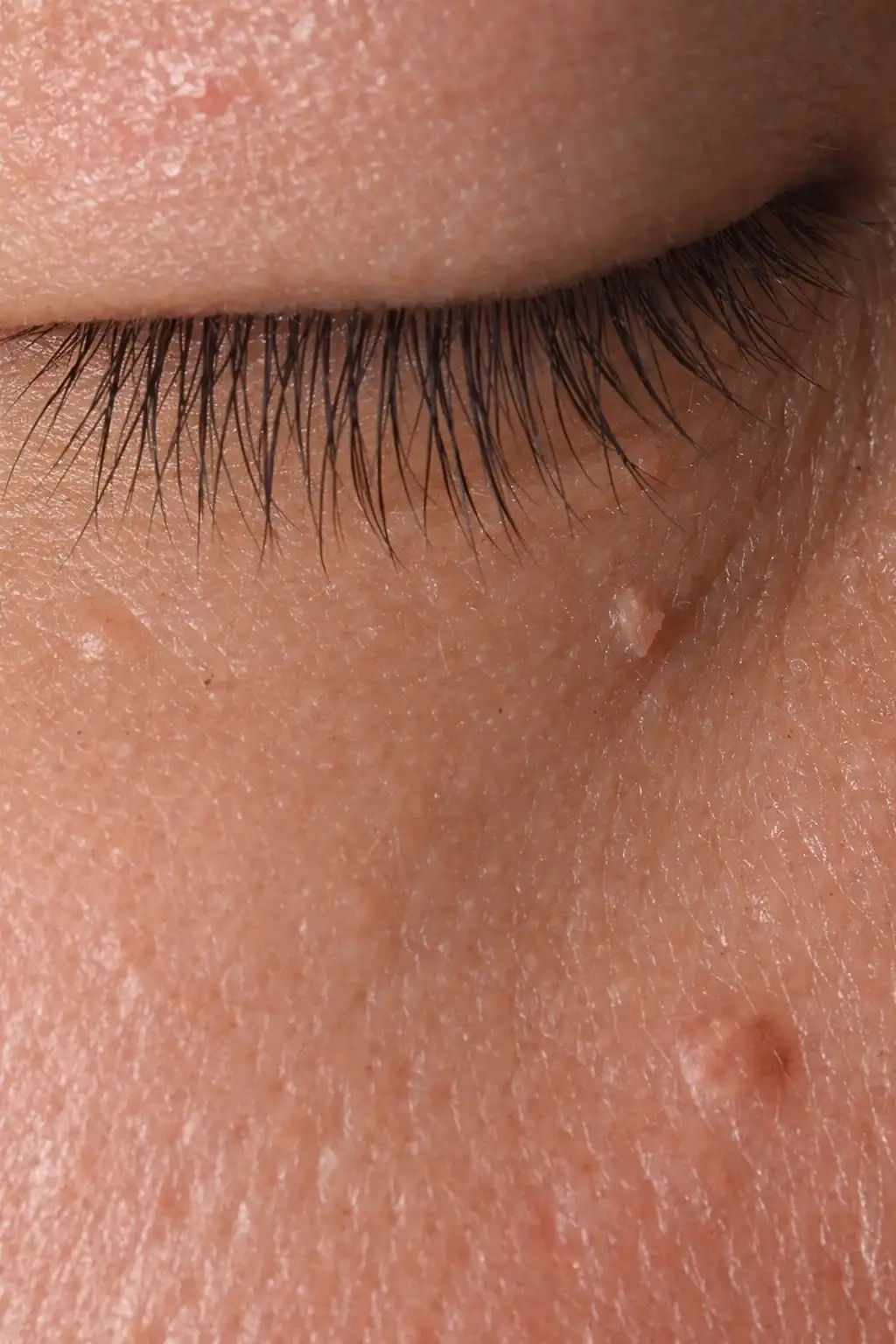
Skin Tags

Skin Tags Treatment
Skin Tags Treatment Statistics and Key Information
- Patient Satisfaction Rate
- 95%
- Average Treatment Cost
- See provider pricing
- Number of Reviews
- 11373
- Treatment Downtime Duration
- Most people have minimal downtime; small redness or scab for a few days
- Number of Available Practitioners
- 209
Overview
Skin tags are basically small, soft, benign growths of skin that hang off the surface by a little stalk. Medically they’re called acrochordons and they’re made up of a core of blood vessels and collagen with skin over the top. They tend to crop up where skin rubs against skin or clothes, like the neck, underarms, groin or eyelids. They’re not cancerous and they don’t ‘spread’ the way a disease does; they just appear more often with age, friction, genetics, obesity and sometimes hormonal shifts. You can have loads or just one and most folks will get at least one in their life. ([turn0search46](turn0search46))
Goals of Skin Tags treatment
- Confirm what the bump really is, because looking at skin can be tricky
- Remove them if they’re irritating, catching on clothes or jewelry, or just annoying you
- Do it safely so there’s minimal scarring or complications
- Make sure removal doesn’t miss a more serious lesion that looks similar
Severity Levels
Treatment Options
Pros
- They’re harmless and usually don’t need any treatment at all
- Professional removal is quick, often just minutes
- Multiple techniques exist so the clinician can pick what’s best for you
Cons
- They can be cosmetically bothersome or uncomfortable if rubbed or snagged
- Removal usually isn’t covered by NHS because it’s cosmetic, so you pay privately ([turn0search2](turn0search2))
- Home removal attempts can lead to bleeding, infection or mis-diagnosis
Candidate & Preparation
Who is a Good Candidate
- Anyone who has one or more skin tags that bother them physically or cosmetically
- People who want a professional check to make sure it’s benign
- Those without bleeding disorders or severe skin conditions that might complicate removal
- Those willing to avoid DIY cutting or unregulated salon removals

Appointments & Safety
What Happens During Appointment
You’ll get a quick look first to confirm it’s a skin tag and not something else. Then depending on method you might have it snipped off after local anaesthetic, frozen with cryotherapy, burned off or lasered. The actual removal per tag often takes minutes; whole appointment including consult and prep might be ~15–30 minutes. Histology isn’t usually needed unless there’s doubt. ([turn0search5](turn0search5), [turn0search28](turn0search28))
Cost & Access
Typical Prices
- Small clinics might charge around GBP 25 for a tiny tag, or up to GBP 50 for multiple small tags removed together ([turn0search1](turn0search1), [turn0search26](turn0search26))
- More comprehensive private dermatology clinics often quote around GBP 100 to 500 per tag depending on size and method ([turn0search8](turn0search8), [turn0search12](turn0search12))
- Specialised clinics can go higher, for example around GBP 395 per tag using certain devices with additional fees for extras ([turn0search4](turn0search4), [turn0search23](turn0search23))
Why Prices Vary
- Method used (cryotherapy, excision, laser, cautery)
- Number of tags and complexity
- Location of the tag (eyelid or genital skin tags can cost more)
- Clinic reputation, practitioner experience, and what’s included (consultation, aftercare)
- Whether histology or extra testing is needed
Results & Maintenance
How Long Results Last
Once a tag is removed properly, it usually doesn’t grow back in the exact spot, though new skin tags can appear elsewhere over time because the underlying predisposition isn’t changed. ([turn0search12](turn0search12))
Maintenance Requirements
No routine ‘maintenance’ like in cosmetic stuff. Once removed that tag is gone. But you might get new tags later and choose to have them removed. That’s entirely up to you and how you feel about them.
Regulation & Guidelines
Guidelines
There aren’t specific NICE guidelines just for skin tags because they’re benign and very common, but suspected malignant lesions or uncertain ones get handled under NICE skin cancer guidance. MHRA regulates medical devices used in clinics. General standards for safe practice apply.
What to Do If Something Goes Wrong
Skin tag removal is medical practice and should be done in CQC-registered clinics by trained professionals. If something goes wrong (infection, unexpected scarring, misdiagnosis) start with the clinic’s complaints process and escalate to the Care Quality Commission or GMC if needed. Lesions suspicious of malignancy get referred under NHS/NICE skin cancer pathways. ([turn0search3](turn0search3), [turn0search10](turn0search10))