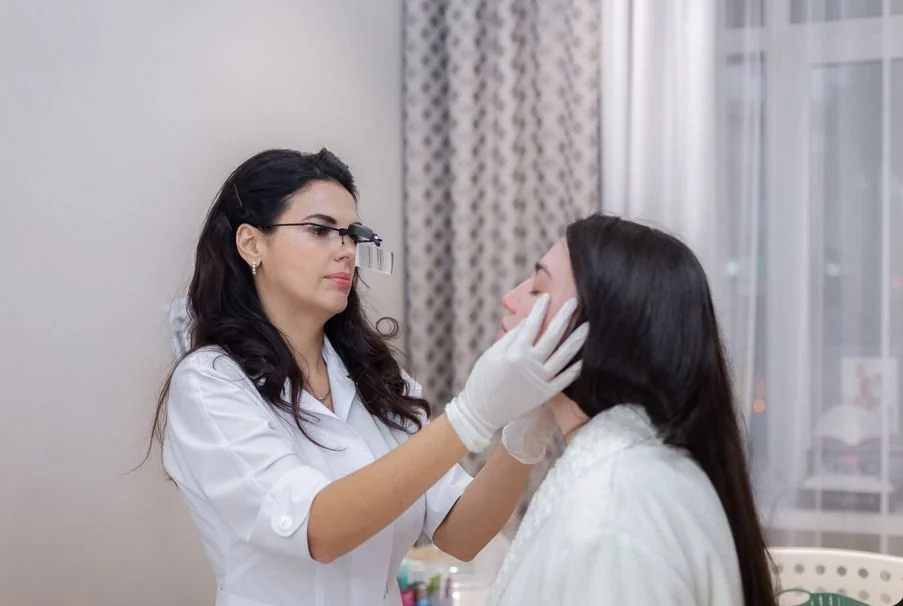
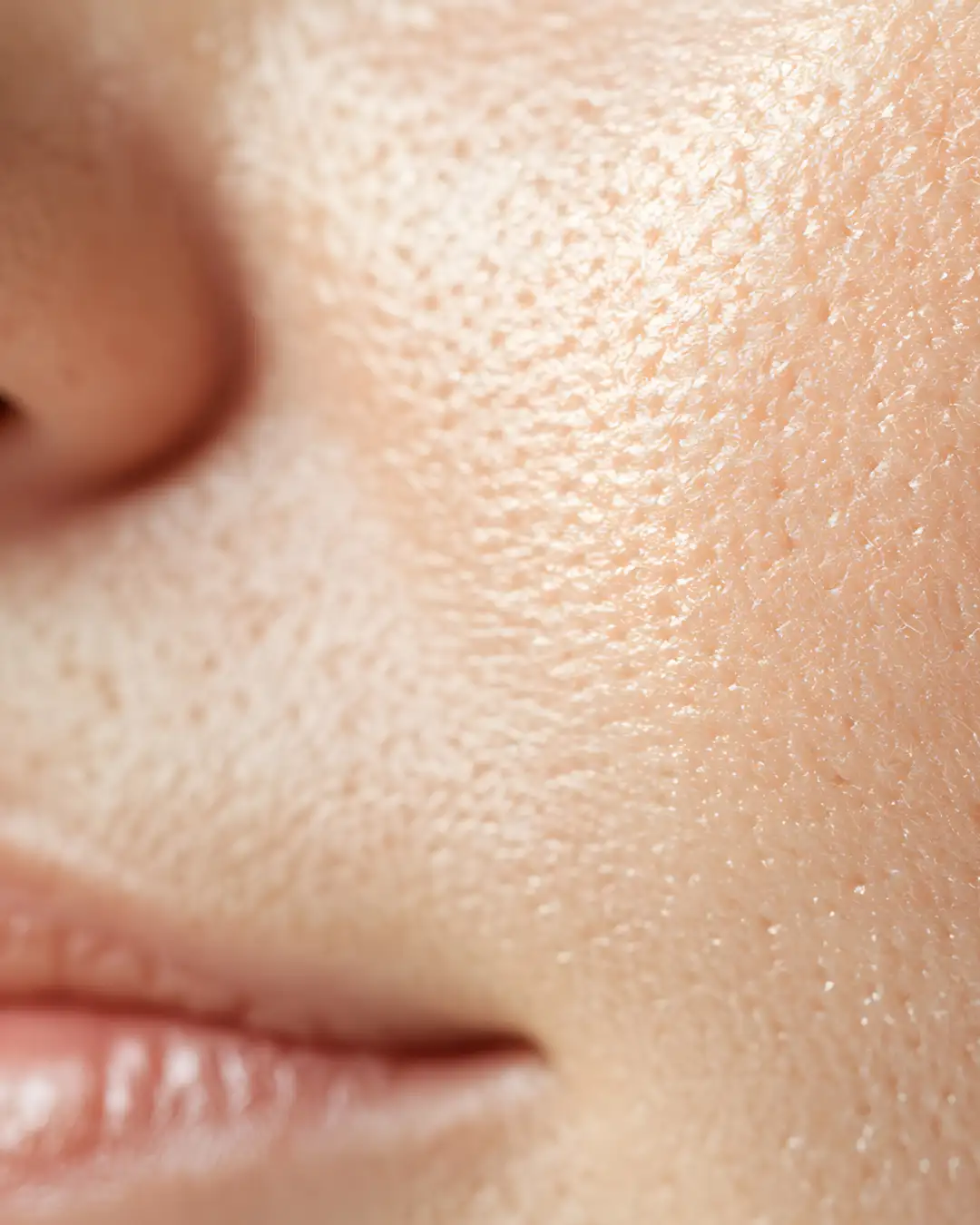
Polynucleotide treatment is a **regenerative injectable therapy** made from purified DNA fragments, usually sourced from salmon or trout. Sounds odd at first, I know. The idea is that these DNA chains act like biological messengers. Once injected into the skin, they bind water, reduce inflammation, and signal fibroblasts to repair tissue and improve skin quality over time. It�s not filler. It doesn�t push or lift. It�s more like giving the skin better instructions and raw materials so it can heal itself. Brands you�ll hear a lot in the UK are **Plinest**, **PhilArt**, and **Nucleofill**. ([aestheticsjournal.com](https://aestheticsjournal.com/feature/polynucleotides-the-regenerative-injectable))
Our dataset currently has 1 clinic(s), with approximately 21 reviews and an average rating of 5.
Medical Infrastructure:
Dense GP network nationally (~0.45 GPs per 1,000 population), strong private healthcare sector, CQC-regulated independent clinics widely distributed.
Local Aethetics Market:
- Mature but still expanding
- Strong consumer familiarity with injectables.
- Avoid alcohol and blood-thinning meds 24�48 hours before if advised.
- Arrive with clean skin, no makeup on the treatment area.
- Plan a low-key day afterward in case of swelling.
- Have realistic expectations. This is a slow burn treatment.
Most protocols suggest **2�3 sessions spaced 2�4 weeks apart**.
Generally well tolerated with a low complication rate.Temporary swelling, redness, or small lumps at injection sites are common.Products are purified and biocompatible. ([aestheticsjournal.com](https://aestheticsjournal.com/feature/polynucleotides-the-regenerative-injectable))
Most people describe it as mild to moderate discomfort. Numbing cream is usually used, especially for sensitive areas like under eyes.
- Medical qualification with injectable training.
- Specific education in regenerative injectables.
- Strong anatomical knowledge, especially for eye area treatments.
- Professional indemnity insurance.
There are no dedicated NICE guidelines specifically for polynucleotides. MHRA regulates the products used, and practitioners are expected to follow general injectable and aesthetic medicine safety standards. Clinical use is guided by emerging evidence and professional consensus rather than formal national protocols.
Local regulatory authority:
- Care Quality Commission (CQC) regulates clinics in England providing regulated activities
- Nursing and Midwifery Council (NMC) regulates nurse practitioners.
Private insurance usage locally:
- Cosmetic procedures typically self-funded
- Not covered by standard private medical insurance.
Cosmetic finance availability:
Common availability of 0% finance or Buy Now Pay Later via third-party providers in UK aesthetic sector.
- Medical qualification with injectable training.
- Specific education in regenerative injectables.
- Strong anatomical knowledge, especially for eye area treatments.
- Professional indemnity insurance.
- A medically qualified injector who understands facial anatomy properly.
- Someone who explains that this is about skin quality, not volume.
- Clear consent process and discussion of alternatives.
- Experience treating delicate areas like the under eyes. ([harleyacademy.com](https://www.harleyacademy.com/aesthetic-courses/polynucleotides/))
Current average rating citywide: 5