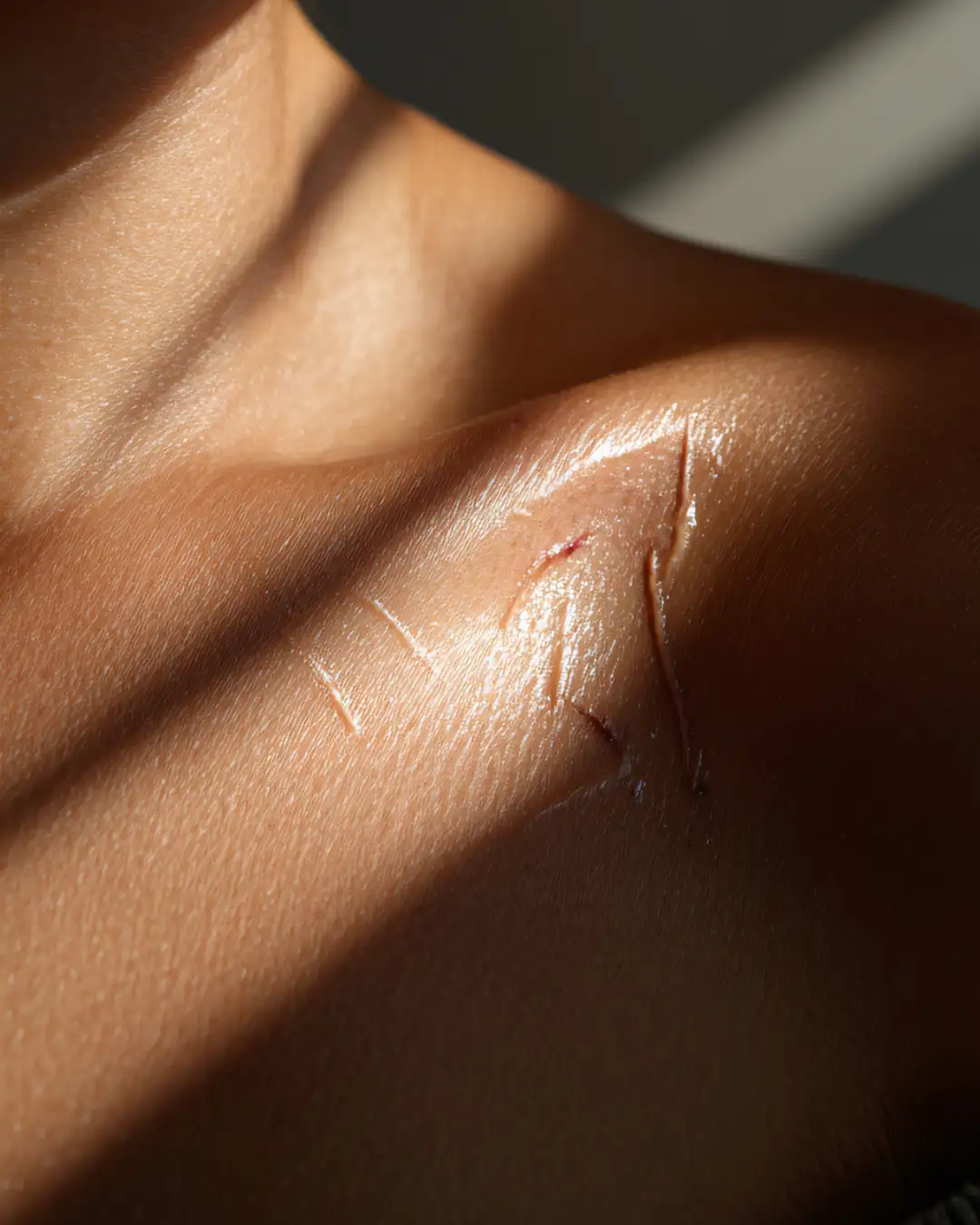
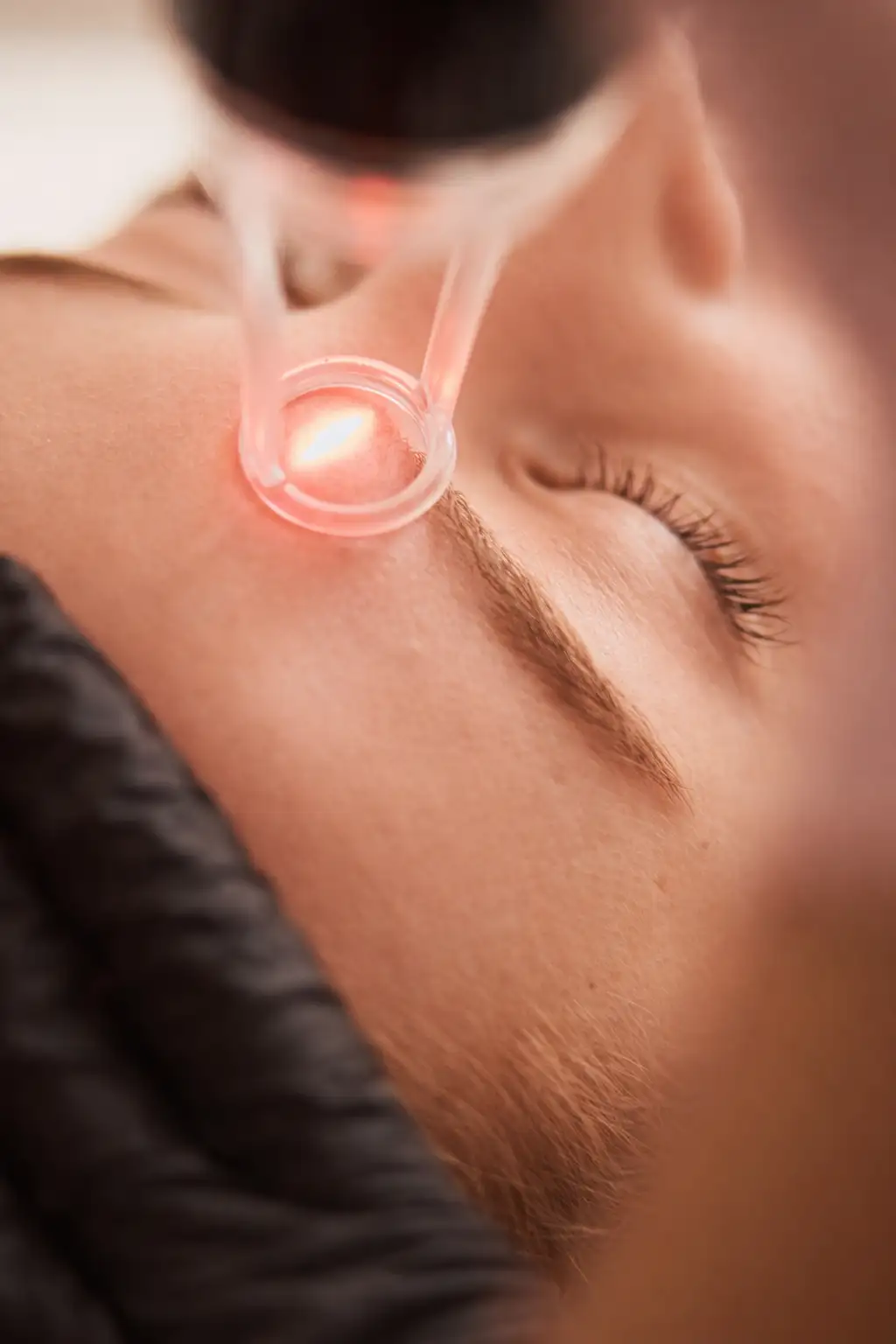
Keloid removal refers to medical treatments aimed at reducing or eliminating keloid scars, which are raised scars that grow beyond the original wound. Keloids form because of an overactive healing response where fibroblasts keep producing lots of collagen and it doesn�t stop, so the scar grows outward. Treatments vary from steroid injections to surgery, cryotherapy, laser, and combinations of approaches. None are perfect, and recurrence is common, so often doctors combine techniques to get the best outcome.
Our dataset currently has 29 clinic(s), with approximately 1500 reviews and an average rating of 4.703448276.
Medical Infrastructure:
- Served by Calderdale & Huddersfield NHS Foundation Trust (Huddersfield Royal Infirmary)
- Multiple CQC-registered GP practices
- Private healthcare access via Spire Elland Hospital (nearby) and regional private providers.
Local Aethetics Market:
Highly competitive and mature regional aesthetics market with strong training ecosystem.
- Have a consultation to map out which combination of therapies is best for your scar
- Discuss medications, allergies, and skin history with your clinician
- Avoid aggressive skin trauma at the site before treatment
- Ask how many sessions you might need
Yes. Steroid injections, cryotherapy, laser and other therapies often need multiple sessions spaced weeks apart, and follow-ups are common to monitor for recurrence or further flattening.
Steroid injections and cryotherapy can cause temporary pain, blistering, or pigment changes in some people.Surgery carries usual risks of bleeding, infection and potential for recurrence.Laser treatments can cause redness, crusting, pigmentation effects if not done carefully.Silicone and pressure therapy are generally low-risk but require consistent use.
Most professional treatments use anaesthesia or careful technique; discomfort varies by method but is generally manageable.
- A dermatologist or plastic surgeon with specific experience treating keloid scars
- Professional registration (GMC for doctors) and appropriate clinic regulation
- Experience with multiple keloid management modalities
There�s no single UK NICE guideline solely for keloid removal, but management advice (including use of silicone dressings) is part of general scar guidance and wound care documents. Medicines and devices used in treatments are regulated by MHRA. Evidence recommends multiple modalities and early management.
Local regulatory authority:
Care Quality Commission (CQC) for regulated medical activities in England
Private insurance usage locally:
- Low for elective aesthetics
- Higher for GP-led or medically indicated dermatology where linked to NHS or private medical insurance.
Cosmetic finance availability:
- Moderate
- Higher-ticket procedures (liposuction, rhinoplasty, advanced device treatments) may offer staged payment or finance partners.
- A dermatologist or plastic surgeon with specific experience treating keloid scars
- Professional registration (GMC for doctors) and appropriate clinic regulation
- Experience with multiple keloid management modalities
- A dermatologist or plastic surgeon with specific experience treating keloids
- Good before/after photos and honest discussion of recurrence risk
- Transparent breakdown of multiple options and why a specific plan is chosen
- Clear aftercare instructions and follow-up availability
- Clinic registration and professional credentials
Current average rating citywide: 4.703448276