Top fillers Providers in Kingston

Best Fillers Clinics in Kingston

Its Me And You Clinic Anti Wrinkle Dermal Filler And Skincare Clinic Kingston Surrey

Profile
Its Me And You

Skin care clinic

Rating
(27 reviews)
Location
Kingston upon Thames KT2 6LX, United Kingdom
Treatments offered

Karwal Aesthetics

Profile
Karwal Aesthetics

Skin care clinic

Rating
(2 reviews)
Location
Kingston upon Thames KT2 5DA, United Kingdom
Treatments offered

Kingston Aesthetics

Profile
Kingston Aesthetics

Skin care clinic

Rating
(1 reviews)
Location
Kingston upon Thames KT1 1BW, United Kingdom
Treatments offered

Premier Laser And Skin Kingston

Profile
Premier Laser And Skin

Laser hair removal service

Rating
(229 reviews)
Location
Kingston upon Thames KT1 1BB, United Kingdom
Treatments offered

Skinfinity By Hiba Rihan

Profile
Skinfinity By Hiba Rihan

Skin care clinic

Rating
(168 reviews)
Location
Kingston upon Thames KT2 6DZ, United Kingdom
Treatments offered

Fillers Treatment in Kingston

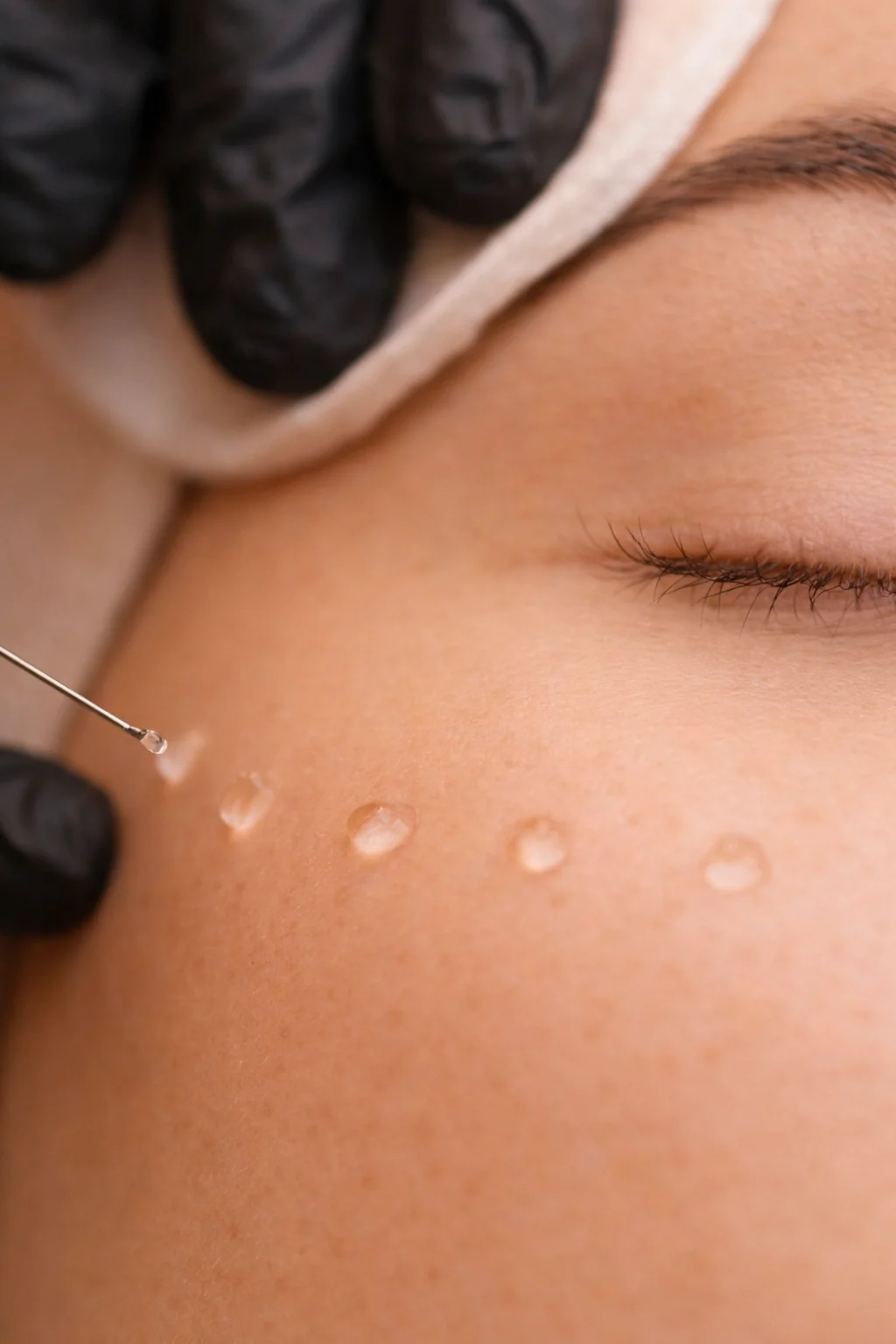
Fillers, often called dermal fillers, are injectable gels used to add volume, smooth wrinkles, and contour facial features. Most modern fillers are based on hyaluronic acid, a molecule that naturally exists in the body and attracts and holds water. When injected beneath the skin, they fill in spaces left by lost volume, smooth lines, and enhance shape. Youll see effects right away, though swelling can make the first days a bit puffy before it settles into a more natural look. ([turn0search0], [turn0search4])
Our dataset currently has 10 clinic(s), with approximately 488 reviews and an average rating of 4.97.

Medical Infrastructure:

    • Kingston Hospital NHS Foundation Trust (acute hospital)
    • Multiple NHS GP practices within Kingston GP Chambers / Primary Care Networks
    • Numerous CQC-registered independent clinics

Local Aethetics Market:

    • Highly mature and saturated
    • Strong digital competition and brand differentiation required

Goals of Fillers Treatment

  • Restore or add volume where its been lost (cheeks, temples, lips, etc)
  • Smooth fine lines and deeper wrinkles
  • Enhance or define facial contours (jawline, chin, lips)
  • Improve balance and symmetry of the face
  • Help with hollows (under eyes) and certain scars

Fillers Treatment Options

Medical & Non-Surgical Approaches

  • Botox (neurotoxin) relaxes muscles to reduce lines; fillers add volume, so theyre different tools for different concerns.
  • Laser or microneedling can improve texture but doesnt add volume like fillers.
  • Fat grafting (fat transfer) can add volume and may last longer, but its more invasive than fillers.
  • Skincare products can support skin quality but wont replace injectable volume.

Pros of Fillers Treatment

  • Results are immediate and can look natural when done right
  • Procedure is quick (often ~3060 minutes) with minimal downtime
  • Less invasive than surgical options
  • Many fillers (like hyaluronic acid) are reversible with an enzyme if needed
  • Can subtly stimulate your own collagen depending on filler type

Cons of Fillers Treatment

  • Not permanent; most HA fillers last about 6 to 18 months though some can go up to ~2 years depending on type and area treated. ([turn1search1], [turn1search5])
  • Cost can add up over time since repeat sessions are usually needed
  • Side effects like bruising, swelling or lumps are possible
  • Over-filling or unnatural results if injected poorly

Cost of Fillers Treatment in Kingston

  • Many clinics in the UK charge around GBP 200 to GBP 600 per syringe of dermal filler, depending on product and area treated. ([turn1search4], [turn1search12])
  • Some premium providers price higher (e.g., ~GBP 449+ per ml in parts of London). ([turn1search6])
  • Multi-ml packages (full face) can run into the thousands depending on volumes used
  • Clinic location (London or high rent areas often more expensive)
  • Practitioner experience and medical qualifications
  • Type or brand of filler used (some are pricier products)
  • Complexity or number of areas treated
  • Consultation and aftercare services included

Accessibility

Public transport:

    • Kingston railway station (direct to London Waterloo)
    • Extensive bus network
    • Proximity to A3 road corridor

Parking availability:

    • Town centre multi-storey and retail parking
    • Congestion typical of busy retail hub

Clinic distribution:

    • Clustered in Kingston town centre retail and commercial units
    • Some suburban high-street clinics

Airport proximity:

    • Approximately 30–45 minutes to Heathrow Airport
    • 45–60 minutes to Gatwick (traffic dependent)

Preparing for Your Fillers Appointment

  • Avoid heavy sun exposure before your appointment
  • Discuss medications and supplements (some blood thinners can increase bruising risk)
  • Have a candid conversation about what results are realistic
  • Plan your schedule in case of temporary swelling/bruising
Yes, since results fade over time. Many people schedule touch-ups every 618 months depending on the filler type, area and how their body metabolises it. ([turn1search1], [turn1search5])

Treatment Safety & Local Regulations

Fillers are generally safe with a trained practitioner using regulated products. Fillers are classed as Class III medical devices regulated by the MHRA. ([turn0search7])Common short-term effects are bruising, swelling, redness and tendernessRare but serious risks include infection, lumps, migration, vascular occlusion (blocked blood vessel) and tissue damage if injected incorrectly. Knowing warning signs and acting quickly is key. ([turn0search8], [turn0search10])

Pain varies by person and area; many formulations include local anaesthetic and implants can feel like a quick pinch or pressure rather than sharp pain.

  • Healthcare professional qualification (doctor, nurse, dentist) with specific training in aesthetic injectables
  • Experience with the product and areas youre targeting
  • Strong knowledge of facial anatomy and complication management
There isnt a single NICE guideline dedicated only to dermal fillers, but devices and safety standards fall under MHRA regulation as medical devices. Government consultation and licensing schemes for non-surgical cosmetic procedures are underway to raise training and safety standards in the UK. ([turn0search1], [turn0search3], [turn0search9])

Local regulatory authority:

    • Care Quality Commission (CQC)
    • General Medical Council (GMC)
    • General Dental Council (GDC)
    • Nursing and Midwifery Council (NMC)

Private insurance usage locally:

    • Dermatology and rhinoplasty may be partially insured depending on indication
    • Majority of cosmetic treatments self-funded

Cosmetic finance availability:

    Widely available through third-party regulated lenders for high-ticket procedures (CoolSculpting, rhinoplasty)

Who Is a Good Candidate?

  • Someone in good general health who wants to reduce lines, add subtle volume, or improve facial balance and has realistic expectations.

Choosing a Clinic

  • Healthcare professional qualification (doctor, nurse, dentist) with specific training in aesthetic injectables
  • Experience with the product and areas youre targeting
  • Strong knowledge of facial anatomy and complication management
  • Choose someone medically trained (doctor, nurse, dentist) with specific injectable training
  • Ask about their experience with the specific areas you want treated
  • Look at realistic before/after photos from actual patients
  • Ensure they discuss both risks and benefits openly
  • Verify they use trusted, regulated filler products
Current average rating citywide: 4.97

Recovery & Long-Term Results

  • Most people can return to normal life immediately.
  • Bruising and swelling may peak in the first 2472 hours and settle over a week.
  • Avoid strenuous exercise, alcohol and intense heat for 2448 hours to reduce swelling.
  • Redness, swelling, minor bruising, tenderness at injection sites
  • Rare complications like infection or asymmetry requiring correction
Aftercare:
  • Botox (neurotoxin) relaxes muscles to reduce lines; fillers add volume, so theyre different tools for different concerns.
  • Laser or microneedling can improve texture but doesnt add volume like fillers.
  • Fat grafting (fat transfer) can add volume and may last longer, but its more invasive than fillers.
  • Skincare products can support skin quality but wont replace injectable volume.