Top hives-treatment Providers in Leeds
Best Hives Treatment Clinics in Leeds
The Leeds Clinic And The Leeds Skin Clinic
The Leeds Clinic And

Skin care clinic
Rating
(423 reviews)
Treatments offered
Top Treatments in Leeds
Top Cities in the UK
Hives-treatment Treatment in Leeds
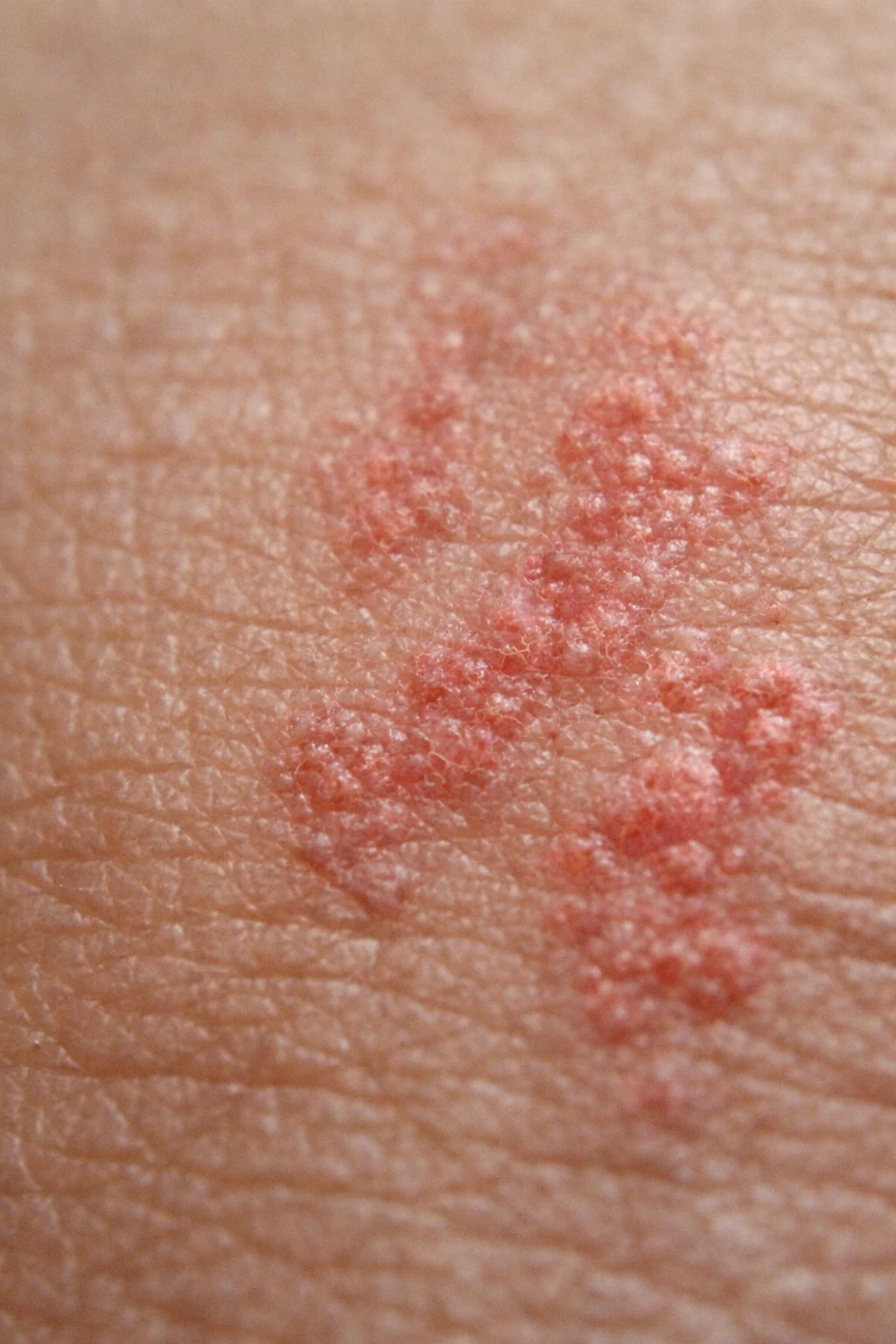
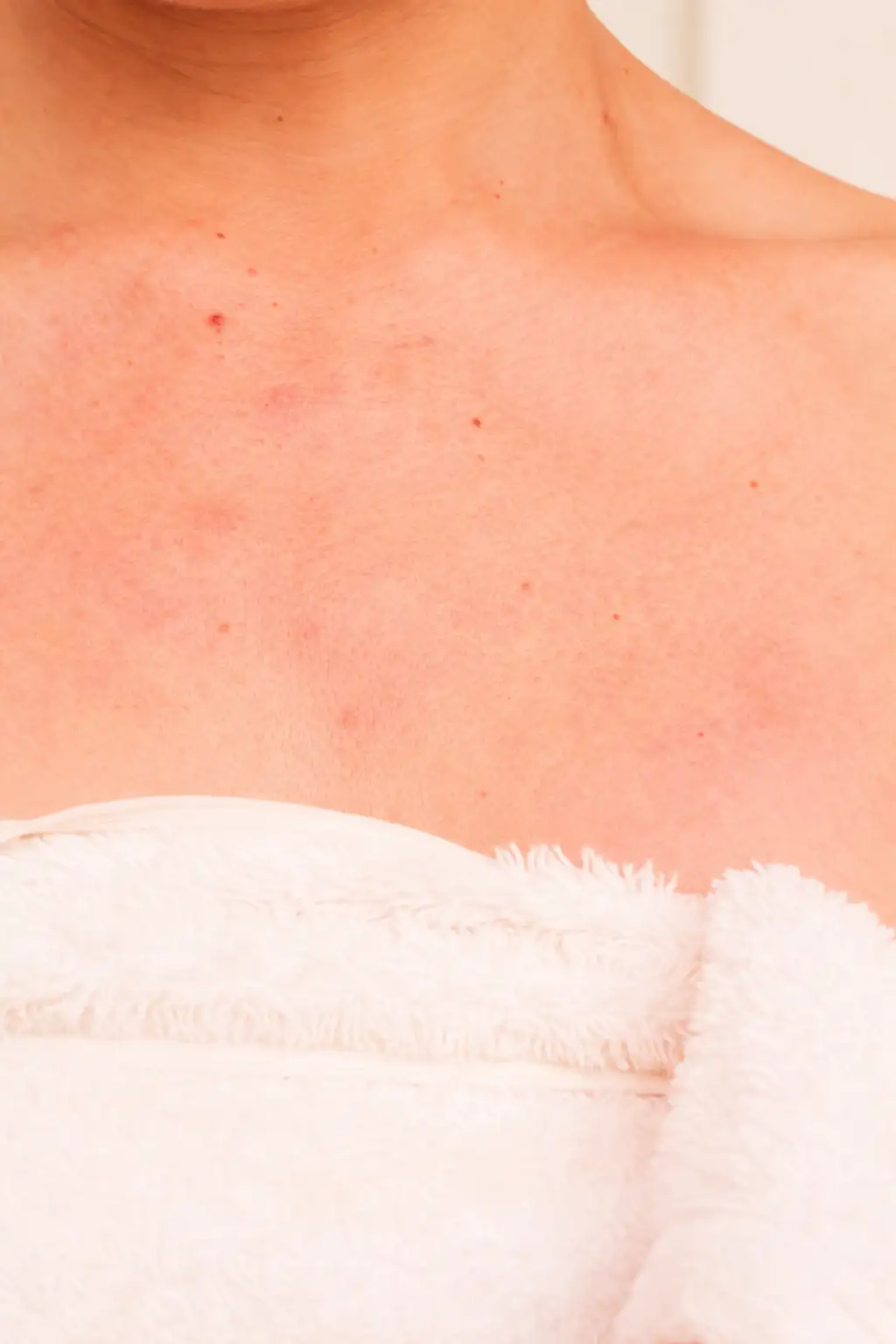
Hives treatment (urticaria treatment) focuses on calming an overactive immune response in the skin. Hives happen when mast cells release histamine, which causes itchy, raised welts. Treatment works by blocking or reducing that histamine response, calming inflammation, and identifying triggers when possible. First-line treatment is usually non-drowsy antihistamines. For more stubborn or chronic cases, doses may be increased, or other medications like leukotriene blockers, short steroid courses, or biologics such as omalizumab may be used. Its less about curing and more about controlling flares while the body settles. (NHS, British Association of Dermatologists)
Our dataset currently has 67 clinic(s), with approximately 6004 reviews and an average rating of 4.634328358.
Medical Infrastructure:
- Major tertiary teaching hospitals (Leeds Teaching Hospitals NHS Trust including Leeds General Infirmary and St James’s University Hospital)
- Multiple private hospitals
- Extensive GP network
- Regional cancer and dermatology referral centre
Local Aethetics Market:
- Highly mature, diversified aesthetic and dermatology ecosystem
Goals of Hives-treatment Treatment
- Reduce itching, swelling, and discomfort quickly so you can function normally.
- Prevent recurrent or daily flare-ups, especially in chronic urticaria.
- Identify and avoid triggers when possible, though many cases stay idiopathic.
- Improve sleep, work, and quality of life, which hives can seriously mess with.
Hives-treatment Treatment Options
Medical & Non-Surgical Approaches
- Medical treatment targets the immune mechanism directly.
- Lifestyle strategies help but rarely control chronic hives alone.
- Alternative remedies have limited evidence and can delay effective care.
Pros of Hives-treatment Treatment
- Antihistamines are widely available and generally safe.
- Most people respond well to stepped treatment approaches.
- Advanced options like biologics can dramatically reduce symptoms in chronic cases.
- Non-invasive with minimal downtime.
Cons of Hives-treatment Treatment
- Not always possible to identify a trigger.
- Chronic hives can require long-term medication.
- Some medications cause drowsiness or dry mouth.
- Biologic treatments are expensive and need specialist care.
Cost of Hives-treatment Treatment in Leeds
- On the NHS, hives treatment is usually free. Privately, dermatology consultations often range from GBP 200 to GBP 350 initially. Advanced treatments like omalizumab can cost several hundred pounds per injection if not NHS-funded.
- NHS versus private care.
- Acute vs chronic hives.
- Need for specialist drugs or biologics.
- Frequency of follow-ups and investigations.
Accessibility
Public transport:
- Major rail hub (Leeds Station) with national connections
- Extensive bus network
- Proximity to M1 and M62 motorways
Parking availability:
- City-centre multi-storey parking
- Suburban clinic parking varies
- Congestion charges not currently implemented
Clinic distribution:
- Clustered in city centre (York Place, Park Square) and affluent suburbs (Roundhay, Chapel Allerton, Headingley)
Airport proximity:
- Leeds Bradford Airport approximately 8 miles from city centre
- Manchester Airport within 50 miles
Preparing for Your Hives-treatment Appointment
- Keep a symptom diary with photos if hives come and go.
- List medications including painkillers and supplements.
- Note patterns like pressure, heat, infections, or stress.
- Avoid stopping antihistamines suddenly unless advised.
Chronic hives often require maintenance treatment. Antihistamines may be taken daily for months. Biologics are usually given every 4 weeks, then reviewed regularly.
Treatment Safety & Local Regulations
Hives themselves can sting or burn, but treatment is not painful. Antihistamines are oral. Injections like omalizumab involve mild needle discomfort.
Second-generation antihistamines are generally very safe.Steroids are used short-term only due to side effects.Biologics require monitoring for rare allergic reactions.
NICE guidance supports stepped antihistamine treatment and specialist referral for chronic urticaria.
Local regulatory authority:
- Care Quality Commission (CQC) for regulated medical activities in England
Private insurance usage locally:
- Medical dermatology (eczema, psoriasis, skin cancer diagnostics) often covered under private medical insurance
- Cosmetic procedures (Botox, fillers, CoolSculpting) self-funded
Cosmetic finance availability:
- Widely available across multi-site chains and surgical providers
- Partnerships with third-party medical finance firms common in hair transplant and liposuction sectors
Who Is a Good Candidate?
- Anyone experiencing itchy, raised welts lasting hours to days.
- People with recurrent or daily hives lasting over six weeks.
- Those whose sleep, work, or mental health is affected by symptoms.
- Patients with angioedema alongside hives need prompt assessment.
Choosing a Clinic
- A GP or dermatologist experienced in managing urticaria.
- Willingness to follow a stepped treatment plan rather than jumping straight to extremes.
- Clear explanation of medication dosing, especially off-label antihistamine escalation.
- Access to allergy or immunology referral if needed.
Current average rating citywide: 4.634328358

Recovery & Long-Term Results
Aftercare:
- Medical treatment targets the immune mechanism directly.
- Lifestyle strategies help but rarely control chronic hives alone.
- Alternative remedies have limited evidence and can delay effective care.