Skin Lesions

Skin Lesions Treatment
Skin Lesions Treatment Statistics and Key Information
- Patient Satisfaction Rate
- 95%
- Average Treatment Cost
- See provider pricing
- Number of Reviews
- 70469
- Treatment Downtime Duration
- Mild swelling, redness, or scabbing
- Number of Available Practitioners
- 1522
Overview
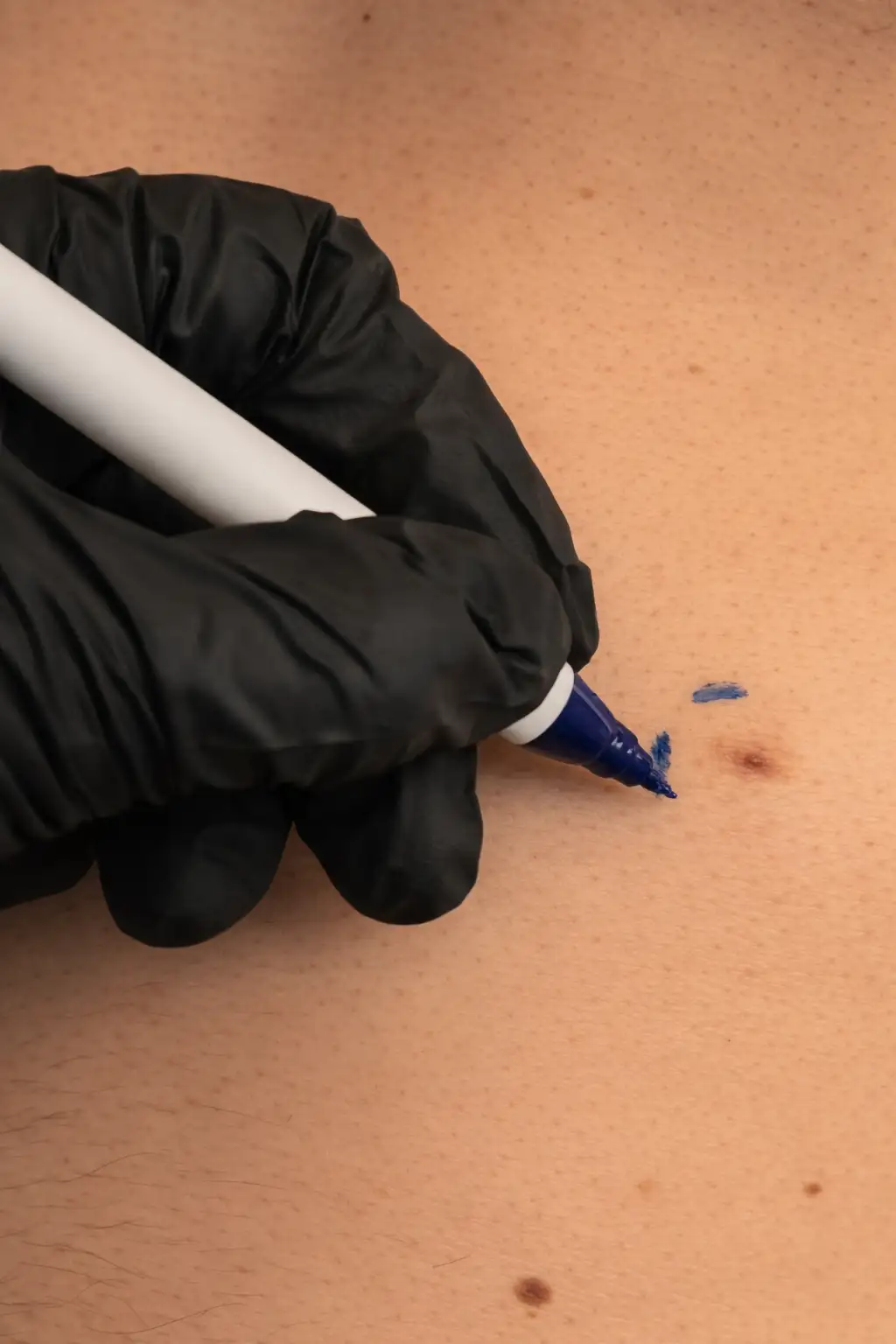
Skin lesions is an umbrella term. It basically means any abnormal bump, patch, spot, or growth on the skin. That could be something harmless like a mole, skin tag, seborrhoeic keratosis, cyst, wart, or something more serious like a pre-cancerous lesion or skin cancer. Mechanism depends on the lesion. Some form from blocked pores or glands, some from viral infection (warts), some from pigment cell changes, some from chronic sun damage, and some from uncontrolled cell growth. The key thing is that a ‘skin lesion’ isn’t a diagnosis by itself, it’s a signal that something changed in the skin and needs context. ([nhs.uk](https://www.nhs.uk/conditions/skin-lesions/))
Goals of Skin Lesions treatment
- Correctly identify what the lesion actually is
- Rule out malignancy early if there’s any doubt
- Treat or remove lesions that are symptomatic, growing, bleeding, or cosmetically distressing
- Preserve healthy tissue and minimise scarring
- Give you clarity so you’re not guessing or spiralling on Google at 1am
Severity Levels
Treatment Options
Pros
- Many skin lesions are benign and easily treated once identified
- Early assessment can prevent serious outcomes for malignant lesions
- Removal can relieve discomfort or anxiety
- Procedures are often quick and outpatient
Cons
- Some lesions look harmless but aren’t, so misdiagnosis is a risk without expertise
- Removal can leave scars depending on size and location
- Benign lesions can recur or new ones can appear
- Waiting for biopsy results can be emotionally heavy
Candidate & Preparation
Who is a Good Candidate
- Anyone with a new, changing, bleeding, or symptomatic skin lesion
- People with high sun exposure or family history of skin cancer
- Those bothered physically or emotionally by a lesion
- Anyone unsure and wanting a professional eye on it
Appointments & Safety
What Happens During Appointment
Usually starts with visual exam and dermoscopy. If removal is needed, local anaesthetic is used and the lesion is excised, shaved, frozen, or cauterised. Appointment length ranges from 10 minutes to 45 minutes depending on complexity. Biopsy results typically return in 1–3 weeks. ([nhs.uk](https://www.nhs.uk/conditions/mole-removal/))
Cost & Access
Typical Prices
- NHS assessment and treatment is free when medically indicated
- Private consultation for skin lesions often ranges GBP 200 to 350
- Private removal with histology typically GBP 500 to 1,000+ depending on complexity and site ([harleystreetskinclinic.com](https://www.harleystreetskinclinic.com/articles/understanding-mole-removal-cost-uk-guide/))
Why Prices Vary
- Benign vs suspicious lesions
- Whether biopsy and histology are included
- Size, number, and anatomical location
- Clinic location and surgeon experience
- Need for reconstruction or stitches
Results & Maintenance
How Long Results Last
If a benign lesion is fully removed, it usually doesn’t return at that site. However some people are prone to forming new lesions over time. Malignant lesions require longer-term follow-up because recurrence risk depends on type and stage. ([cancerresearchuk.org](https://www.cancerresearchuk.org/about-cancer/skin-cancer/treatment))
Maintenance Requirements
Not maintenance like aesthetics. Follow-up depends on diagnosis. Benign lesions usually need nothing further. Cancerous or pre-cancerous lesions need scheduled skin checks, sometimes for years. ([bad.org.uk](https://www.bad.org.uk/pils/melanoma/))
Regulation & Guidelines
Guidelines
Yes. NICE guidelines cover suspected cancer referrals and management of skin lesions, especially melanoma and non-melanoma skin cancers. MHRA regulates devices and treatments used. There isn’t one single ‘skin lesion’ guideline because it’s a category, not a diagnosis. ([nice.org.uk](https://www.nice.org.uk/guidance/ng12))
What to Do If Something Goes Wrong
Medical skin lesion care is regulated under NHS and private CQC-registered services. Doctors are regulated by the GMC. If something goes wrong, raise it with the provider first, then escalate to the CQC or GMC if unresolved. ([cqc.org.uk](https://www.cqc.org.uk))