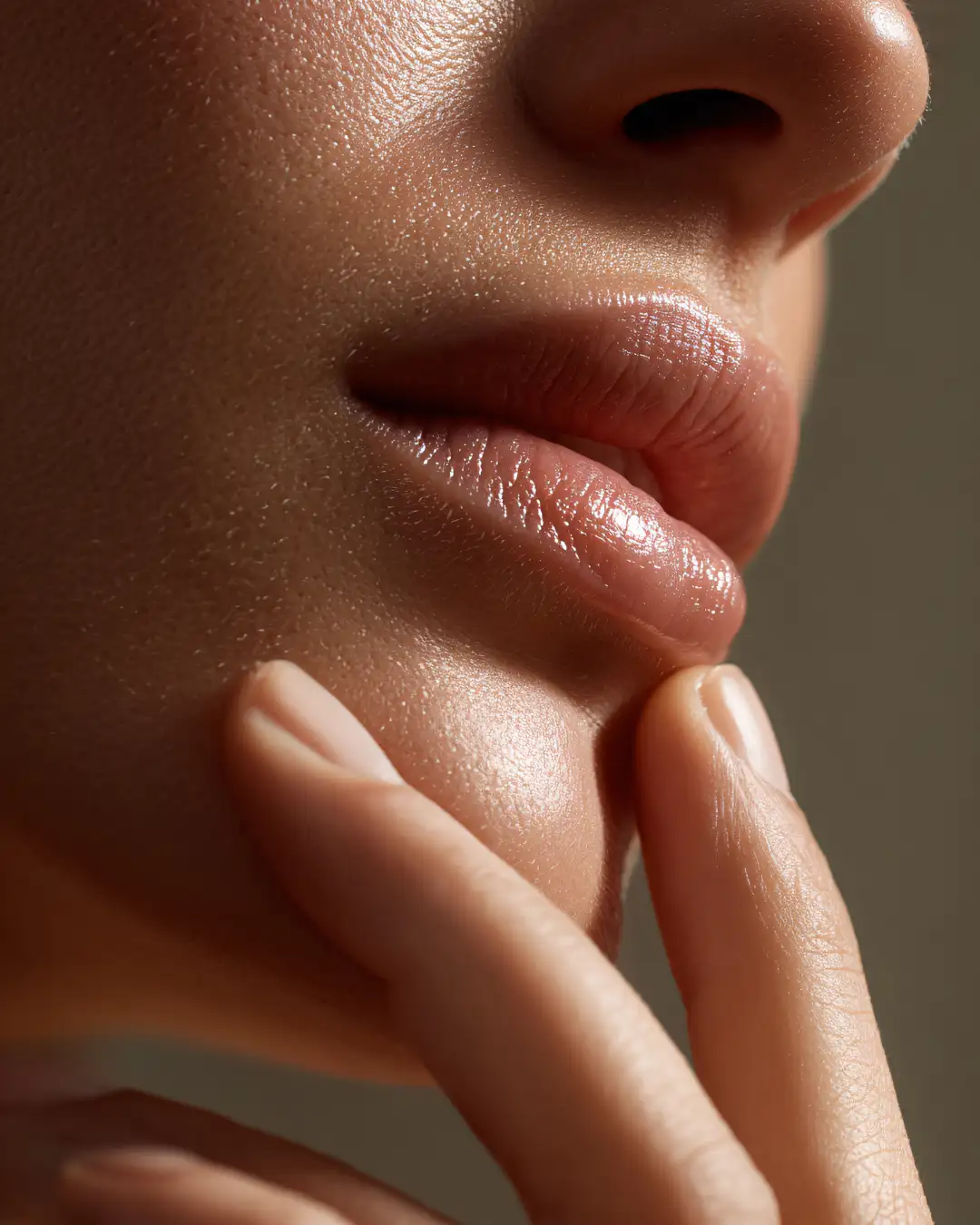
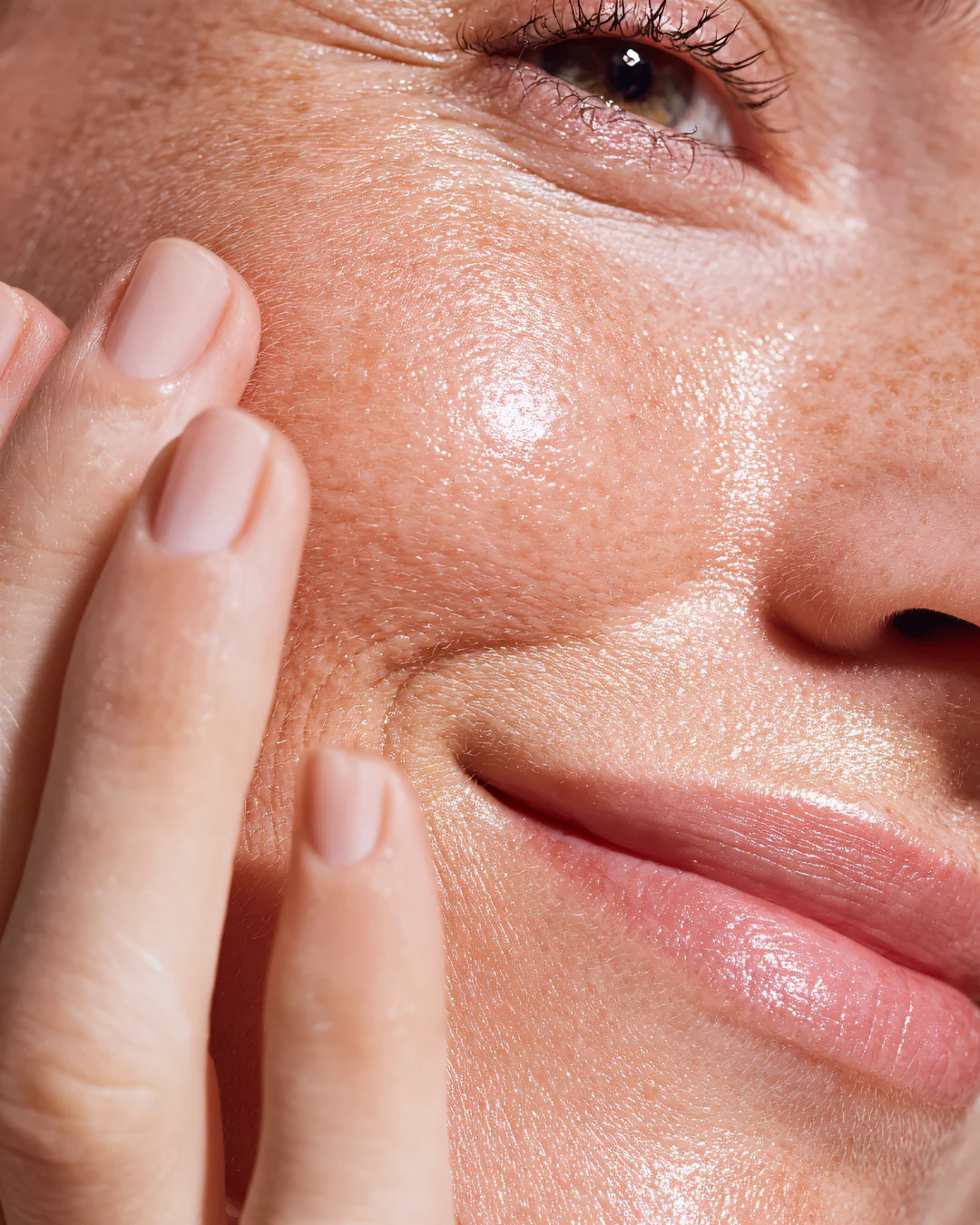
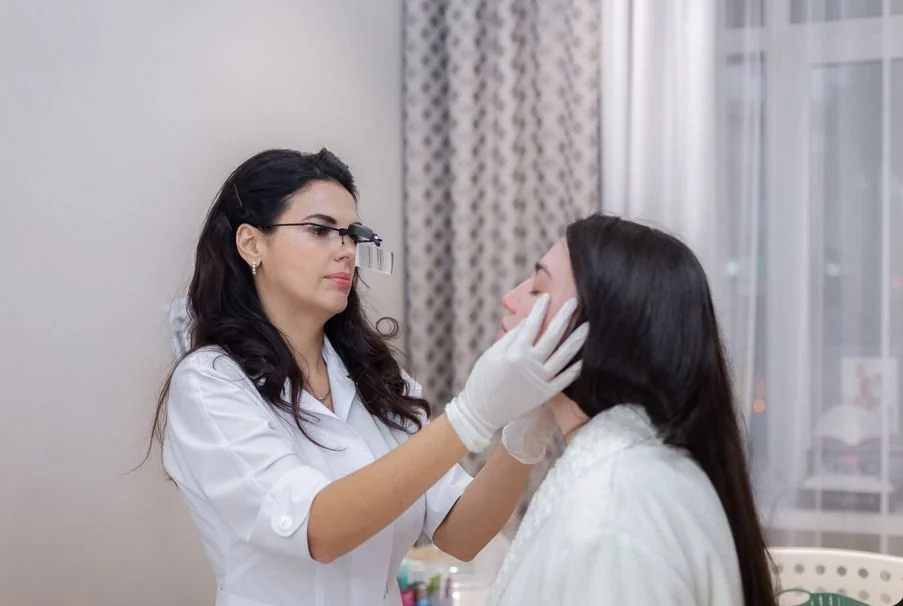
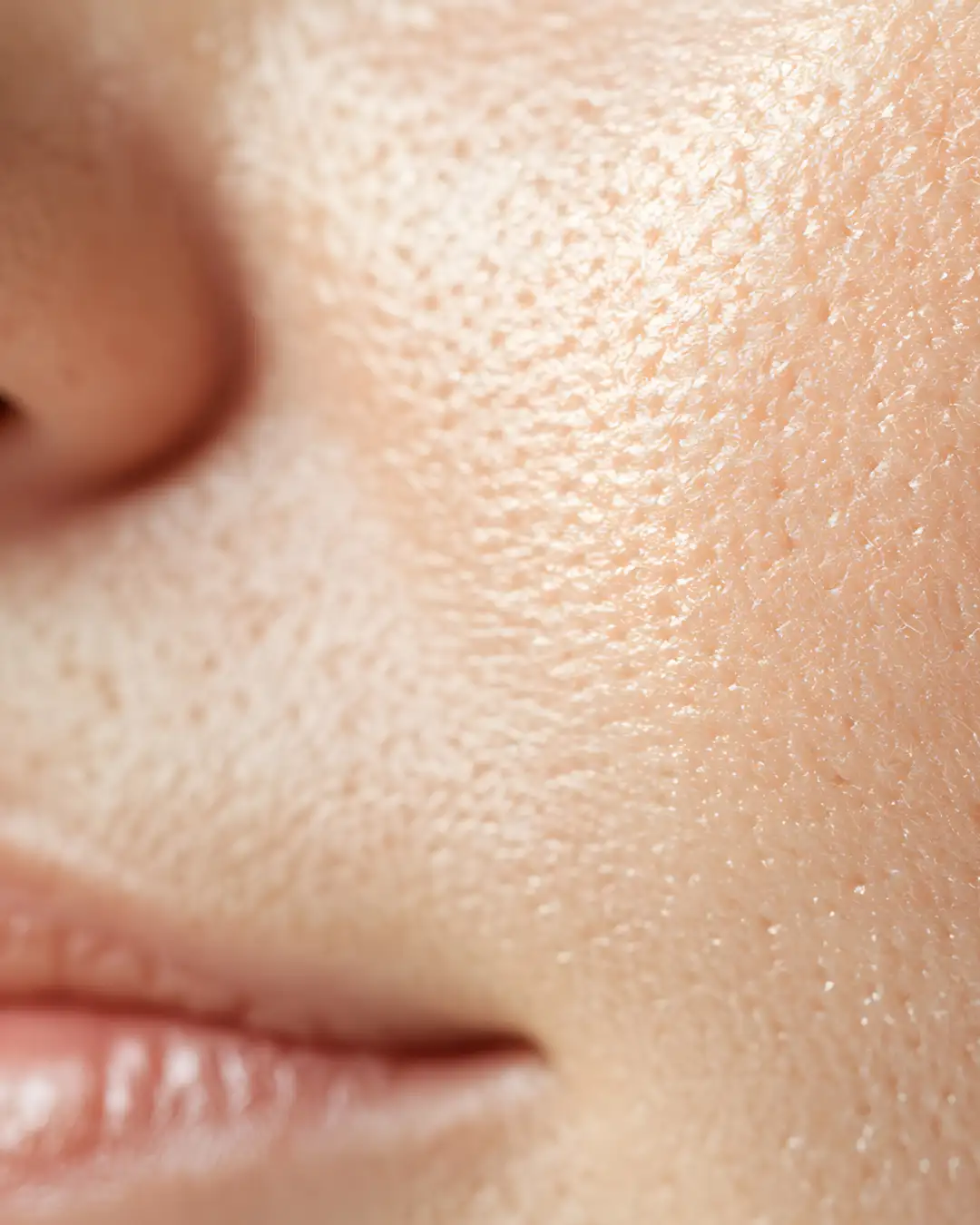
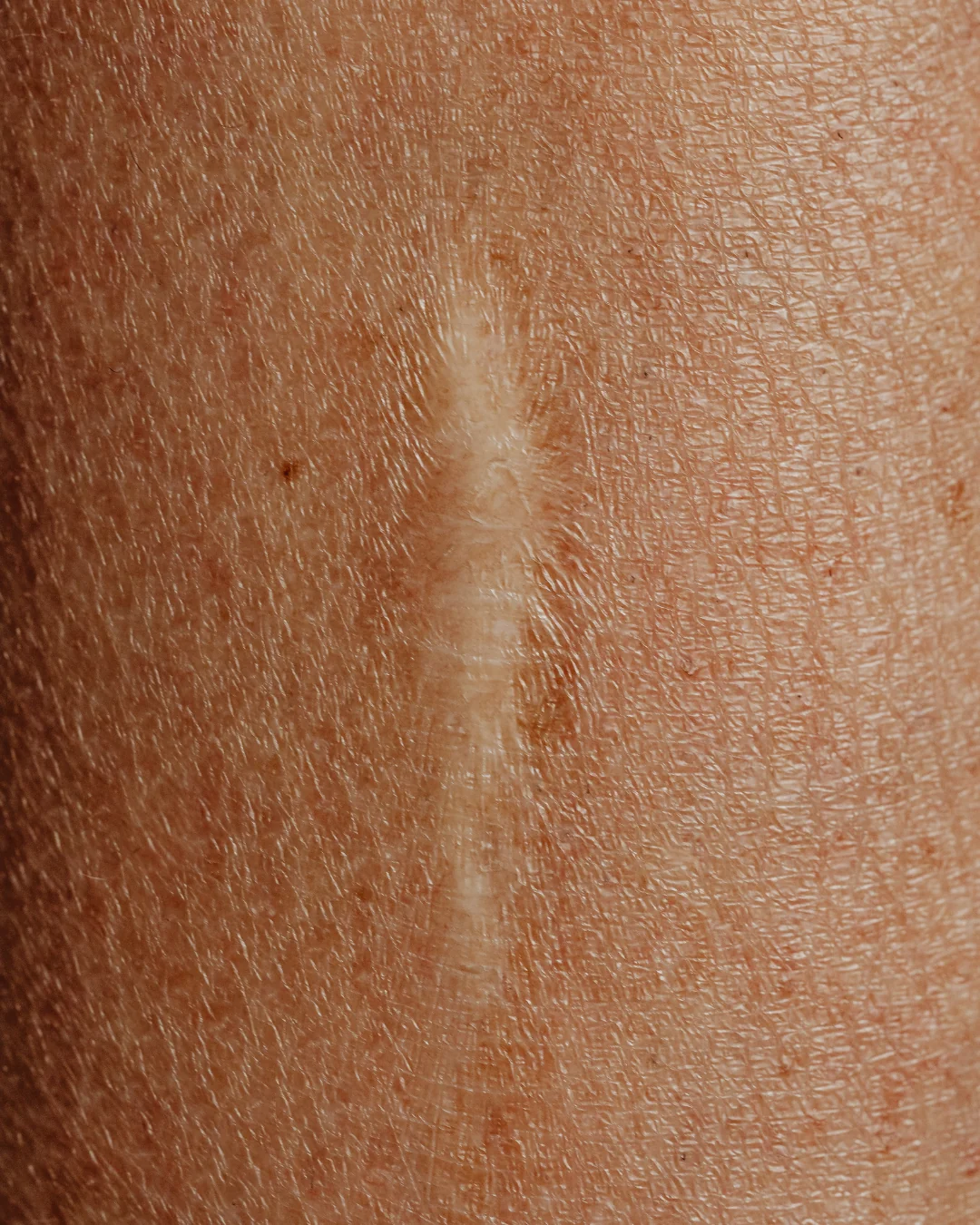
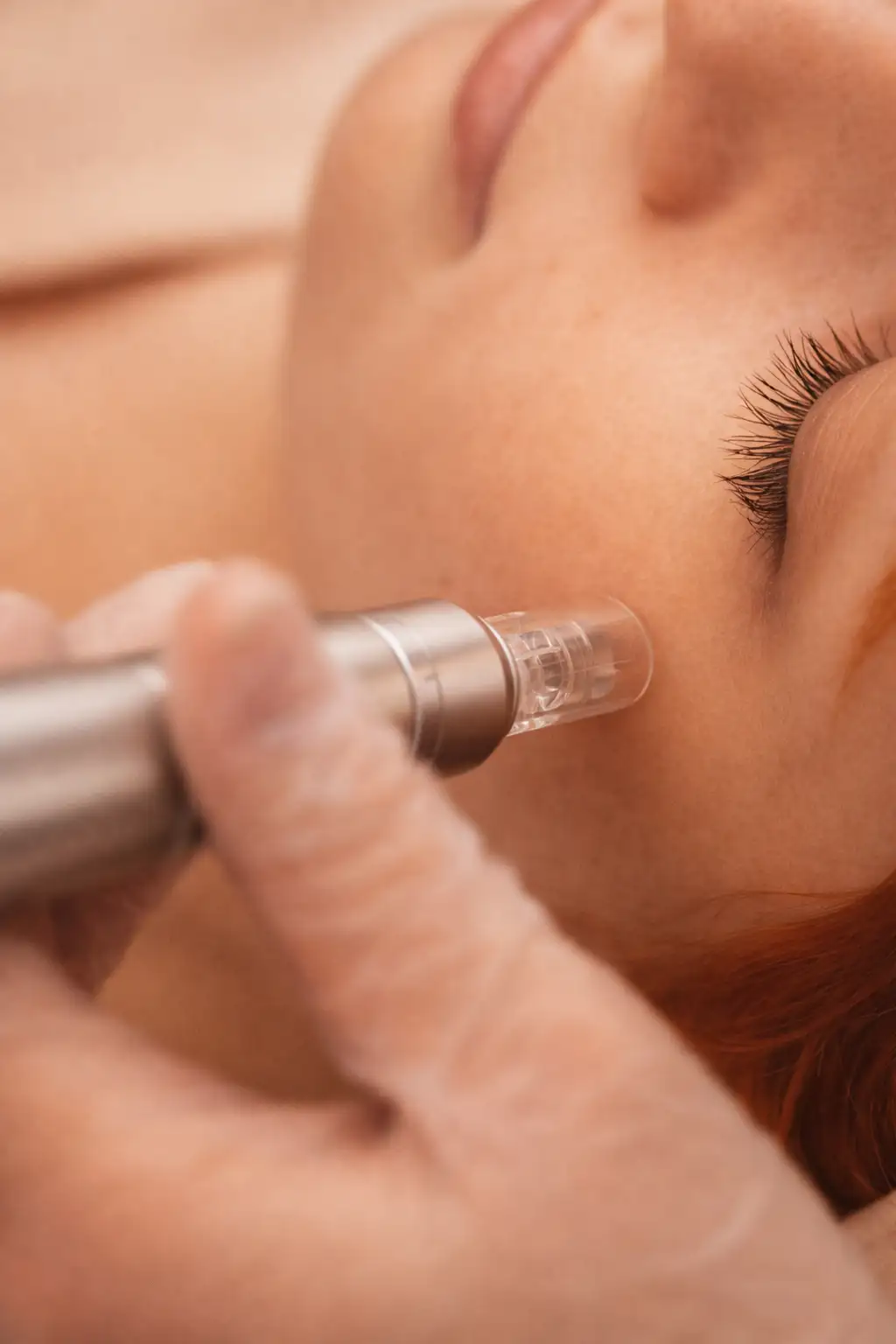
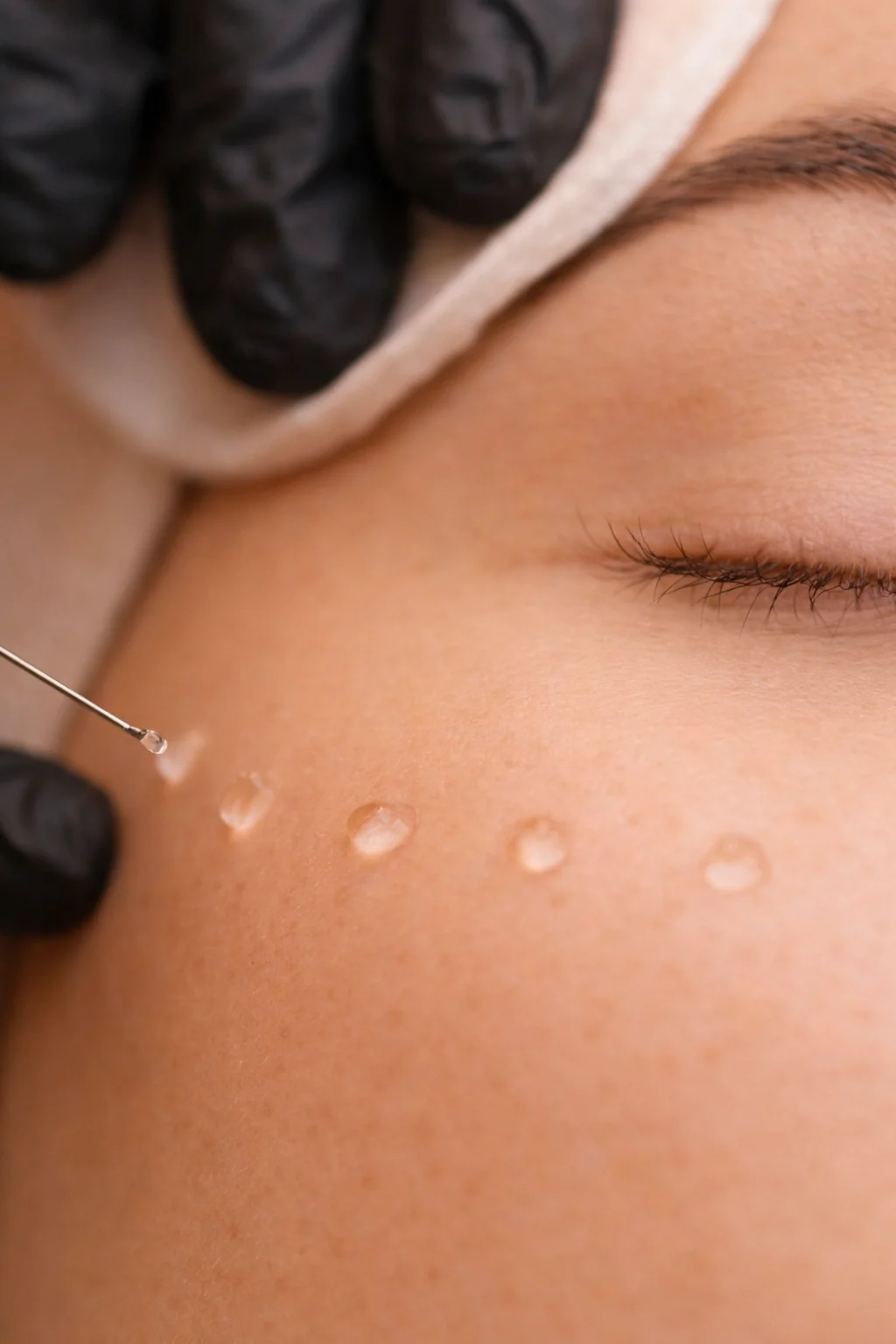
Microneedling (also called collagen induction therapy or skin needling) is a minimally invasive skin treatment where a device with tiny, sterile needles creates controlled micro-injuries in your skin. Your body freaks out just a little and thinks it needs to heal, so it recruits it's natural wound-healing response and starts producing more collagen and elastin. Over time, that can help smooth texture, improve scars, fine lines, enlarged pores and generally make skin look healthier and firmer. ([turn0search1][turn0search2][turn0search4])
Our dataset currently has 8 clinic(s), with approximately 13 reviews and an average rating of 4.428571429.
Medical Infrastructure:
- Multiple GP practices within town
- Part of Northern Health and Social Care Trust catchment
- Community health facilities locally
- Nearest acute hospitals in Antrim and Causeway areas
Local Aethetics Market:
Competitive but early-to-mid stage market with multiple small providers
- Avoid strong exfoliants or retinoids for a few days before treatment so skin isn�t sensitised.
- Arrive with clean skin and talk through your current products, medications and any allergies.
- Expect cream anaesthetic to be applied for comfort during the session. ([turn0search1])
Multiple sessions are almost always recommended (often 3�6 spaced several weeks apart) to build and maintain results. ([turn0search17])
Devices must be sterile and correctly used to avoid infection or scarring; homemade or poorly managed treatments increase risk. ([turn0search27][turn0news41])At-clinic safety is better because professionals know what depth to use and how to manage aftercare. ([turn0search2])Advanced forms like radiofrequency microneedling have been the subject of safety warnings due to higher intensity energy and possible burns or deeper injury. ([turn0news40])
Most people feel some prickling or pressure but topical numbing cream is usually applied so pain is mild and manageable. Some redness or a sunburn-like feeling afterward is common. ([turn0search1][turn0search2])
- Training in aesthetic procedures and skin anatomy, ideally with certifications from reputable bodies or medical training.
- Device-specific training from manufacturers for safe use and depth control.
- Insurance and adherence to hygiene and safety licensing rules.
Microneedling devices fall under medical device oversight in regulators like the FDA, which authorises specific devices for acne scars and wrinkles, and in the UK, MHRA regulates devices, while NICE feeds into broader guidance on cosmetic procedures. There is no detailed UK NICE guideline just for microneedling itself yet, and industry regulation is evolving especially around licensing of non-surgical cosmetic procedures. ([turn0search13][turn0search6])
Local regulatory authority:
- Regulation and Quality Improvement Authority (RQIA) for independent healthcare
- General Medical Council (GMC) and Nursing & Midwifery Council (NMC) for clinician registration
Private insurance usage locally:
- Limited for purely cosmetic procedures
- Medically indicated dermatology may fall under NHS pathway rather than private insurance
Cosmetic finance availability:
- Selective availability via independent providers
- Smaller rural market may rely on pay-per-treatment model
- Training in aesthetic procedures and skin anatomy, ideally with certifications from reputable bodies or medical training.
- Device-specific training from manufacturers for safe use and depth control.
- Insurance and adherence to hygiene and safety licensing rules.
- Someone trained to use appropriate devices and adjust needle depth for your concerns, not a random aestheticist with minimal training. Professional dermatologists or experienced practitioners are usually better. ([turn0search27])
- Clear consultation that discusses risks, expected sessions, and realistic outcomes. ([turn0search1])
- Hygiene and sterility practice is visible and rigorous; needles must be single-use or properly sterilised. ([turn0search2])
- Check reviews and ask to see before/after results for people with similar issues to yours.
Current average rating citywide: 4.428571429