Top tattoo-removal Providers in Southsea
Best Tattoo Removal Clinics in Southsea
Annas Aesthetics
Annas Aesthetics

Skin care clinic
Rating
(63 reviews)
Be Aligned By Bea Beauty And Lazer
Be Aligned By Bea
Beauty Parlour
Rating
(39 reviews)
Edit Laser Specialists
Laser hair removal service
Rating
(205 reviews)
Treatments offered
Skinportant Skin Clinic
Skin care clinic
Rating
(203 reviews)
Southsea Laser Clinic
Laser hair removal service
Rating
(207 reviews)
Treatments offered
Top Treatments in Southsea
Top Cities in the UK
Tattoo-removal Treatment in Southsea
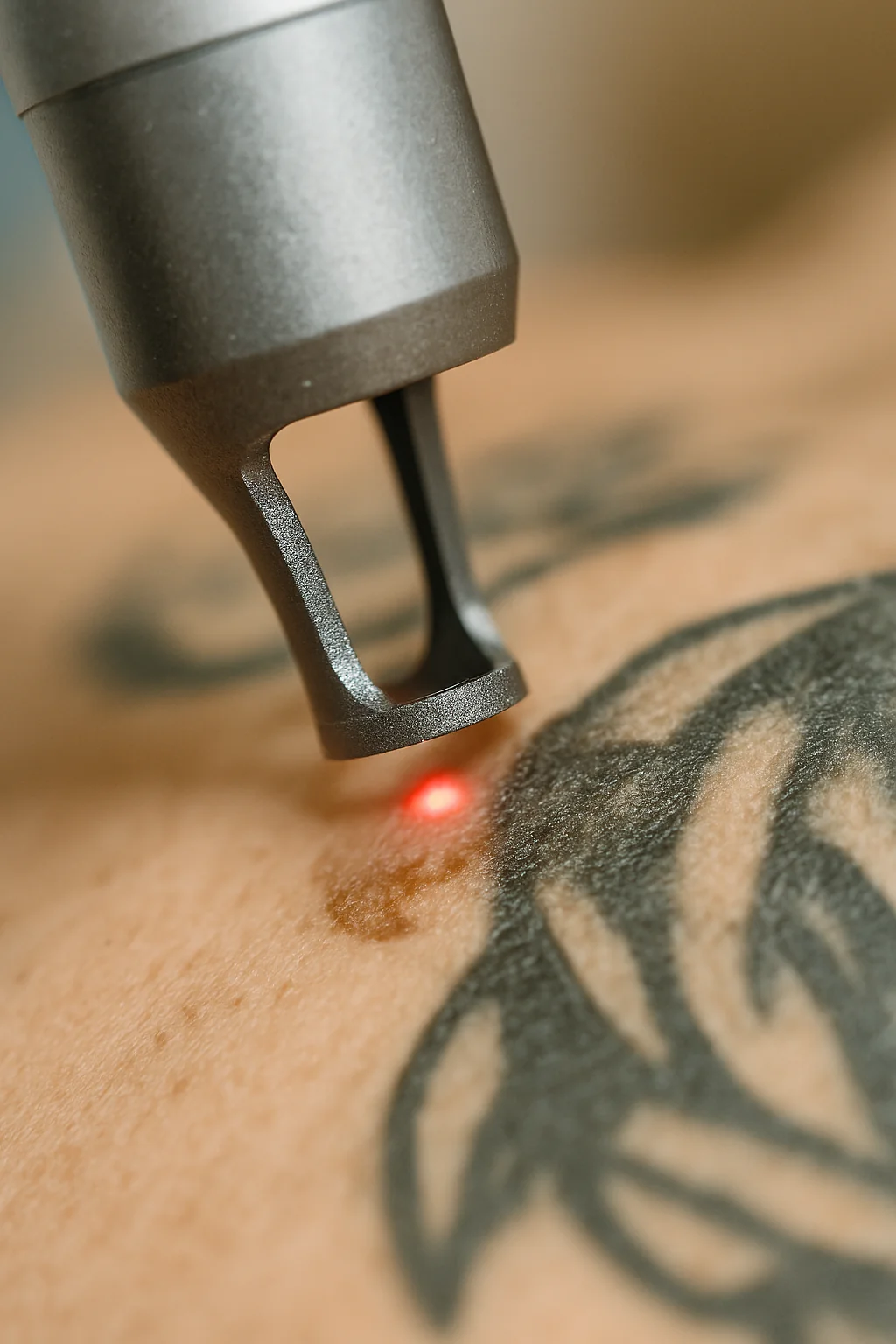
Tattoo removal is the process of trying to fade or erase a tattoo that you no longer want. The most common way this is done in the UK is using specialised laser technology. The laser sends pulses of concentrated light into your skin which are absorbed by the tattoo ink particles. That energy breaks the ink into smaller fragments. Over time, your immune systems cells (macrophages) help carry those fragments away, so the tattoo gradually fades session by session. Different colours and depths of ink respond differently to laser wavelengths.
Our dataset currently has 12 clinic(s), with approximately 1388 reviews and an average rating of 4.991666667.
Medical Infrastructure:
- Proximity to Queen Alexandra Hospital (Portsmouth Hospitals University NHS Trust)
- Multiple GP practices
- Private dental and aesthetic providers
- Regional dermatology and cosmetic surgery access
Local Aethetics Market:
- Mature and highly competitive
- Strong regulatory compliance visibility (CQC, Save Face)
Goals of Tattoo-removal Treatment
- Reduce or eliminate the visibility of unwanted tattoos
- Lighten tattoos enough to allow for a cover-up tattoo if desired
- Improve confidence and comfort with your skin
- Resolve personal, professional or lifestyle motivations related to tattoo regret
Tattoo-removal Treatment Options
Medical & Non-Surgical Approaches
- Laser tattoo removal is typically more effective than over-the-counter creams, which dermatologists warn are ineffective and can even cause skin damage.
- Surgical excision can remove small tattoos in one go, but it leaves a surgical scar and is only practical for smaller pieces.
- Dermabrasion and chemical methods strip layers of skin but are less targeted and often more painful with higher risk of scarring.
- Laser is considered the gold standard with the best balance of effectiveness and safety when done correctly.
Pros of Tattoo-removal Treatment
- Laser removal is non-surgical and widely considered safe when done by trained professionals
- Modern lasers can target a wide range of ink colours and sizes
- Results often improve over multiple sessions and can be quite significant
- Lower risk of major scarring than older, more aggressive methods like dermabrasion
Cons of Tattoo-removal Treatment
- It usually takes *many* sessions (often 612 or more) to see final results and sometimes full removal isnt possible
- Can be expensive as you pay per session or per course of sessions
- Certain ink colours (like yellow, green, light tones) are harder to remove
- Possible side effects include temporary redness, blistering, colour changes or rarely scarring if not cared for properly
Cost of Tattoo-removal Treatment in Southsea
- Small tattoos: around GBP 50-GBP 100 per session in many places, but prices can go higher
- Medium tattoos: often around GBP 100-GBP 200 per session
- Larger designs: GBP 200-GBP 300+ per session and full removal courses can run into GBP 600-GBP 2,500+ total depending on size and colours involved
- Some clinics offer package pricing (unlimited sessions till looks best for a fixed fee).
- Tattoo size, ink colours and how deep the ink sits in your skin
- Type of laser technology used (older vs picosecond lasers)
- Number of sessions recommended to reach goals
- Clinic location (central London often costs more than regional clinics)
- Experience of the practitioner and whether any aftercare is included
Accessibility
Public transport:
- Accessible via Portsmouth & Southsea rail station
- Dense bus network
- Walkable commercial districts
Parking availability:
- Limited on-street parking in central Southsea
- Paid car parks available near Palmerston Road and seafront
Clinic distribution:
- Clinics clustered in high-footfall retail and hospitality zones
- Limited suburban dispersion
Airport proximity:
- Approximately 30–40 minutes from Southampton Airport
- 1–1.5 hours from London Heathrow and Gatwick
Preparing for Your Tattoo-removal Appointment
- Avoid sun exposure or tanning on the tattooed area for weeks before treatment to reduce risk of pigment changes.
- Keep the area clean and avoid irritants like exfoliants just before your session.
- If possible, avoid blood-thinning medications or supplements (like aspirin) ahead of time as advised by your clinician.
- Have a consultation to talk through the tattoos colours, age and your goals so they can tailor laser settings.
Yes, its not a one-time thing. A full tattoo removal course involves multiple sessions spaced weeks apart. You shouldnt do sessions too close together because your skin needs time to heal in between.
Treatment Safety & Local Regulations
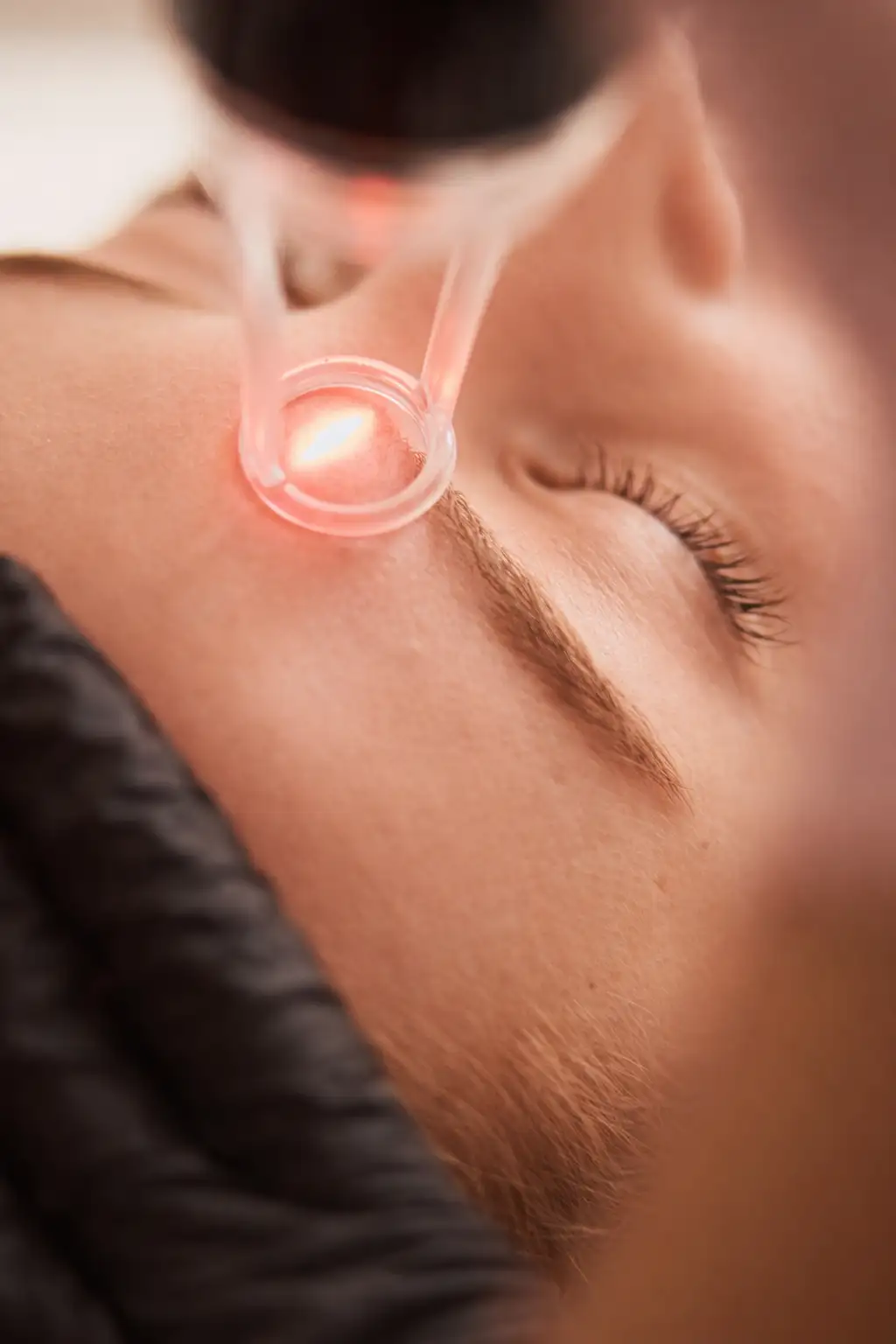
Laser tattoo removal is generally safe when done by trained professionals using appropriate lasers and protective measures.Common temporary effects include redness, swelling, blistering and mild irritation; rare severe effects include infection or unwanted pigment changes.Protective eyewear is used during treatment and aftercare instructions should be followed to reduce risks.
Most people describe laser sessions as a snapping or stinging sensation like a rubber band on skin, and numbing creams or cooling devices are often used to help.
- Laser/IPL Core of Knowledge training and certificates for the specific laser used, ideally at a regulated level like Ofqual where available.
- Experience with tattoo removal laser systems and before/after evidence of results
- Proper clinic health and safety practices and insurance
Theres no dedicated NICE guideline focused solely on tattoo removal, but devices like lasers have safety and performance standards and should be CE/MHRA compliant. In the USA, the FDA regulates laser devices and says they should be used by or under supervision of trained professionals. Following broader clinical safety guidance and aftercare protocols is important.
Local regulatory authority:
- Care Quality Commission (CQC)
Private insurance usage locally:
- Low for elective aesthetic procedures
- Dermatology treatments occasionally covered if medically indicated
Cosmetic finance availability:
- Available in select multi-site clinics
- Third-party finance providers used for higher-ticket laser packages
Who Is a Good Candidate?
- Someone with an unwanted tattoo who is in good general health, has realistic expectations about time and cost, and can attend multiple sessions spaced over weeks.
Choosing a Clinic
- Laser/IPL Core of Knowledge training and certificates for the specific laser used, ideally at a regulated level like Ofqual where available.
- Experience with tattoo removal laser systems and before/after evidence of results
- Proper clinic health and safety practices and insurance
- A practitioner with specific training and experience in laser tattoo removal, not just general cosmetic devices
- Use of advanced, medical-grade lasers suited for tattoo removal
- Transparent discussion about expected number of sessions and possible outcomes
- Clear aftercare guidance and follow-ups
- Safety practices like eye protection and appropriate test settings for your skin type
Current average rating citywide: 4.991666667

Recovery & Long-Term Results
- Most people have minimal downtime and can go about daily life with mild redness or tenderness for a few days.
- Blistering or scabbing can occur and should not be picked to reduce scarring risk.
- Sun protection on the treated area is important during healing.
- Redness, swelling, blistering, temporary pigment changes (lighter or darker), rarely scars with improper aftercare or untrained providers.
Aftercare:
- Laser tattoo removal is typically more effective than over-the-counter creams, which dermatologists warn are ineffective and can even cause skin damage.
- Surgical excision can remove small tattoos in one go, but it leaves a surgical scar and is only practical for smaller pieces.
- Dermabrasion and chemical methods strip layers of skin but are less targeted and often more painful with higher risk of scarring.
- Laser is considered the gold standard with the best balance of effectiveness and safety when done correctly.