Our dataset currently has 2 clinic(s), with approximately 18 reviews and an average rating of 4.7.
Medical Infrastructure:
Primary care GP network within Thurrock
Secondary care via Basildon University Hospital
Private specialist services accessed in Basildon, Brentwood or London
Local Aethetics Market:
Early-stage
Limited provider competition
Narrow treatment breadth
Goals of Vitamin-therapy Treatment
Correct confirmed or suspected vitamin or mineral deficiencies
Support energy levels or recovery in specific situations
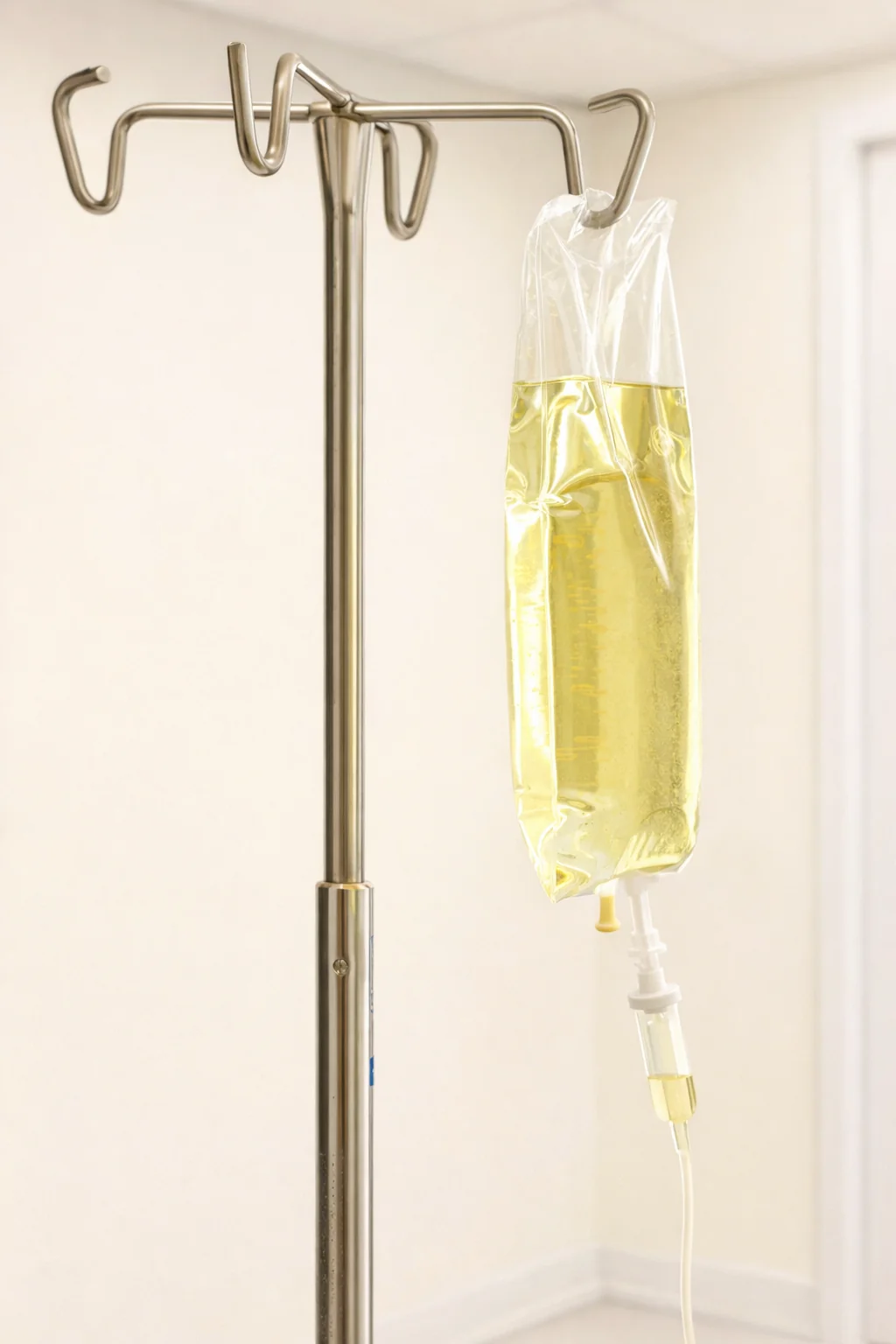
Improve hydration when combined with fluids
Provide targeted nutrients for people who cant absorb them well orally
Sometimes, honestly, just to help people feel proactive about their health
Vitamin-therapy Treatment Options
Medical & Non-Surgical Approaches
Oral supplements work fine for most people and are far cheaper. Diet changes often do more long-term good than any drip. IV therapy may make sense when absorption is impaired, after illness, or with confirmed deficiency. For general wellness, lifestyle changes usually outperform drips over time. ([nhs.uk](https://www.nhs.uk/live-well/healthy-body/))
Pros of Vitamin-therapy Treatment
Cons of Vitamin-therapy Treatment
Cost of Vitamin-therapy Treatment in Stanford-le-Hope
IV vitamin drips often range from GBP 75 to GBP 300 per session
Vitamin injections (e.g. B12) typically cost GBP 25 to 60 per shot
Packages or memberships may reduce per-session cost
Type and dose of vitamins used
Whether blood tests are included
Clinic location and medical oversight
Time spent monitoring during infusion
Marketing and branding, honestly
Accessibility
Public transport:
C2C rail services to London Fenchurch Street (~5060 minutes)
Road access via A13
Parking availability:
Generally good availability of town-centre and residential parking
Clinic distribution:
Clinics likely located within small commercial high street or mixed residential-commercial areas
Airport proximity:
Approximately 2535 minutes from London Southend Airport
4560 minutes from London City Airport
Preparing for Your Vitamin-therapy Appointment
Treatment Safety & Local Regulations
There are no NICE guidelines supporting routine IV vitamin therapy for wellness. NICE and NHS guidance focus on diagnosing and treating deficiencies appropriately. MHRA regulates injectable products used. Vitamin therapy sits in a grey zone where evidence matters more than marketing. Anyway, still figuring it out. But honestly, eating well most days does more than most drips.
Local regulatory authority:
Care Quality Commission (CQC) if regulated medical activities are provided
Otherwise local authority licensing for cosmetic skin penetration treatments
Private insurance usage locally:
Minimal for cosmetic services
Primarily self-funded
Cosmetic finance availability:
Unlikely in micro-market setting
Treatments typically mid-range and paid upfront
Who Is a Good Candidate?
Choosing a Clinic
Current average rating citywide: 4.7

Recovery & Long-Term Results
Aftercare:
Oral supplements work fine for most people and are far cheaper. Diet changes often do more long-term good than any drip. IV therapy may make sense when absorption is impaired, after illness, or with confirmed deficiency. For general wellness, lifestyle changes usually outperform drips over time. ([nhs.uk](https://www.nhs.uk/live-well/healthy-body/))