Top skin-lesions Providers in Washington

Best Skin Lesions Clinics in Washington

Spire Washington Dermatology And Skin Care Clinic

Profile
Spire Washington Dermatology And
CQC

Dermatologist

Rating
( reviews)
Location
Washington NE38 9JZ, United Kingdom
Treatments offered

Skin-lesions Treatment in Washington

Our dataset currently has 1 clinic(s), with approximately 0 reviews and an average rating of 5.

Medical Infrastructure:

    • Part of South Tyneside and Sunderland NHS Foundation Trust catchment
    • Proximity to Sunderland Royal Hospital and Newcastle teaching hospitals
    • Established GP network across Sunderland locality

Local Aethetics Market:

    Clinically integrated dermatology micro-market with limited cosmetic retail presence

Goals of Skin-lesions Treatment

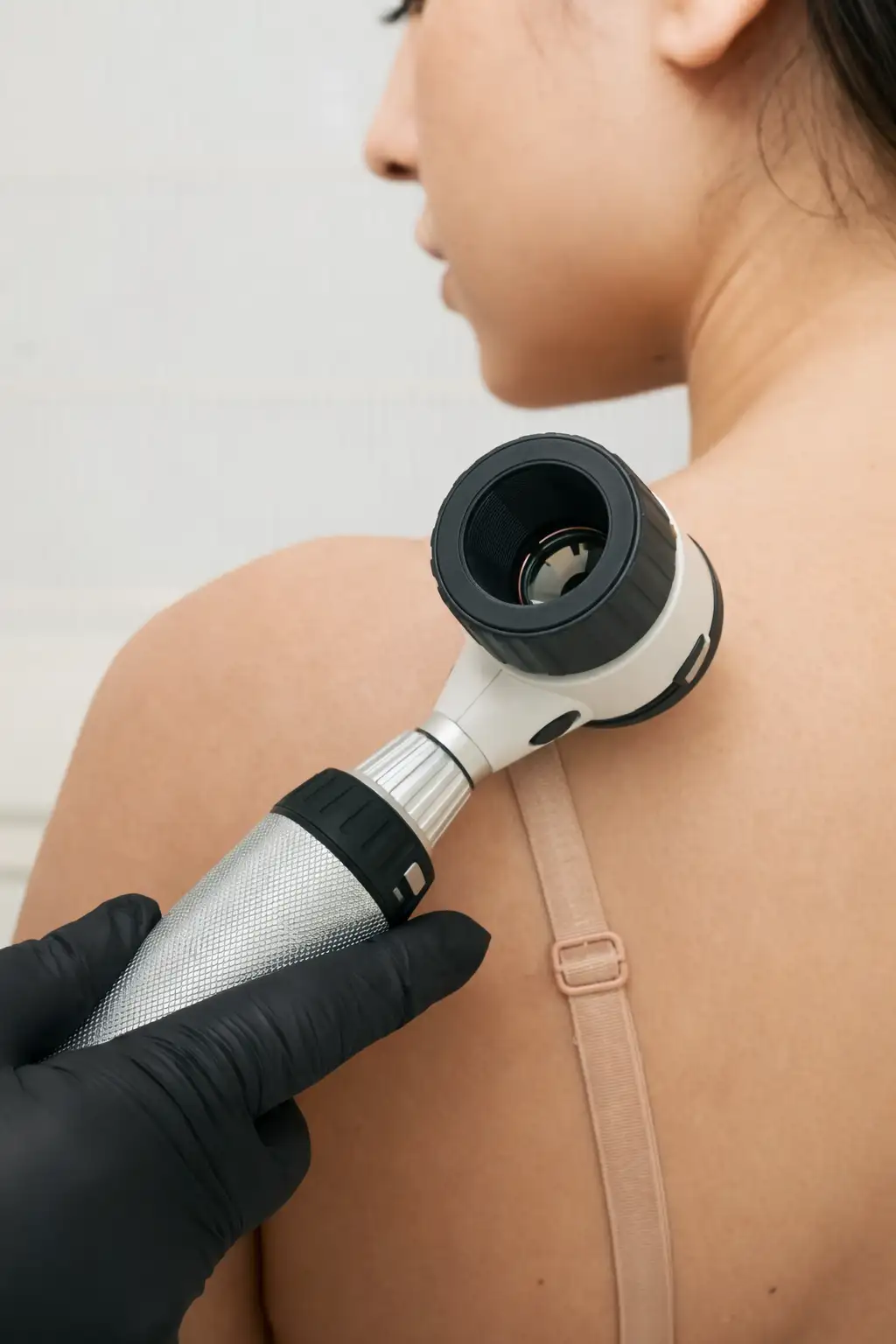
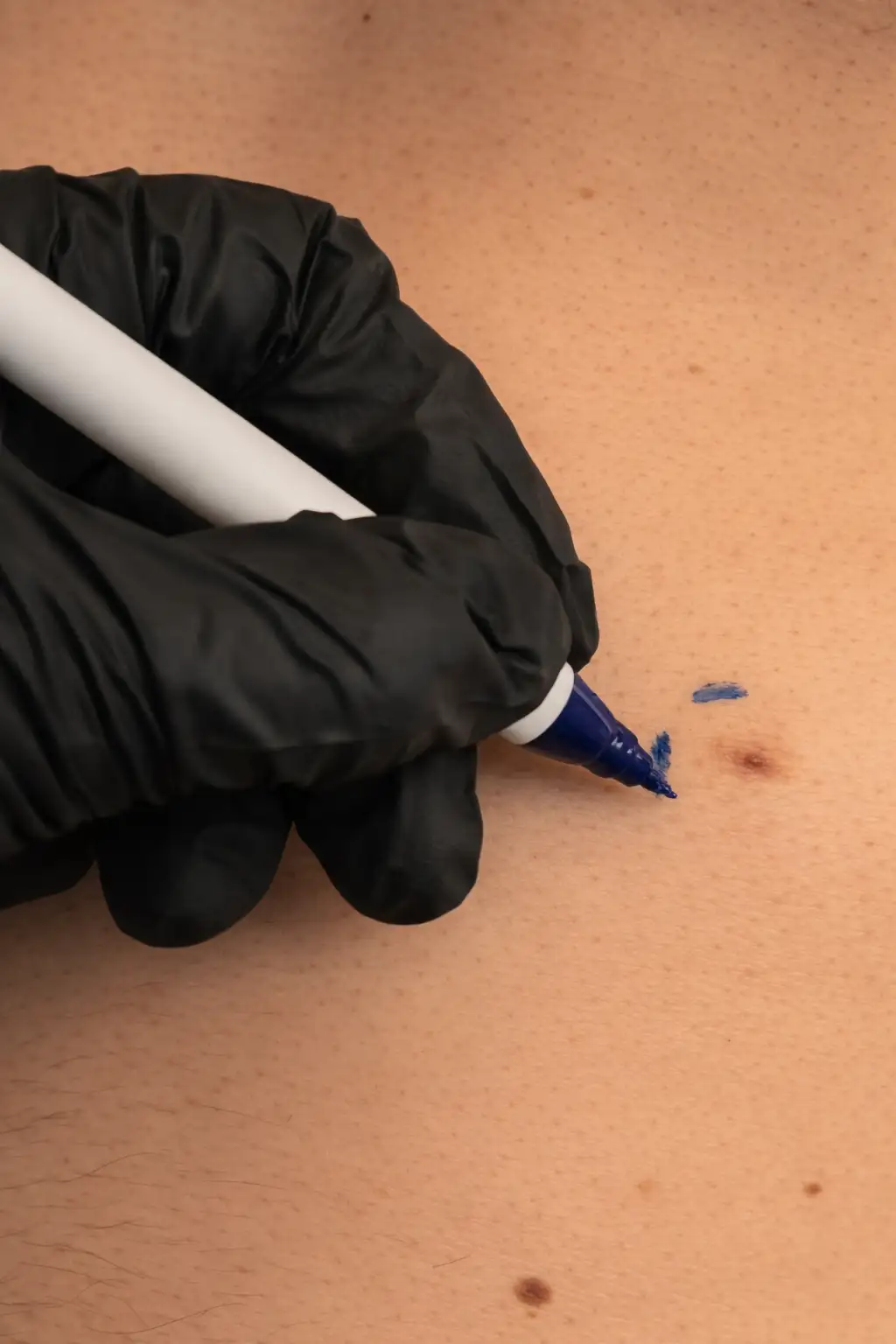
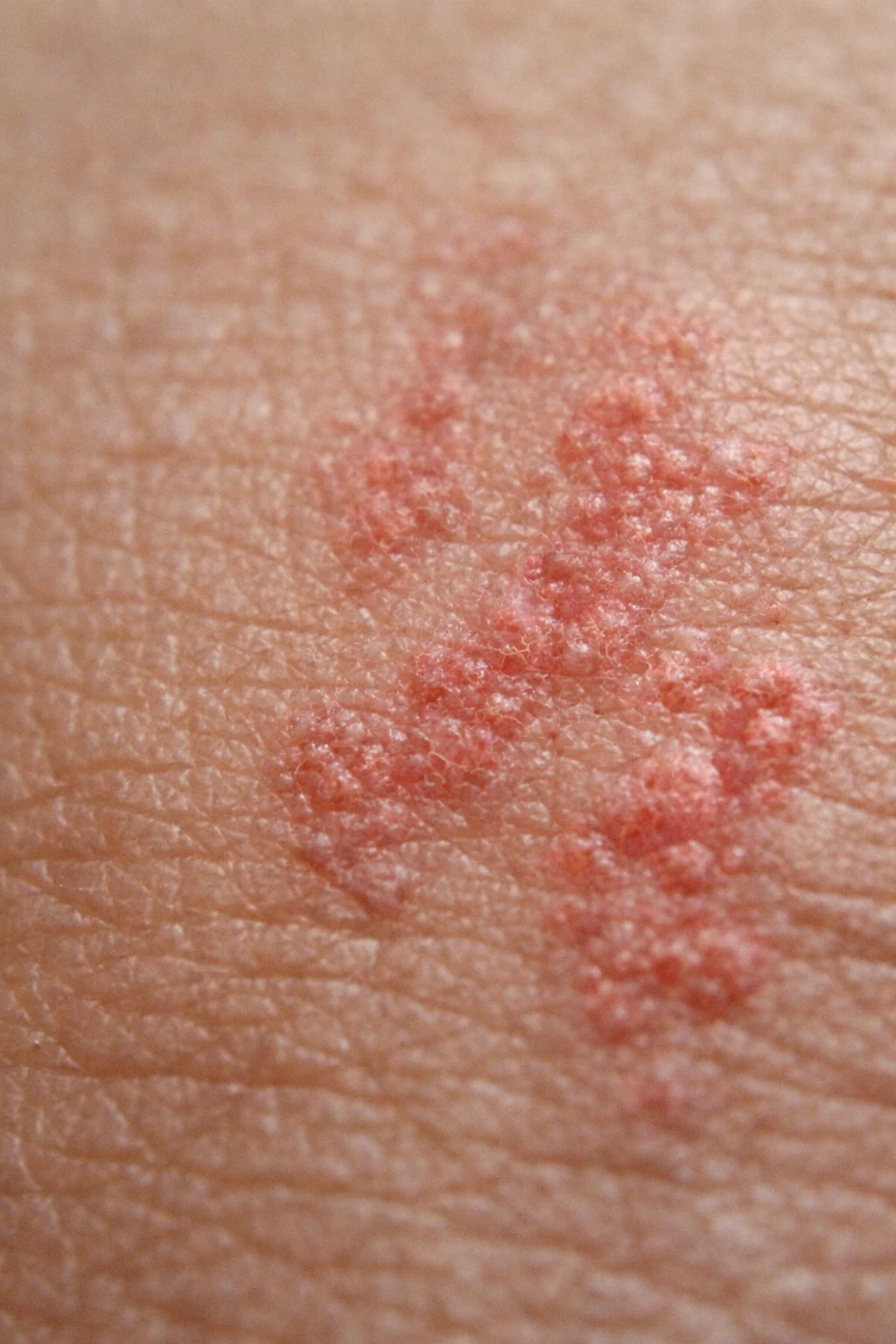
  • Correctly identify what the lesion actually is
  • Rule out malignancy early if theres any doubt
  • Treat or remove lesions that are symptomatic, growing, bleeding, or cosmetically distressing
  • Preserve healthy tissue and minimise scarring
  • Give you clarity so youre not guessing or spiralling on Google at 1am

Skin-lesions Treatment Options

Medical & Non-Surgical Approaches

  • Some lesions can be monitored rather than removed, especially if clearly benign. Others respond to topical treatments like cryotherapy or prescription creams. DIY or cosmetic-only approaches are risky for undiagnosed lesions because they can destroy visual clues needed for cancer detection. In short, assessment first, treatment second. ([cancerresearchuk.org](https://www.cancerresearchuk.org/about-cancer/skin-cancer))

Pros of Skin-lesions Treatment

    Cons of Skin-lesions Treatment

      Cost of Skin-lesions Treatment in Washington

      • NHS assessment and treatment is free when medically indicated
      • Private consultation for skin lesions often ranges GBP 200 to 350
      • Private removal with histology typically GBP 500 to 1,000+ depending on complexity and site ([harleystreetskinclinic.com](https://www.harleystreetskinclinic.com/articles/understanding-mole-removal-cost-uk-guide/))
      • Benign vs suspicious lesions
      • Whether biopsy and histology are included
      • Size, number, and anatomical location
      • Clinic location and surgeon experience
      • Need for reconstruction or stitches

      Accessibility

      Public transport:

        • Road connectivity via A1(M) and A1231
        • Bus links to Sunderland and Newcastle
        • Nearest rail access via Sunderland/Newcastle

      Parking availability:

        Hospital or medical-site parking infrastructure likely available

      Clinic distribution:

        Likely located within hospital or medical campus setting rather than high street retail unit

      Airport proximity:

        Approximately 25 minutes to Newcastle International Airport

      Preparing for Your Skin-lesions Appointment

        Treatment Safety & Local Regulations

          Yes. NICE guidelines cover suspected cancer referrals and management of skin lesions, especially melanoma and non-melanoma skin cancers. MHRA regulates devices and treatments used. There isnt one single skin lesion guideline because its a category, not a diagnosis. ([nice.org.uk](https://www.nice.org.uk/guidance/ng12))

          Local regulatory authority:

            Care Quality Commission (CQC)

          Private insurance usage locally:

            • Relevant for private dermatology consultations
            • Patients may access via Bupa, AXA or WPA policies if consultant practises privately

          Cosmetic finance availability:

            Not central to service mix given medical dermatology focus

          Who Is a Good Candidate?

            Choosing a Clinic

              Current average rating citywide: 5

              Recovery & Long-Term Results

                Aftercare:
                • Some lesions can be monitored rather than removed, especially if clearly benign. Others respond to topical treatments like cryotherapy or prescription creams. DIY or cosmetic-only approaches are risky for undiagnosed lesions because they can destroy visual clues needed for cancer detection. In short, assessment first, treatment second. ([cancerresearchuk.org](https://www.cancerresearchuk.org/about-cancer/skin-cancer))