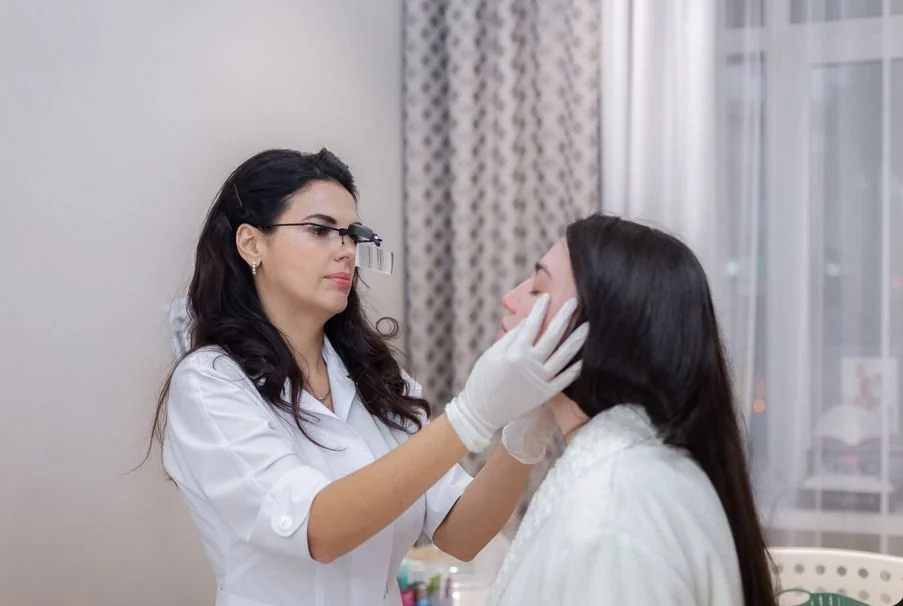
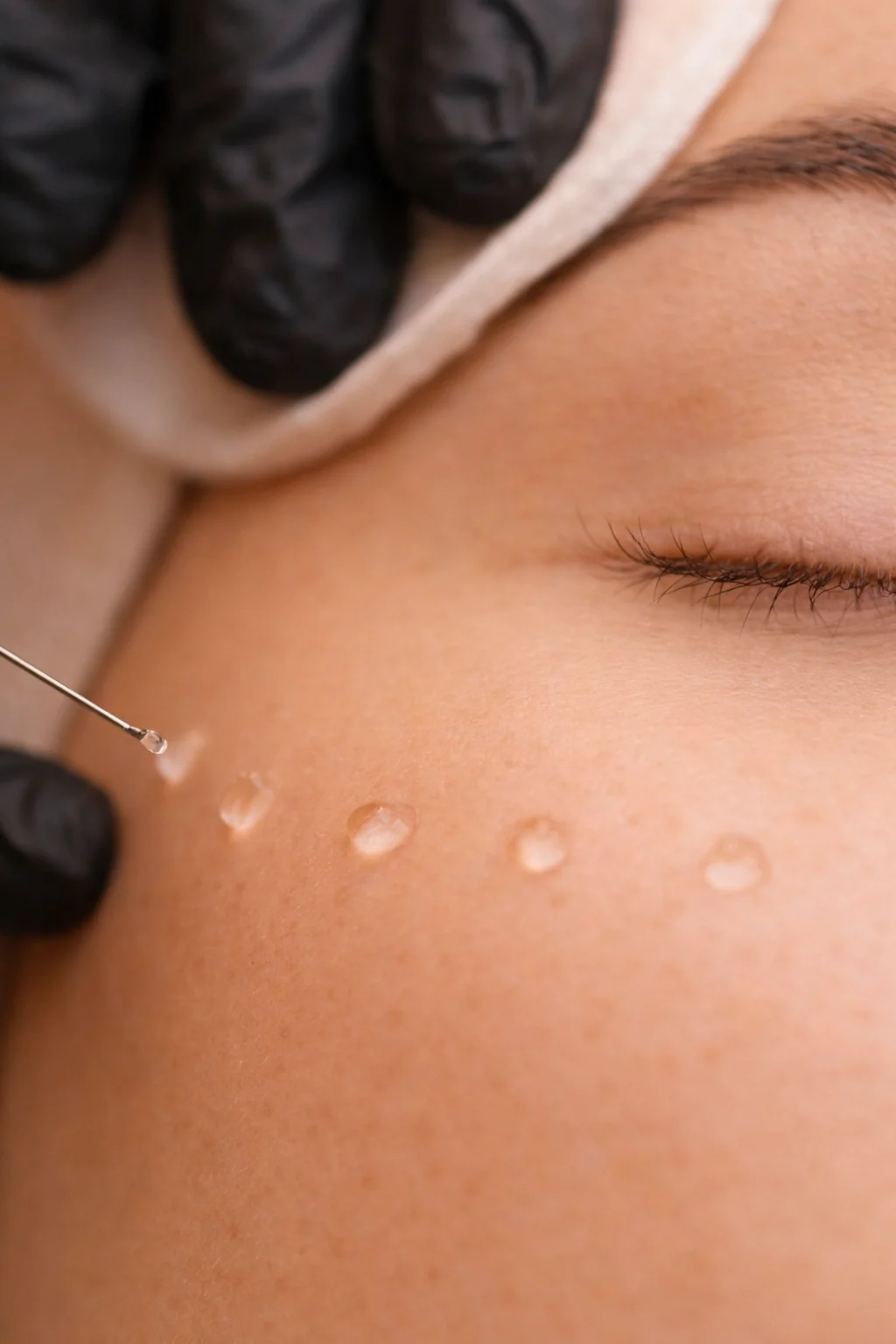
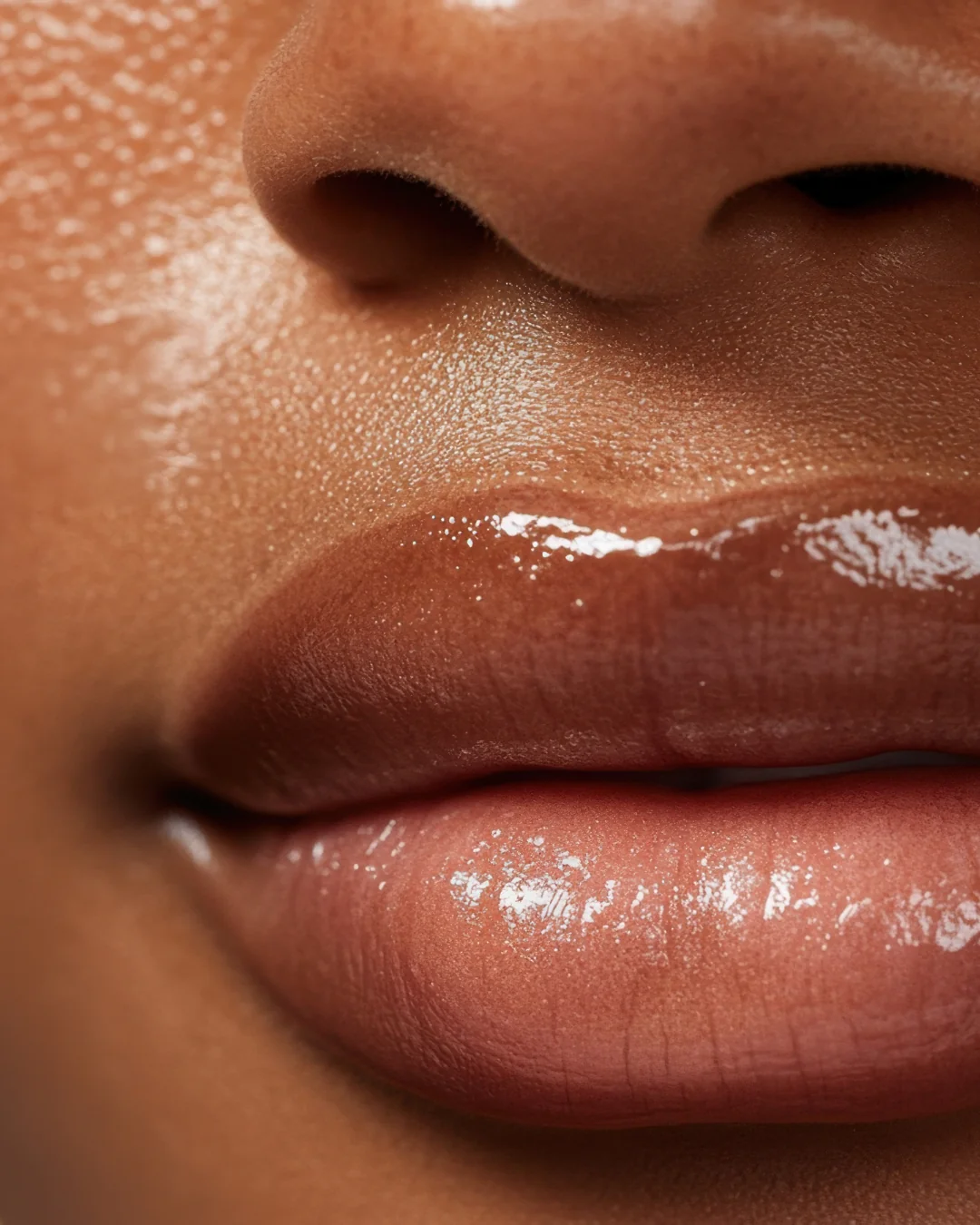
Fillers, often called dermal fillers, are injectable gels used to add volume, smooth wrinkles, and contour facial features. Most modern fillers are based on hyaluronic acid, a molecule that naturally exists in the body and attracts and holds water. When injected beneath the skin, they fill in spaces left by lost volume, smooth lines, and enhance shape. You�ll see effects right away, though swelling can make the first days a bit puffy before it settles into a more natural look. ([turn0search0], [turn0search4])
Our dataset currently has 5 clinic(s), with approximately 11 reviews and an average rating of 4.46.
Medical Infrastructure:
- Prince Charles Hospital (Merthyr Tydfil) within regional catchment
- NHS GP network under Cwm Taf Morgannwg University Health Board
- Primary care presence within town
Local Aethetics Market:
- Emerging-to-moderate maturity
- Established injectables market but limited advanced aesthetic infrastructure
- Avoid heavy sun exposure before your appointment
- Discuss medications and supplements (some blood thinners can increase bruising risk)
- Have a candid conversation about what results are realistic
- Plan your schedule in case of temporary swelling/bruising
Yes, since results fade over time. Many people schedule touch-ups every 6�18 months depending on the filler type, area and how their body metabolises it. ([turn1search1], [turn1search5])
Fillers are generally safe with a trained practitioner using regulated products. Fillers are classed as Class III medical devices regulated by the MHRA. ([turn0search7])Common short-term effects are bruising, swelling, redness and tendernessRare but serious risks include infection, lumps, migration, vascular occlusion (blocked blood vessel) and tissue damage if injected incorrectly. Knowing warning signs and acting quickly is key. ([turn0search8], [turn0search10])
Pain varies by person and area; many formulations include local anaesthetic and implants can feel like a quick pinch or pressure rather than sharp pain.
- Healthcare professional qualification (doctor, nurse, dentist) with specific training in aesthetic injectables
- Experience with the product and areas you�re targeting
- Strong knowledge of facial anatomy and complication management
There isn�t a single NICE guideline dedicated only to dermal fillers, but devices and safety standards fall under MHRA regulation as medical devices. Government consultation and licensing schemes for non-surgical cosmetic procedures are underway to raise training and safety standards in the UK. ([turn0search1], [turn0search3], [turn0search9])
Local regulatory authority:
- Healthcare Inspectorate Wales (HIW) for regulated independent healthcare services
- General Medical Council (GMC) oversight for doctors
Private insurance usage locally:
- Very low for cosmetic injectables
- Predominantly self-funded treatments
Cosmetic finance availability:
- Limited
- Likely informal payment plans rather than regulated medical finance providers
- Healthcare professional qualification (doctor, nurse, dentist) with specific training in aesthetic injectables
- Experience with the product and areas you�re targeting
- Strong knowledge of facial anatomy and complication management
- Choose someone medically trained (doctor, nurse, dentist) with specific injectable training
- Ask about their experience with the specific areas you want treated
- Look at realistic before/after photos from actual patients
- Ensure they discuss both risks and benefits openly
- Verify they use trusted, regulated filler products
Current average rating citywide: 4.46