
Top Aesthetic Practitioners in Whitchurch
Best Practitioners in Whitchurch

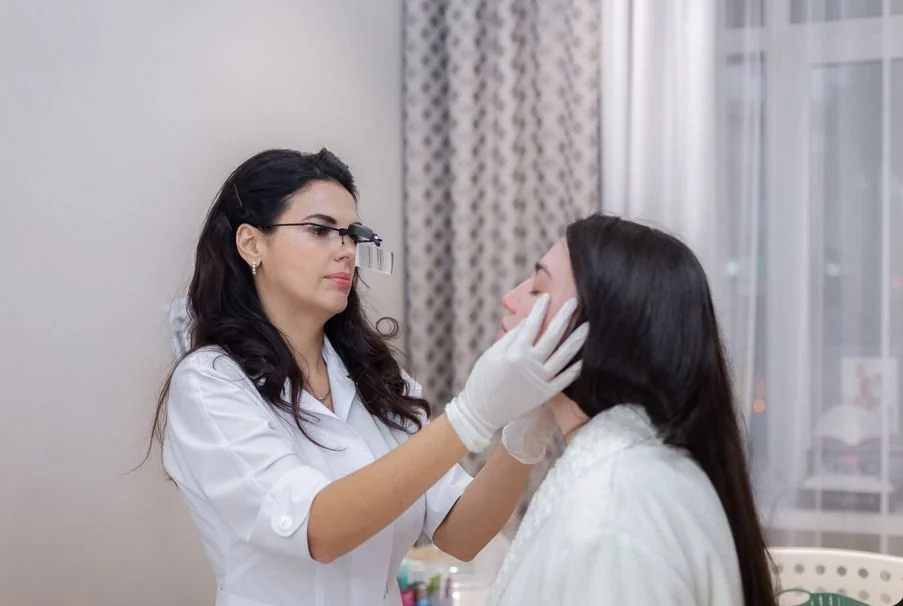
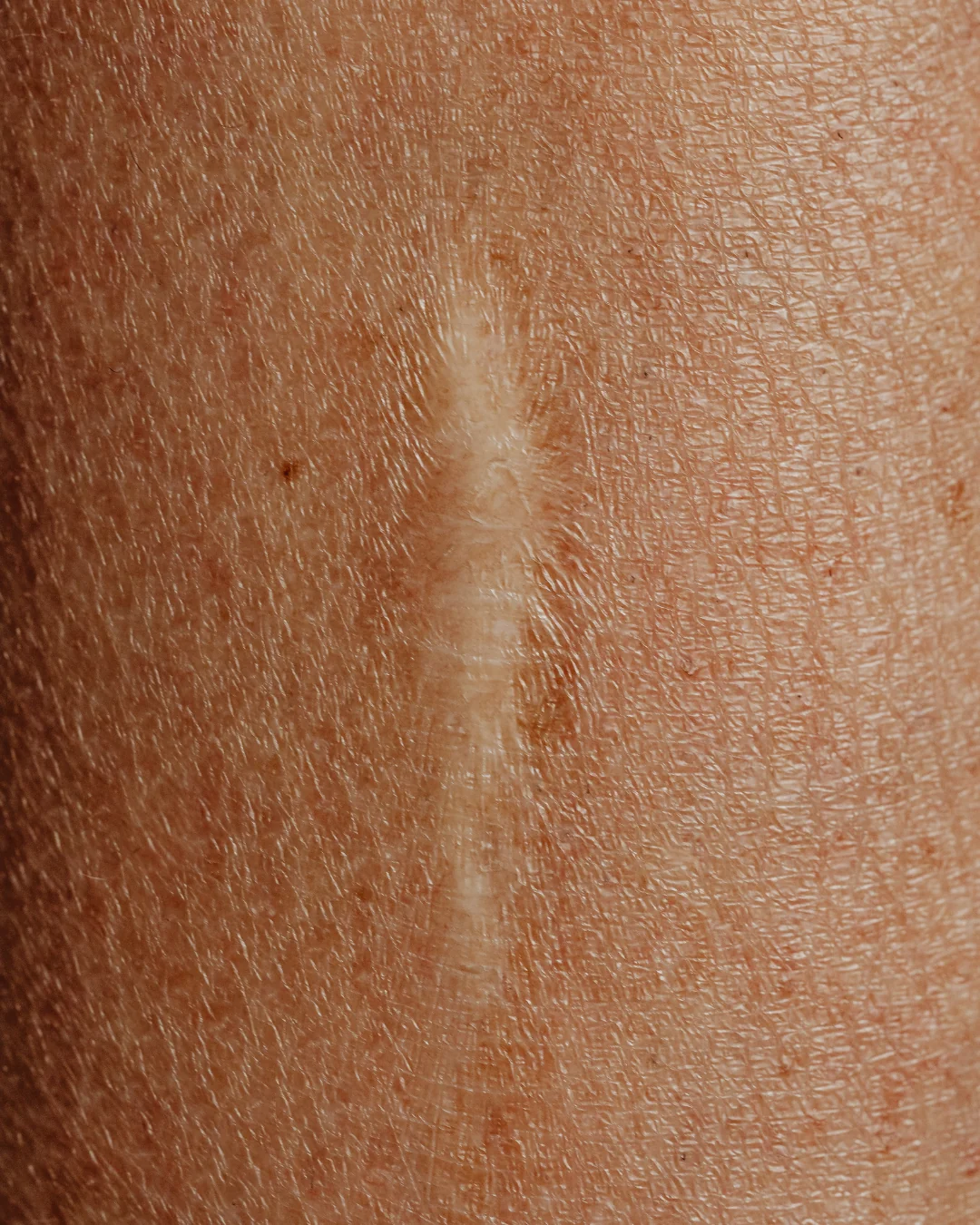
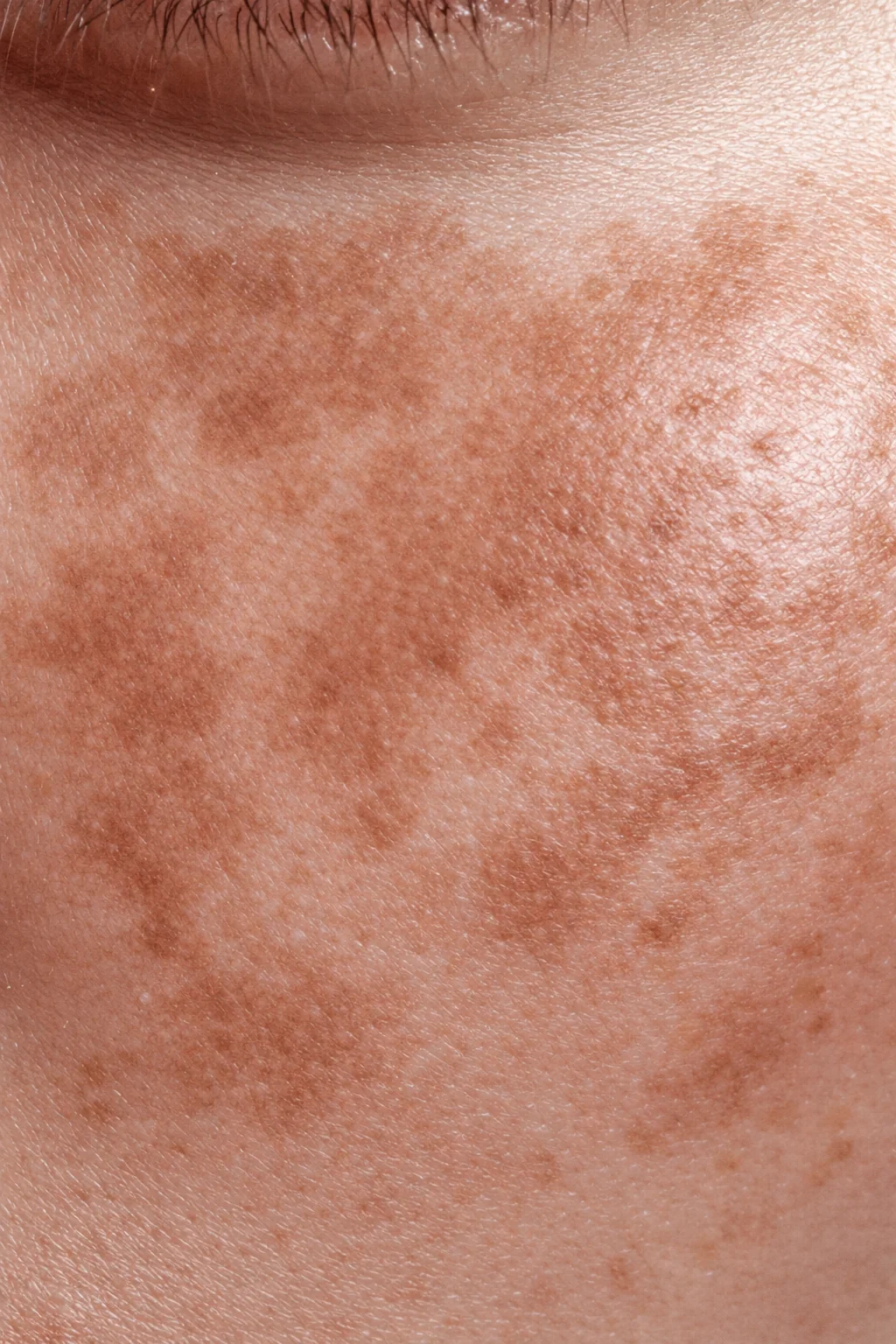
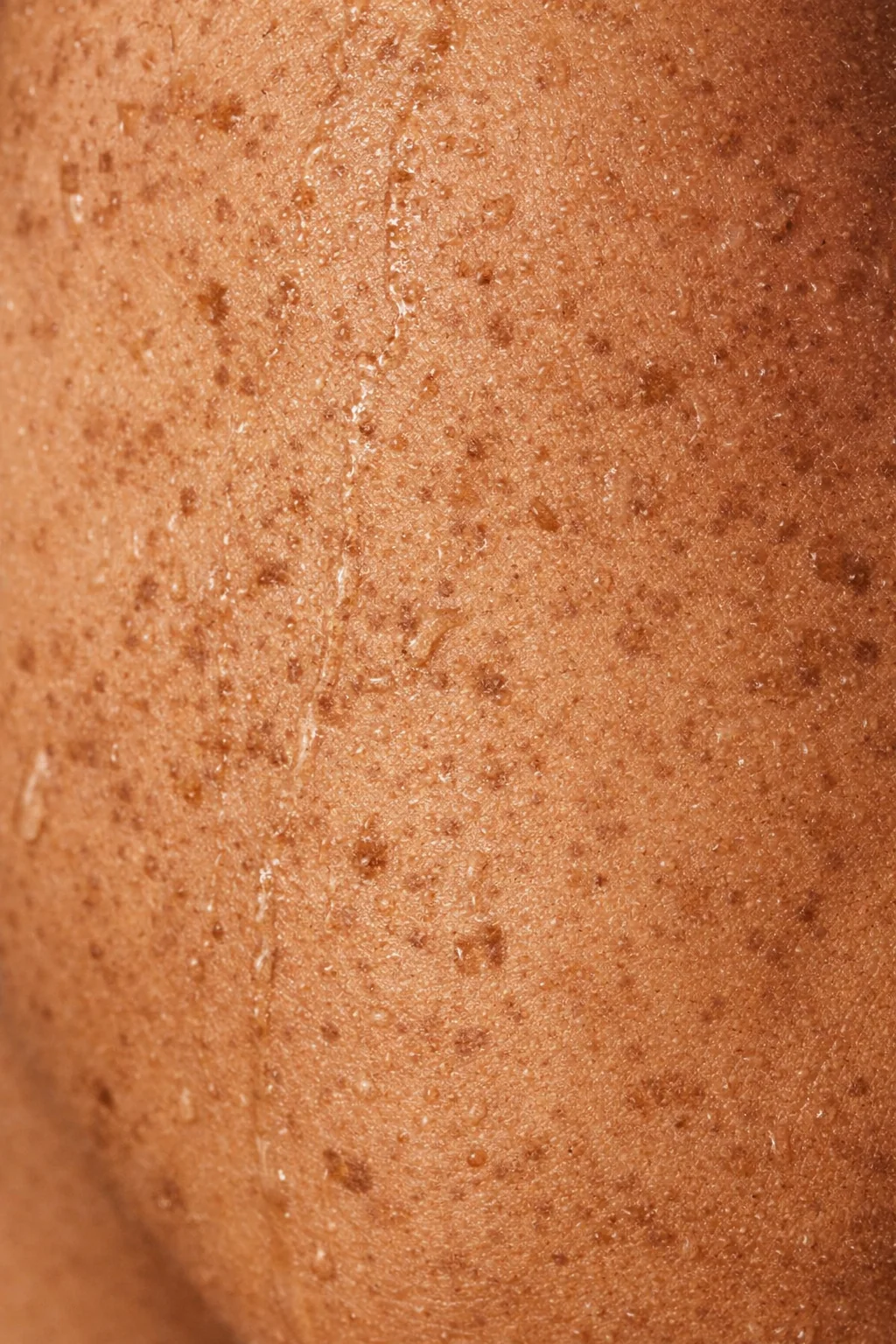
Top Treatments in Whitchurch






Top Cities in the UK
About Whitchurch
Population:
- Approximately 9,000–10,000 (market town scale
- Population varies by county—e.g., Shropshire ~9,800
- Hampshire smaller parish).
Lifestyle Characteristics:
- Traditional market town
- Strong local community ties
- Owner-occupied housing
- Limited nightlife economy
- Beauty and skin services driven by repeat local clientele rather than commuter inflow.
Medical Infrastructure:
- Primary care GP practices locally
- Secondary and dermatology services accessed via nearest district general hospitals (county-dependent)
- No major private hospital located directly within town boundary.
Market Size
Number of Clinics:
2Total Reviews:
85Average Citywide Rating:
5- Early-to-mid maturity
- Focused on core facial and resurfacing treatments.
Treatments
Regulatory & Compliance Environment
Primary Regulator:
- Local authority environmental health licensing for skin treatments
- Care Quality Commission (CQC) only applicable if regulated medical activities are provided.
Prescribing Requirements:
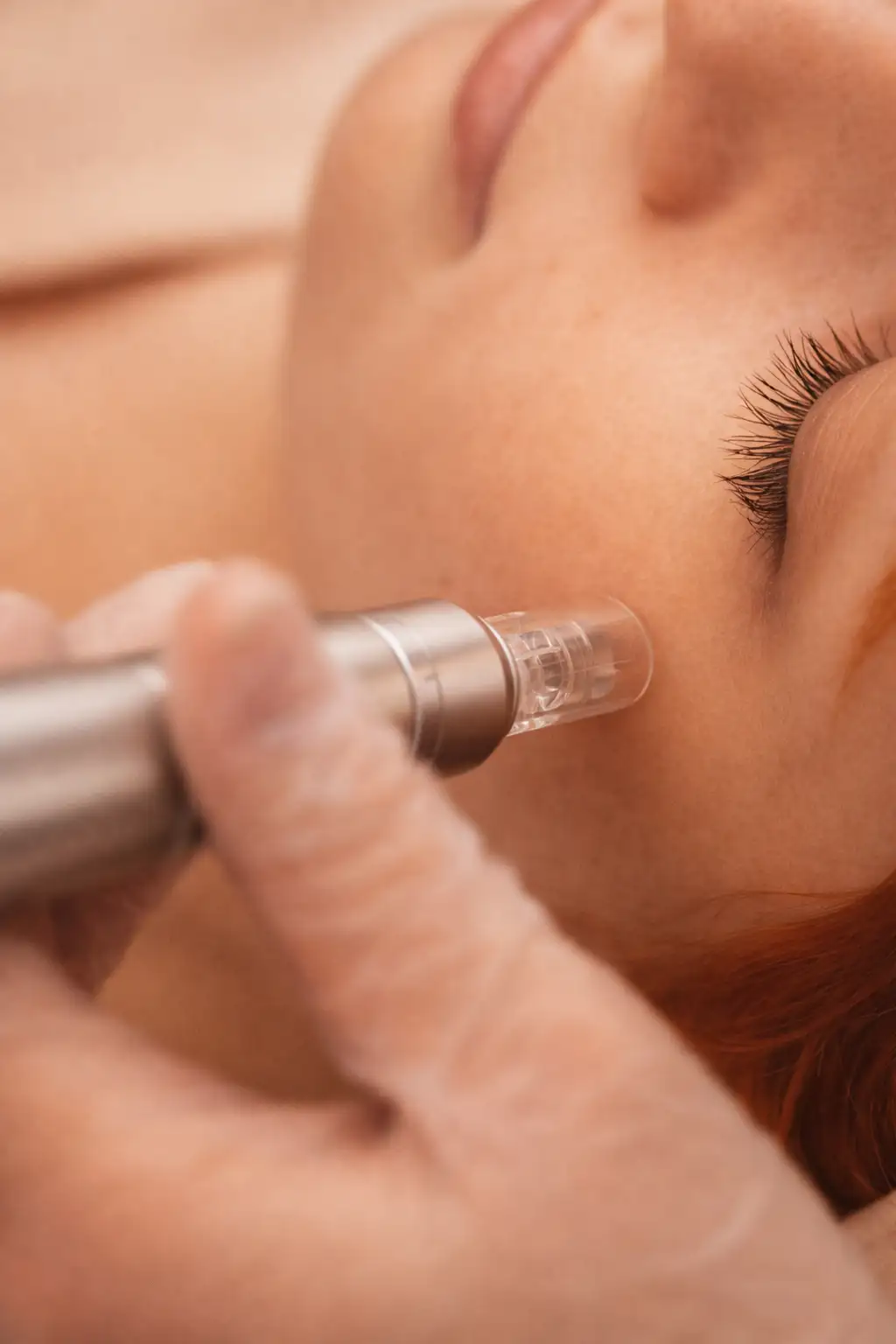
Chemical peels and micro-needling typically non-prescription unless combined with prescription-only injectables (not listed in current service set).Inspection Framework:
- Beauty and aesthetic skin clinics subject to local council licensing and health & safety compliance
- CQC oversight required only if delivering regulated medical procedures.
Insurance & Financing
Private Insurance Usage:
- Minimal
- Cosmetic skin treatments not covered by standard private medical insurance.
Cosmetic Finance Availability:
- Rare in small market towns
- Treatments typically priced for pay-per-session affordability.
Seasonality & Local Trends
Peak Booking Periods:
January–March (post-holiday skin reset)September–November (post-summer peel season)Social Media Trends:
Before-and-after facial resultsEducational skin care tipsClient testimonial screenshotsSeasonal skincare promotionsReferral Networks & Teaching Hospital Links
- Nearest teaching hospital dependent on county location
- Typically regional NHS trust rather than local facility.
Accessibility & Location Factors
Public Transport Proximity:
- Limited rail connectivity (town-dependent)
- Bus services connect to nearby larger towns
- Car travel primary mode.
Parking Availability:
City Centre vs Suburban Distribution:
Medical Tourism Potential
Tourism Volume Indicator:
Hotel Density Near Clinics:
Airport Proximity:
- Dependent on county location
- Generally 45–90 minutes to nearest regional airport.
Overall Medical Tourism Viability:
- Primarily local client base
- Limited out-of-area draw due to small-town scale and absence of advanced specialist procedures.