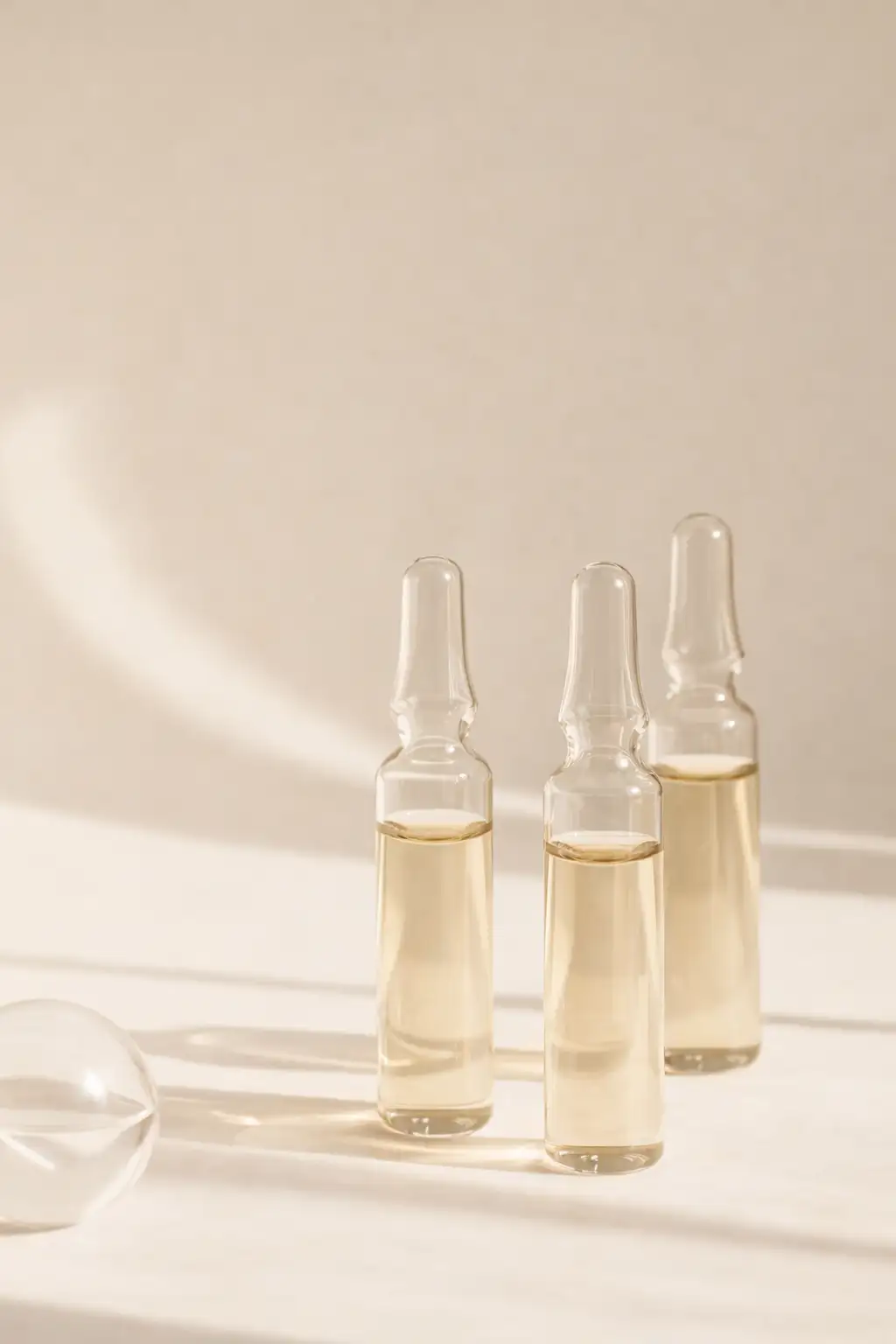
Adrenaline (Epinephrine) 1mg/ml (1:1000) Solution for Injection (Ampoules)
Misc (Generics)
Prescription-only medicine (POM) – adrenergic emergency injectionSympathomimetic catecholamine; 1mg/ml (1:1000) solution for injection in glass ampoules
Certifications
- UK MHRA Licensed medicinal product: Adrenaline (Epinephrine) 1mg/ml (1:1000) solution for injection (ampoule) with Marketing Authorisation PL 01883/6118R for Macarthys Laboratories Ltd t/a Martindale Pharma, as listed on emc.
- Classified as a Prescription Only Medicine (POM) in the United Kingdom.
- Pharmacotherapeutic classification: adrenergic and dopaminergic agents, adrenaline; ATC code C01CA24.
- Product information (SmPC and PIL) approved by the UK Medicines and Healthcare products Regulatory Agency and published via emc (datapharm) with last SmPC update dated 05 March 2025.
- Manufactured and packaged in accordance with EU/UK Good Manufacturing Practice (GMP) requirements for sterile parenteral medicinal products, as implied by MHRA marketing authorisation status.
- UK MHRA Licensed medicinal product: Adrenaline (Epinephrine) 1mg/ml (1:1000) solution for injection (ampoule) with Marketing Authorisation PL 01883/6118R for Macarthys Laboratories Ltd t/a Martindale Pharma, as listed on emc.
- Classified as a Prescription Only Medicine (POM) in the United Kingdom.
- Pharmacotherapeutic classification: adrenergic and dopaminergic agents, adrenaline; ATC code C01CA24.
- Product information (SmPC and PIL) approved by the UK Medicines and Healthcare products Regulatory Agency and published via emc (datapharm) with last SmPC update dated 05 March 2025.
- Manufactured and packaged in accordance with EU/UK Good Manufacturing Practice (GMP) requirements for sterile parenteral medicinal products, as implied by MHRA marketing authorisation status.
Sympathomimetic catecholamine; 1mg/ml (1:1000) solution for injection in glass ampoules
Description
Adrenaline (Epinephrine) 1mg/ml (1:1000) Solution for Injection is a clear, colourless, sterile solution of adrenaline acid tartrate in 1mg/ml strength, presented in type I glass ampoules in a range of fill volumes. It is a direct-acting sympathomimetic catecholamine that stimulates alpha- and beta-adrenergic receptors. This UK-licensed product is indicated for the emergency treatment of anaphylaxis and acute allergic reactions. It is administered by trained healthcare professionals, usually by intramuscular injection into the anterolateral thigh, and provides rapid cardiovascular and bronchodilator effects to counteract the life-threatening manifestations of severe allergic reactions. The product is classified as a prescription only medicine in the UK and is authorised under MHRA PL 01883/6118R for Martindale Pharma.
Bnefits
- Provides rapid first-line treatment for anaphylaxis and acute severe allergic reactions through potent alpha- and beta-adrenergic stimulation.
- Restores blood pressure and counters vasodilation and increased vascular permeability, helping to reverse hypotension and shock in anaphylaxis.
- Produces bronchodilation via beta-adrenergic receptor stimulation, improving airflow and relieving bronchospasm and wheeze.
- Helps reduce oedema, urticaria, angioedema and other cutaneous manifestations associated with severe allergic reactions.
- Rapid onset of action after intramuscular administration, with effects suitable for emergency use in community and hospital settings.
- Available as small-volume ampoules (e.g. 0.5ml, 1ml) that support accurate weight- and age-based dosing, including paediatric dosing.
- Well-characterised pharmacology and safety profile, with regulatory documentation and ongoing pharmacovigilance via MHRA and emc.
Indications
- Emergency treatment of anaphylaxis, as stated in the UK SmPC for Adrenaline (Epinephrine) 1mg/ml (1:1000) solution for injection (ampoule).
- Emergency treatment of acute allergic reactions requiring parenteral adrenaline (epinephrine) as described in section 4.1 of the SmPC.
Composition
- Active ingredient: Adrenaline (Epinephrine) 1mg/ml as adrenaline acid tartrate (each 1ml contains 1mg adrenaline; each 0.5ml ampoule contains 0.5mg; 1ml ampoule 1mg; 2ml ampoule 2mg; 5ml ampoule 5mg; 10ml ampoule 10mg).
- Excipient with known effect: Sodium metabisulfite 1mg/ml.
- Other excipients: Sodium chloride; water for injections; hydrochloric acid or sodium hydroxide for pH adjustment.
- Sodium content: less than 1 mmol (23mg) sodium per ml, i.e. essentially sodium-free.
Formulation
- Pharmaceutical form: Sterile solution for injection.
- Appearance: Clear, colourless sterile solution free from visible particiculates.
- Strength: 1mg/ml (1:1000) adrenaline (epinephrine).
- pH: Approximately 2.8–3.6 as stated in the SmPC.
- Osmolarity: Approximately 300 mOsm/kg.
- ATC code: C01CA24 (adrenergic and dopaminergic agents, adrenaline).
- Container presentations: 0.5, 1, 2, 5 and 10ml type I colourless neutral OPC glass ampoules (not all sizes may be marketed).
Packaging
- Container: Type I colourless neutral OPC (one point cut) glass ampoules, fusion sealed.
- Fill volumes available: 0.5ml, 1ml, 2ml, 5ml, 10ml ampoules as described in section 6.5 of the SmPC (not all pack sizes may be marketed).
- Pack size: Cartons containing 10 ampoules for each marketed strength/volume presentation, as per emc product information.
- Supplied in an outer carton intended to protect ampoules from light as required by the storage precautions.
- Labelling includes the product name, strength (1mg/ml 1:1000), route of administration, batch number, expiry date, and marketing authorisation details in line with MHRA requirements.
Usage
- Administration must be by a trained healthcare professional familiar with the management of anaphylaxis and acute allergic reactions.
- Recommended route for anaphylaxis and acute allergic reactions: intramuscular (IM) injection, usually into the anterolateral aspect of the middle third of the thigh as stated in the SmPC.
- Adults: usual IM dose 0.5mg (0.5ml of 1mg/ml solution), repeated at 5-minute intervals if necessary according to blood pressure, pulse and respiratory status.
- Paediatric dosing (IM), as per SmPC guidance: over 12 years 0.5mg IM (or 0.3mg if small or pre-pubertal); 6–12 years 0.3mg IM; 6 months–6 years 0.15mg IM; under 6 months 0.01mg/kg IM (0.01ml/kg of 1mg/ml solution).
- Doses may be repeated every 5–15 minutes according to clinical response, with continuous monitoring of vital signs (pulse, blood pressure, ECG, pulse oximetry) as soon as possible.
- The IM route is recommended as first-line; the subcutaneous route is not advised for anaphylaxis because of less reliable absorption.
- Intravenous use for anaphylaxis requires a 0.1mg/ml (1:10000) solution; this 1mg/ml product must be diluted appropriately if 0.1mg/ml adrenaline solution is unavailable, and IV administration should only be undertaken by specialists experienced in vasopressor titration.
- Do not use the injection if the solution is discoloured or contains visible particles; ampoules are for single use only, and any unused solution must be discarded.
- Always refer to the latest approved SmPC and institutional anaphylaxis protocols for detailed dosing and administration instructions.
Contraindications
- Known hypersensitivity to adrenaline (epinephrine) or to any excipient listed in the SmPC (including sodium metabisulfite).
- Use in fingers, toes, ears, nose, genitalia or buttocks is discouraged because of the risk of ischaemic tissue necrosis due to intense local vasoconstriction.
- Do not use the product if the solution is discoloured or shows visible particulates.
- Clinical note from SmPC: many contraindications are relative because adrenaline 1mg/ml solution is intended for life-threatening emergencies where potential benefit outweighs the usual contraindications.
Adverse Effects
- Adverse effects mainly reflect stimulation of alpha- and beta-adrenergic receptors and depend on dose and patient sensitivity.
- Metabolism and nutrition: hyperglycaemia, hypokalaemia, metabolic acidosis (frequency not known).
- Psychiatric: anxiety, nervousness, fear, hallucinations (frequency not known).
- Nervous system: headache, tremor, dizziness, syncope; exacerbation of rigidity and tremor in patients with Parkinsonian syndromes (frequency not known).
- Eye disorders: mydriasis (frequency not known).
- Cardiac: palpitations, tachycardia; at higher doses or in susceptible patients, cardiac dysrhythmias (including sinus tachycardia, ventricular fibrillation/cardiac arrest), acute angina attacks and potential risk of myocardial infarction (frequency not known).
- Vascular: pallor and cold extremities; at higher doses or in susceptible patients, hypertension with risk of cerebral haemorrhage and significant vasoconstriction (e.g. cutaneous, renal) (frequency not known).
- Respiratory: dyspnoea (frequency not known).
- Gastrointestinal: nausea and vomiting (frequency not known).
- General: sweating and weakness; repeated local injections can cause tissue necrosis at injection sites because of intense vasoconstriction.
- Overdose or inadvertent rapid IV administration may lead to severe hypertension, cerebral haemorrhage, serious arrhythmias, myocardial necrosis, acute pulmonary oedema and renal insufficiency as described in section 4.9 of the SmPC.
Storage Conditions
- Do not store above 25°C as stated in section 6.4 of the SmPC.
- Do not freeze.
- Keep ampoules in the original carton in order to protect from light.
- Store in accordance with local policies for POM emergency medicines and check expiry dates regularly.
- For single use only; once an ampoule is opened, any unused solution must be discarded and not stored for later use.
Duration
Short-term emergency treatment only. Doses are given acutely for the management of anaphylaxis or acute allergic reactions, with repeat IM doses at 5\u201315 minute intervals as clinically indicated; use continues only until the acute episode is stabilised and definitive ongoing care is in place.
Onset
Rapid onset of action after intramuscular injection, with short duration of effect of approximately 1\u20132 hours as described in the pharmacokinetic section of the SmPC (plasma half-life around 2\u20133 minutes, but clinical effects last longer due to local absorption characteristics).
| Price | Link |
|---|---|
| £2.40 | https://www.teleta.co.uk/product/adrenaline-11000-1 |
| Price | Link |
|---|---|
| £24.00 | https://www.teleta.co.uk/product/adrenaline-11000-10 |
| Price | Link |
|---|---|
| £19.99 | https://thecrystalpharmacy.co.uk/shop/product/?I=269 |