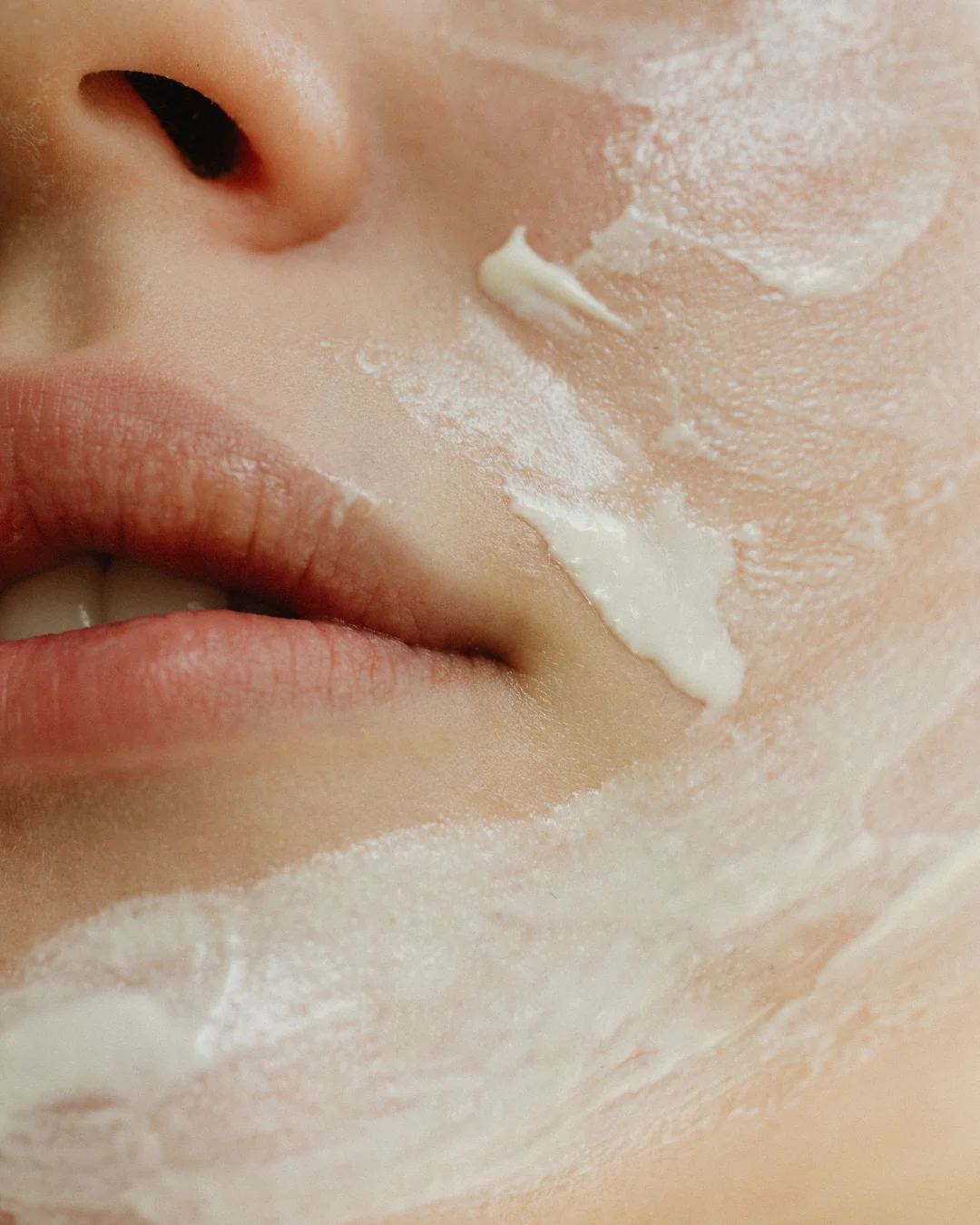
Dermol Cream 500g
Dermol
Prescription and pharmacy medicineAntimicrobial emollient cream for eczema and dermatitis
Certifications
- UK licensed medicinal product with Marketing Authorisation number PL 00173/0171 (Dermol Cream).
- Regulated by the UK Medicines and Healthcare products Regulatory Agency (MHRA).
- Complies with relevant UK and EU standards for quality, safety and efficacy of topical dermatological medicines.
- Supplied with an approved Summary of Product Characteristics (SmPC) and Patient Information Leaflet (PIL).
- UK licensed medicinal product with Marketing Authorisation number PL 00173/0171 (Dermol Cream).
- Regulated by the UK Medicines and Healthcare products Regulatory Agency (MHRA).
- Complies with relevant UK and EU standards for quality, safety and efficacy of topical dermatological medicines.
- Supplied with an approved Summary of Product Characteristics (SmPC) and Patient Information Leaflet (PIL).
Antimicrobial emollient cream for eczema and dermatitis
Description
Dermol Cream 500g is an antimicrobial emollient cream for the treatment and prevention of dry, itchy (pruritic) skin conditions, particularly eczema and dermatitis. It contains two antiseptics, benzalkonium chloride and chlorhexidine dihydrochloride, which help combat skin bacteria (including Staphylococcus aureus that often worsens eczema) and prevent infection caused by scratching. It also contains two emollient oils, liquid paraffin and isopropyl myristate, which soften, moisturise and protect the skin by trapping moisture and restoring the normal barrier function. Dermol Cream can be used as a leave-on emollient on dry or problem skin and as a soap substitute in place of ordinary soaps or shower gels to avoid further drying or irritation. It is fragrance-free, dye-free, suitable for all age groups including babies, and is available in a 500 g pump dispenser bottle.
Bnefits
- Treats and helps prevent dry, itchy skin conditions such as eczema and dermatitis.
- Dual-action formula combining antimicrobials and emollients to address both infection risk and skin dryness.
- Benzalkonium chloride and chlorhexidine dihydrochloride reduce skin bacteria and help prevent infection from scratching.
- Liquid paraffin and isopropyl myristate soften, moisturise and protect the skin by trapping moisture and restoring the barrier.
- Can be used as a leave-on emollient and as a soap substitute to replace ordinary soaps and shower gels.
- Helps break the itch–scratch cycle by relieving dryness and irritation and reducing bacterial load.
- Suitable for all ages, including infants, children, adults and the elderly.
- Fragrance-free and dye-free, reducing the risk of irritation from perfumes or colourants.
- Non-greasy white cream that is easy to apply and absorbs without leaving heavy residue.
- Can be used alongside other prescribed emollients or topical treatments as part of a dry skin management plan.
Indications
- Dry and pruritic (itchy) skin conditions, especially eczema and dermatitis.
- Dry, irritated or inflamed skin at risk of secondary bacterial infection or already colonised with bacteria such as Staphylococcus aureus.
- Problem skin areas that require regular emollient therapy and antimicrobial protection.
- Patients of any age (including babies) requiring an antimicrobial emollient cream, either as a leave-on product or as a soap substitute.
- Use as part of a regimen to help break the itch–scratch cycle in chronic dry skin conditions.
Composition
- Cetostearyl alcohol
- Glycerol
- Macrogol cetostearyl ether (cetomacrogol 1000)
- Phenoxyethanol
- Disodium phosphate dodecahydrate
- Sodium dihydrogen phosphate dihydrate
- Purified water
Formulation
- White, non-greasy, fragrance-free cream.
- Aqueous cream base containing 20% w/w emollient oils (liquid paraffin and isopropyl myristate) and antimicrobial agents (benzalkonium chloride and chlorhexidine dihydrochloride).
- Topical cutaneous formulation for external use only.
- Suitable for frequent, long-term use as part of routine emollient therapy.
Packaging
- Plastic pump-dispenser bottle containing 500 g of cream.
- Also marketed in 100 g plastic tubes and smaller 30 g packs (for medical/allied professions).
- Supplied in an outer carton with full prescribing and usage information, including a Patient Information Leaflet (PIL).
Usage
- For cutaneous use only.
- Use regularly and as often as required for maximum benefit.
- For use as a leave-on emollient:
- • Apply Dermol Cream to the affected areas of skin.
- • Gently smooth into the skin; do not rub vigorously.
- • Allow any excess to soak in; reapply as often as needed.
- • If using other topical treatments on the same area, apply them at different times and allow each product to soak in before applying the next.
- For use as a soap substitute:
- • Use Dermol Cream instead of ordinary soap or shower gel when washing.
- • Massage onto wet skin as you would with a liquid soap; the product will not foam or lather.
- • After washing, bathing or showering, rinse if directed and then gently pat the skin dry with a soft towel (avoid rubbing).
- Pump usage (500 g bottle):
- • Before first use, turn the top of the pump anti-clockwise to unlock, then press down several times to prime the pump.
- General advice:
- • Avoid contact with the eyes; if it occurs, rinse thoroughly with water.
- • Use with caution on very sensitive skin; a small test area may be tried first, especially on the face or in young children.
- • Do not smoke or go near naked flames during use or shortly after application, and keep treated fabrics away from ignition sources due to fire risk from paraffin build-up.
Contraindications
- Known hypersensitivity or allergy to benzalkonium chloride, chlorhexidine dihydrochloride, liquid paraffin, isopropyl myristate or any of the excipients (including cetostearyl alcohol).
- History of serious allergic reactions to chlorhexidine-containing products.
- Do not apply to acutely broken skin where a healthcare professional has advised against the use of these ingredients.
Adverse Effects
- Rare local skin reactions at the site of application, such as redness, irritation and/or itching.
- Very rare but serious systemic allergic reactions associated with chlorhexidine (e.g. facial swelling, urticaria, wheeze or difficulty breathing, dizziness, collapse); if these occur, treatment must be stopped and urgent medical help sought.
- Cetostearyl alcohol may cause local skin reactions (e.g. contact dermatitis) in susceptible individuals.
- Excessive use, particularly in areas of folded skin (groin, nappy area), may increase the likelihood of local irritation.
- As with all paraffin-containing emollients, there is an increased risk of fabric fire hazard when clothing, bedding or dressings soaked with the product are exposed to naked flames or smoking materials.
Storage Conditions
- Keep out of the sight and reach of children.
- Do not store above 25°C.
- Do not use after the expiry date shown on the container and carton (expiry refers to the last day of the stated month).
- Always replace the cap after use; for the 500 g bottle, turn the pump top clockwise to lock when not in use.
- Store in the original container to protect from contamination.
- Keep treated fabrics away from naked flames or ignition sources due to paraffin build-up and associated fire hazard.
Duration
Dermol Cream may be used long term and as often as required for ongoing management of chronic dry skin conditions such as eczema and dermatitis. Duration is determined by clinical need and healthcare professional advice; many patients use it daily as a regular emollient and soap substitute.
Onset
Soothing, softening and moisturising effects are usually felt soon after application, with itch relief and improvement in dryness typically occurring within days of regular use. Control of recurrent flares and reduction in infection-related exacerbations are achieved with continuous, long-term use as part of an overall eczema or dermatitis management plan.