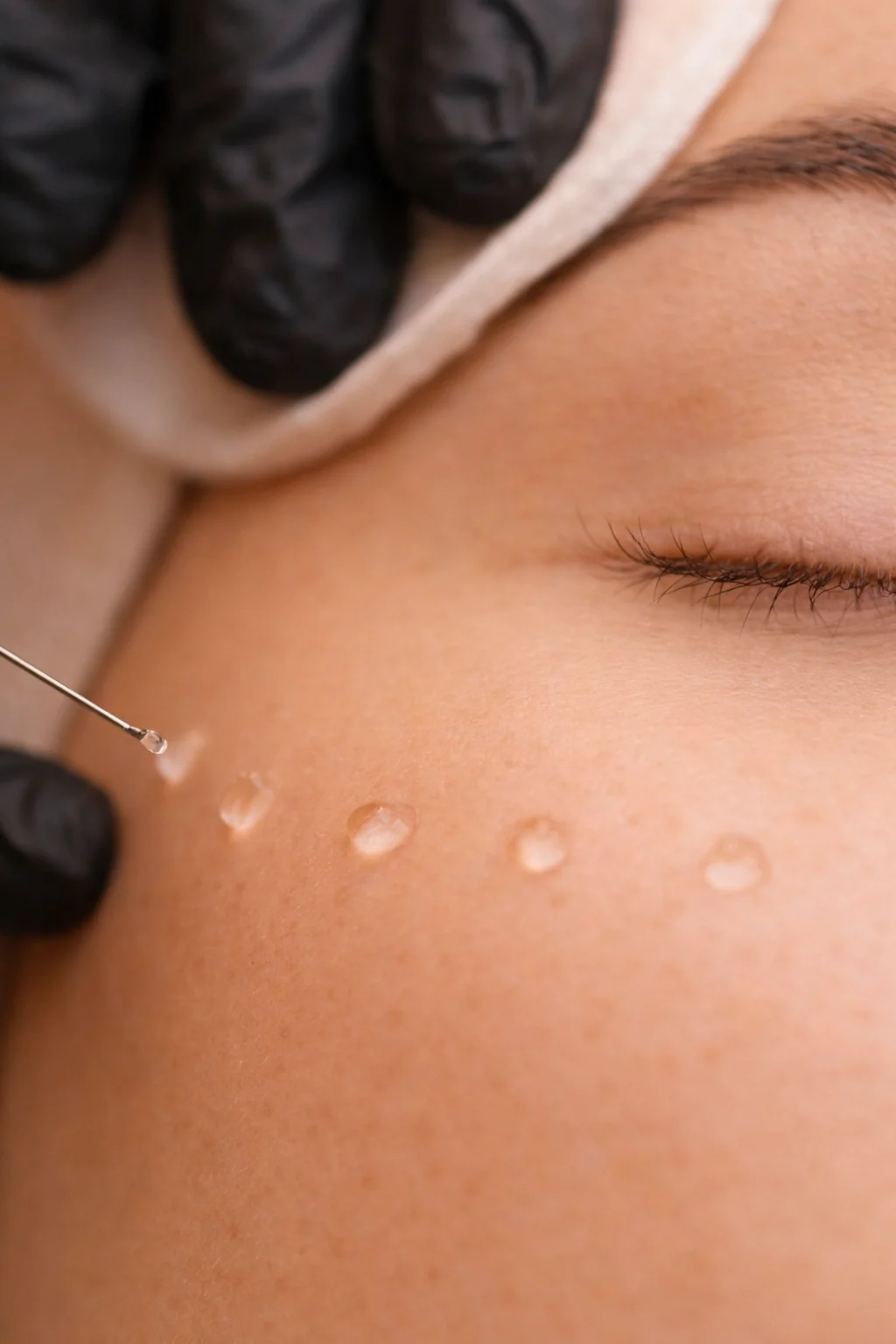
LMX4 Numbing Cream 5g
LMX4
Topical local anaesthetic creamLidocaine 4% w/w skin cream
Certifications
- Licensed medicinal product containing lidocaine listed on the UK electronic medicines compendium (emc).
- Authorised in the UK under the regulation and oversight of the Medicines and Healthcare products Regulatory Agency (MHRA).
- Manufactured according to Good Manufacturing Practice (GMP) standards for pharmaceutical products.
- Meets applicable regulatory requirements for topical lidocaine medicines in the UK and other regulated markets where authorised.
- Licensed medicinal product containing lidocaine listed on the UK electronic medicines compendium (emc).
- Authorised in the UK under the regulation and oversight of the Medicines and Healthcare products Regulatory Agency (MHRA).
- Manufactured according to Good Manufacturing Practice (GMP) standards for pharmaceutical products.
- Meets applicable regulatory requirements for topical lidocaine medicines in the UK and other regulated markets where authorised.
Lidocaine 4% w/w skin cream
Description
LMX4 Numbing Cream 5g is a 4% w/w lidocaine topical anaesthetic cream used to numb the surface of intact skin before procedures such as venous cannulation, venipuncture, blood tests and painful topical skin treatments. It temporarily blocks pain signals in the skin, providing short-term pain relief for medical and aesthetic procedures when applied as directed.
Bnefits
- Provides local surface anaesthesia of intact skin before venous cannulation or venipuncture.
- Helps reduce pain and discomfort associated with injections, blood tests and cannula insertion.
- Can be used before painful topical dermatological or aesthetic treatments on larger areas of intact skin where a topical anaesthetic is appropriate.
- Contains lidocaine 4% w/w, a well-established local anaesthetic with rapid onset of action.
- Convenient 5 g tube suitable for single or occasional procedural use.
- Licensed medicine with patient information leaflet and summary of product characteristics available via official medicines compendia.
Indications
- Topical anaesthesia of intact skin prior to venous cannulation or venipuncture.
- Topical anaesthesia of intact skin prior to administration of painful topical treatments on larger surface areas of intact skin where use of a topical anaesthetic is appropriate.
- Reduction of pain and discomfort associated with blood tests and cannula insertion in adults and children where suitable.
- Adjunct for painful dermatological and aesthetic procedures (for example certain laser or skin treatments and tattoos) where a topical lidocaine cream is considered appropriate by a healthcare professional.
Composition
- Active ingredient: Each 1 g of cream contains lidocaine 40 mg (4% w/w).
- Excipients: benzyl alcohol, carbomer (carbomer 940/carbomers), cholesterol, hydrogenated soy lecithin (phospholipon 80H or equivalent hydrogenated lecithin), polysorbate 80, propylene glycol, trolamine, vitamin E acetate and purified water.
Formulation
- Topical cream for cutaneous use only.
- Oil-in-water liposomal cream base containing 4% w/w lidocaine.
- White to off-white yellowish cream, designed to enhance penetration of lidocaine into the superficial layers of the skin.
Packaging
- 5 g aluminium tube of LMX4 Lidocaine 4% w/w Cream supplied in an outer carton.
- Tube format suitable for precise application to small treatment areas prior to procedures.
Usage
- For cutaneous use only on intact skin; do not apply to broken, inflamed or eczematous skin, mucous membranes or near the eyes.
- Adults, including elderly, and children over 1 month of age: apply approximately 1 g to 2.5 g of cream to the area of skin where venous cannulation, venipuncture or topical treatment will occur.
- 1 g of cream is approximately equivalent to a 5 cm length of cream extruded from the 5 g tube.
- Use 1 g to 2.5 g of cream to cover an area of approximately 2.5 cm x 2.5 cm (6.25 cm²).
- Apply at least 30 minutes before the procedure; in some cases the cream may be left in place for longer (up to a maximum of 5 hours) as directed by the product information or a healthcare professional.
- The treated area may be covered with an occlusive dressing to keep the cream in place and prevent disturbance.
- Before starting the procedure, remove the cream with a clean gauze swab and prepare the skin in the usual manner (for example using an alcohol wipe).
- Do not exceed the recommended dose or application area, especially in infants and young children; always follow the patient information leaflet or healthcare professional instructions.
- Wash hands thoroughly after application unless hands are the treatment site.
Contraindications
- Known hypersensitivity or allergy to lidocaine, other local anaesthetics of the amide type, or any of the excipients in the cream.
- Application to broken, irritated, infected, inflamed or eczematous skin, or to mucous membranes, inside the mouth, in the nose, in the ears, in the eyes, or in the genital or anal areas unless specifically directed by a doctor.
- Use in premature infants (born before 37 weeks gestation); use with particular caution in infants and young children and only under appropriate medical advice.
- Concurrent use with other high-dose local anaesthetic products may increase the risk of systemic toxicity; medical advice is recommended if other local anaesthetics are being used.
Adverse Effects
- Common local skin reactions at the application site such as transient redness (erythema), pallor, swelling (oedema), itching (pruritus), burning, tingling or stinging sensation.
- Application-site rash or irritation, including contact dermatitis or eczema-like reactions in some individuals.
- Less commonly, small petechial skin haemorrhages or purpura at the application site.
- Rare hypersensitivity reactions, including urticaria or angioedema; very rare systemic allergic reactions. Discontinue use and seek medical attention if signs of severe allergy occur (for example swelling of the face, lips or throat, difficulty breathing, widespread rash).
- As with other local anaesthetics, excessive dosing, large application areas or impaired skin barrier may theoretically increase the risk of systemic effects such as central nervous system or cardiovascular symptoms; therefore recommended doses and application times should not be exceeded.
Storage Conditions
- Store below 25°C.
- Keep the tube tightly closed when not in use and store in the original carton to protect from light.
- Do not freeze.
- Keep out of the sight and reach of children.
- Do not use after the expiry date printed on the pack and tube.
Duration
Single-use application before each relevant procedure. Apply once 30\u201360 minutes before venous cannulation, venipuncture or painful topical treatments on intact skin; repeat only for subsequent procedures in accordance with the patient information leaflet or healthcare professional advice.
Onset
Adequate local anaesthesia is usually achieved about 30 minutes after application under an occlusive dressing. The cream may be left in place for up to 5 hours before the procedure, with the anaesthetic effect persisting while the cream remains in contact with the skin within the recommended time limits.
| Price | Link |
|---|---|
| From £18.49 | https://aestheticsrxpharma.co.uk/shop/lmx4-numbing-cream-30g/ |
| Price | Link |
|---|---|
| From £4.98 | https://aestheticsrxpharma.co.uk/shop/lmx4-numbing-cream-5g/ |