CoolSculpting
CoolSculpting Treatment
CoolSculpting Treatment Statistics and Key Information
- Patient Satisfaction Rate
- 95%
- Average Treatment Cost
- See provider pricing
- Number of Reviews
- 5000
- Number of Available Practitioners
- 78
- Treatment Downtime Duration
- Varies by treatment
Overview
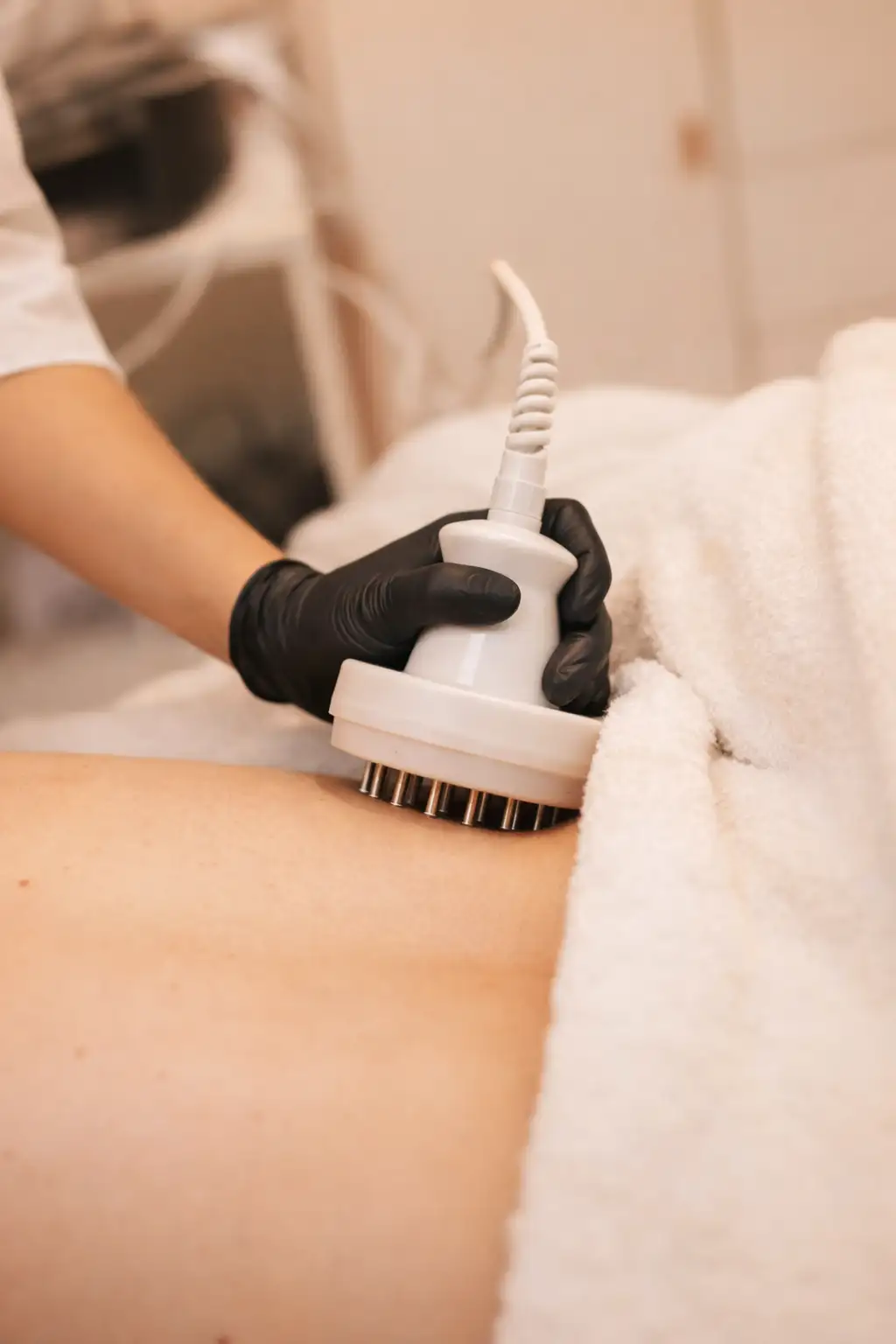
CoolSculpting (often called cryolipolysis in general) is a non-surgical fat reduction treatment that uses precisely controlled cooling to freeze fat cells beneath the skin. The idea is that fat cells are more sensitive to cold than other tissues. So when they’re chilled to certain temperatures, they undergo natural cell death and are gradually cleared out by your body’s lymphatic system over weeks to months. You don’t have incisions or anaesthesia with CoolSculpting. It’s meant for body contouring, not weight loss.
Goals of CoolSculpting treatment
- Reduce stubborn fat pockets in specific areas (abdomen, flanks, chin, thighs, arms).
- Improve body contour without surgery.
- Offer an option for people close to their ideal weight who haven’t responded to diet/exercise.
Treatment Options
Pros
- Non-invasive (no cuts, no general anaesthesia).
- Minimal downtime, often you resume normal activities the same day.
- Can permanently eliminate fat cells in treated areas if weight stays stable.
- Gradual, natural-looking results.
Cons
- Not instant; you might wait weeks to months to see best results.
- Fat reduction per session is modest (often ~20-27% in treated areas).
- Not ideal for severe or widespread fat issues – it’s more contouring than big loss.
- Results depend on maintaining weight; remaining fat cells can enlarge if you gain weight.
Candidate & Preparation
Appointments & Safety
Pain Considerations
Most people feel intense cold and maybe a tugging sensation at first until numbness sets in, then discomfort is mild.
Safety Considerations
- Generally safe with certified devices; sensors shut off if skin gets too cold.
- Temporary redness, swelling, or bruising are common.
- Discuss cold sensitivities like Raynaud’s with your clinician.
Cost & Access
Typical Prices
In the UK, CoolSculpting tends to run roughly GBP 350 to GBP 1,200 per session or cycle depending on the clinic, area, and applicator size.
Why Prices Vary
- Clinic location and reputation (Central London often costs more).
- Different applicators and treatment areas (larger areas cost more).
- Technology version (e.g., traditional vs Elite).
- Package deals or multiple session plans.
Results & Maintenance
How Long Results Last
Once fat cells are eliminated, they don’t come back. However, remaining fat cells can expand if you gain weight, so lifestyle matters in keeping results.
Maintenance Requirements
Some people choose repeat sessions to refine results, often spaced months apart, but there’s no strict schedule; it’s based on goals and how your body responded.