Skin Cancer

Skin Cancer Treatment
Skin Cancer Treatment Statistics and Key Information
- Patient Satisfaction Rate
- 95%
- Average Treatment Cost
- See provider pricing
- Number of Reviews
- 51273
- Treatment Downtime Duration
- After surgical removal you may have a dressing and stitches; healing varies by site but often weeks.
- Number of Available Practitioners
- 1270
Overview
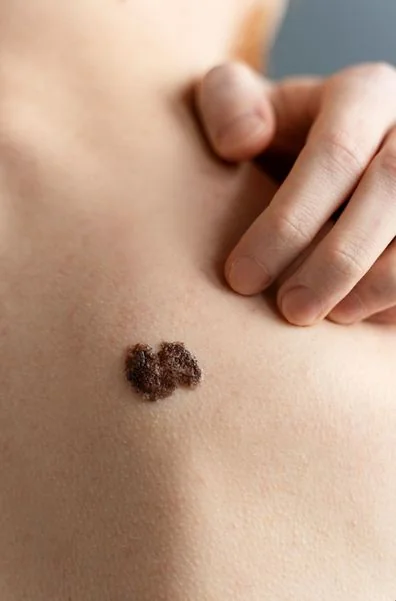
Skin cancer is when cells in your skin grow out of control because their DNA gets damaged, often by ultraviolet (UV) light from the sun or sunbeds. Those damaged cells can multiply unchecked and form a tumour. There are two broad camps: non-melanoma skin cancers like basal cell carcinoma (BCC) and squamous cell carcinoma (SCC) which usually stay local and are easier to treat, and melanoma which arises from pigment cells and is more dangerous because it can spread to other organs. It’s literally an error in the way skin cells divide and repair themselves after damage, and early detection changes everything for outcomes.
Goals of Skin Cancer treatment
- Detect it as early as possible so treatment is more effective and simpler (early melanoma has near-100% cure rates).
- Remove or destroy all cancer cells while preserving as much healthy tissue as possible.
- Prevent spread (metastasis) especially in melanoma and high-risk SCC.
- Reduce likelihood of recurrence with appropriate follow-up and surveillance.
Severity Levels
Treatment Options
Pros
- Many skin cancers, especially non-melanoma types, are highly treatable when caught early.
- Surgery often cures the disease, and lots of people live long healthy lives after treatment.
- Regular skin checks empower you to notice changes and act early.
Cons
- If melanoma spreads before treatment, it becomes much harder to treat and survival drops.
- Treatment can leave scars or functional changes depending on where it’s located.
- Higher emotional and financial burden for advanced disease.
Candidate & Preparation
Who is a Good Candidate
- Anyone with suspicious skin lesions that don’t heal, change shape, colour, or bleed.
- People with a strong family history or many atypical moles, fair skin or history of severe sunburn.
- Patients already diagnosed who need definitive surgical or specialist management.
- Not everyone gets cancer, but anyone with risk factors should be vigilant.

Appointments & Safety
What Happens During Appointment
Initial appointments involve history taking, physical exam and often a biopsy. If a lesion is suspicious, a small sample is taken and sent to histology. Definitive excision may be done in a separate visit under local anaesthesia or general anaesthesia depending on size and location. Duration varies from 15 minutes for minor excisions to longer sessions for larger cases or reconstructive needs. Multidisciplinary meetings can add time to planning.
Cost & Access
Typical Prices
- For individual lesion diagnosis and removal privately (like suspect moles), prices often sit around GBP 775-GBP 930 including biopsy and histology.
- NHS care is free at the point of delivery for medically necessary treatment, but private costs vary widely based on clinic, complexity, cosmetic considerations and follow-up needs.
Why Prices Vary
- Whether care is through NHS or private practice.
- Type of cancer and complexity (e.g. melanoma versus small BCC).
- Clinic reputation, surgeon experience and geography.
- Inclusion of diagnostics (biopsies, imaging, histology) and aftercare.
- Some advanced treatments (immunotherapy, radiotherapy) come with higher cost profiles.
Results & Maintenance
How Long Results Last
If skin cancer is fully removed with clear margins, cure is possible and recurrence risk is low, though new cancers can develop elsewhere. For melanoma, long-term follow-up is standard. Some non-melanoma cancers also require periodic surveillance because of high incidence of new lesions.
Maintenance Requirements
It’s not about maintenance sessions like cosmetic stuff. Follow-up depends on the type and stage. Melanoma often gets scheduled follow-ups for years to watch for recurrence or new primaries. Non-melanoma cases may have periodic checks because people who’ve had one skin cancer are more likely to get another.
Regulation & Guidelines
Guidelines
Yes, NICE has specific guidance on the assessment and management of melanoma (NG14) and quality standards for skin cancer care that cover prevention, diagnosis, referral and treatment. These guidelines help standardise care and improve outcomes. The MHRA regulates drugs and medical devices used in treatment, and broader clinical practice standards apply.
What to Do If Something Goes Wrong
Skin cancer care in the UK is regulated within the NHS framework and private oncology/dermatology services follow Care Quality Commission (CQC) standards. NICE provides guidance on assessment and management and quality standards for services. If care goes wrong, raise with the clinic/hospital complaints process and escalate to CQC or professional regulatory bodies for serious safety concerns.