Finding the best dermatology RCM software is less about a single perfect platform and more about discovering the right financial partner for your practice’s unique workflow. Revenue Cycle Management (RCM) is the comprehensive process of managing claims, processing payments, and generating revenue. For a dermatology clinic, this involves everything from patient registration and insurance verification to coding complex procedures, submitting claims, and managing denials and patient collections. The right software doesn’t just automate these tasks; it optimizes them to ensure your practice is financially healthy and free to focus on patient care.
What “Best” Really Means for Dermatology RCM Software
The best dermatology RCM software is a strategic tool that does more than just process bills. It’s an integrated platform that provides deep financial insights, automates tedious administrative tasks, and helps navigate the increasing complexities of dermatological billing. It connects the clinical side of your practice (notes, diagnoses, and treatments) with the financial side seamlessly, reducing errors and accelerating the payment cycle. An effective solution minimizes the time your staff spends on paperwork and maximizes the time they spend with patients.
Unique RCM Challenges in Dermatology
Dermatology practices face a unique storm of billing complexities. Unlike many other specialties, dermatology blends cosmetic, elective procedures with medically necessary treatments, creating a tricky coding and billing environment.
Key challenges include:
High Claim Denial Rates: Dermatology practices often experience higher than average claim denial rates, with some reports showing rates between 14% and 20%. Reworking a single denied claim can cost between $25 and $118.
Complex Coding: The field involves numerous specific procedure codes (CPTs) for biopsies, excisions, and Mohs surgery, along with precise diagnostic codes (ICD 10). Payers are increasingly scrutinizing the use of modifiers like 25 and 59, which are common in dermatology.
Prior Authorizations: Many high value treatments, especially biologics for conditions like psoriasis, require cumbersome prior authorizations. This administrative burden can delay patient care significantly.
Patient Collections and Cosmetic Billing: With high deductible health plans becoming more common, a larger portion of revenue comes directly from patients. Patient collection rates have been declining. Furthermore, practices must efficiently manage billing for cosmetic procedures, which often involves collecting payments upfront, managing packages, and handling non covered services outside of the typical insurance workflow.
To combat these issues, practices expect the best dermatology RCM software to offer robust, specialty specific solutions.
How to Evaluate Dermatology RCM Software (Core Buying Criteria)
When selecting the best dermatology RCM software for your practice, focus on these critical features that address the specialty’s unique challenges.
Core Functionality Checklist
Dermatology Specific Coding Tools: Look for built in coding assistance, such as updated CPT and ICD 10 code sets, and validators for common dermatology procedures to help achieve a high clean claim rate, which should ideally be 90% or higher.
Automated Claims Management: The system should scrub claims for errors before submission, track claims in real time, and automate the process of handling rejections and denials.
Prior Authorization Support: An effective platform should help manage the prior authorization process, track requests, and store necessary documentation to reduce administrative workload.
Integrated Patient Payments: The software should offer a patient portal for online bill pay, options for payment plans, and the ability to keep a card on file to simplify collections. For a deeper dive into tools and workflows here, read our clinic billing software guide for aesthetics clinics.
Underpayment Detection: A sophisticated system can automatically flag instances where a payer has reimbursed less than the contractually agreed upon amount. This feature alone can recover significant lost revenue.
Payer Contract Management: The software should allow you to load and manage your contracts with insurance payers. This enables the system to accurately predict reimbursement and power underpayment detection.
Robust Reporting and Analytics: You need clear dashboards to monitor key performance indicators (KPIs) like Days in Accounts Receivable (A/R), net collection rate, and denial rates. An ideal A/R cycle is under 40 days.
HIPAA and Security Compliance: The software must be fully HIPAA compliant to protect patient data. Look for features like strong data encryption (both in transit and at rest), user access controls, and a vendor willing to sign a Business Associate Agreement (BAA).
For practices seeking to streamline operations, an all in one system that combines RCM with practice management and electronic health records can be highly effective. Platforms like Consentz integrate billing and financial reporting directly with clinical workflows, reducing the need for multiple, disconnected systems. If you’re actively comparing EHR vendors, see our Top Clinic EHR Software roundup.
Budgeting and Total Cost of Ownership
Understanding the true cost of RCM software goes beyond the monthly subscription fee. The total cost of ownership includes several factors.
Pricing Models: Most modern RCM solutions are cloud based and charge a monthly subscription fee per provider, which can range from a few hundred to several thousand dollars. Some systems may instead charge a percentage of your monthly collections.
Hidden Costs: Be aware of additional one time fees. Implementation and setup can cost anywhere from $1,000 to $20,000. Migrating data from your old system can also add thousands to the initial investment.
Return on Investment (ROI): The best dermatology RCM software should pay for itself by increasing your clean claim rate, reducing days in A/R, and cutting down on administrative staff hours spent on manual billing tasks. A high performing system improves cash flow and reduces revenue leakage from unworked denials.
Planning for a Smooth Transition
A smooth transition to a new RCM system is crucial for avoiding disruptions to your cash flow. Success depends on more than just the technology; it requires careful planning and team alignment.
Stakeholder Engagement and Training
Before you begin, ensure you have buy in from all stakeholders including clinicians, front desk staff, and billers. Involve them in the selection process to ensure the chosen software meets their needs. Once a system is selected, comprehensive training is vital. The software is only as good as the team using it. The vendor should provide role specific training for all your staff.
Data Migration and Phased Rollout
A critical step is data migration. Ensure the vendor has a clear plan for securely migrating your patient demographics, insurance information, and outstanding balances from your current system, whether you’re moving from paper charts or switching EMRs. To minimize disruption, consider a phased rollout. You could start with one provider or a single part of the RCM process (like claim submission) before fully switching over. This allows your team to learn the new system in a more manageable way.
Ongoing Support
Confirm what kind of customer support is offered. Is it available by phone or email? Are there additional costs? Reliable support is essential for resolving issues quickly and keeping your revenue cycle running smoothly.
Choosing an integrated practice management solution can sometimes simplify this process. A unified platform like Consentz provides a central system for scheduling, clinical notes, and billing, which can make training and data management more cohesive.
Top 5 Best Dermatology RCM Software Solutions
To simplify your search for the ideal RCM software, we have identified the top five solutions specifically designed to meet the unique needs of dermatology practices. These platforms have been carefully selected for their comprehensive features, excellent customer support, and proven success in helping dermatology clinics enhance their revenue and operational efficiency. Let’s delve into what sets these leading providers apart in managing the financial health of your practice.
1. NextGen Healthcare
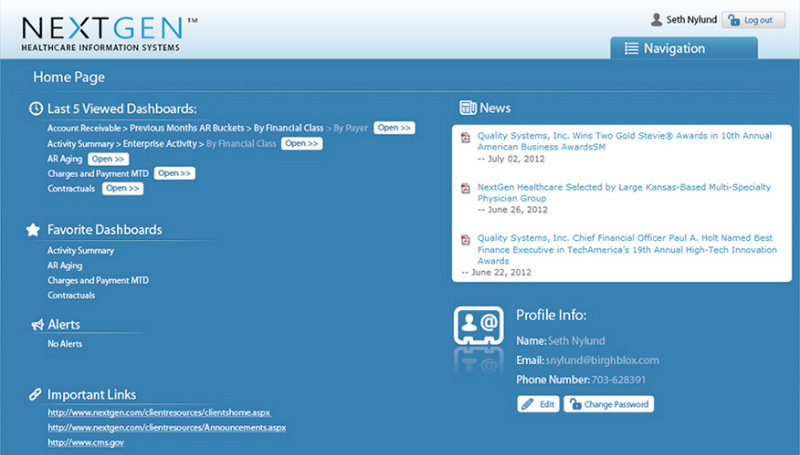
Built for ambulatory specialists, NextGen unites EHR, practice management, and RCM to streamline dermatology workflows, from biopsies and excisions to Mohs and cosmetic visits, so documentation and billing move in lockstep for faster, clearer collections.
RCM capabilities and automation
Specialty aware coding edits and compliance checks (CPT/ICD 10, modifiers)
Real time eligibility verification and out of pocket estimates
Automated claim scrubbing and submission via NextGen EDI
ERA/EOB auto posting and reconciliation
Denial work queues with root cause tracking
Integrated patient payments and financing plans
Financial dashboards with 100+ KPIs and alerts
Automated reminders and digital intake
NextGen pares down days in A/R with a rules engine that auto corrects nearly 75% of charges pre submission, lifting clean claim rates and shrinking rework. Real time analytics spotlight denial patterns before they repeat.
Best for multi location dermatology groups seeking a unified stack. Integrates natively with Waystar (clearinghouse), InstaMed (payments), and Luma (patient engagement), alongside the NextGen EHR/PM suite.
2. AdvancedMD
AdvancedMD’s cloud suite brings EHR, PM, and billing together with derm focused templates and image annotation, connecting clinical detail from biopsies, excisions, and cosmetic treatments directly to clean, timely claims.
RCM capabilities and automation
Coding/compliance backed by 3.5M+ automated claim edits
Real time eligibility checks and transparent estimates
Multi clearinghouse connectivity for fast submissions
ERA/EOB auto posting and reconciliation
A/R Control Center with configurable worklists
Denial queues with structured appeals tools
ePayments, text to pay, and payment plans
Live billing dashboards and reminder automations
Proactive follow up worklists and ClaimInspector reduce aging A/R by catching issues before submission; the platform backs a 95%+ first pass acceptance rate to accelerate cash flow and minimize denials.
Best for solo practices through multi site derm groups and medspas. Cloud SaaS integrates native EHR/PM, Waystar clearinghouse services, payment processing, and SMS based patient reminders.
3. Athenahealth
Athenahealth’s athenaOne taps a nationwide network and AI driven rules to automate billing while supporting dermatology with lesion mapping tools and templates for biopsies and excisions, bridging visit documentation to reimbursement.
RCM capabilities and automation
AI assisted claim scrubbing via a robust billing rules engine
Real time eligibility at scheduling with cost visibility
Automated ERA/EOB posting and reconciliation
AI guided A/R follow up and claim status checks
Denial tools with optional expert resolution services
Patient statements, text to pay, and online billing
Real time performance dashboards and reminders
Automated posting and network driven follow up compress A/R while expert teams tackle complex denials; reported clean claim rate reaches 98.4%, with live dashboards exposing KPIs and denial trends in the moment.
Best for single to multi location dermatology groups. Cloud deployment with native EHR/PM, integrated clearinghouse, and connections for payments, imaging, and patient engagement apps.
4. Allscripts
Rebranded as Veradigm, the platform pairs EHR, PM, and RCM tools; configurable templates and mobile image capture support dermatology procedures, including biopsies, excisions, and cosmetic visits, while keeping billing aligned.
RCM capabilities and automation
Coding/compliance with payer specific rule edits
Real time eligibility and benefits verification
Claim scrubbing via Payerpath clearinghouse
ERA/EOB auto posting and reconciliation
A/R workqueues and denial management
E statements and integrated online bill pay
Automated appointment and payment reminders
Financial dashboards for KPI reporting
Front end accuracy and payer tuned edits help Veradigm achieve ~98% first pass claims, limiting denials and days in A/R. Dashboards visualize real time A/R buckets and denial root causes for faster resolution.
Best for group dermatology practices needing PM agnostic clearinghouse reach. Deploy on premise or in the cloud; integrates with Veradigm EHR/PM, Payerpath, and payment vendors like RevSpring and InstaMed.
5. Billing Paradise
BillingParadise is an RCM services partner with a dermatology specialist team that works inside your current EHR/PM. They handle coding through collections for biopsies, excisions, surgical derm, and cosmetic lines using 24/7 workflows and automation.
RCM capabilities and automation
AAPC certified dermatology coding and compliance
Pre visit eligibility checks and prior auth support
Claim scrubbing and submission within 12 hours
ERA/EOB auto posting and balance reconciliation
Dedicated A/R follow up and old A/R clean up
Denial management with auto populated appeals
Patient statements, billing, and follow up calls
Mobile dashboards for real time KPI tracking
Around the clock teams pair automation with targeted no response follow up to cut aging A/R. Auto generated appeals hasten reversals, supporting a 98% first pass acceptance rate and clear visibility via mobile KPIs.
Best for solo and group dermatology practices wanting outsourced or co managed billing. Works within major EHR/PMs including Tebra/Kareo, NextGen, eClinicalWorks, and Veradigm/Allscripts, preserving your existing tech stack.
Measuring Success After Go Live
After implementing your new RCM software, you must track key performance indicators (KPIs) to measure its impact and ensure you’re getting the expected ROI.
Essential RCM Metrics to Monitor
Clean Claim Rate (CCR): This measures the percentage of claims paid on the first submission. A healthy benchmark is 95% or higher. A high CCR is a strong indicator of an efficient billing process.
Days in Accounts Receivable (A/R): This KPI tracks the average time it takes to collect payments. A lower number is better, with a target of less than 40 days being a good industry benchmark.
Net Collection Rate (NCR): This is the percentage of reimbursement you collect out of the total amount you’re contractually allowed. Top performing practices achieve an NCR of 95% to 99%.
Denial Rate: This is the percentage of claims denied by payers. While dermatology denial rates can be high, a good target to aim for is below 10%.
The best dermatology RCM software will provide intuitive dashboards that make it easy to track these metrics, allowing you to spot negative trends early and take corrective action.
Conclusion: How to Choose with Confidence
Choosing the best dermatology RCM software is a critical decision that directly impacts your practice’s financial health and operational efficiency. The right solution is more than a utility; it’s a growth engine. It should be powerful enough to handle the unique coding and billing complexities of dermatology while being intuitive enough for your team to use effectively every day.
Focus on platforms that offer specialty specific features, transparent pricing, and a clear implementation plan. If front desk scheduling and reminder workflows are also on your roadmap, compare clinic appointment management systems to reduce no shows and fill gaps. Don’t be afraid to ask for live demos that walk through common dermatology billing scenarios. By carefully evaluating your options against your practice’s specific needs and challenges, you can select a partner that not only streamlines your revenue cycle but also supports your long term success.
Ready to see how an all in one platform can transform your practice’s financial health? Explore how Consentz integrates powerful billing and analytics tools with a complete practice management system.
FAQ
What is RCM in dermatology?
Revenue Cycle Management (RCM) in dermatology is the complete financial process used to manage patient revenue, from initial appointment scheduling to final payment collection. It includes insurance verification, coding of procedures like biopsies and excisions, claim submission, denial management, and patient billing.
Why is specialized RCM software important for dermatologists?
Dermatology involves a unique mix of medical and cosmetic procedures, complex procedure codes, and a high frequency of modifier use. Specialized software is designed to handle these specific challenges, helping to reduce claim denial rates which can be as high as 14% to 20% in the specialty.
How much does the best dermatology RCM software cost?
Costs vary widely. Cloud based systems typically charge a monthly subscription fee per provider, ranging from $100 to over $1,000. Some vendors may charge a percentage of your collections. Be sure to ask about additional one time costs for setup, data migration, and training, which can range from $1,000 to over $20,000.
What are the most important features in a dermatology RCM system?
Key features include a built in dermatology specific CPT and ICD 10 code library, automated claim scrubbing to catch errors, tools for managing prior authorizations, integrated patient payment portals, and robust analytics to track KPIs like Days in A/R and your clean claim rate.
What is a good clean claim rate for a dermatology practice?
A good clean claim rate, meaning the percentage of claims accepted and paid on the first submission, is 95% or higher. Achieving a high rate is crucial for maintaining consistent cash flow and reducing administrative costs.
Should I choose a standalone RCM solution or an integrated practice management system?
This depends on your needs. A standalone RCM system focuses solely on billing and financial performance. An integrated system, like Consentz, combines RCM with an EHR, scheduling, and marketing tools. If you also need a patient CRM, start with our best CRM software for cosmetic clinics shortlist.
How can new software improve my practice’s profitability?
The best dermatology RCM software improves profitability by automating manual tasks, increasing the number of clean claims, accelerating payment times, and providing insights to reduce claim denials. By capturing revenue that might otherwise be lost, the software directly boosts your bottom line.
What key performance indicators (KPIs) should I track?
The most critical RCM KPIs to monitor are your Clean Claim Rate (target >95%), Days in Accounts Receivable (target <40), Net Collection Rate (target >95%), and your overall Claim Denial Rate (target <10%).