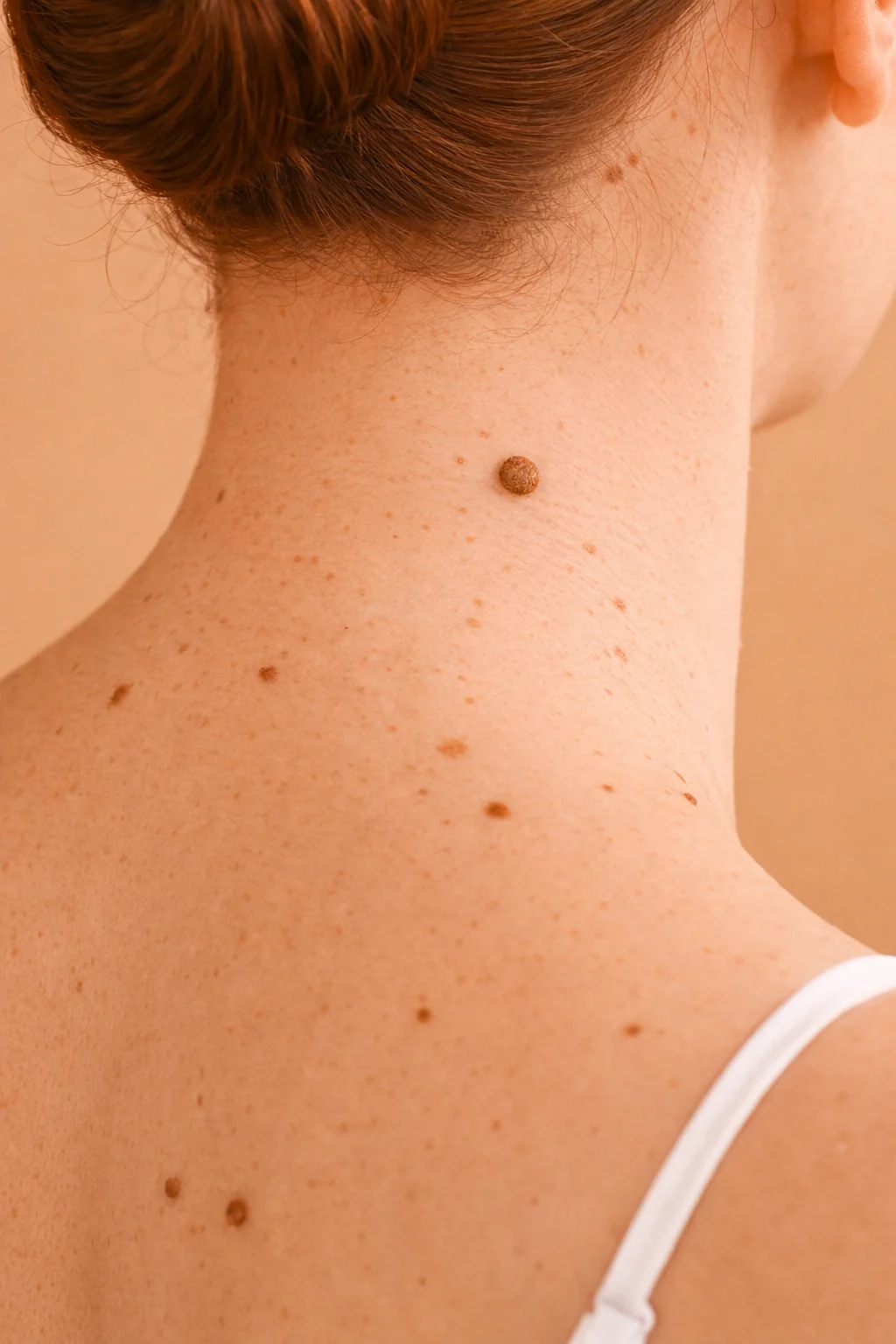
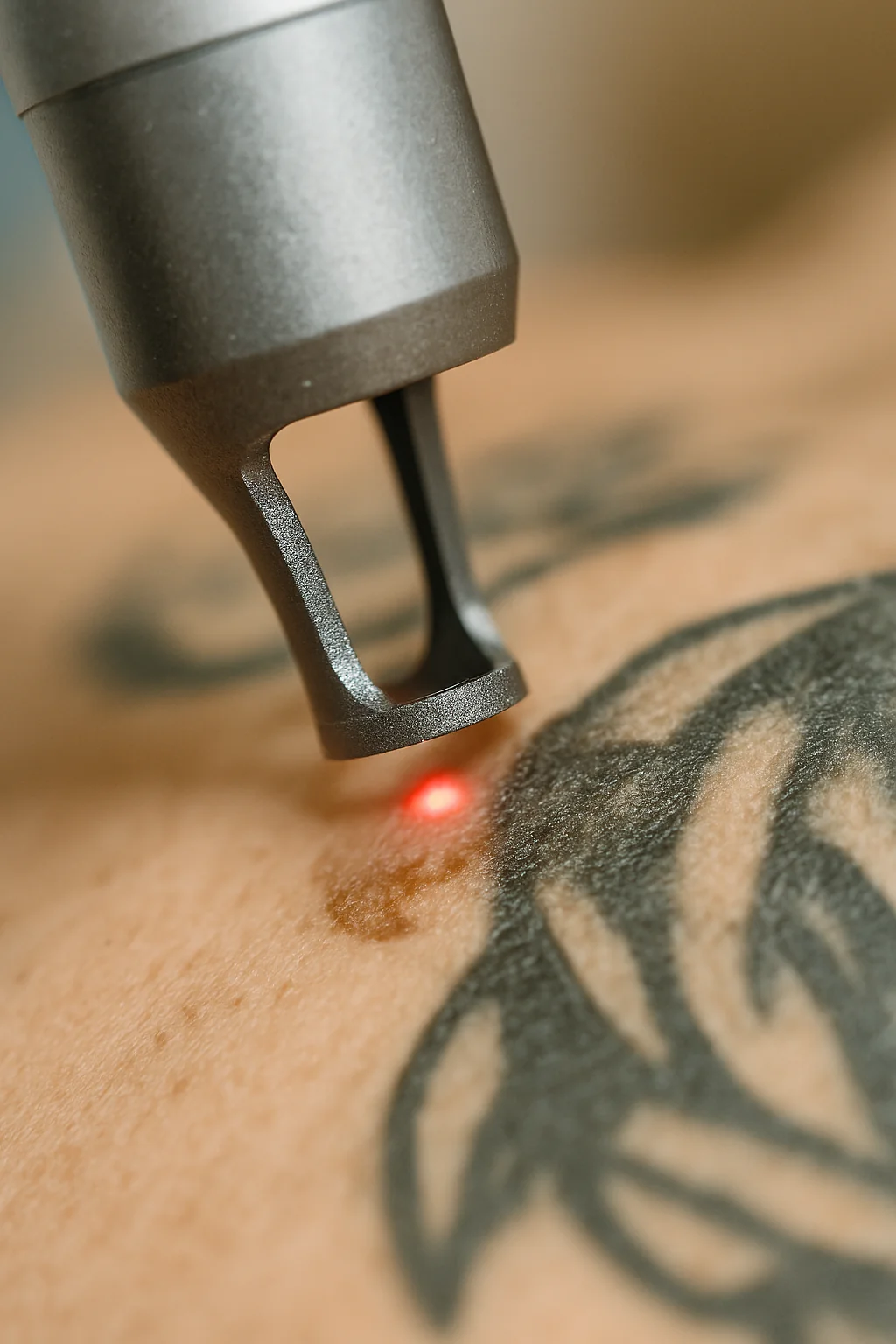
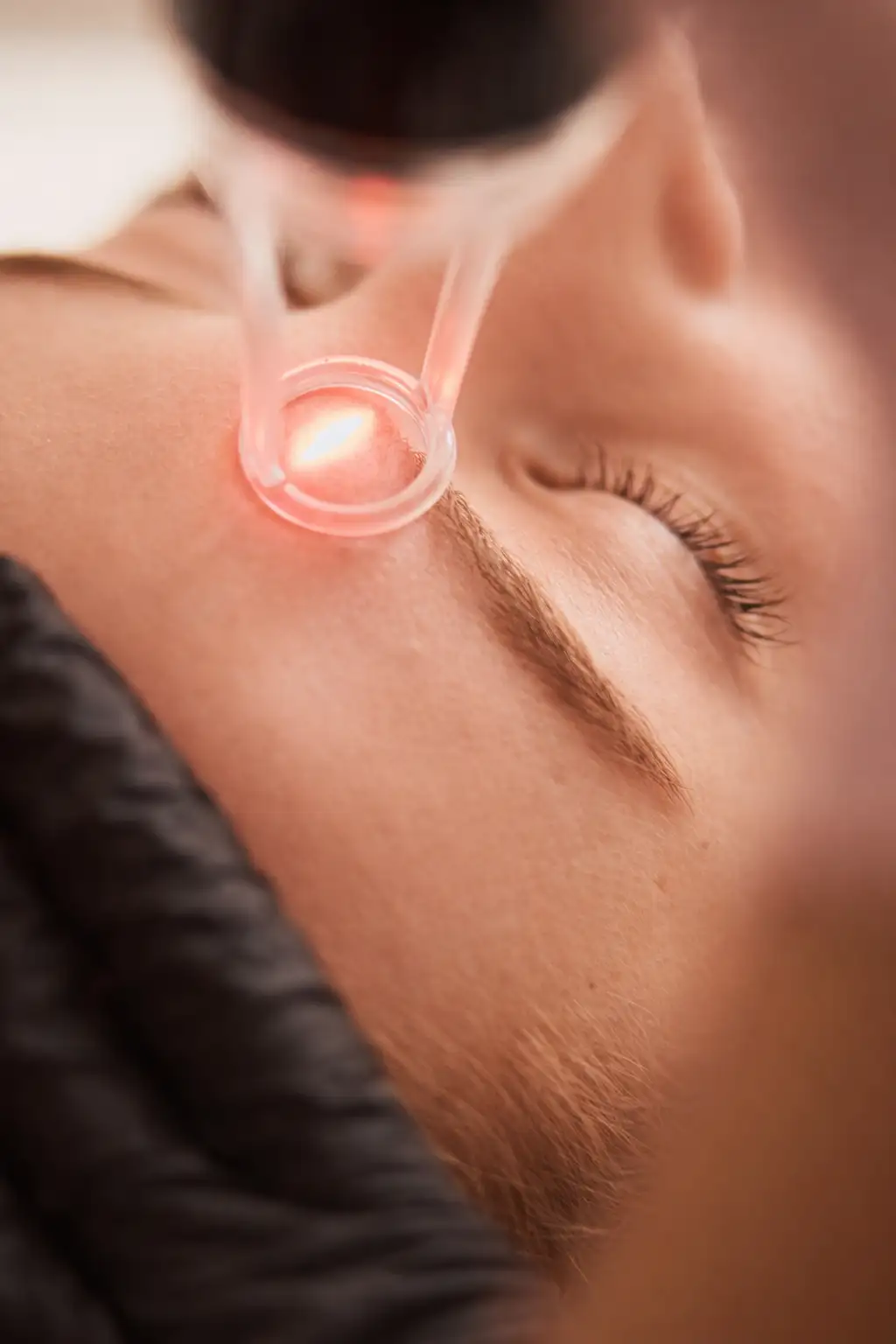
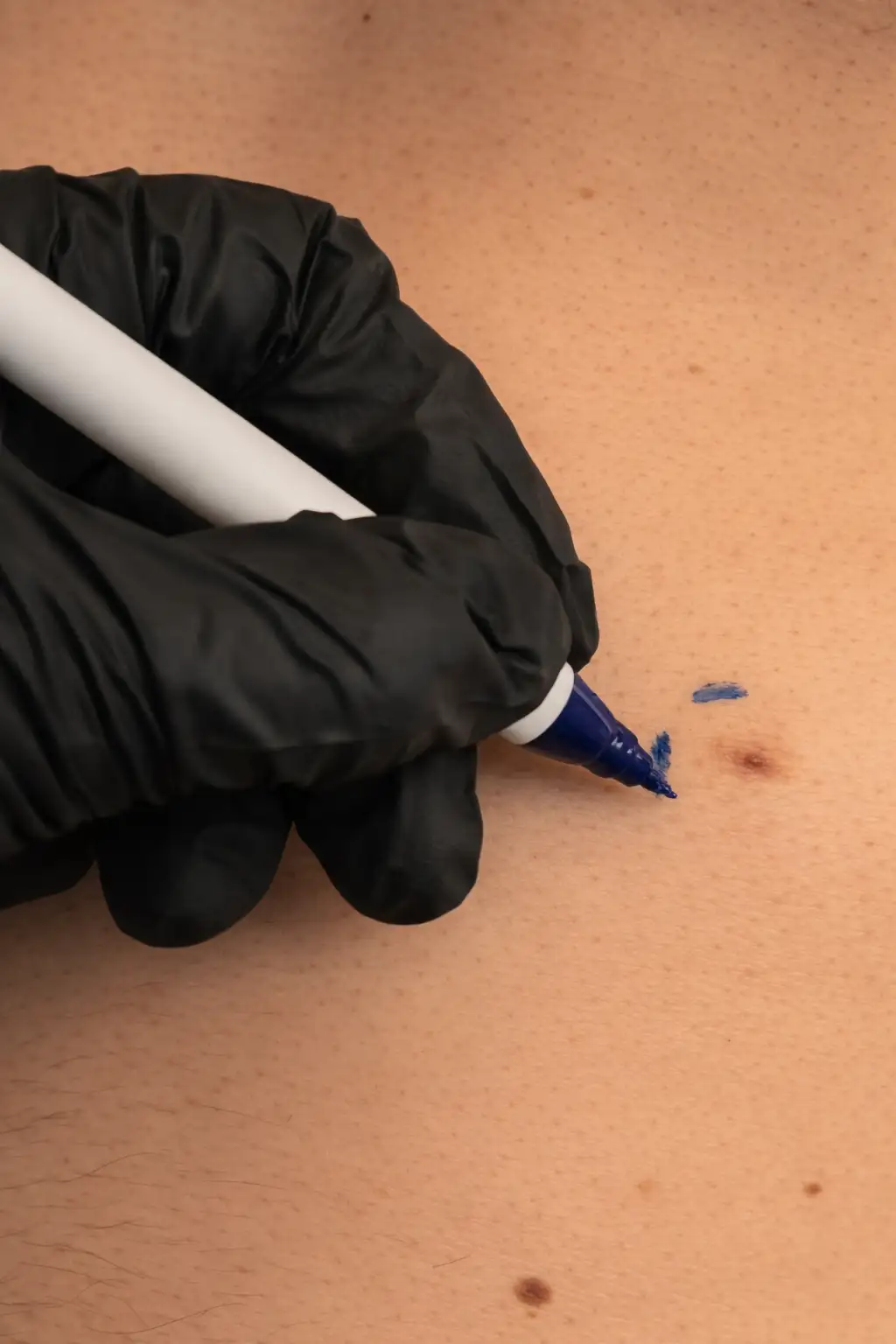
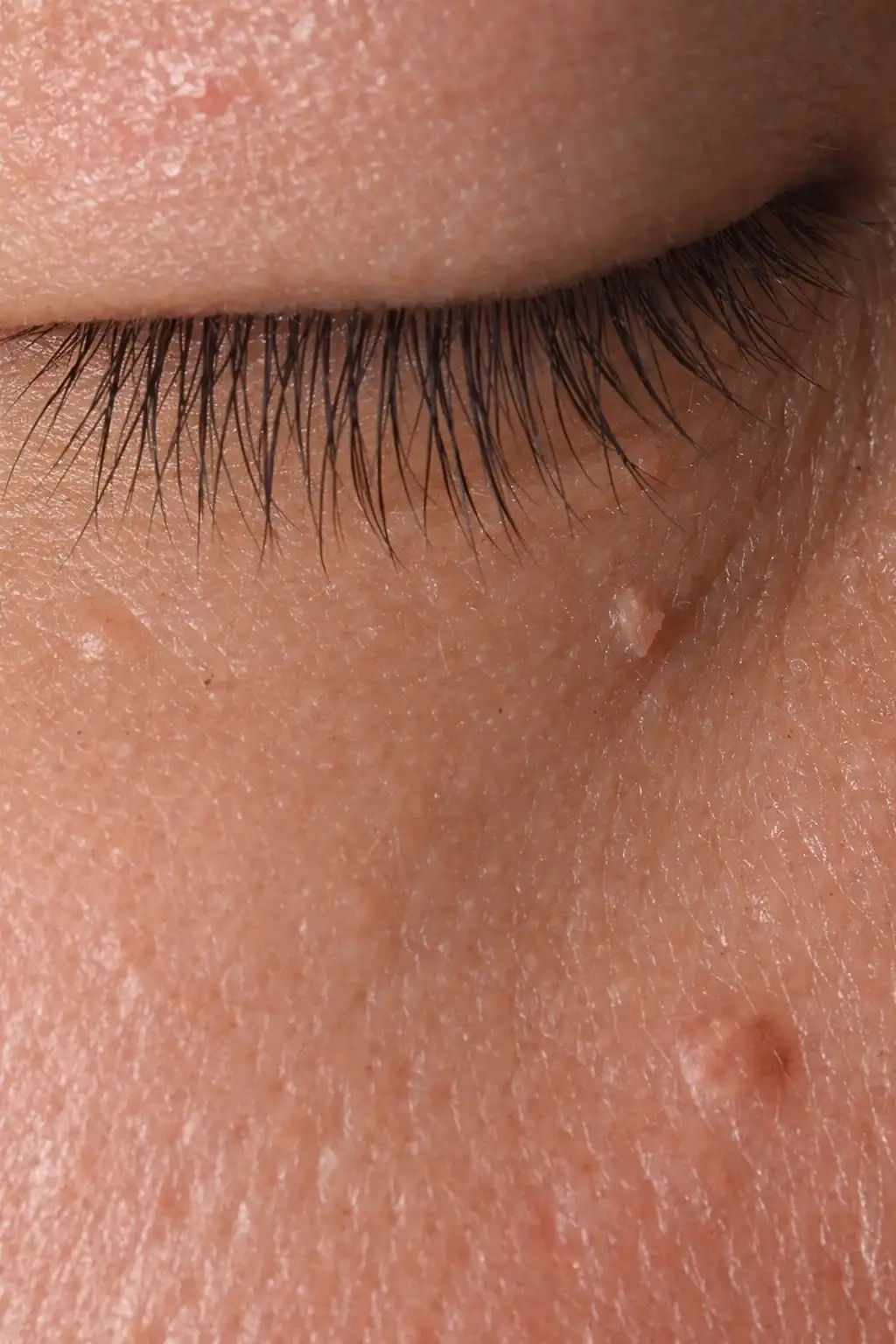
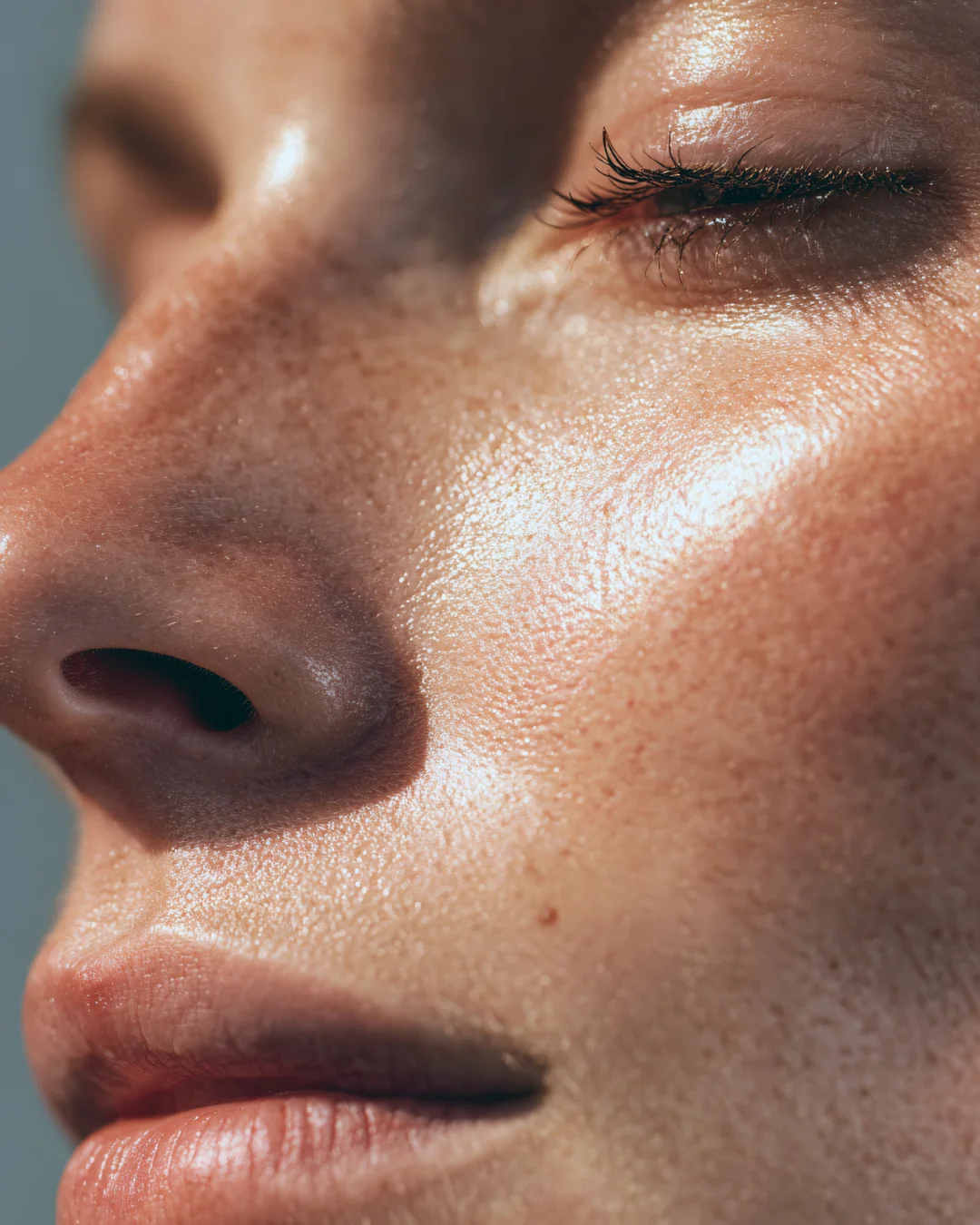
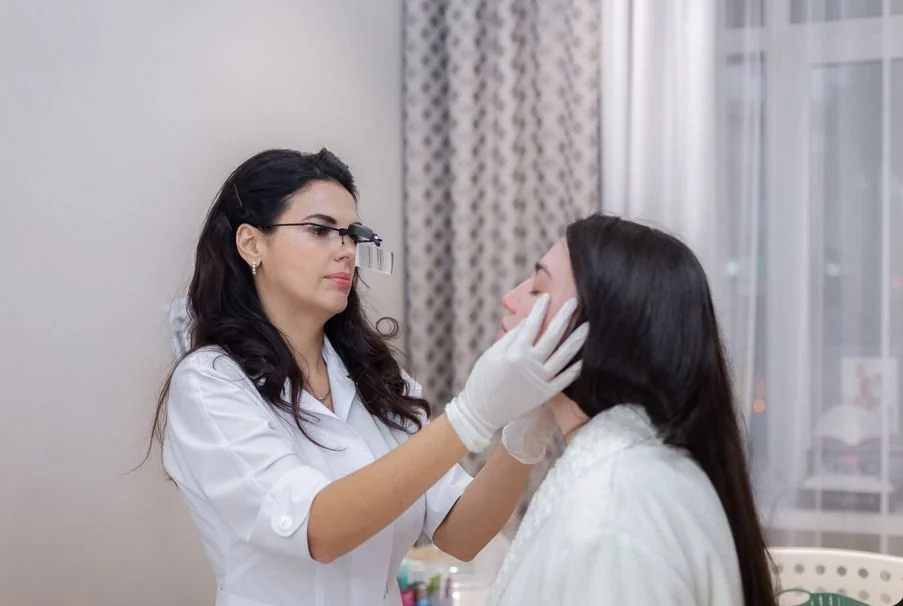
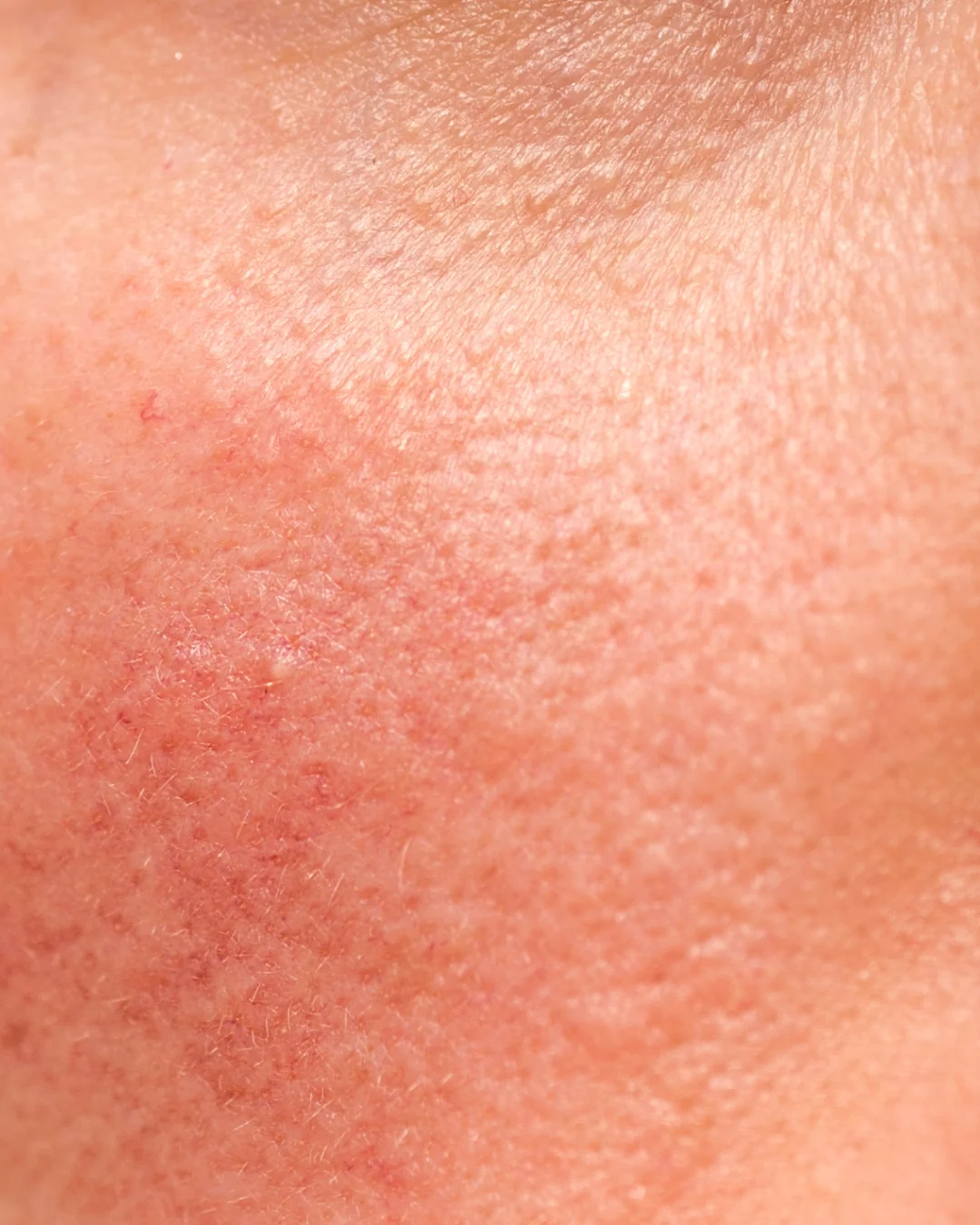
Laser treatments are a broad category of cosmetic and medical procedures that use concentrated light energy to interact with tissue in a controlled way. Clinics use different kinds of lasers for things like resurfacing skin, reducing pigmentation, treating scars, tightening skin, or even hair removal. The laser light is absorbed by specific targets in your skin (melanin, water or blood vessels) to either destroy unwanted tissue, remove top layers of skin, or heat deeper layers to trigger a healing response and boost collagen production. ([turn0search0], [turn0search8])
Our dataset currently has 77 clinic(s), with approximately 5353 reviews and an average rating of 4.696052632.
Medical Infrastructure:
- Major NHS tertiary centres including Queen Elizabeth University Hospital
- NHS Greater Glasgow & Clyde (largest NHS board in Scotland)
- Multiple HIS-registered independent hospitals and day-surgery centres
- Strong private sector footprint
Local Aethetics Market:
- Highly mature and diversified
- Full spectrum from beauty salons to HIS-registered surgical hospitals
- Avoid excessive sun exposure before and after treatment to reduce pigmentation risks.
- Stop certain exfoliants or retinoids a few days before as advised by your clinician.
- Discuss all medications and skincare products you use with your practitioner.
- Some deeper laser procedures may need numbing or sedation planning.
Yes. Many laser treatments (especially non-ablative or fractional treatments) are done in a series of sessions spaced weeks apart. For ongoing maintenance of results, annual touch-ups or periodic follow-up sessions often help sustain benefits.
Lasers are powerful and can damage skin or eyes without proper protection and training. Protective eye gear and correct settings for your skin are essential. ([turn0search1], [turn0search5], [turn0search6])Common temporary effects include redness, swelling, mild itch or irritation; pigment changes and blisters are less common but possible.Serious burns or scarring are rare when done by experienced professionals but can happen with incorrect use or inadequate aftercare.
It varies a lot by treatment type. Non-ablative lasers are usually mild warmth or tingling. Ablative resurfacing can feel like a hot sensation and is often done with anaesthetic to manage discomfort.
- Training specific to laser devices being used and understanding of skin biology and safety protocols.
- Medical or dermatology background is often ideal for more advanced procedures.
- Familiarity with treating different skin tones and types safely.
There isn�t a single NICE guideline covering all cosmetic laser treatments, but laser devices and their safe use are covered in MHRA guidance for medical and aesthetic practices. Best practice and professional guidance (e.g., treating consent, infection control and record keeping) are outlined in industry standards.
Local regulatory authority:
- Healthcare Improvement Scotland (HIS) for independent clinics and hospitals
- General Medical Council (GMC)
- Nursing and Midwifery Council (NMC)
- General Dental Council (GDC)
Private insurance usage locally:
- Used for medically indicated dermatology and some surgical procedures
- Cosmetic injectables and aesthetic treatments predominantly self-funded
Cosmetic finance availability:
- Widely available for surgical procedures (breast augmentation, liposuction) via FCA-regulated credit brokers
- Instalment plans common for device packages
- Training specific to laser devices being used and understanding of skin biology and safety protocols.
- Medical or dermatology background is often ideal for more advanced procedures.
- Familiarity with treating different skin tones and types safely.
- Choose someone with specific laser training, ideally a medically trained clinician or dermatologist familiar with skin of different tones.
- Ask about the specific laser system they use and why it�s appropriate for your concern.
- Look for clear before/after photos from real cases similar to yours.
- Transparency about risks, expected sessions, costs and aftercare is crucial.
- Check that equipment and safety protocols are up to date (eye protection, cooling, settings for skin type etc).
Current average rating citywide: 4.696052632