Top keloid-removal Providers in Grays
Best Keloid Removal Clinics in Grays
Reclaimyourskin
Reclaimyourskin
Dermatologist
Rating
( reviews)
Thrapie Clinic Lakeside Essex
Laser hair removal service
Rating
(730 reviews)
Top Treatments in Grays
Top Cities in the UK
Keloid-removal Treatment in Grays
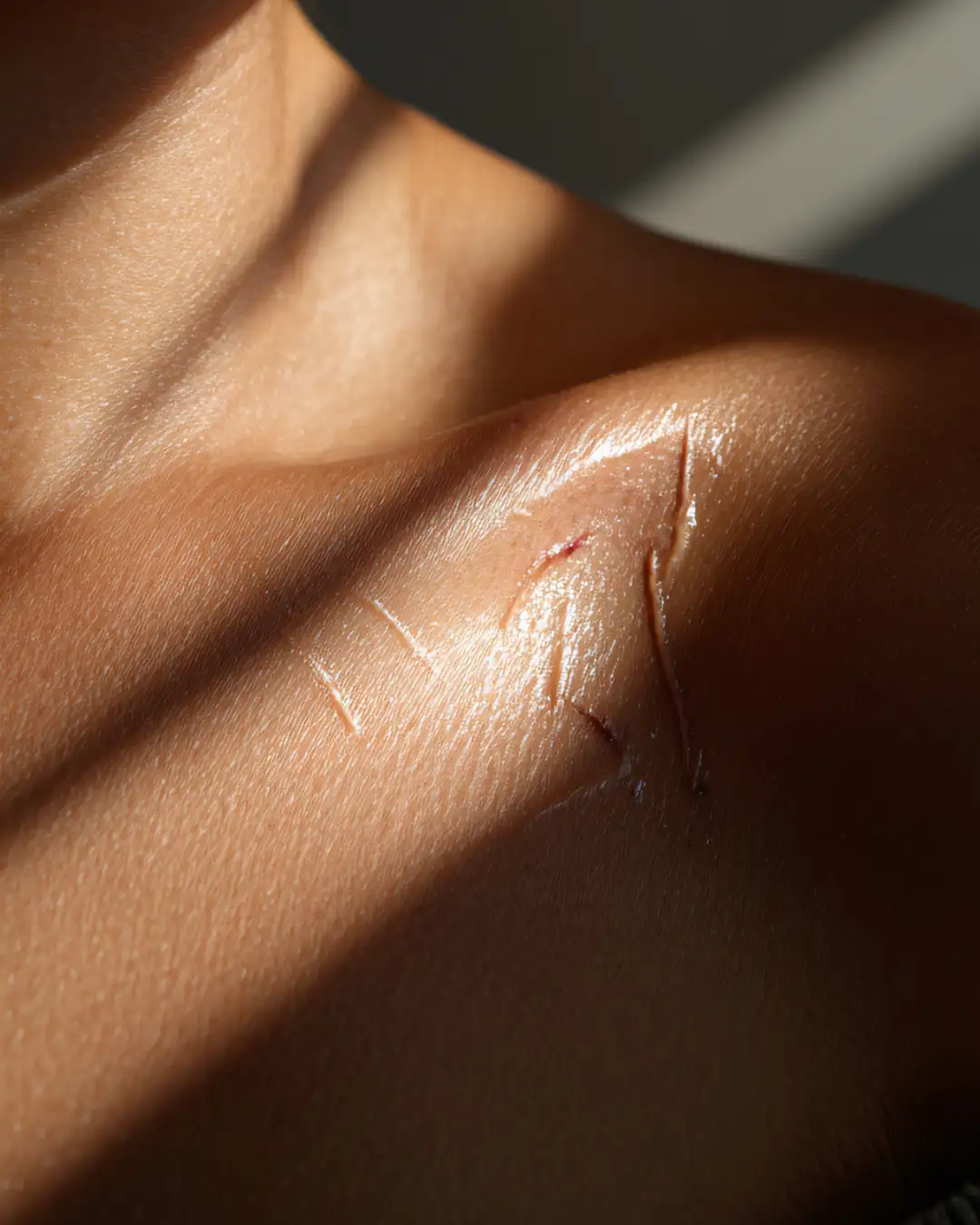
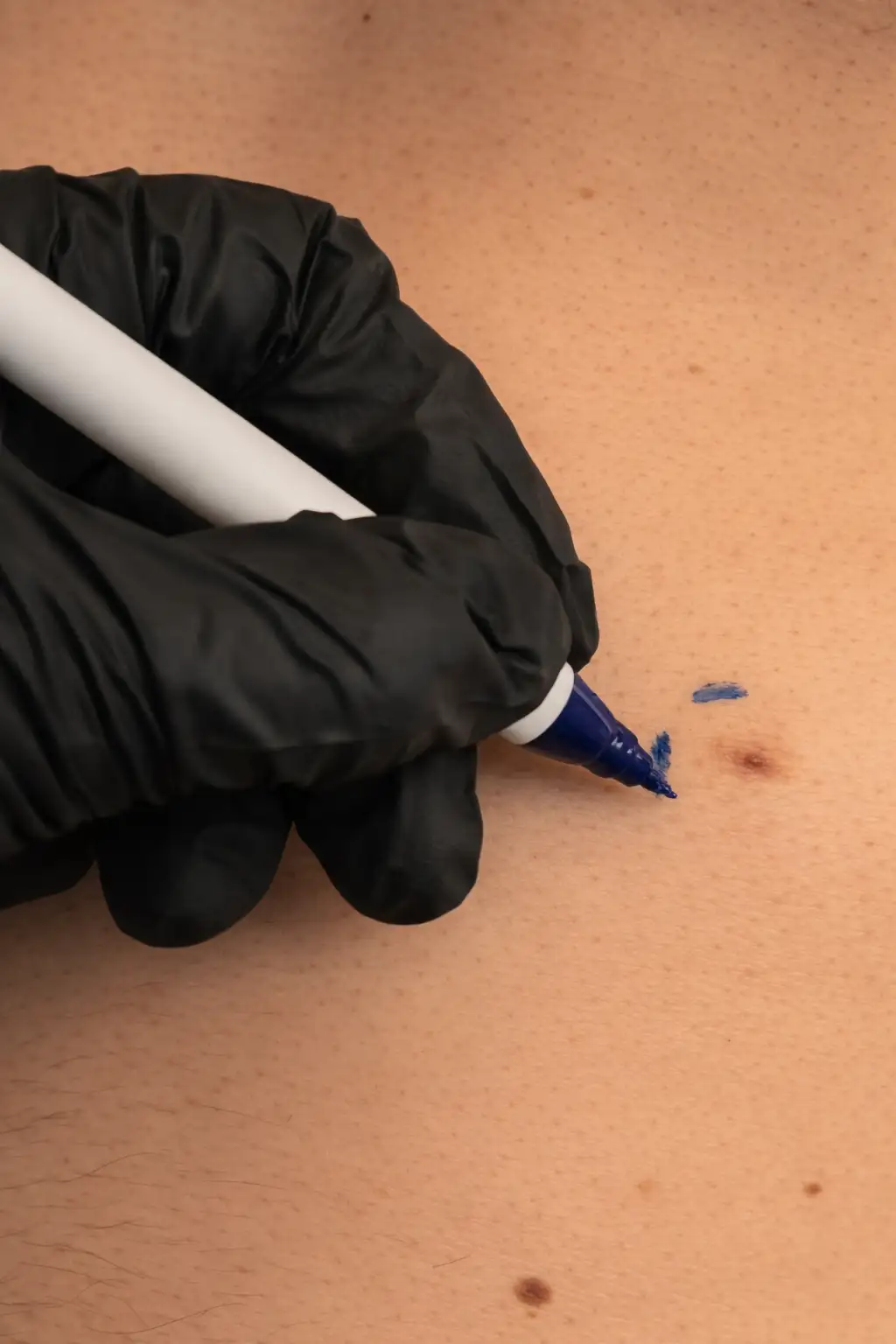
Keloid removal refers to medical treatments aimed at reducing or eliminating keloid scars, which are raised scars that grow beyond the original wound. Keloids form because of an overactive healing response where fibroblasts keep producing lots of collagen and it doesnt stop, so the scar grows outward. Treatments vary from steroid injections to surgery, cryotherapy, laser, and combinations of approaches. None are perfect, and recurrence is common, so often doctors combine techniques to get the best outcome.
Our dataset currently has 5 clinic(s), with approximately 867 reviews and an average rating of 4.96.
Medical Infrastructure:
- Multiple NHS GP practices under NHS Mid and South Essex ICB
- Proximity to Basildon and Thurrock University Hospitals NHS Foundation Trust
- Limited in-town private hospital infrastructure
Local Aethetics Market:
- Mature non-surgical aesthetic market with strong review engagement and brand partnerships
Goals of Keloid-removal Treatment
- Reduce the size and prominence of the keloid scar
- Improve cosmetic appearance and skin texture
- Alleviate symptoms such as itchiness, tenderness or discomfort
- Prevent or minimise recurrence as much as possible
- Improve mobility and function if scar limits movement
Keloid-removal Treatment Options
Medical & Non-Surgical Approaches
- Steroid injections or cryotherapy are non-surgical and minimal downtime but usually need multiple sessions.
- Silicone gel sheets and pressure therapy are non-invasive, used for months, and have evidence for helping flatten scars.
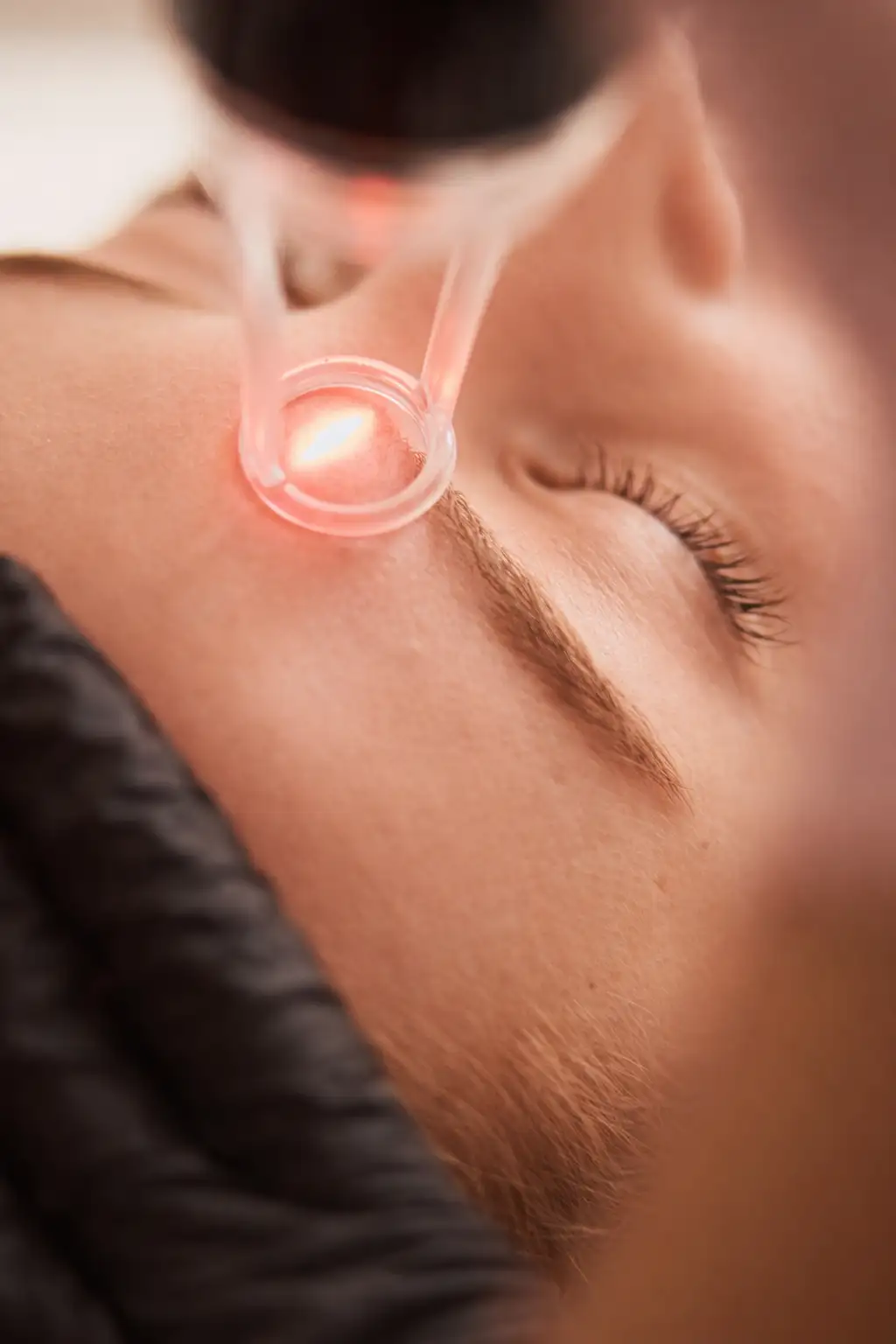
- Laser therapy can refine texture and colour and is often combined with other treatments.
- Surgical excision gives immediate removal but has higher recurrence risk without adjunctive therapy.
Pros of Keloid-removal Treatment
- Many treatment options can noticeably flatten or soften keloids
- Some treatments have little to no downtime (like steroids or cryotherapy)
- Can relieve discomfort and improve confidence about visible scars
- Surgical or laser methods give more immediate visible change
Cons of Keloid-removal Treatment
- No guaranteed permanent cure; keloids recur in a significant number of cases
- Surgery alone can cause a new keloid at the incision site if not paired with adjunct therapies
- Multiple treatments over time are often needed
- Some methods (like surgery and radiotherapy) carry risks of infection or pigmentation changes
Cost of Keloid-removal Treatment in Grays
- Steroid injections: roughly GBP 115 to GBP 350 per session depending on amount and clinic.
- Cryotherapy: about GBP 150-GBP 255 per session.
- Laser therapy: from GBP 200 up to GBP 600+ per session.
- Surgical removal: from around GBP 175 up to over GBP 2,000 for complex cases or specialised clinics.
- Consultations often cost GBP 90 to GBP 225 or more, sometimes redeemable against treatment.
- Size, location and complexity of the keloid
- Treatment type used (less invasive vs surgery vs combination)
- Clinic location and reputation (central London tends to be higher)
- Practitioner expertise and technology involved
- Number of sessions recommended
- Because keloids differ so much between people, personalised quotes after an assessment are common.
Accessibility
Public transport:
- C2c rail services to London Fenchurch Street
- Proximity to A13 and M25
- Strong bus network
Parking availability:
- Town-centre and retail park parking widely available
- Proximity to Lakeside retail complex
Clinic distribution:
- Clinics distributed across town centre retail units and suburban high streets
Airport proximity:
- Approximately 30–40 minutes to London City Airport
- 45–60 minutes to London Stansted or Gatwick (traffic dependent)
Preparing for Your Keloid-removal Appointment
- Have a consultation to map out which combination of therapies is best for your scar
- Discuss medications, allergies, and skin history with your clinician
- Avoid aggressive skin trauma at the site before treatment
- Ask how many sessions you might need
Yes. Steroid injections, cryotherapy, laser and other therapies often need multiple sessions spaced weeks apart, and follow-ups are common to monitor for recurrence or further flattening.
Treatment Safety & Local Regulations
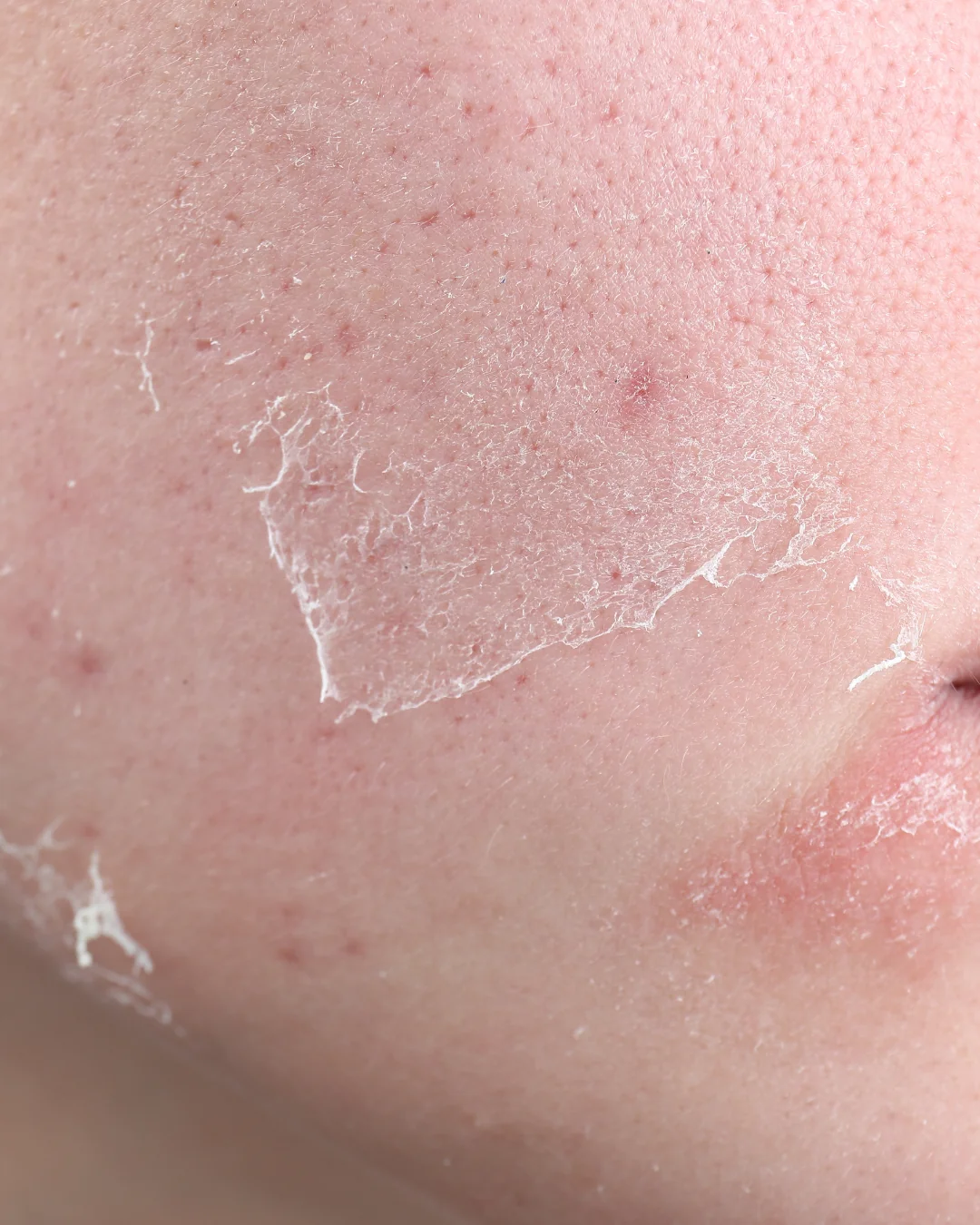
Steroid injections and cryotherapy can cause temporary pain, blistering, or pigment changes in some people.Surgery carries usual risks of bleeding, infection and potential for recurrence.Laser treatments can cause redness, crusting, pigmentation effects if not done carefully.Silicone and pressure therapy are generally low-risk but require consistent use.
Most professional treatments use anaesthesia or careful technique; discomfort varies by method but is generally manageable.
- A dermatologist or plastic surgeon with specific experience treating keloid scars
- Professional registration (GMC for doctors) and appropriate clinic regulation
- Experience with multiple keloid management modalities
Theres no single UK NICE guideline solely for keloid removal, but management advice (including use of silicone dressings) is part of general scar guidance and wound care documents. Medicines and devices used in treatments are regulated by MHRA. Evidence recommends multiple modalities and early management.
Local regulatory authority:
- Care Quality Commission (CQC) for regulated medical services in England
- General Medical Council (GMC)
- Nursing and Midwifery Council (NMC)
Private insurance usage locally:
- Low for cosmetic injectables
- Dermatology cases may involve NHS referral rather than private insurance
Cosmetic finance availability:
- Occasionally available for higher-ticket laser packages
- Mid-market pricing reduces reliance on finance compared to central London clinics
Who Is a Good Candidate?
- Someone with a bothersome raised scar, itch or discomfort that hasnt improved on its own, and who understands risks like recurrence and multiple sessions.
Choosing a Clinic
- A dermatologist or plastic surgeon with specific experience treating keloid scars
- Professional registration (GMC for doctors) and appropriate clinic regulation
- Experience with multiple keloid management modalities
- A dermatologist or plastic surgeon with specific experience treating keloids
- Good before/after photos and honest discussion of recurrence risk
- Transparent breakdown of multiple options and why a specific plan is chosen
- Clear aftercare instructions and follow-up availability
- Clinic registration and professional credentials
Current average rating citywide: 4.96
Recovery & Long-Term Results
- Non-surgical options often have minimal downtime
- Surgical sites may need a few days of gentle care and dressings
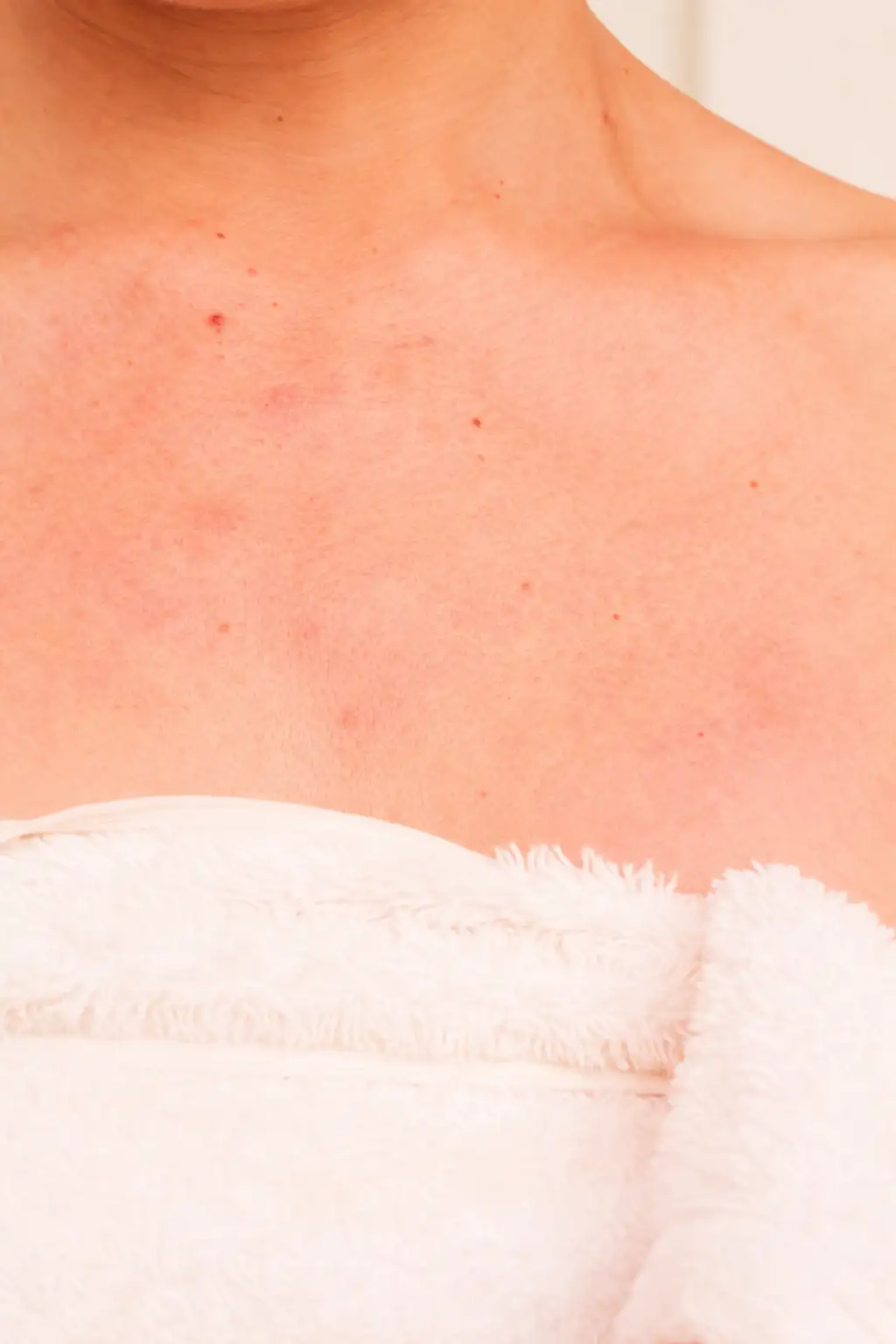
- Some redness or tenderness can persist for weeks depending on method
- Bruising, pigment changes, temporary discomfort, possible recurrence, blistering with freezing
- Follow your clinicians aftercare instructions carefully to minimise complications.
Aftercare:
- Steroid injections or cryotherapy are non-surgical and minimal downtime but usually need multiple sessions.
- Silicone gel sheets and pressure therapy are non-invasive, used for months, and have evidence for helping flatten scars.
- Laser therapy can refine texture and colour and is often combined with other treatments.
- Surgical excision gives immediate removal but has higher recurrence risk without adjunctive therapy.