Top laser-treatments Providers in Slough

Best Laser Treatments Clinics in Slough

Ai Skin Clinic Slough

Profile
Ai Skin Clinic Slough

Laser hair removal service

Rating
(159 reviews)
Location
Slough SL1 1LN, United Kingdom
Treatments offered

The Cosmetic Skin Clinic Buckinghamshire

Profile
The Cosmetic Skin Clinic
CQC

Skin care clinic

Rating
(58 reviews)
Location
Slough SL2 4LF, United Kingdom
Treatments offered

Laser-treatments Treatment in Slough

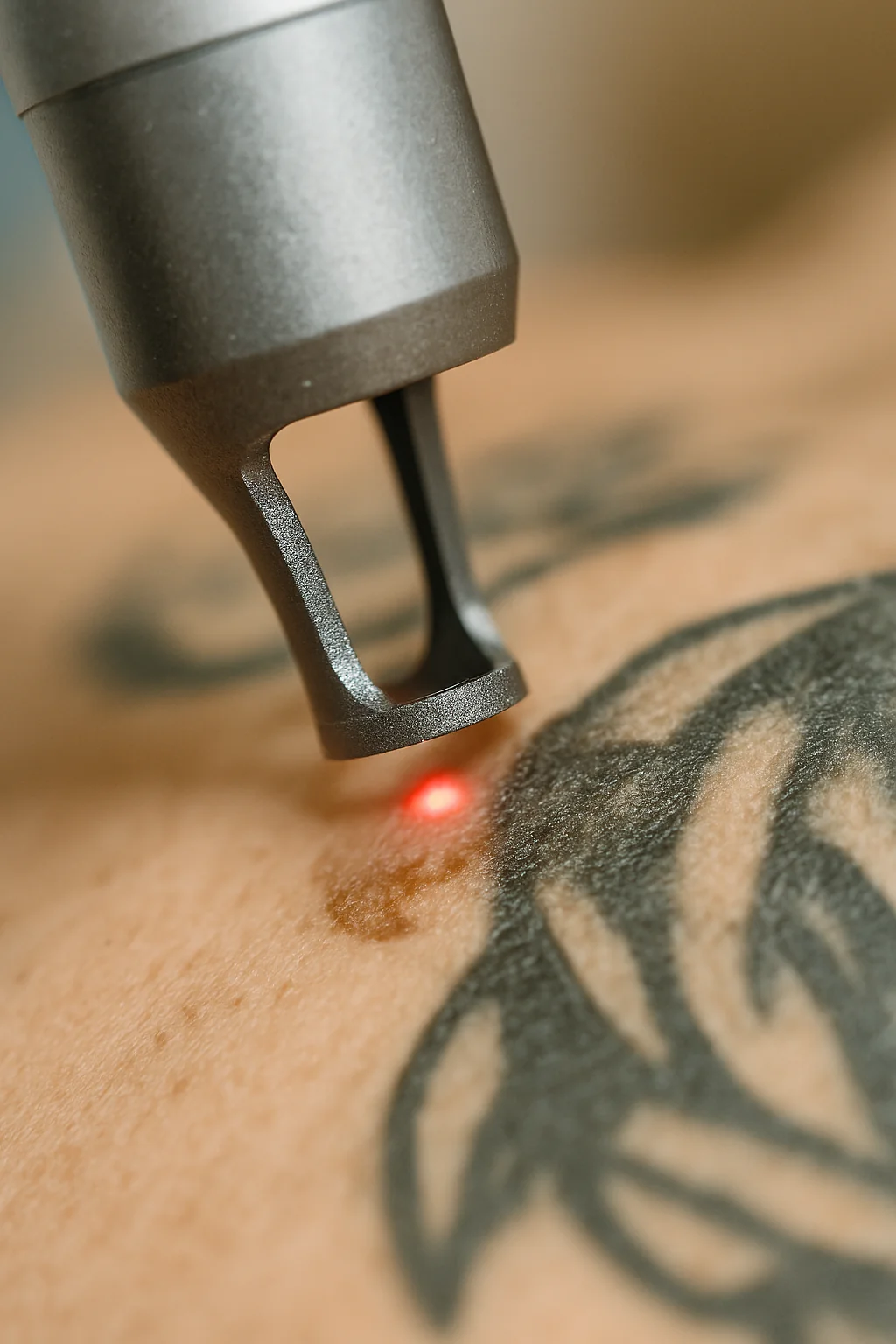
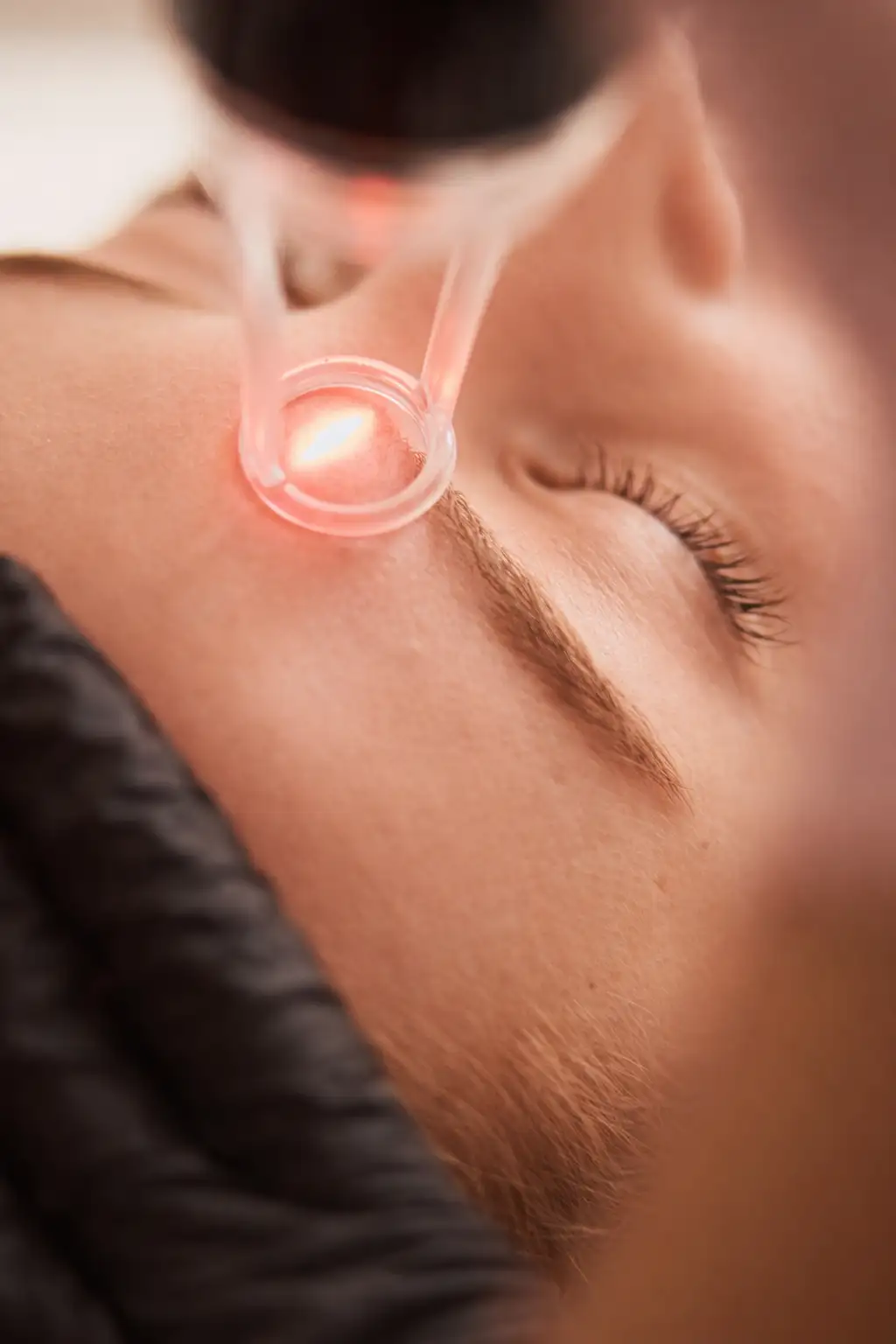
Laser treatments are a broad category of cosmetic and medical procedures that use concentrated light energy to interact with tissue in a controlled way. Clinics use different kinds of lasers for things like resurfacing skin, reducing pigmentation, treating scars, tightening skin, or even hair removal. The laser light is absorbed by specific targets in your skin (melanin, water or blood vessels) to either destroy unwanted tissue, remove top layers of skin, or heat deeper layers to trigger a healing response and boost collagen production. ([turn0search0], [turn0search8])
Our dataset currently has 6 clinic(s), with approximately 432 reviews and an average rating of 4.45.

Medical Infrastructure:

    • Wexham Park Hospital (Frimley Health NHS Foundation Trust)
    • Multiple CQC-registered GP practices
    • Access to private hospitals in Windsor, Maidenhead and West London
    • Established dermatology and minor surgery services

Local Aethetics Market:

    Established and medically oriented dermatology-aesthetic hybrid market

Goals of Laser-treatments Treatment

  • Improve texture and smoothness of skin
  • Reduce fine lines, wrinkles and signs of ageing
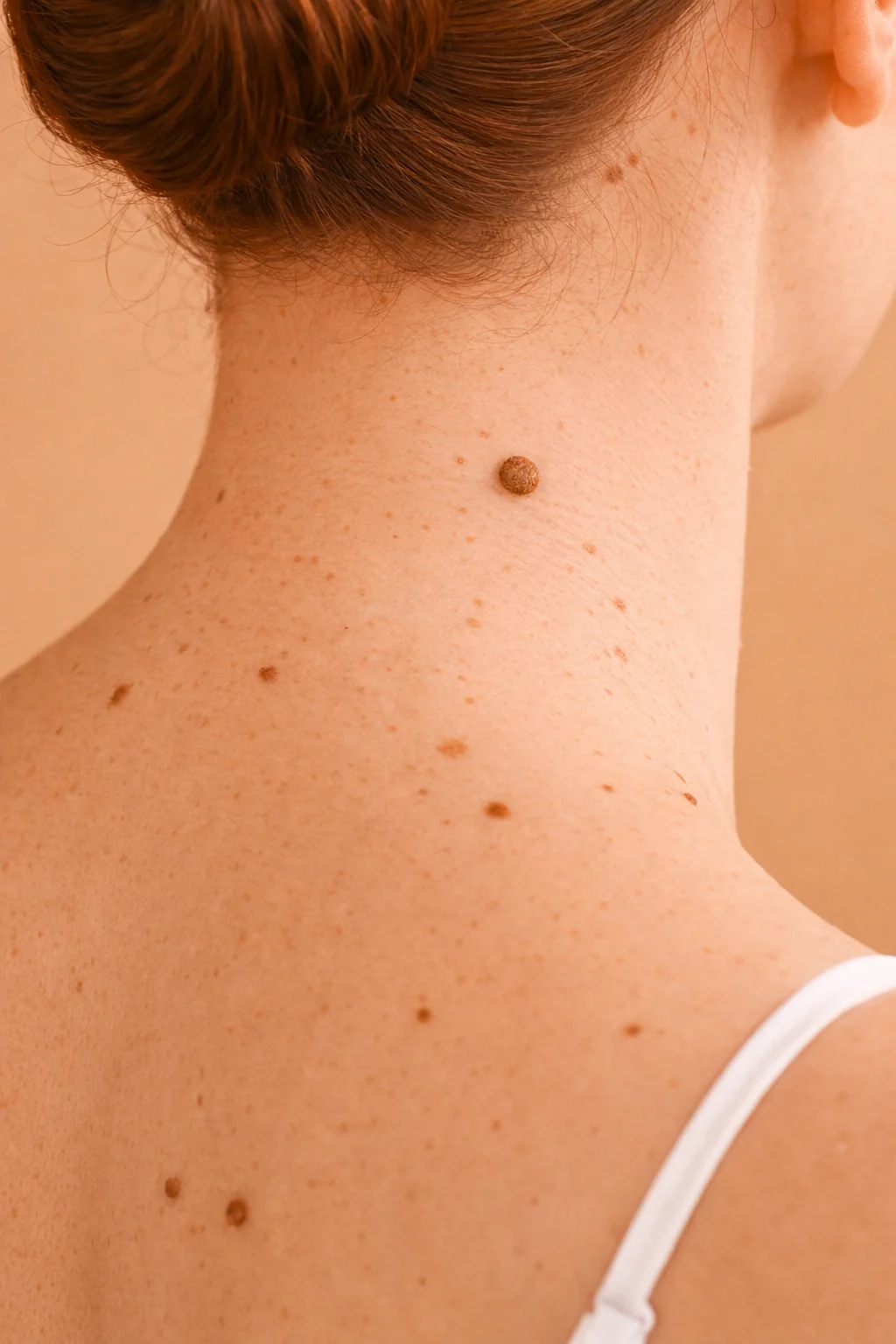
  • Target pigmentation concerns like sunspots or melasma
  • Treat acne scars and other superficial scars
  • Stimulate collagen for firmer, younger-looking skin
  • Remove or lighten unwanted features like certain pigments or lesions

Laser-treatments Treatment Options

Medical & Non-Surgical Approaches

  • Topical skincare (retinoids, acids) can help surface texture but doesnt reach deeper collagen like lasers can.
  • Microneedling stimulates collagen too but in a mechanical way rather than light energy; some people do both for synergy.
  • Chemical peels remove surface layers but cant always target deeper pigmentation or scars as precisely as certain lasers.
  • Injectables like fillers or Botox address volume and muscle movement, not the underlying tissue renewal lasers aim for.

Pros of Laser-treatments Treatment

  • Can provide noticeable improvement in texture, tone and certain scars or pigmentation
  • Wide range of laser types means you can tailor treatment to your concern
  • Many procedures are non-invasive or minimally invasive
  • Boosts natural collagen production and skin renewal processes
  • Modern technologies tend to be safer and more precise than older methods

Cons of Laser-treatments Treatment

  • Some treatments like deeper resurfacing have real downtime and healing phases
  • Side effects can include redness, swelling, pigment changes or rare scarring if not properly done
  • Multiple sessions are often needed for best results
  • Results arent one and done forever since ageing continues
  • Effectiveness varies a lot with your skin type, laser type and practitioner skill

Cost of Laser-treatments Treatment in Slough

  • Laser facial treatments often start from GBP 150-GBP 300 per session depending on area treated and clinic.
  • More advanced resurfacing with ablative CO2 or fractional lasers can cost GBP 500-GBP 2,000+ per session.
  • Hair removal sessions typically range GBP 40-GBP 200 per area per session, with multiple sessions recommended.
  • Package deals (multiple sessions) sometimes cost GBP 600-GBP 3,000 or more for comprehensive programmes.
  • Type of laser technology used (ablative, non-ablative, fractional etc)
  • Size of the treatment area and number of sessions recommended
  • Clinic reputation and location (London often costs more)
  • Practitioner training and experience
  • Whether pre- and post-care is included in the quoted price
  • Since lasers are a toolkit rather than one single treatment, comparing costs without knowing what tech and plan youre getting can be confusing.

Accessibility

Public transport:

    • Elizabeth Line and mainline rail connections to London Paddington and Canary Wharf
    • Proximity to M4 and Heathrow Airport

Parking availability:

    • Town-centre paid parking
    • Clinic-based parking varies
    • Strong road connectivity

Clinic distribution:

    Clinics distributed across town centre and residential-commercial corridors

Airport proximity:

    Approximately 10–15 minutes to Heathrow Airport

Preparing for Your Laser-treatments Appointment

  • Avoid excessive sun exposure before and after treatment to reduce pigmentation risks.
  • Stop certain exfoliants or retinoids a few days before as advised by your clinician.
  • Discuss all medications and skincare products you use with your practitioner.
  • Some deeper laser procedures may need numbing or sedation planning.
Yes. Many laser treatments (especially non-ablative or fractional treatments) are done in a series of sessions spaced weeks apart. For ongoing maintenance of results, annual touch-ups or periodic follow-up sessions often help sustain benefits.

Treatment Safety & Local Regulations

Lasers are powerful and can damage skin or eyes without proper protection and training. Protective eye gear and correct settings for your skin are essential. ([turn0search1], [turn0search5], [turn0search6])Common temporary effects include redness, swelling, mild itch or irritation; pigment changes and blisters are less common but possible.Serious burns or scarring are rare when done by experienced professionals but can happen with incorrect use or inadequate aftercare.

It varies a lot by treatment type. Non-ablative lasers are usually mild warmth or tingling. Ablative resurfacing can feel like a hot sensation and is often done with anaesthetic to manage discomfort.

  • Training specific to laser devices being used and understanding of skin biology and safety protocols.
  • Medical or dermatology background is often ideal for more advanced procedures.
  • Familiarity with treating different skin tones and types safely.
There isnt a single NICE guideline covering all cosmetic laser treatments, but laser devices and their safe use are covered in MHRA guidance for medical and aesthetic practices. Best practice and professional guidance (e.g., treating consent, infection control and record keeping) are outlined in industry standards.

Local regulatory authority:

    • Care Quality Commission (CQC) for regulated providers
    • General Medical Council (GMC) for specialist dermatologists
    • Nursing & Midwifery Council (NMC) for nurse prescribers

Private insurance usage locally:

    • Medical dermatology (eczema, psoriasis, skin cancer) often covered by private insurance
    • Cosmetic treatments self-funded

Cosmetic finance availability:

    • More prevalent than rural areas
    • Third-party finance common for CoolSculpting and laser packages

Who Is a Good Candidate?

  • People with uneven skin texture, sun damage, pigmentation issues, signs of ageing, or mild scars who understand the need for multiple sessions and realistic results.

Choosing a Clinic

  • Training specific to laser devices being used and understanding of skin biology and safety protocols.
  • Medical or dermatology background is often ideal for more advanced procedures.
  • Familiarity with treating different skin tones and types safely.
  • Choose someone with specific laser training, ideally a medically trained clinician or dermatologist familiar with skin of different tones.
  • Ask about the specific laser system they use and why its appropriate for your concern.
  • Look for clear before/after photos from real cases similar to yours.
  • Transparency about risks, expected sessions, costs and aftercare is crucial.
  • Check that equipment and safety protocols are up to date (eye protection, cooling, settings for skin type etc).
Current average rating citywide: 4.45


Recovery & Long-Term Results

  • Gentler non-ablative lasers often have minimal downtime with slight redness for hours to days.
  • Ablative lasers can cause peeling, swelling and redness that lasts days to weeks and needs more aftercare and sun avoidance.
  • You may be advised to avoid sun exposure and certain products while healing.
  • Temporary redness, swelling, itchiness, pigment changes (lighter or darker), blisters or, in rare cases, scarring.
Aftercare:
  • Topical skincare (retinoids, acids) can help surface texture but doesnt reach deeper collagen like lasers can.
  • Microneedling stimulates collagen too but in a mechanical way rather than light energy; some people do both for synergy.
  • Chemical peels remove surface layers but cant always target deeper pigmentation or scars as precisely as certain lasers.
  • Injectables like fillers or Botox address volume and muscle movement, not the underlying tissue renewal lasers aim for.