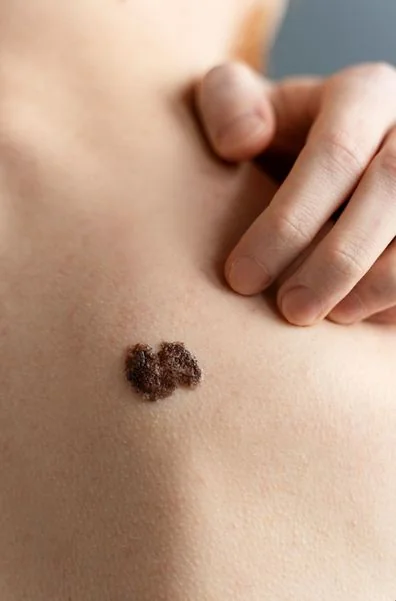
Top skin-cancer Providers in Wells

Best Skin Cancer Clinics in Wells

Skin Excellence Clinics Wells

Profile
Skin Excellence Clinics Wells
CQC

Skin care clinic

Rating
(273 reviews)
Location
Wells BA5 3ED, United Kingdom
Treatments offered

Skin-cancer Treatment in Wells

Our dataset currently has 2 clinic(s), with approximately 367 reviews and an average rating of 4.

Medical Infrastructure:

    • Wells City Practice (GP)
    • Community healthcare facilities
    • Proximity to Royal United Hospitals Bath NHS Foundation Trust and Musgrove Park Hospital (Taunton)
    • Dermatology referrals managed regionally

Local Aethetics Market:

    Developing rural aesthetic market with concentrated providers

Goals of Skin-cancer Treatment

  • Detect it as early as possible so treatment is more effective and simpler (early melanoma has near-100% cure rates).
  • Remove or destroy all cancer cells while preserving as much healthy tissue as possible.
  • Prevent spread (metastasis) especially in melanoma and high-risk SCC.
  • Reduce likelihood of recurrence with appropriate follow-up and surveillance.

Skin-cancer Treatment Options

Medical & Non-Surgical Approaches

  • For actual skin cancer, non-surgical alternatives like creams or topical treatments only apply in limited scenarios (actinic keratosis or very superficial BCC with imiquimod/5-FU), and youd discuss those with a specialist. Most skin cancers require surgical removal as the cornerstone. Other options like radiotherapy or systemic therapy (immunotherapy/chemotherapy) are used depending on type and stage.

Pros of Skin-cancer Treatment

    Cons of Skin-cancer Treatment

      Cost of Skin-cancer Treatment in Wells

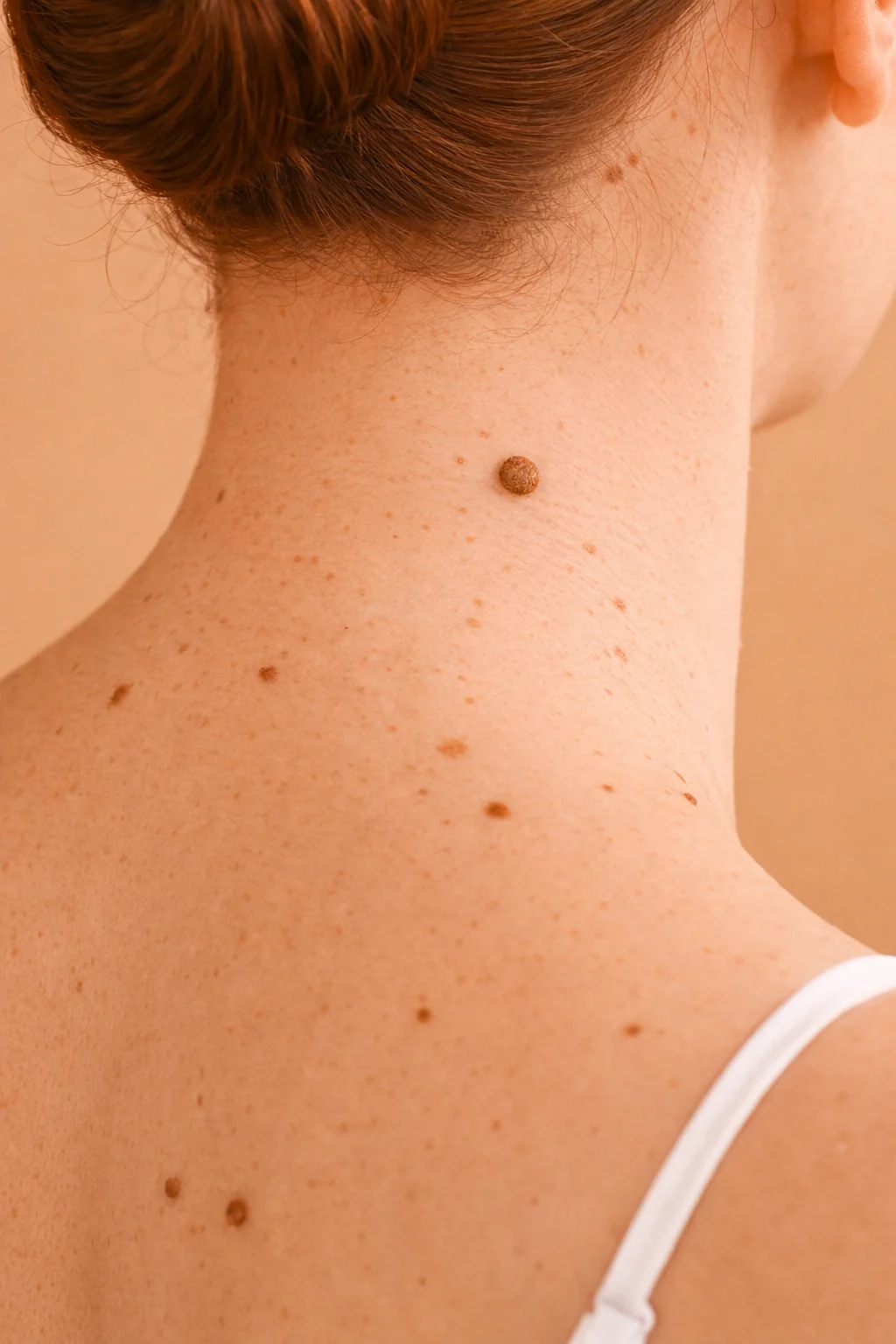
      • For individual lesion diagnosis and removal privately (like suspect moles), prices often sit around GBP 775-GBP 930 including biopsy and histology.
      • NHS care is free at the point of delivery for medically necessary treatment, but private costs vary widely based on clinic, complexity, cosmetic considerations and follow-up needs.
      • Whether care is through NHS or private practice.
      • Type of cancer and complexity (e.g. melanoma versus small BCC).
      • Clinic reputation, surgeon experience and geography.
      • Inclusion of diagnostics (biopsies, imaging, histology) and aftercare.
      • Some advanced treatments (immunotherapy, radiotherapy) come with higher cost profiles.

      Accessibility

      Public transport:

        • Limited rail connectivity
        • Nearest mainline access via Castle Cary
        • Road connectivity via A39 and A371

      Parking availability:

        Town centre car parks and on-street parking typical of small cathedral city

      Clinic distribution:

        Likely high street or central boutique clinic locations

      Airport proximity:

        Approximately 35 minutes to Bristol Airport

      Preparing for Your Skin-cancer Appointment

        Treatment Safety & Local Regulations

          Yes, NICE has specific guidance on the assessment and management of melanoma (NG14) and quality standards for skin cancer care that cover prevention, diagnosis, referral and treatment. These guidelines help standardise care and improve outcomes. The MHRA regulates drugs and medical devices used in treatment, and broader clinical practice standards apply.

          Local regulatory authority:

            Care Quality Commission (CQC)

          Private insurance usage locally:

            • Low relevance for cosmetic procedures
            • Mole assessments may be NHS-referred if clinically indicated

          Cosmetic finance availability:

            • Unlikely required for treatment mix focused on facials and HIFU
            • Typically self-funded

          Who Is a Good Candidate?

            Choosing a Clinic

              Current average rating citywide: 4
              Recovery & Long-Term Results

                Aftercare:
                • For actual skin cancer, non-surgical alternatives like creams or topical treatments only apply in limited scenarios (actinic keratosis or very superficial BCC with imiquimod/5-FU), and youd discuss those with a specialist. Most skin cancers require surgical removal as the cornerstone. Other options like radiotherapy or systemic therapy (immunotherapy/chemotherapy) are used depending on type and stage.