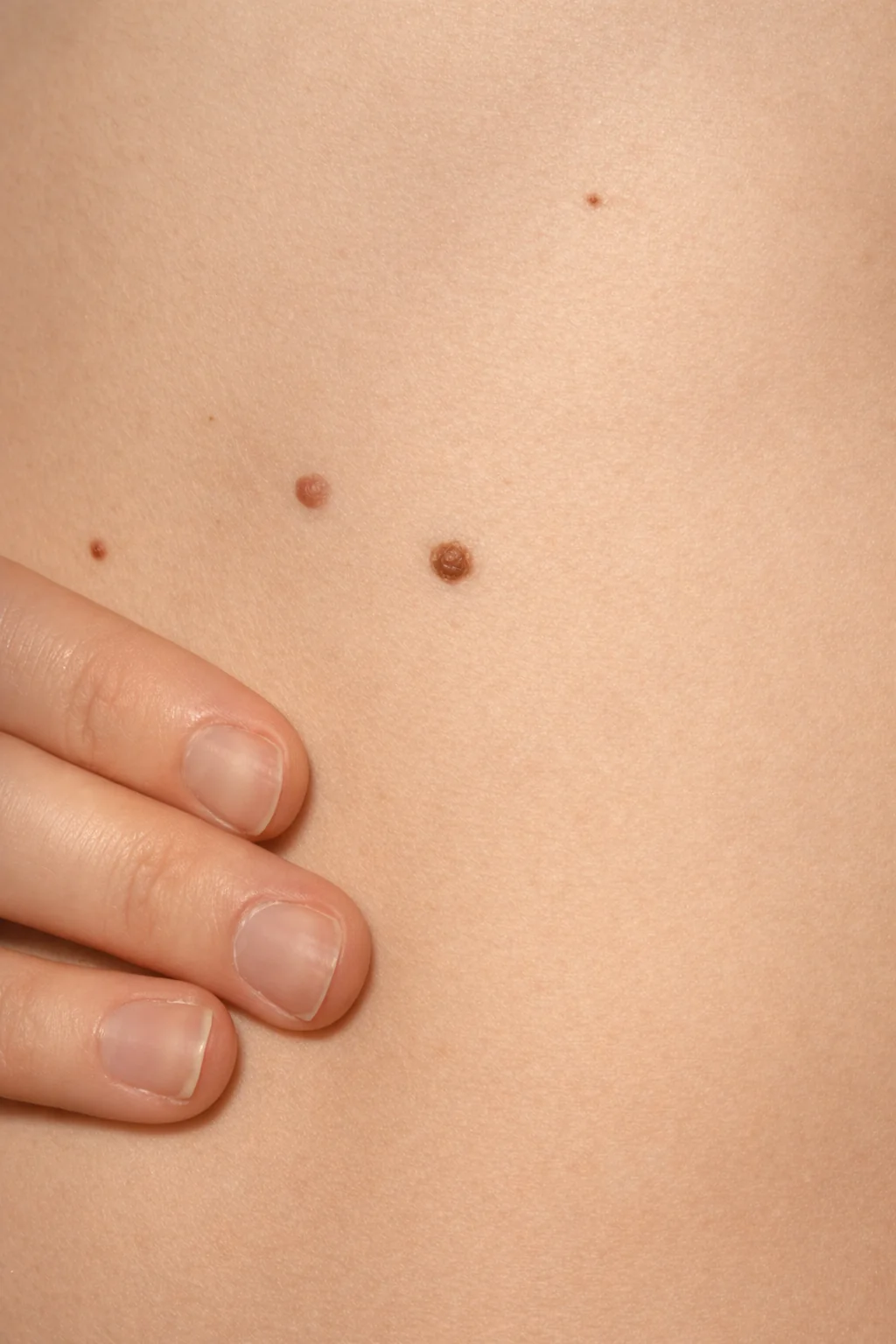
Top skin-lesions Providers in Wimborne

Best Skin Lesions Clinics in Wimborne

Theskinclinic Private Dermatology And Cosmetic Clinic

Profile
Theskinclinic Private Dermatology And

Dermatologist

Rating
(18 reviews)
Location
Wimborne BH21 1NL, United Kingdom
Treatments offered

Skin-lesions Treatment in Wimborne

Our dataset currently has 1 clinic(s), with approximately 18 reviews and an average rating of 4.6.

Medical Infrastructure:

    • Primary care via local GP practices
    • Secondary and specialist dermatology services through University Hospitals Dorset NHS Foundation Trust (Poole Hospital and Royal Bournemouth Hospital)
    • Limited standalone private hospital presence within town.

Local Aethetics Market:

    Specialist-led, moderately mature dermatology niche market.

Goals of Skin-lesions Treatment

  • Correctly identify what the lesion actually is
  • Rule out malignancy early if theres any doubt
  • Treat or remove lesions that are symptomatic, growing, bleeding, or cosmetically distressing
  • Preserve healthy tissue and minimise scarring
  • Give you clarity so youre not guessing or spiralling on Google at 1am

Skin-lesions Treatment Options

Medical & Non-Surgical Approaches

  • Some lesions can be monitored rather than removed, especially if clearly benign. Others respond to topical treatments like cryotherapy or prescription creams. DIY or cosmetic-only approaches are risky for undiagnosed lesions because they can destroy visual clues needed for cancer detection. In short, assessment first, treatment second. ([cancerresearchuk.org](https://www.cancerresearchuk.org/about-cancer/skin-cancer))

Pros of Skin-lesions Treatment

    Cons of Skin-lesions Treatment

      Cost of Skin-lesions Treatment in Wimborne

      • NHS assessment and treatment is free when medically indicated
      • Private consultation for skin lesions often ranges GBP 200 to 350
      • Private removal with histology typically GBP 500 to 1,000+ depending on complexity and site ([harleystreetskinclinic.com](https://www.harleystreetskinclinic.com/articles/understanding-mole-removal-cost-uk-guide/))
      • Benign vs suspicious lesions
      • Whether biopsy and histology are included
      • Size, number, and anatomical location
      • Clinic location and surgeon experience
      • Need for reconstruction or stitches

      Accessibility

      Public transport:

        • Bus connectivity to Poole and Bournemouth
        • Nearest rail links in Poole.

      Parking availability:

        Good town-centre parking typical of market towns.

      Clinic distribution:

        Likely located within town centre medical or professional premises.

      Airport proximity:

        Approximately 20–25 minutes to Bournemouth Airport.

      Preparing for Your Skin-lesions Appointment

        Treatment Safety & Local Regulations

          Yes. NICE guidelines cover suspected cancer referrals and management of skin lesions, especially melanoma and non-melanoma skin cancers. MHRA regulates devices and treatments used. There isnt one single skin lesion guideline because its a category, not a diagnosis. ([nice.org.uk](https://www.nice.org.uk/guidance/ng12))

          Local regulatory authority:

            Care Quality Commission (CQC) for regulated medical activities in England.

          Private insurance usage locally:

            High likelihood of private medical insurance use for dermatology consultations, mole checks and skin cancer treatment.

          Cosmetic finance availability:

            • Limited cosmetic surgery financing within town
            • Primarily consultation-based dermatology fees.

          Who Is a Good Candidate?

            Choosing a Clinic

              Current average rating citywide: 4.6
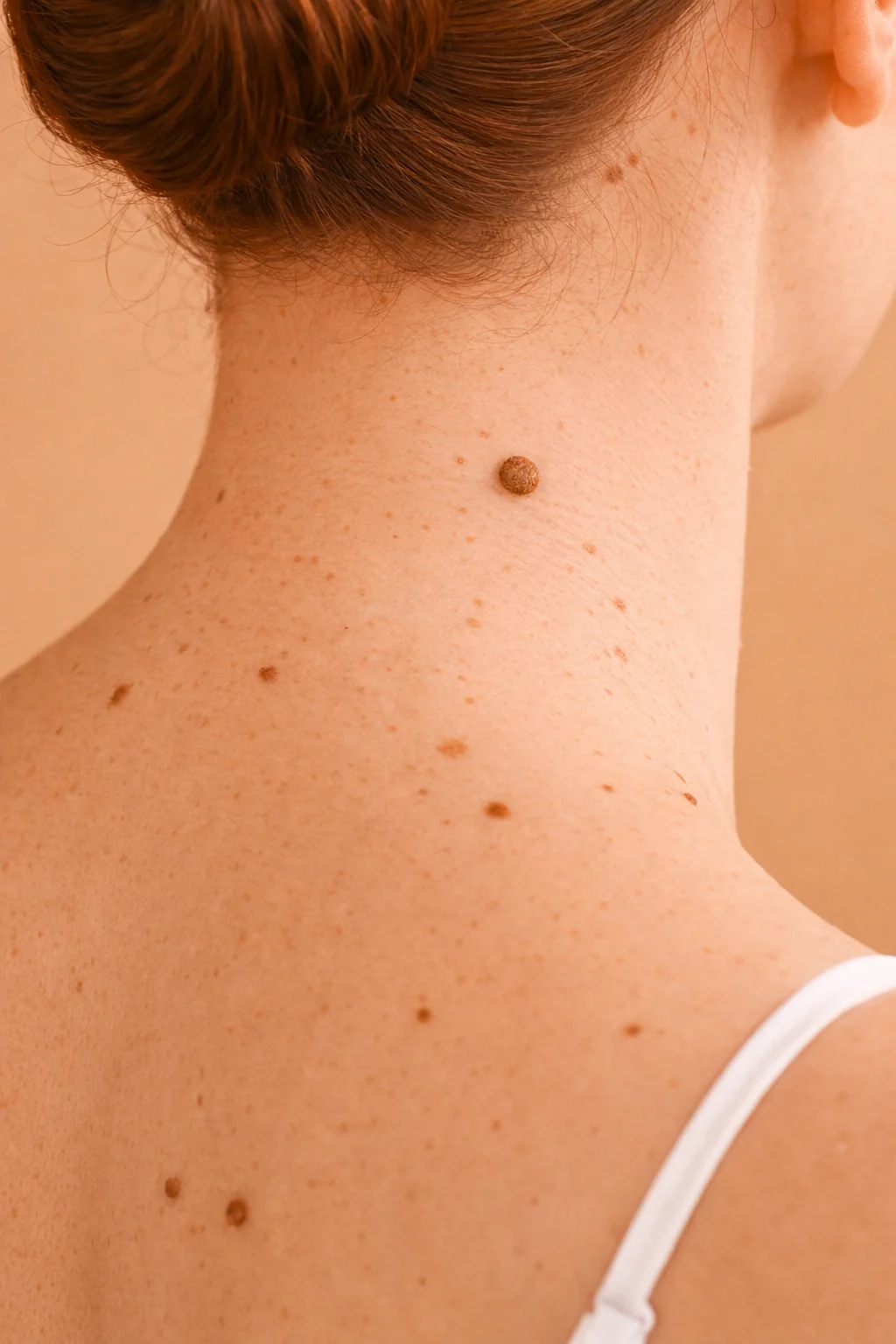
              Recovery & Long-Term Results

                Aftercare:
                • Some lesions can be monitored rather than removed, especially if clearly benign. Others respond to topical treatments like cryotherapy or prescription creams. DIY or cosmetic-only approaches are risky for undiagnosed lesions because they can destroy visual clues needed for cancer detection. In short, assessment first, treatment second. ([cancerresearchuk.org](https://www.cancerresearchuk.org/about-cancer/skin-cancer))