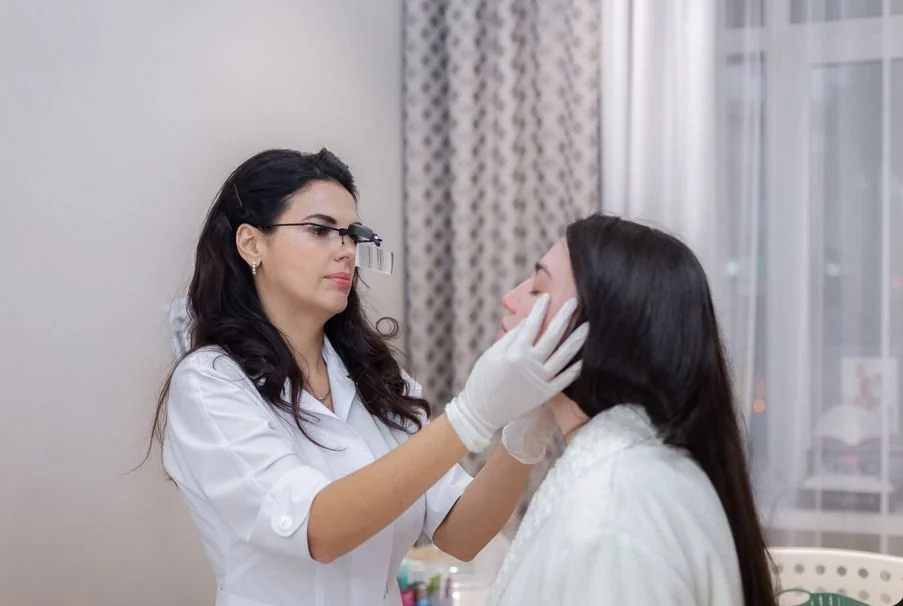
Botulinum toxin and other prescription-only medicines require GMC-registered prescriber or qualified independent nurse prescriber
Face-to-face consultation required before prescribing
Inspection Framework:
CQC inspection for GP practices and regulated independent healthcare providers
NHS-contracted services subject to contractual performance oversight
Insurance & Financing
Private Insurance Usage:
Medical dermatology or lesion removal may be NHS-managed
Cosmetic procedures typically excluded from private insurance
Cosmetic Finance Availability:
Limited evidence of structured finance locally
Higher-value procedures such as liposuction typically accessed in larger cities with finance options
Seasonality & Local Trends
Peak Booking Periods:
Spring (April-June)Pre-Christmas (November-December)
Social Media Trends:
Lip filler and anti-wrinkle imageryHIFU and skin tightening demonstrationsMicroneedling and chemical peel transformationsHair treatment and PRP-style promotionsLiposuction consultation marketing (likely referral-based)
Referral Networks & Teaching Hospital Links
Referral access to Royal Blackburn Hospital and Burnley General Hospital
Tertiary referrals to Manchester teaching hospitals
Accessibility & Location Factors
Public Transport Proximity:
Colne railway station with links to Preston
Bus connectivity across East Lancashire
Parking Availability:
Generally good town-centre parking
Low congestion levels
City Centre vs Suburban Distribution:
Clinics primarily located along high street or mixed residential-commercial areas
No dedicated private medical district
Medical Tourism Potential
Tourism Volume Indicator:
Low
Primarily residential town with limited visitor-driven demand
Hotel Density Near Clinics:
Limited hotel infrastructure within town
Greater availability in Burnley and Manchester
Airport Proximity:
Approximately 30 miles to Manchester Airport
~45 miles to Leeds Bradford Airport
Overall Medical Tourism Viability:
Low
Strong competitive pressure from Manchester cosmetic surgery and dermatology market