Ipl Treatment
Ipl Treatment Treatment
Ipl Treatment Treatment Statistics and Key Information
- Patient Satisfaction Rate
- 95%
- Average Treatment Cost
- See provider pricing
- Number of Reviews
- 86904
- Number of Available Practitioners
- 2226
- Treatment Downtime Duration
- Varies by treatment
Overview
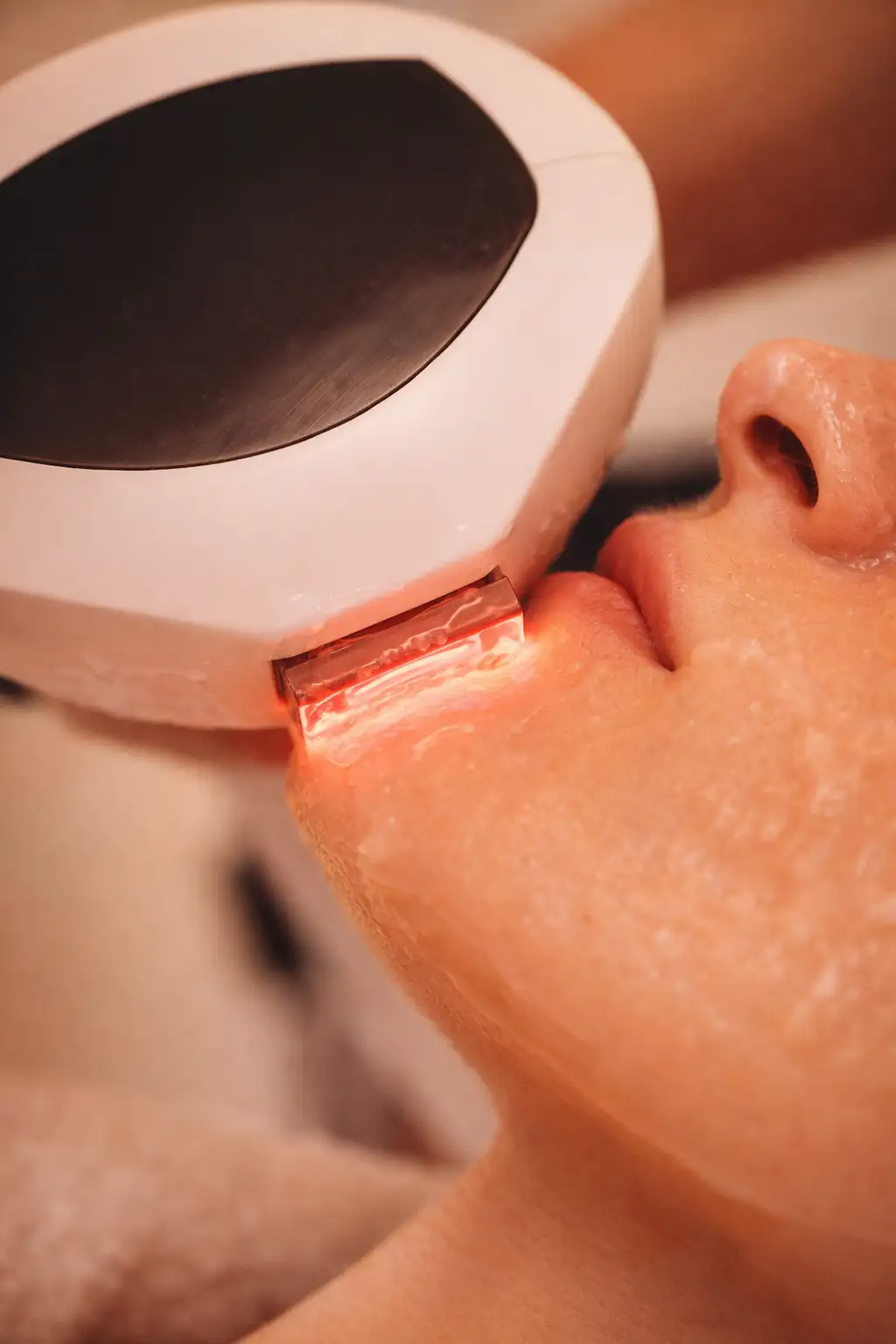
Ipl Treatment is a treatment that helps address various skin and aesthetic concerns.
Treatment Options
Candidate & Preparation
Appointments & Safety
Pain Considerations
Most people describe IPL as a snapping elastic band feeling with warmth. It’s uncomfortable but usually tolerable. Cooling systems help.
Safety Considerations
- Incorrect settings can cause burns or pigment changes.
- Eye protection is essential.
- Experienced operators reduce risk significantly.
Cost & Access
Typical Prices
In the UK, IPL sessions usually range from about GBP 50 to GBP 250 per session depending on area and indication. Hair removal packages are often sold in courses. Facial IPL for pigmentation or redness can range GBP 120 to 300 per session.
Why Prices Vary
- Treatment area size.
- Type of concern being treated.
- Clinic location and overheads.
- Device quality and practitioner experience.
- Single session versus package pricing.
Results & Maintenance
How Long Results Last
Results depend on what you’re treating. Hair reduction can last months to years with maintenance. Pigmentation and redness improvements can last a long time but sun exposure and ageing can bring issues back. IPL doesn’t stop biology.
Maintenance Requirements
Yes. IPL usually requires a course of treatments spaced weeks apart, followed by maintenance sessions every 6–12 months depending on the concern and lifestyle factors like sun exposure.
Regulation & Guidelines
NICE Guidelines
NICE does not issue cosmetic-specific IPL guidance but supports safe use of light-based therapies within clinical governance.
FDA Guidelines
In the US, IPL devices are FDA-cleared for indications like hair removal and pigmentation.
MHRA Guidelines
In the UK, IPL devices are regulated by the MHRA, and safety incidents should be reported through official channels.