CE‑marked Medical Device Class III (as per manufacturer documentation) :contentReference[oaicite:33]{index=33}
CE‑marked Medical Device Class III (as per manufacturer documentation) :contentReference[oaicite:33]{index=33}
Cellulite / ECM\u2011restructuring injectable
Description
Sunekos Cell 15 is a resorbable, sterile injectable solution designed to treat cellulite (edematous‑fibrosclerotic panniculopathy, EFP) by targeting the extracellular matrix (ECM) rather than fat destruction. It combines low molecular weight hyaluronic acid, a patented amino‑acid complex, and an alkaline buffer to stimulate ECM protein turnover, improve microcirculation, reduce inflammation and fibrosis, and restore physiological pH. The dual‑vial kit (HA/AA + carbonate/bicarbonate) is reconstituted immediately before injection. It is intended for use by trained medical professionals. :contentReference[oaicite:0]{index=0}
Bnefits
Stimulates neo‑collagenesis and elastogenesis to rebuild extracellular matrix structure (HA + amino acids) :contentReference[oaicite:1]{index=1}
Improves microcirculation and lymphatic drainage, aiding fluid balance and tissue oxygenation :contentReference[oaicite:2]{index=2}
Reduces ECM inflammation and fibrosis, contributing to smoother skin texture and reduced cellulite appearance :contentReference[oaicite:3]{index=3}
Helps neutralize tissue acidosis in cellulite‑affected areas thanks to carbonate/bicarbonate buffer, restoring physiological pH balance :contentReference[oaicite:4]{index=4}
Minimally invasive compared with lipolytic or liposuction approaches; avoids fat‑destruction and aims for tissue restructuring instead :contentReference[oaicite:5]{index=5}
Indications
Cellulite Stages I–IV (edematous‑fibrosclerotic panniculopathy / EFP) on thighs, buttocks, abdomen, arms, or other affected areas :contentReference[oaicite:6]{index=6}
Uneven skin texture, skin dimpling, structural skin irregularities due to ECM fibrosis associated with cellulite :contentReference[oaicite:7]{index=7}
Skin laxity or reduced elasticity in cellulite‑prone body areas (in combination with ECM restoration) :contentReference[oaicite:8]{index=8}
Sodium bicarbonate and sodium carbonate (alkaline buffer) to neutralize local acidosis :contentReference[oaicite:11]{index=11}
Water for injection / sterile aqueous solution (WFI‑grade) likely used as solvent/buffer base per standard injectable formulation practices. :contentReference[oaicite:12]{index=12}
Formulation
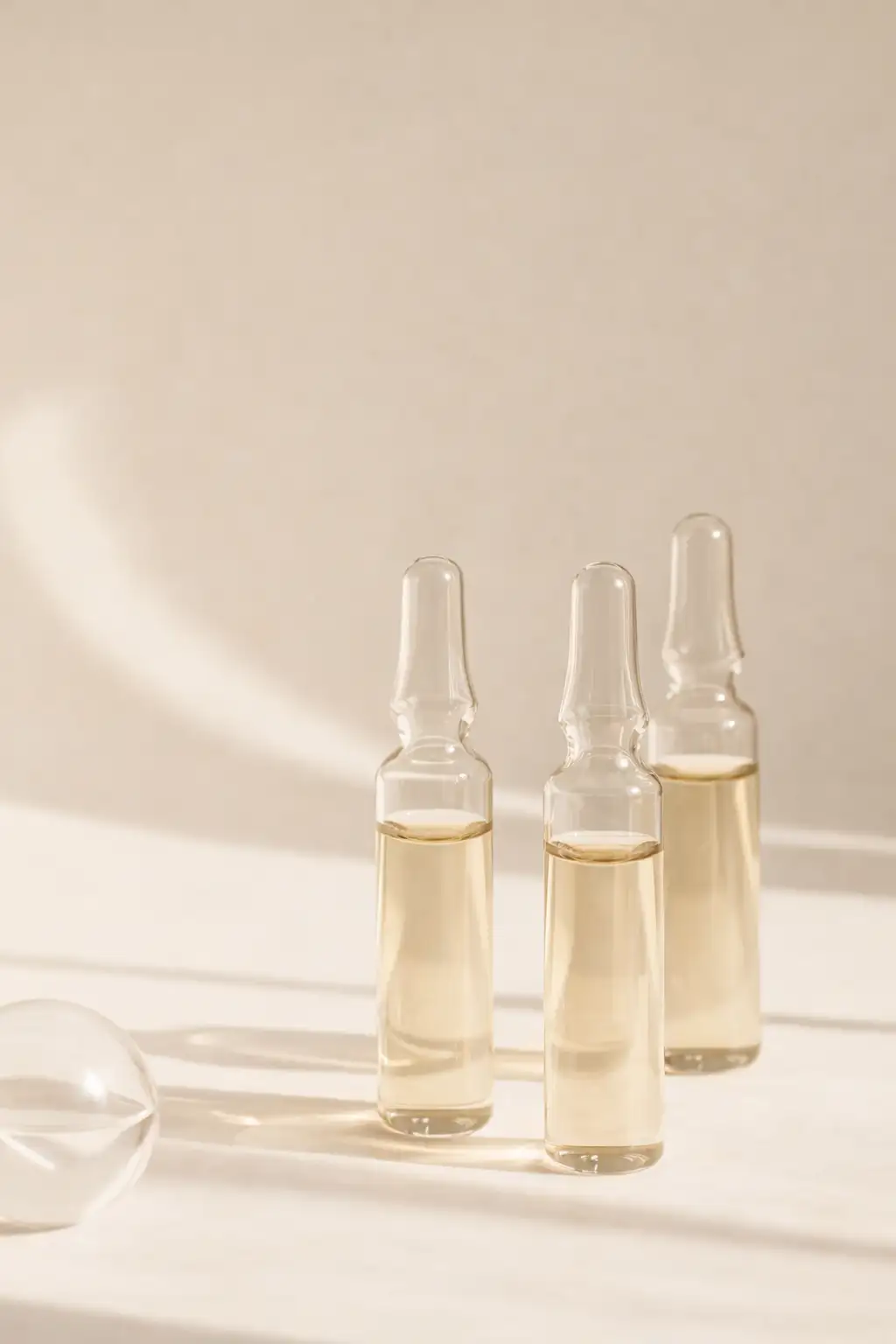
Dual‑vial injectable kit to be reconstituted before use: one vial/bottle containing HA + amino acids, and one vial containing carbonate/bicarbonate buffer. :contentReference[oaicite:13]{index=13}
One pack = 1 treatment (15 ml total) comprising: 1 bottle of HA + amino acids (10.5 ml) + 1 vial of carbonate/bicarbonate buffer (4.5 ml). :contentReference[oaicite:15]{index=15}
Sterile, single‑use vials intended for immediate reconstitution and injection. :contentReference[oaicite:16]{index=16}
Usage
Must be administered by a qualified medical professional under aseptic conditions. :contentReference[oaicite:17]{index=17}
For cellulite Stages I–II: inject with a 30G, 12 mm needle at ~30° into the mid‑deep dermis; approx. 0.15 ml per injection point. :contentReference[oaicite:18]{index=18}
For cellulite Stages III–IV: inject with a 27G (40–50 mm) or 22G (50–70 mm) cannula into the deep dermis/hypodermis using fan‑technique; approx. 0.8 ml per point. :contentReference[oaicite:19]{index=19}
Treatment plan commonly: 3 sessions separated by 2 weeks; some protocols mention 3‑4 sessions every 2–3 weeks, maintenance 1–2 sessions every 6–12 months. :contentReference[oaicite:20]{index=20}
Massage of treated area post‑injection may be recommended to ensure even distribution of the solution. :contentReference[oaicite:21]{index=21}
Contraindications
Known hypersensitivity to hyaluronic acid or any amino acids in the formulation. :contentReference[oaicite:24]{index=24}
Active skin inflammation or infection at the treatment site (e.g. dermatitis, acne, psoriasis, viral infection). :contentReference[oaicite:25]{index=25}
Pregnancy or breastfeeding (safety data lacking). :contentReference[oaicite:26]{index=26}
Bleeding disorders or anticoagulant therapy (risk of bruising/hematoma). :contentReference[oaicite:27]{index=27}
Patients with severe systemic disease, immunosuppression or autoimmune disease (consult clinician) — as per some provider guidelines. :contentReference[oaicite:28]{index=28}
Adverse Effects
Mild, temporary redness, swelling, bruising or tenderness at injection site. :contentReference[oaicite:29]{index=29}
Localized nodules or transient discomfort; rare allergic reactions or nodularity (if improper technique used). :contentReference[oaicite:30]{index=30}
Storage Conditions
Store unopened vials in a cool, dry place at room temperature, away from direct sunlight or excessive heat. :contentReference[oaicite:31]{index=31}
Use immediately after reconstitution; do not store reconstituted product to maintain sterility. :contentReference[oaicite:32]{index=32}
Duration
Typically a course of 3\u20134 injections over several weeks; maintenance sessions every 6\u201312 months in some protocols. :contentReference[oaicite:22]{index=22}
Onset
Not clearly quantified in public literature; preliminary clinical evaluation noted visible cellulite reduction and thigh circumference decrease at 1 month and maintained at 4 months after last treatment in a small pilot study. :contentReference[oaicite:23]{index=23}