Verruca Treatment

Verruca Treatment Treatment
Verruca Treatment Treatment Statistics and Key Information
- Patient Satisfaction Rate
- 95%
- Average Treatment Cost
- See provider pricing
- Number of Reviews
- 2747
- Treatment Downtime Duration
- Mild soreness or blistering for a few days
- Number of Available Practitioners
- 59
Overview
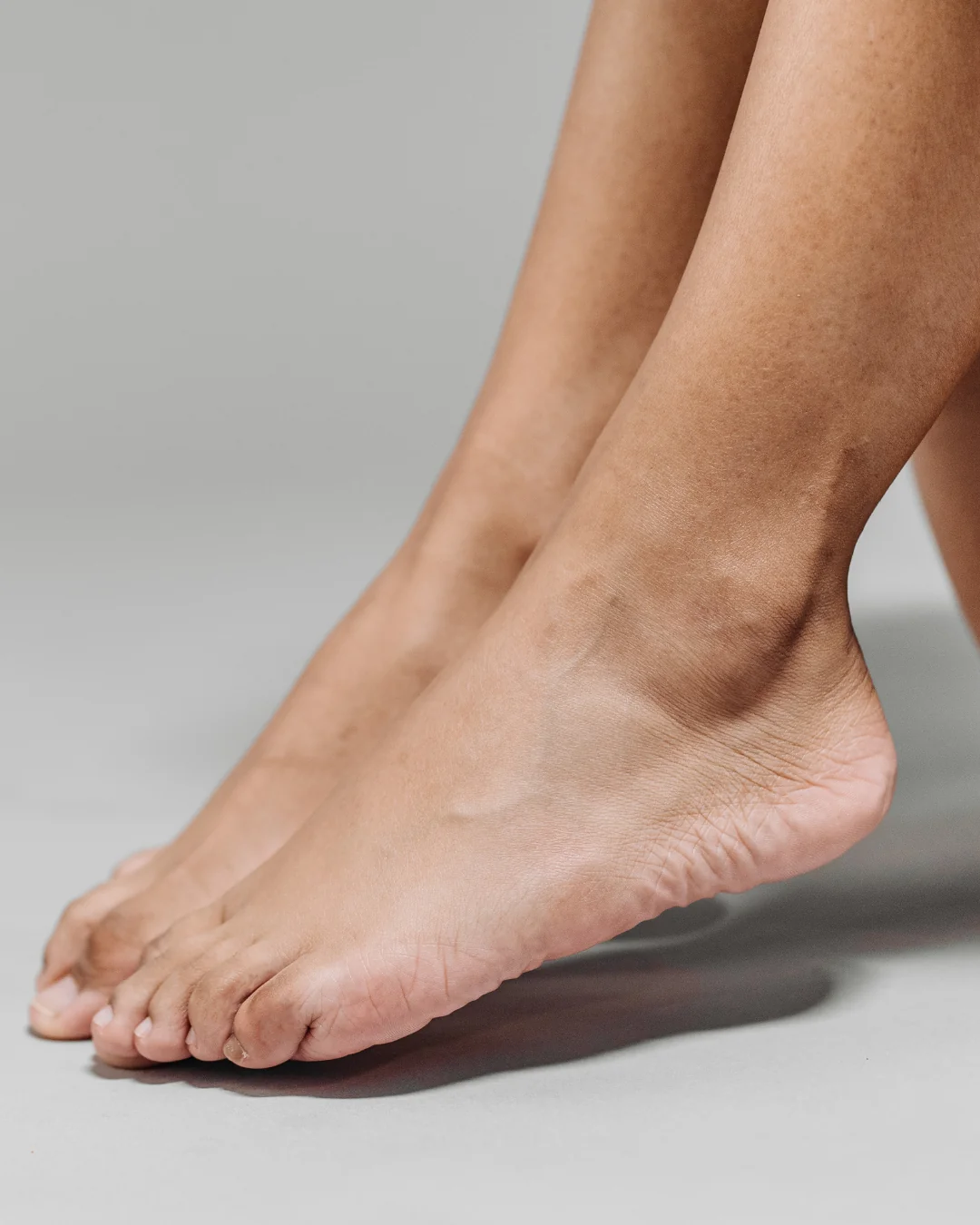
A verruca is basically a wart on the sole of the foot, caused by human papillomavirus (HPV). Verruca treatment focuses on either destroying the infected skin cells or nudging your immune system to finally notice the virus and clear it. Treatments range from topical acids that slowly peel away infected tissue, to freezing (cryotherapy), needling, laser, or cautery. None of these kill the virus directly. They work by damaging the verruca enough that your immune system wakes up and finishes the job. Some verrucas disappear on their own, but others dig in for years. ([nhs.uk](https://www.nhs.uk/conditions/warts-and-verrucas/))
Goals of Verruca Treatment treatment
- Eliminate the verruca and underlying viral tissue
- Reduce pain when walking or standing
- Prevent spread to other areas or people
- Minimise recurrence and scarring
- Get you back to normal shoes and activity without thinking about your foot
Severity Levels
Treatment Options
Pros
- Many treatment options so plans can be tailored
- Most verrucas are benign and treatable
- Successful treatment often leads to long-term clearance
- Non-surgical options exist for mild cases
Cons
- No single treatment works for everyone
- Some methods are painful or require downtime
- Multiple sessions are often needed
- Recurrence is possible because HPV can linger
Candidate & Preparation
Who is a Good Candidate
- People with painful verrucas affecting walking
- Those with verrucas that haven’t resolved after months
- Athletes or people on their feet all day
- Anyone concerned about spreading it to others
Appointments & Safety
What Happens During Appointment
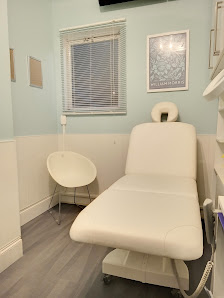
The practitioner examines and pares down thick skin. Treatment is applied depending on method. Appointments usually last 15–30 minutes. More intensive treatments may involve local anaesthetic and longer recovery discussion. Follow-ups are common every few weeks. ([nhs.uk](https://www.nhs.uk/conditions/warts-and-verrucas/))
Cost & Access
Typical Prices
- NHS treatment is usually conservative and free when clinically justified
- Private verruca treatment typically ranges GBP 50 to 150 per session
- Advanced treatments like needling or laser can cost GBP 200 to 400 per session
Why Prices Vary
- Type of treatment used (acid, cryotherapy, needling, laser)
- Size, depth, and number of verrucas
- Number of sessions required
- Clinic location and practitioner experience
- Whether follow-up care is included
Results & Maintenance
How Long Results Last
Once cleared, a verruca usually doesn’t return in the same spot. However reinfection is possible, especially in communal showers or pools. Immune response varies, so some people are more prone than others. ([nhs.uk](https://www.nhs.uk/conditions/warts-and-verrucas/))
Maintenance Requirements
Often yes. Many treatments require repeat sessions every 2–4 weeks until resolution. Once cleared, no maintenance is needed unless new verrucas appear.
Regulation & Guidelines
Guidelines
There are no NICE guidelines specific to verruca treatment alone. Management falls under general wart guidance and primary care dermatology standards. MHRA regulates devices and chemicals used. Clinical judgement guides treatment choice rather than rigid protocols.
What to Do If Something Goes Wrong
Verruca treatment is provided by regulated healthcare professionals. Clinics fall under CQC oversight and practitioners are regulated by bodies like HCPC, GMC, or NMC. If complications occur, contact the clinic first, then escalate if unresolved. ([cqc.org.uk](https://www.cqc.org.uk))