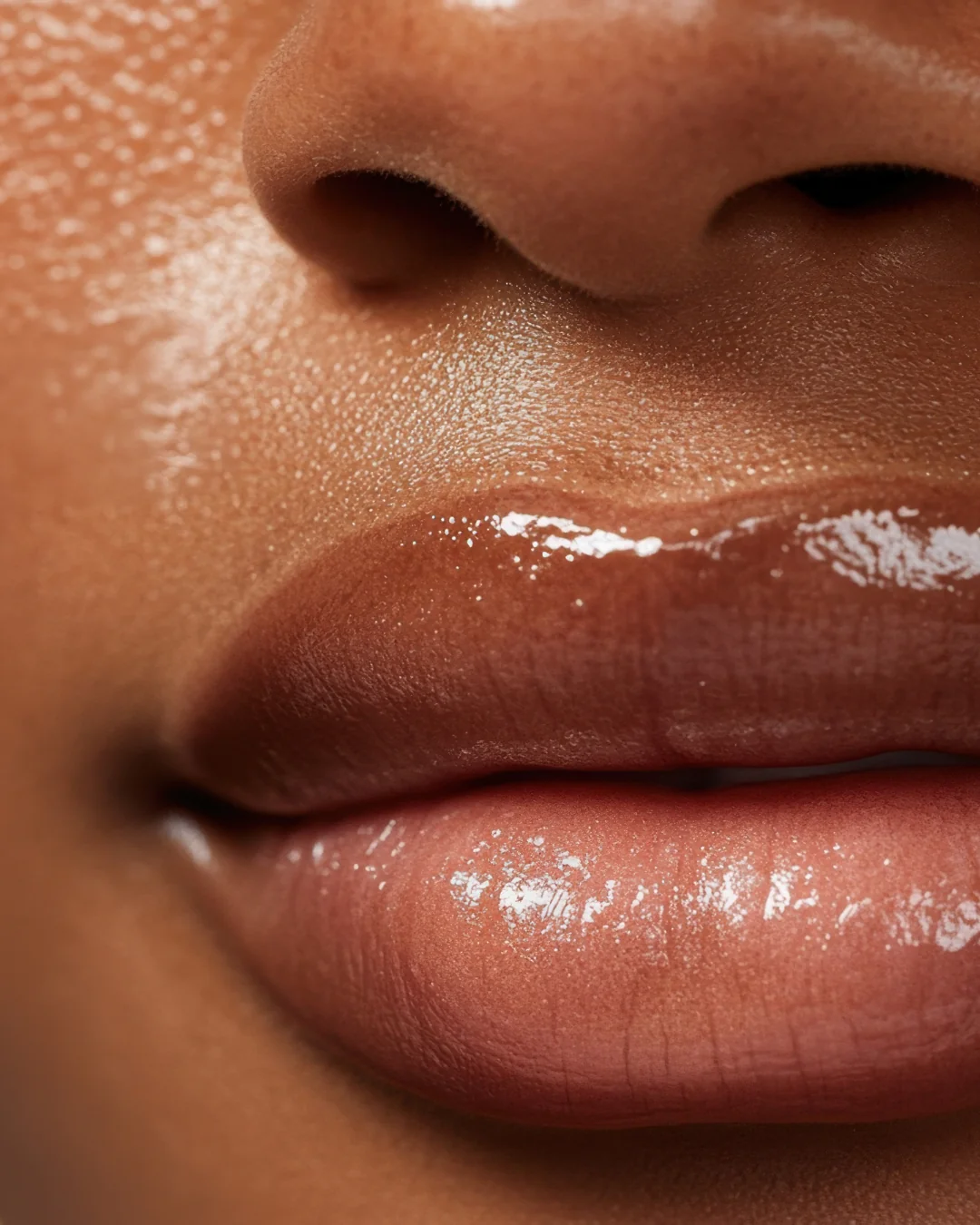
When people say �Lips� in aesthetics, they almost always mean lip augmentation with dermal fillers. In the UK, that usually means hyaluronic acid filler injected into different layers of the lips. Hyaluronic acid attracts water, so it adds volume, structure, and hydration. The injector places small amounts strategically to shape the border (vermillion), add body, or correct asymmetry. The product sits in the tissue and gradually breaks down over time as your body metabolises it. ([nhs.uk], [mayoclinic.org])
Our dataset currently has 5 clinic(s), with approximately 39 reviews and an average rating of 4.42.
Medical Infrastructure:
- NHS GP practices including CQC-registered surgeries (e.g., The Old Fire Station Surgery)
- Community dermatology under Humber & North Yorkshire pathways
- Secondary care via Hull University Teaching Hospitals NHS Trust (Castle Hill Hospital and Hull Royal Infirmary).
Local Aethetics Market:
Balanced medical-dermatology-led market with moderate aesthetic integration.
- Avoid alcohol and blood-thinning meds 24�48 hours before
- Hydrate well
- Avoid lip waxing or aggressive exfoliation beforehand
- Tell your injector if you�re prone to cold sores
Yes. Most people repeat treatment every 6�12 months depending on metabolism and desired look.
Lips have a rich blood supply, so incorrect injection can block vesselsFillers are MHRA-regulated medical devicesBruising and swelling are common but usually temporarySerious complications are rare but require immediate treatment
Most fillers contain lidocaine. Expect pressure and stinging rather than sharp pain. Swelling afterward can feel tight or sore for a few days.
- GMC, NMC, or GDC registration
- Advanced injectable training
- Experience managing complications
- Access to emergency medications like hyaluronidase
There�s no single NICE guideline for cosmetic lip fillers. Products are MHRA-regulated medical devices, and safety guidance exists around consent, training, and complication management. In the US, fillers are FDA-approved for specific indications.
Local regulatory authority:
- Care Quality Commission (CQC) for regulated activities in England
- General Medical Council (GMC) for doctors
- Nursing and Midwifery Council (NMC) where applicable.
Private insurance usage locally:
- Medical dermatology may be covered by NHS or private insurance
- Cosmetic services typically self-funded.
Cosmetic finance availability:
- Limited formal financing typical of small-town clinics
- Pay-per-treatment model common.
- GMC, NMC, or GDC registration
- Advanced injectable training
- Experience managing complications
- Access to emergency medications like hyaluronidase
- Medical background (doctor, nurse, dentist)
- Strong understanding of lip anatomy and blood supply
- Natural before/after examples
- Willingness to say no or go slowly
- Clear emergency protocol for complications
Current average rating citywide: 4.42