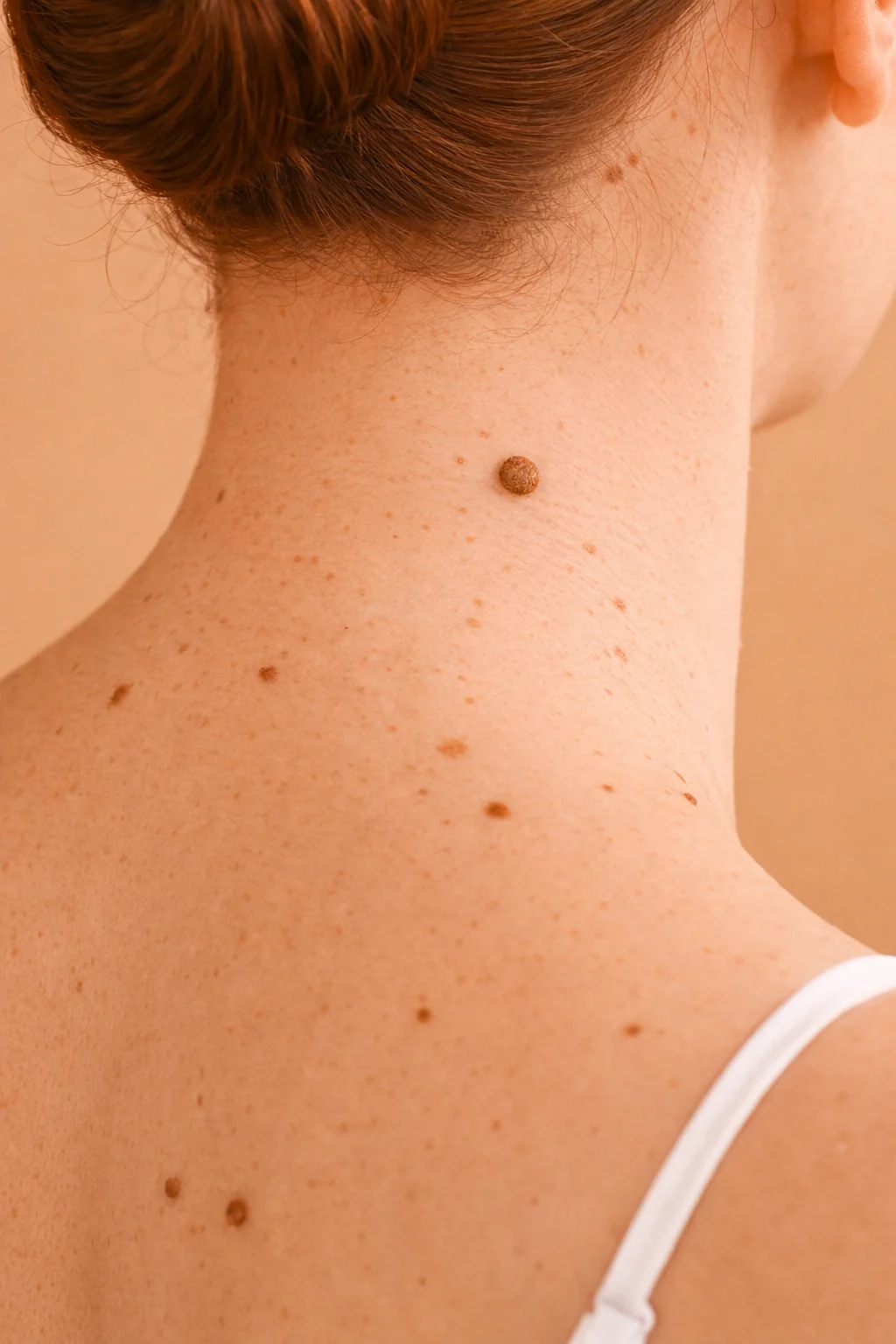
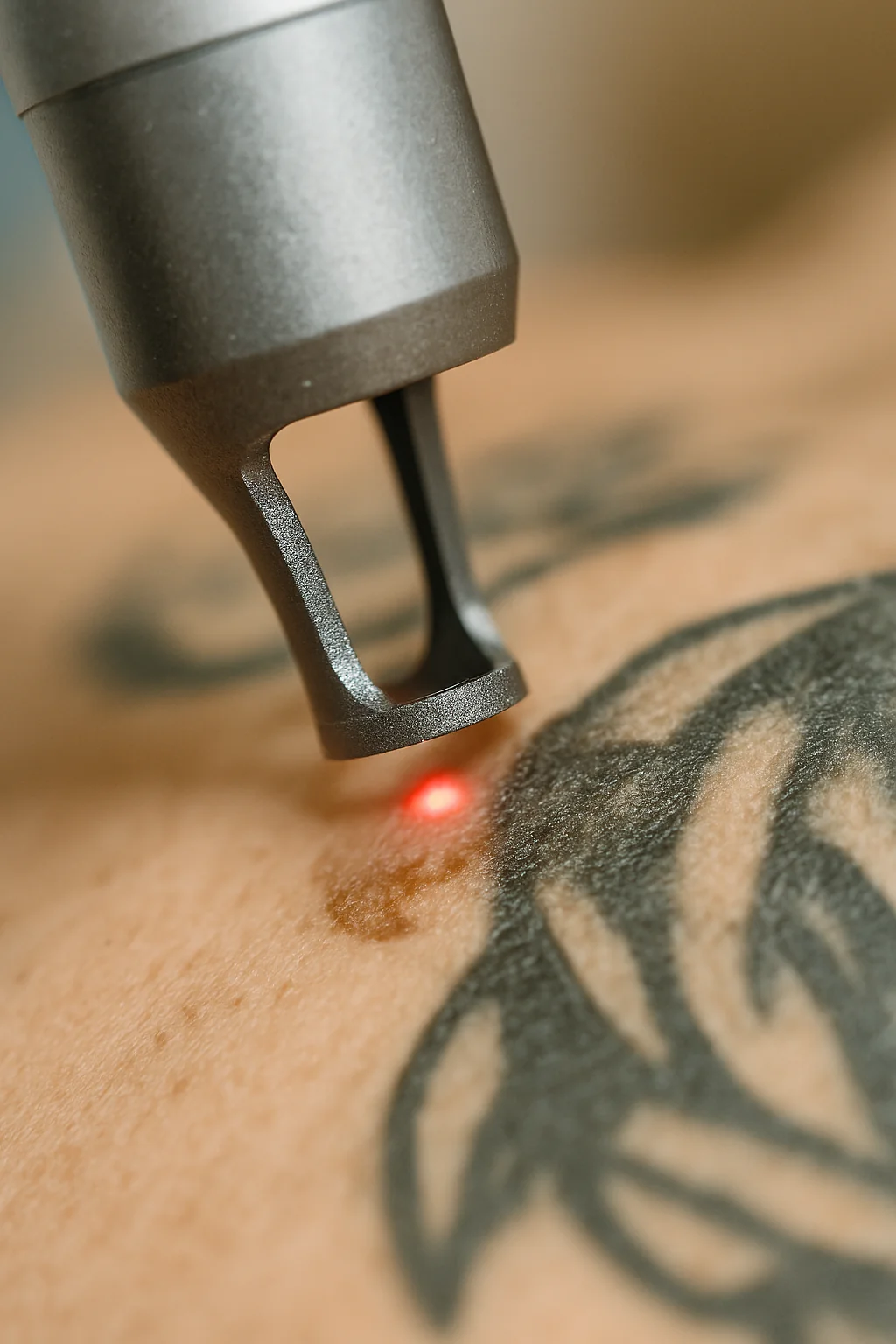
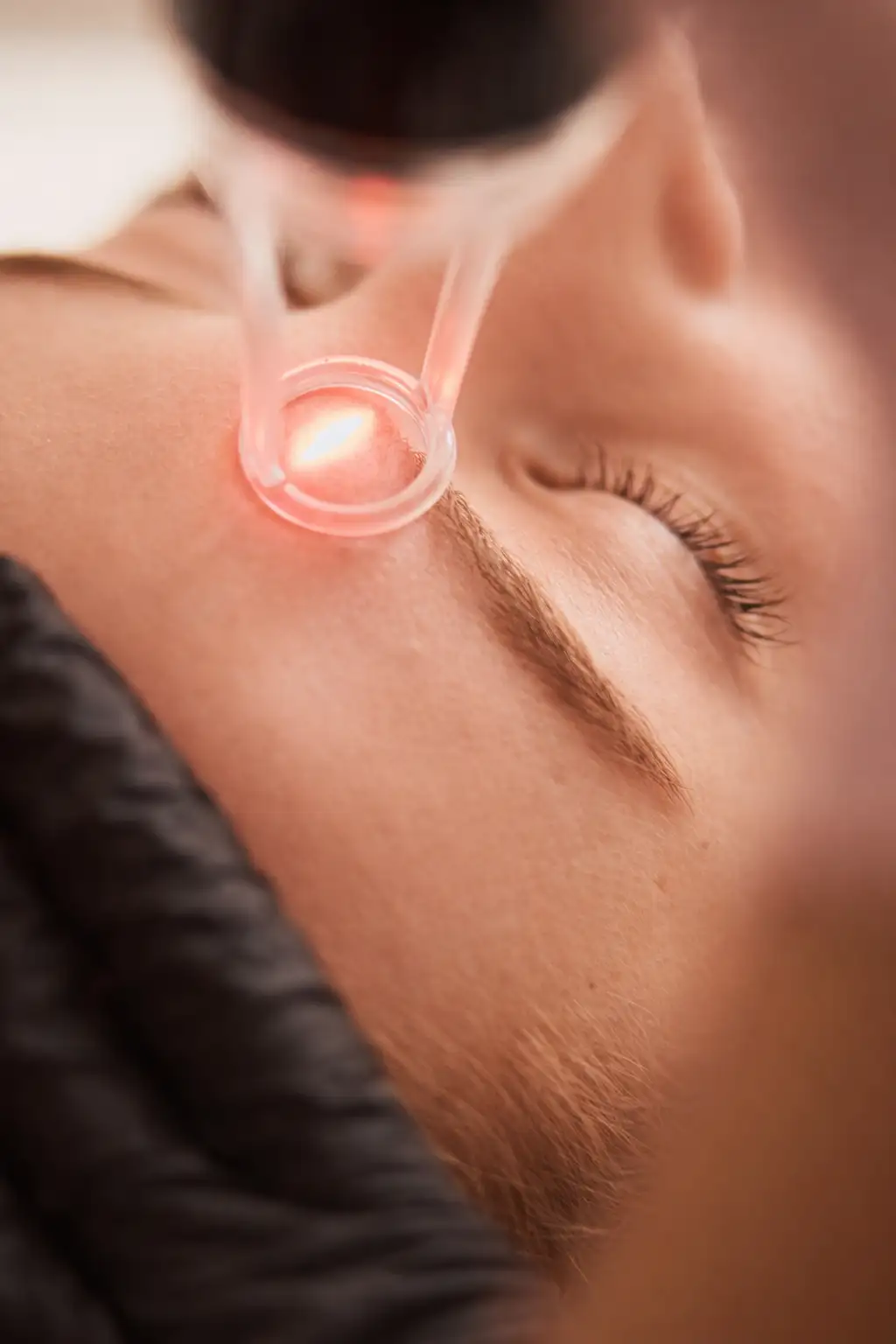
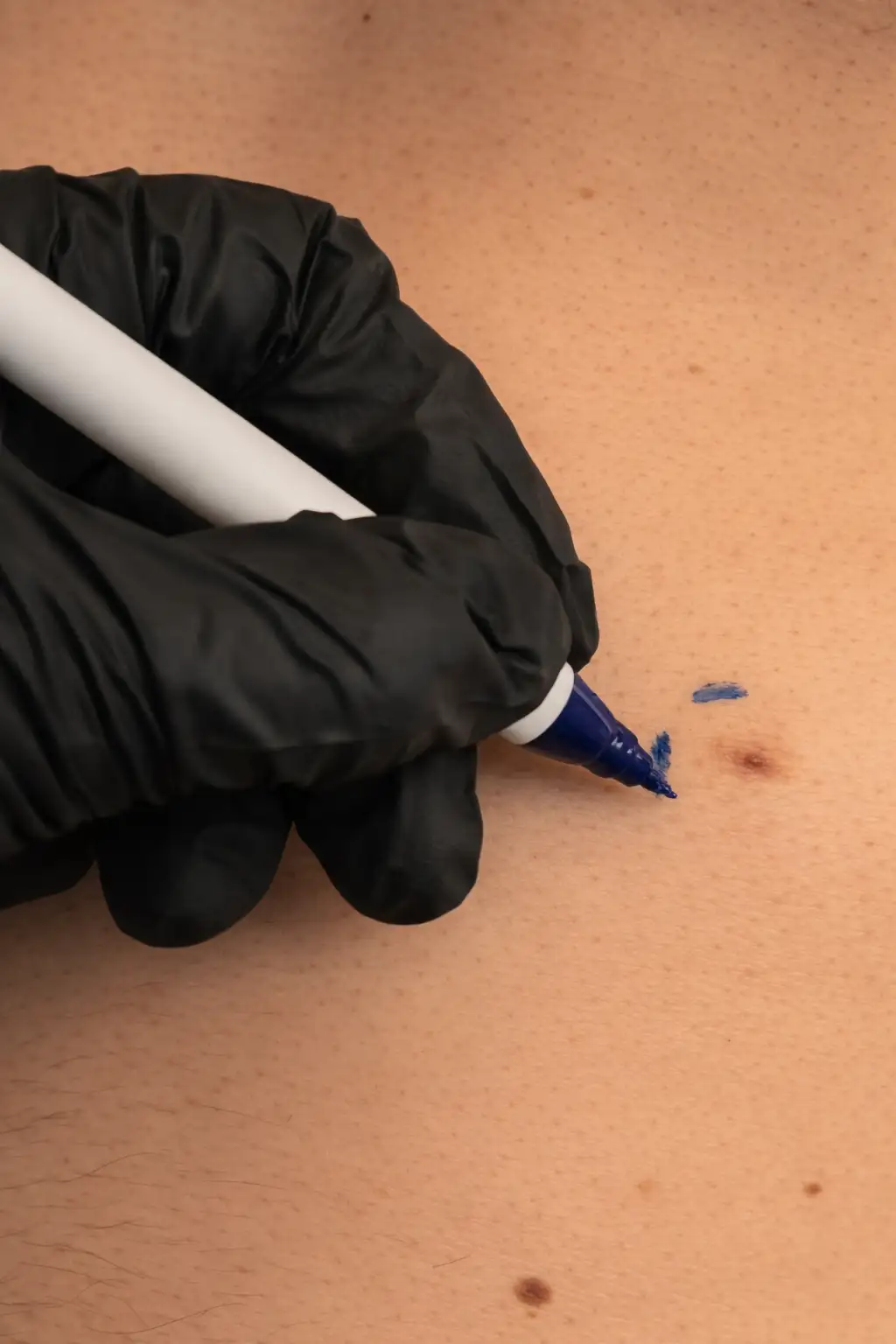
Tattoo removal is the process of trying to fade or erase a tattoo that you no longer want. The most common way this is done in the UK is using specialised laser technology. The laser sends pulses of concentrated light into your skin which are absorbed by the tattoo ink particles. That energy breaks the ink into smaller fragments. Over time, your immune system�s cells (macrophages) help carry those fragments away, so the tattoo gradually fades session by session. Different colours and depths of ink respond differently to laser wavelengths.
Our dataset currently has 1 clinic(s), with approximately 181 reviews and an average rating of 5.
Medical Infrastructure:
- Local NHS GP practices
- Secondary care primarily via University Hospitals of Leicester NHS Trust (Leicester Royal Infirmary and Glenfield Hospital)
- No major private hospital located directly within Wigston.
Local Aethetics Market:
- Emerging-to-established single-brand local dominance
- High review count indicates mature repeat client base.
- Avoid sun exposure or tanning on the tattooed area for weeks before treatment to reduce risk of pigment changes.
- Keep the area clean and avoid irritants like exfoliants just before your session.
- If possible, avoid blood-thinning medications or supplements (like aspirin) ahead of time as advised by your clinician.
- Have a consultation to talk through the tattoo�s colours, age and your goals so they can tailor laser settings.
Yes, it�s not a one-time thing. A full tattoo removal course involves multiple sessions spaced weeks apart. You shouldn�t do sessions too close together because your skin needs time to heal in between.
Laser tattoo removal is generally safe when done by trained professionals using appropriate lasers and protective measures.Common temporary effects include redness, swelling, blistering and mild irritation; rare severe effects include infection or unwanted pigment changes.Protective eyewear is used during treatment and aftercare instructions should be followed to reduce risks.
Most people describe laser sessions as a snapping or stinging sensation like a rubber band on skin, and numbing creams or cooling devices are often used to help.
- Laser/IPL Core of Knowledge training and certificates for the specific laser used, ideally at a regulated level like Ofqual where available.
- Experience with tattoo removal laser systems and before/after evidence of results
- Proper clinic health and safety practices and insurance
There�s no dedicated NICE guideline focused solely on tattoo removal, but devices like lasers have safety and performance standards and should be CE/MHRA compliant. In the USA, the FDA regulates laser devices and says they should be used by or under supervision of trained professionals. Following broader clinical safety guidance and aftercare protocols is important.
Local regulatory authority:
- Local authority special treatments licensing (Oadby & Wigston Borough Council) for laser/IPL
- Care Quality Commission (CQC) required only if regulated medical procedures are provided.
Private insurance usage locally:
Cosmetic laser and HIFU treatments not covered by private medical insurance.
Cosmetic finance availability:
- Package pricing and installment options occasionally offered
- More commonly per-session payment model.
- Laser/IPL Core of Knowledge training and certificates for the specific laser used, ideally at a regulated level like Ofqual where available.
- Experience with tattoo removal laser systems and before/after evidence of results
- Proper clinic health and safety practices and insurance
- A practitioner with specific training and experience in laser tattoo removal, not just general cosmetic devices
- Use of advanced, medical-grade lasers suited for tattoo removal
- Transparent discussion about expected number of sessions and possible outcomes
- Clear aftercare guidance and follow-ups
- Safety practices like eye protection and appropriate test settings for your skin type
Current average rating citywide: 5