Polynucleotide skinbooster for young skin and scars
Certifications
CE Marked Class III medical device for intradermal aesthetic use by healthcare professionals
Based on PN HPT® polynucleotides technology developed and clinically validated in Europe for aesthetic medicine
Manufactured and distributed under certified medical device quality management systems (including ISO 13485) in applicable territories
Intended solely for use by medically qualified practitioners in accordance with EU Medical Device Regulation (MDR) and local regulations
Supported by published clinical and consensus data on the safety and efficacy of PN HPT® polynucleotide gels for skin rejuvenation and scar remodelling
CE Marked Class III medical device for intradermal aesthetic use by healthcare professionals
Based on PN HPT® polynucleotides technology developed and clinically validated in Europe for aesthetic medicine
Manufactured and distributed under certified medical device quality management systems (including ISO 13485) in applicable territories
Intended solely for use by medically qualified practitioners in accordance with EU Medical Device Regulation (MDR) and local regulations
Supported by published clinical and consensus data on the safety and efficacy of PN HPT® polynucleotide gels for skin rejuvenation and scar remodelling
Polynucleotide skinbooster for young skin and scars
Description
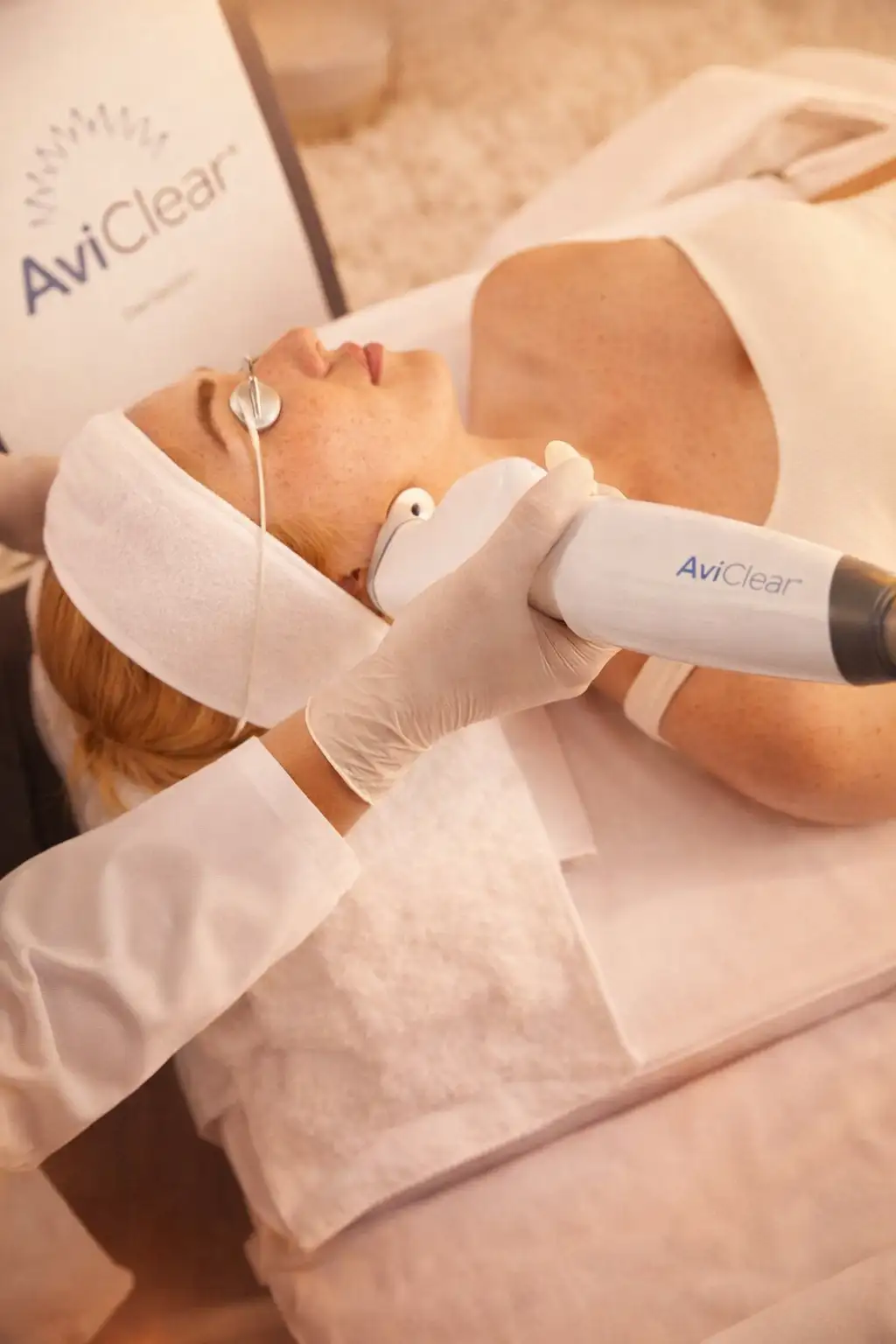
POLYPHIL (PHILART) (1x2ml) is a polynucleotide-based injectable skinbooster from Croma’s PhilArt/PolyPhil range, designed primarily for young skin and early signs of ageing. The injectable gel contains long-chain PN-HPT® polynucleotides at a concentration of 40 mg/2 ml, providing intense hydration, antioxidant protection and dermal biostimulation. It is indicated for improving skin quality on the neck, forehead, hands and other areas, and for the treatment of scars and acne scars. By creating an optimal environment for fibroblasts, it stimulates collagen and elastin production, improving skin tone, elasticity and overall radiance. The product is supplied as a sterile Class III medical device for intradermal injection in strict medical use by trained healthcare professionals.
Bnefits
Targets young skin with early signs of ageing, especially fine lines on neck, forehead and hands
Acts as a Skin Enhancement Technique (SET) and priming treatment, enhancing results of other aesthetic procedures (e.g., peels, lasers, RF, surgery, HA fillers)
High biocompatibility profile with low risk of adverse reactions when used according to instructions
Indications
Young skin with early signs of ageing
Fine lines on the forehead
Fine lines and loss of tone on the neck
Fine lines and quality loss on the hands
Improvement of overall skin hydration and quality in young or mildly photoaged skin
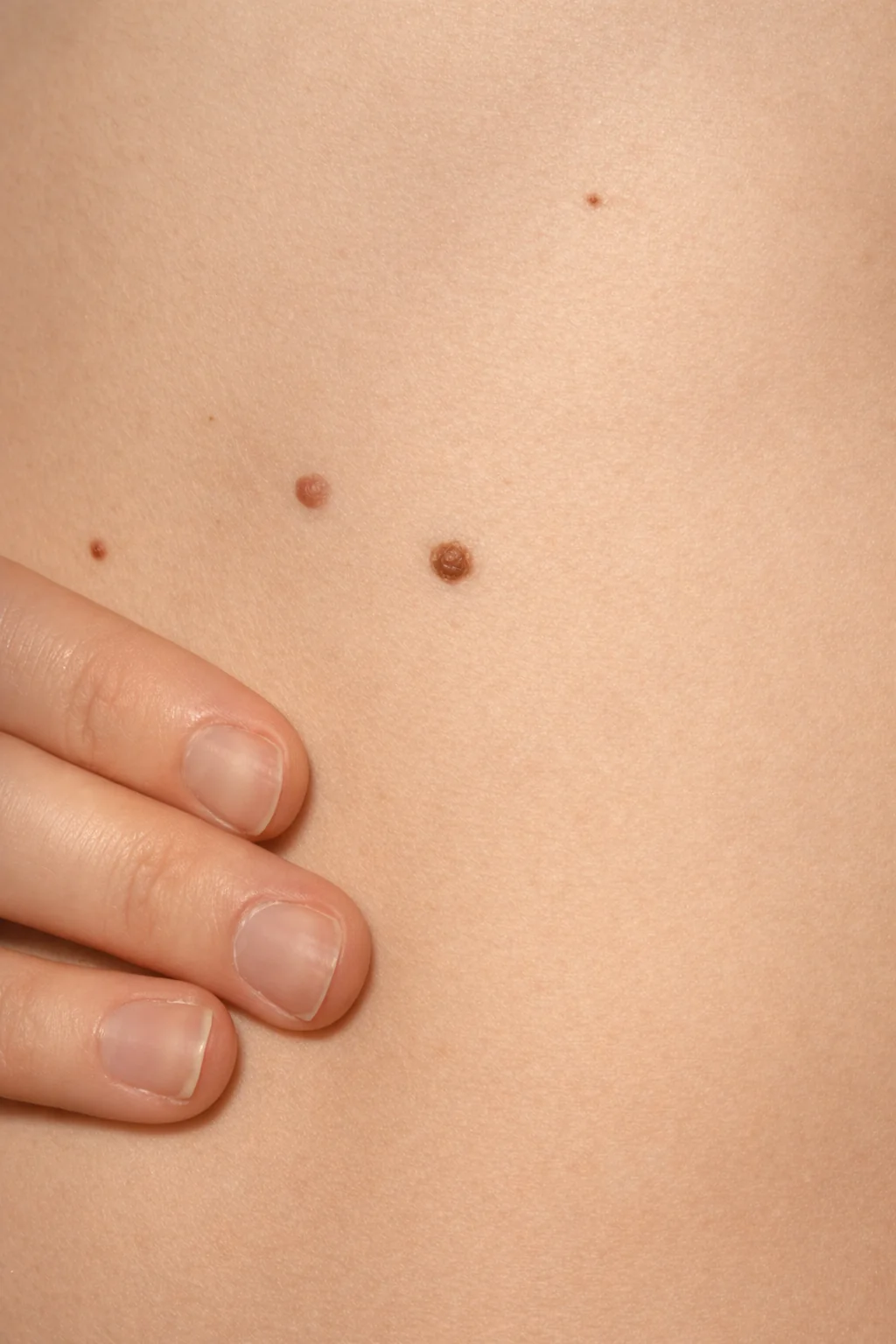
Correction and softening of scars, including acne scars
Skin priming before other aesthetic treatments (lasers, peels, RF, surgery, fillers, microneedling)
Use on other sensitive or visible areas such as décolleté and selected body areas, at the physician’s discretion
Composition
PN-HPT® long-chain polynucleotides 40 mg/2 ml (highly purified fish-derived DNA fragments)
Buffered injectable solution suitable for intradermal administration (full excipient list in official Instructions for Use)
No hyaluronic acid in this base PhilArt / PolyPhil formulation
Formulation
Sterile, clear injectable gel based on long-chain polynucleotides (PN-HPT®)
Concentration: 40 mg PN-HPT® per 2 ml pre-filled syringe
Non-crosslinked biostimulating formulation (not a volumising hyaluronic acid filler)
Single-use, pyrogen-free Class III medical device for intradermal injection
Obtained from highly purified European freshwater fish DNA, providing high biocompatibility
Packaging
Box containing 1 pre-filled syringe x 2 ml of POLYPHIL (PhilArt) gel
Includes 2 x 30G 1/2 needles, length 13 mm, sterile and single-use
Supplied in sterile blister with outer carton and product leaflet / technical fact sheet
Labelled as a professional-use Class III medical device for aesthetic indications
Tariff/customs classification commonly listed as HS code 30049000 (medicaments and similar products)
Usage
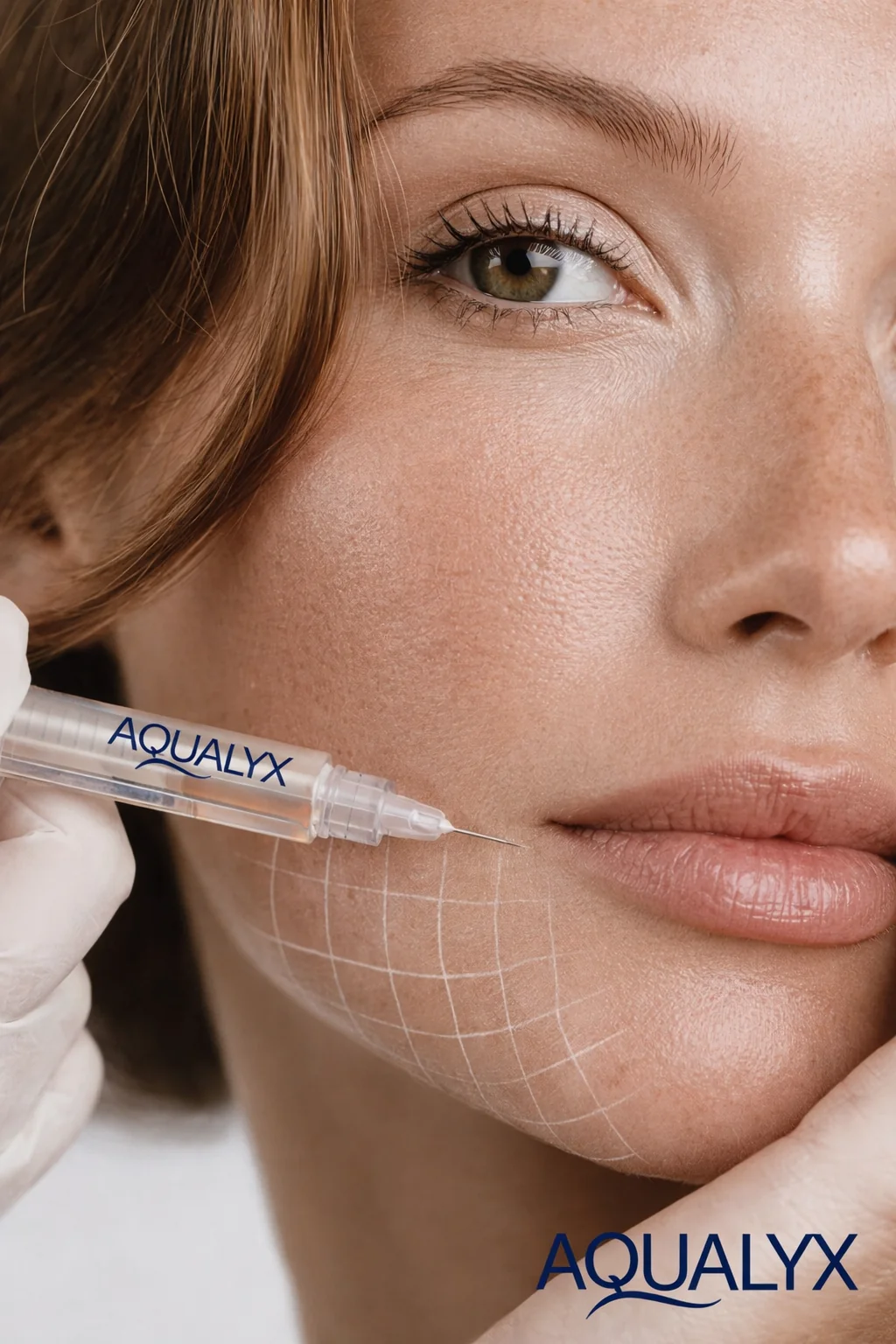
For intradermal use only and strictly for administration by appropriately trained and authorised healthcare professionals experienced in injectable aesthetic treatments.
Typical treatment areas include young skin of the face (especially forehead), neck, hands and areas with scars or acne scars; décolleté and other sensitive areas may also be treated according to clinical judgment.
Injection depth: intradermal (dermis).
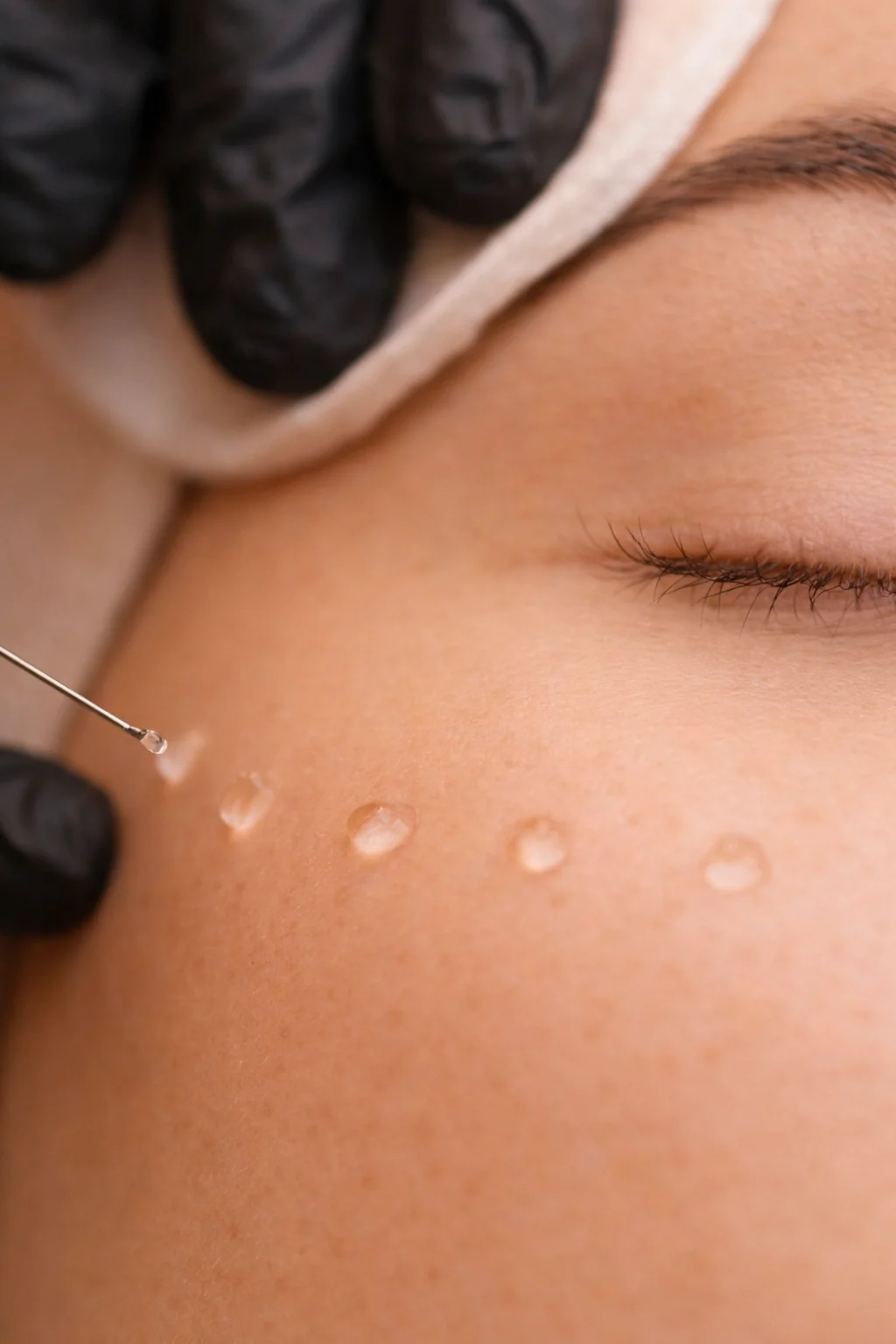
Recommended injection techniques: microdroplet (multipoint), linear retrograde threading, or fan technique using the supplied 30G 1/2 needles.
Product listings and technical materials specify that PhilArt / PolyPhil must be injected by a professional, in micro-droplets, linearly or in a fan pattern depending on the area and indication.
A commonly used regimen, based on PhilArt clinical materials and consensus data on PN-HPT® skinboosters, is an initial course of approximately 3–4 treatment sessions spaced about 2–3 weeks apart, using up to the full 2 ml syringe per session across the selected treatment areas.
Maintenance treatments can be performed according to individual response, often every 6–12 months, or as part of ongoing skin quality protocols.
PolyPhil / PhilArt can be used as a standalone biostimulating treatment or as a priming/adjunct therapy before or between procedures such as hyaluronic acid fillers, laser or light devices, radiofrequency, peels, microneedling and surgery, in line with the PhilArt injectable brochure.
Standard aseptic technique must be followed: check blister and syringe integrity, verify expiry date, and visually inspect the gel (no discoloration or particles) before use; discard any compromised pack.
Post-procedure, patients are typically advised to avoid makeup on treated areas for a short period, avoid extreme heat/cold (sauna, sunbed), and refrain from rubbing or massaging the treated skin for at least 24–48 hours, according to clinic protocol and IFU.
Contraindications
Known hypersensitivity or allergy to polynucleotides (PN-HPT®) or any excipient in the formulation
Active infection, inflammation, dermatitis, psoriasis or other skin disease in or near the intended injection sites
History of severe allergies, anaphylactic reactions or significant hypersensitivity to injectable implants or similar products, when the treating physician considers treatment unsafe
Autoimmune diseases, immunodeficiency or other systemic disorders where regenerative stimulation may be contraindicated, unless carefully assessed and cleared by a specialist
Pregnancy and breastfeeding (use generally not recommended due to lack of specific safety data)
Uncontrolled coagulation disorders or concurrent anticoagulant/antiplatelet therapy carrying an unacceptable risk of bleeding or significant bruising at injection sites
Severe systemic illness or poorly controlled chronic disease where elective aesthetic injectables are not appropriate based on medical judgment
Previous serious adverse reaction to polynucleotide-based injectables or to PhilArt/PolyPhil range products, where the clinician judges re-exposure to be unsafe
Adverse Effects
Common, usually mild and transient injection-site reactions: redness (erythema), swelling or oedema, tenderness, pain on palpation, itching and small bruises or ecchymoses
Temporary papules or small nodules at the intradermal injection points due to microdroplet placement, typically resolving on their own within a few days
Localized haematoma or increased sensitivity in treated areas, especially in thin skin regions like the neck or backs of the hands
As with all injectable medical devices, there is a risk of infection if aseptic technique is not strictly followed; warning signs include increasing redness, warmth, pain, pus or fever
Rare hypersensitivity or inflammatory reactions, including possible delayed inflammatory nodules or granuloma-like responses
Very rare but serious complications associated with dermal injections in general, such as inadvertent intravascular injection and vascular compromise, which may lead to tissue ischaemia; practitioners must be trained to recognise and manage complications promptly
Patients should be instructed to contact their practitioner if they experience persistent or worsening pain, significant or asymmetrical swelling, visual changes, signs of infection or any unexpected or severe symptoms after treatment
Storage Conditions
Store in a clean, dry place at a controlled temperature, typically between 2°C and 25°C, consistent with PhilArt/PolyPhil injectables and IFU guidance.
Keep the pre-filled syringe in its original blister and outer carton to maintain sterility and protect it from light until use.
Do not freeze and avoid exposure to excessive heat or direct sunlight.
Do not use the product after the expiry date printed on the packaging or if the packaging is damaged or has been previously opened.
Visually inspect the gel prior to injection and do not use it if it appears cloudy, discoloured or contains visible particles.
Keep out of reach of children and non-medical personnel.
Duration
In clinical practice and according to PhilArt promotional/educational materials for PN-HPT\u00ae injectables, an initial course usually consists of 3\u20134 intradermal sessions spaced approximately every 2\u20133 weeks, corresponding to a total treatment duration of about 6\u201310 weeks. Maintenance or booster sessions may then be scheduled at intervals of roughly 6\u201312 months, tailored to the patient\u2019s skin condition, age and response.
Onset
Early improvements in hydration and skin radiance are often visible within the first few weeks after starting treatment, with more pronounced changes in skin texture, fine lines and scar appearance emerging after completion of the full course of 3\u20134 sessions. Clinical data for PhilArt PN-HPT\u00ae injectables report progressive improvements in fine lines, skin tone and elasticity over several weeks, with continued benefit as collagen and elastin synthesis increase.