Plinest 2ml 20mg/ml (2.5%) PN-HPT is a Class III CE-marked injectable polynucleotide gel from Mastelli, designed for intradermal use on the face, neck and décolletage. It contains highly purified polynucleotides obtained via PN-HPT (Polynucleotides High Purification Technology), which stimulate fibroblast activity, collagen and elastin synthesis, and deep tissue hydration. The product is indicated for bio-regeneration and biorevitalisation of photo-aged, dehydrated or scarred skin, delivering progressive, natural-looking improvement in texture, elasticity and radiance. The specific pack variant requested is marketed by some wholesalers as “Plinest 2ml (Plenhyage XL Strong) 20mg/ml (2.5%) PN-HPT”, reflecting equivalent strength (2.5% / 20 mg/ml polynucleotides) to Plenhyage XL Strong while remaining a Mastelli Plinest-branded device.
Bnefits
Stimulates fibroblast activity to increase collagen and elastin production, improving firmness and elasticity.
Provides deep, long-lasting hydration and improves skin turgor for a plumper appearance.
Improves overall skin quality, texture and radiance with gradual, natural-looking results.
Helps reduce fine lines, early wrinkles and signs of photo-ageing on face, neck and décolletage.
Supports tissue repair and regeneration, improving the appearance of acne and atrophic scars.
Non-volumising biostimulator that works on skin structure rather than adding bulk filler.
Suitable for a wide range of skin types and age groups when used by trained medical professionals.
Can be combined with microneedling, laser, radiofrequency and dermal fillers to enhance outcomes.
Indications
Biorevitalisation and bio-regeneration of photo-aged, dehydrated or dull skin on face, neck and décolletage.
Early to moderate signs of facial ageing such as fine lines, loss of elasticity and reduced skin density.
Improvement of skin texture and tone irregularities, including mild acne scarring and post-inflammatory changes.
Supportive treatment to enhance recovery and results after aesthetic procedures (e.g. laser, RF, peels, microneedling).
Maintenance of skin quality in younger patients as a preventative anti-ageing strategy.
General improvement of skin radiance, hydration and resilience in patients with environmental or lifestyle-related skin stress.
Composition
Polynucleotides (PN-HPT®) 20 mg/ml (2.5%) – highly purified DNA fragments derived from fish (freshwater trout) using PN-HPT technology
Aqua (water)
Sodium chloride
Sodium phosphate
Disodium sulphate
Formulation
Sterile, viscoelastic, non-crosslinked polynucleotide gel for intradermal injection.
Concentration: 20 mg PN-HPT per 1 ml (40 mg polynucleotides per 2 ml pre-filled syringe), equivalent to 2.5% high-molecular-weight polynucleotides.
Single-use, preservative-free Class III medical device for professional medical use only.
Packaging
Box containing 1 x 2 ml pre-filled glass syringe of Plinest polynucleotide gel.
Includes 2 x 30G ½" disposable sterile needles.
Syringe supplied in sterile blister packaging with tamper-evident outer carton.
Instructions for use (IFU) and/or product information leaflet included.
Usage
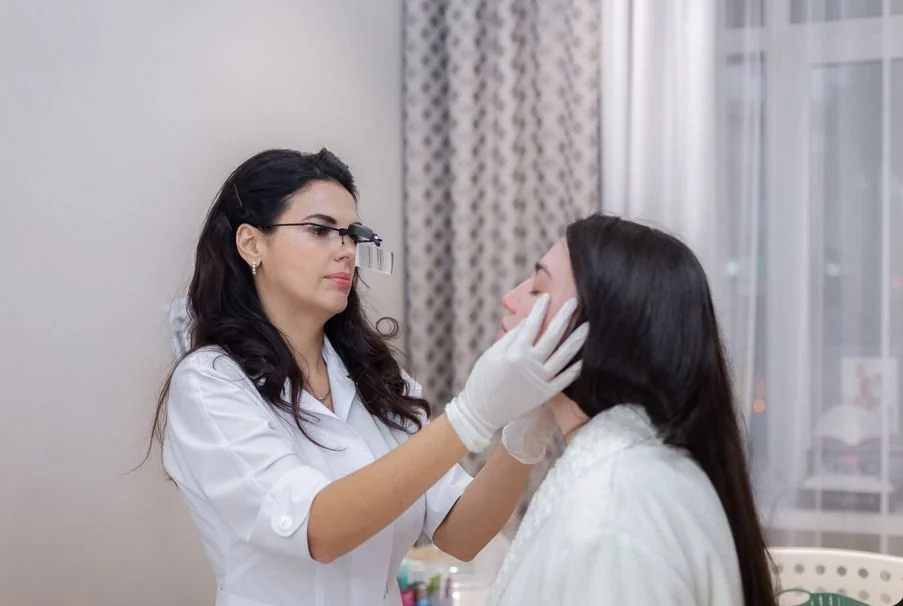
Plinest 2ml must only be administered by qualified, appropriately trained healthcare professionals experienced in intradermal injectable treatments.
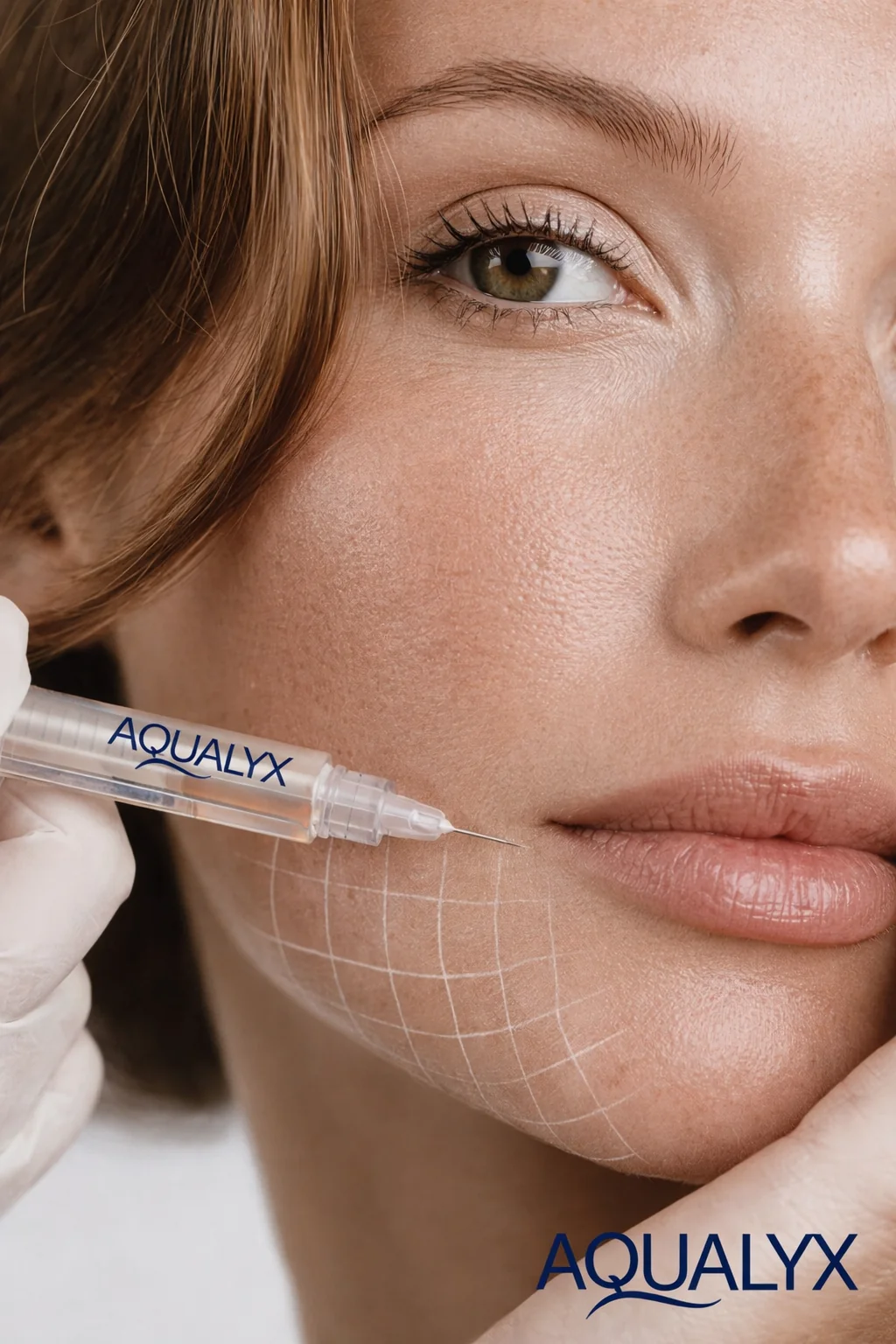
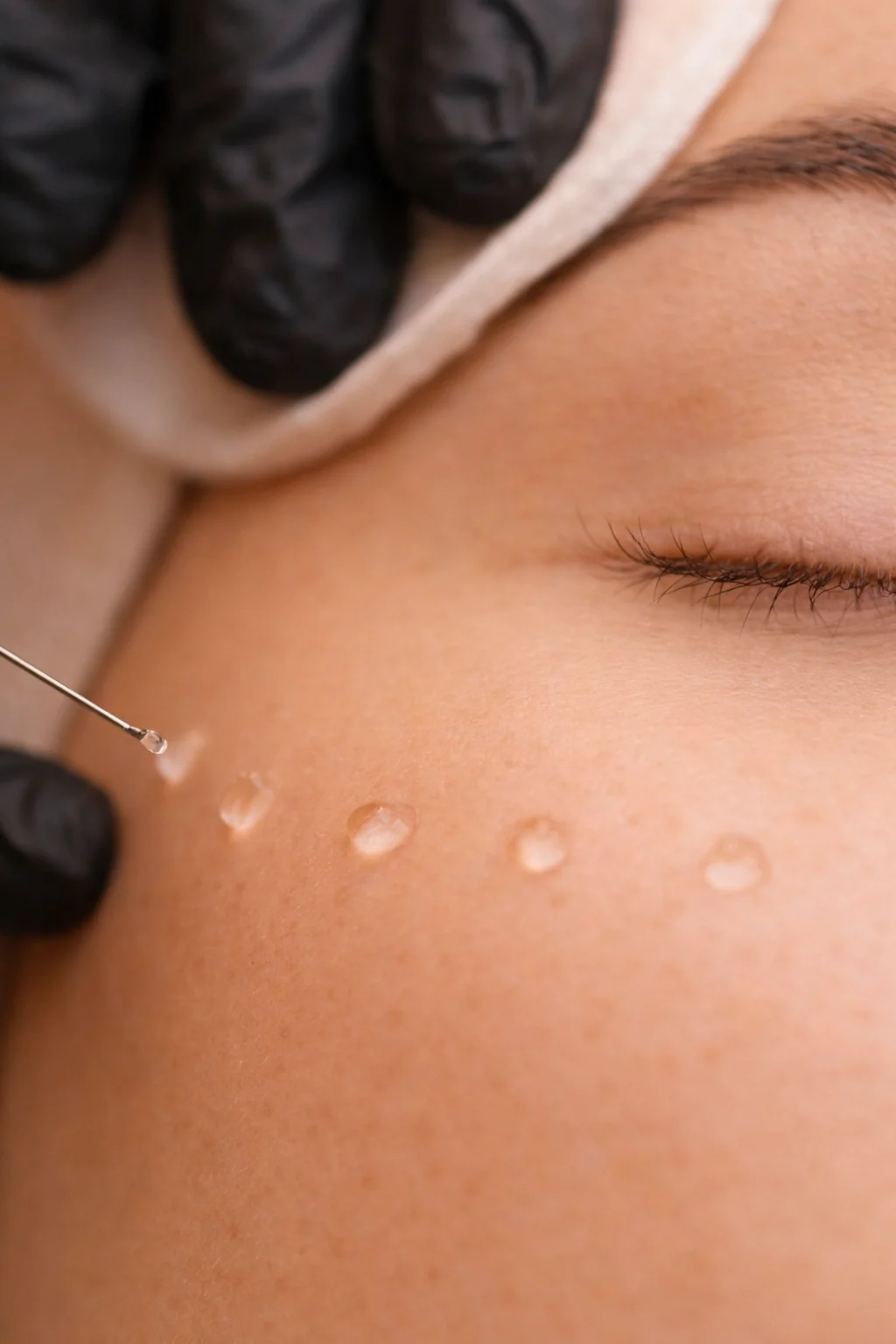
Injection technique: intradermal or superficial-to-mid dermal micro-injections using micro-droplet, papular or linear retrograde techniques, according to treatment area and physician preference.
Treatment areas: primarily face, neck and décolletage; some protocols also include hands and selected body areas at the clinician’s discretion.
Typical initial protocol (face/neck/decolletage): 3–4 sessions using 1 x 2 ml syringe per session, spaced approximately every 2–3 weeks.
Maintenance: repeat single sessions every 4–6 months (or as clinically indicated) to sustain results.
Do not inject into blood vessels, muscles or subcutaneous tissue; avoid intravascular injection and high-risk anatomical zones.
Do not mix Plinest in the same syringe with other medicinal products or medical devices.
Use aseptic technique: disinfect the skin thoroughly, use a new sterile needle for each session, and dispose of all sharps in approved containers.
Review manufacturer’s IFU and local clinical guidelines before use, and obtain informed consent explaining expected benefits, risks and post-treatment care.
Post-treatment care typically includes avoiding makeup, intense heat, saunas, sun exposure and vigorous exercise for at least 24 hours, and following any clinic-specific aftercare instructions.
Contraindications
Known hypersensitivity or allergy to polynucleotides, fish-derived DNA or any excipient in the formulation.
Presence of active skin infections, inflammation, dermatitis, herpes lesions or open wounds at or near the intended injection sites.
Systemic infection, febrile illness or significant acute disease at the time of treatment.
Autoimmune diseases, severe immune disorders or patients receiving immunosuppressive therapy, unless carefully evaluated and cleared by a physician.
History of severe allergic reactions or anaphylaxis to injectable biostimulatory products.
Pregnancy or breastfeeding (commonly listed as a precaution or contraindication in aesthetic practice guidelines).
Recent surgery, trauma or aggressive resurfacing in the intended treatment area without adequate healing and explicit medical clearance.
Any other condition for which intradermal injectable treatments are contraindicated according to the treating clinician’s judgement and local regulations.
Adverse Effects
Common, usually mild and transient injection-site reactions such as redness (erythema), swelling, tenderness, warmth or itching.
Small bruises or ecchymoses at injection points due to needle trauma.
Temporary lumps, papules or unevenness at the treated area that typically resolve as the product integrates and swelling subsides.
Occasional discomfort or pain during and shortly after injection, usually manageable with topical anaesthetic and proper technique.
Less common but possible events include local infection, prolonged oedema, induration, inflammatory nodules or hypersensitivity reactions.
Very rare but serious complications (e.g. vascular compromise, tissue necrosis, visual disturbance) may occur if injected intravascularly or into high-risk anatomical zones; adherence to safe injection guidelines is essential.
Any unexpected, persistent or severe reactions should be evaluated promptly and managed according to standard medical practice and the manufacturer’s IFU.
Storage Conditions
Store between 2°C and 25°C in a cool, dry place.
Do not freeze.
Protect from direct sunlight and excessive heat.
Keep in the original packaging until use to maintain sterility and protect from light.
Do not use after the expiry date indicated on the packaging.
Keep out of sight and reach of children.
Duration
Clinical and commercial sources report that results from a standard course of Plinest 2ml typically last around 6\u201312 months, depending on skin condition, age, lifestyle and maintenance treatments.
Onset
Patients often notice improved hydration and luminosity within a few days after injection, with progressive improvements in firmness, elasticity and texture developing over several weeks as collagen and elastin synthesis increases.