Becoming an aesthetic nurse practitioner in the UK requires a clear pathway: you must be a registered nurse with the NMC, gain foundational clinical experience, and complete specialized, accredited training in aesthetic procedures. For full autonomy, achieving a Level 7 qualification in injectables and a V300 prescribing license is the industry standard. While the journey from a traditional nursing role is exciting, it demands careful planning and a deep understanding of industry regulations. This guide provides a comprehensive roadmap on how to become an aesthetic nurse practitioner in UK, covering everything from these essential qualifications to building a successful business.
The Foundation: Your Nursing Career Before Aesthetics
Before you can even think about aesthetics, your core nursing credentials must be solid. This is the bedrock of your future career, ensuring you have the clinical judgment and skills to practice safely and effectively.
Maintain Your NMC Registration
Your registration with the Nursing and Midwifery Council (NMC) is your non negotiable license to practice. To work in aesthetics, you must be a registered nurse with an active PIN. Maintaining this involves a process called revalidation every three years. To revalidate, you must complete specific requirements, including at least 450 practice hours and 35 hours of Continuing Professional Development (CPD) within that three year cycle. For aesthetic nurses, your specialized training and practice count towards these hours. Letting your NMC registration lapse means you can no longer legally practice nursing in any capacity.
Gain General Nursing Experience
While it can be tempting to jump straight into aesthetics, gaining broad clinical experience first is highly recommended. Many experts suggest getting at least two or three years of general nursing experience in a hospital or medical centre before specializing. This period is invaluable for honing fundamental skills like patient assessment, communication, and performing injections, all of which are directly transferable to aesthetics. This background helps you feel more comfortable performing different procedures and working with patients.
Essential Aesthetics Training and Qualifications
Once you have a solid nursing foundation, the next step is specialized training. The UK aesthetics industry has moved towards robust, formal education to ensure patient safety.
Select Accredited Aesthetics Training
Choosing the right training provider is critical. The field has many providers, but not all offer recognized qualifications. The Joint Council for Cosmetic Practitioners (JCCP) warns against sub standard courses with questionable accreditation. Look for programs aligned with official frameworks from bodies like Health Education England or Ofqual. These accredited courses ensure your education is reputable and will be recognized by professional registers and insurers.
Start with Foundation Training in Botulinum Toxin and Dermal Fillers
Your journey into injectables will almost certainly begin with a foundation training course. These are introductory programs, often lasting one or two days, that cover the basics of administering botulinum toxin and dermal fillers. A foundation course will teach you core concepts like facial anatomy, safe injection techniques, and product knowledge, providing the certificate you need to get insured and start practicing under supervision.
Aim for the Gold Standard: Level 7 Qualification
While foundation courses are a great start, the industry benchmark for excellence is now a Level 7 qualification in cosmetic injectables. This postgraduate, master’s degree level qualification provides in depth theoretical and practical training. Since around 2018, new guidelines have recommended a Level 7 qualification as the highest standard, making one day courses insufficient on their own. These comprehensive programs, which can cost between £3,000 and £10,000, involve extensive supervised practice and rigorous assessment, equipping you to practice safely and independently.
Become a V300 Nurse Prescriber
For true autonomy in your practice, the V300 Independent and Supplementary Prescribing qualification is essential. As a V300 Nurse Prescriber, you can legally prescribe prescription only medicines like Botulinum Toxin yourself, without needing a doctor. This streamlines patient care, as you can consult, prescribe, and treat the patient in a single journey. It also allows you to manage complications effectively by prescribing necessary medications like antibiotics or dissolving agents directly. The qualification is transformative for aesthetic nurses seeking to run their own clinics.
Navigating the Rules and Regulations
Aesthetic medicine is a heavily regulated field focused on patient safety. Knowing and adhering to the rules is a fundamental part of being a professional practitioner—start by reviewing the CQC fundamental standards.
Comply with JCCP and CPSA Standards
The Joint Council for Cosmetic Practitioners (JCCP) and the Cosmetic Practice Standards Authority (CPSA) are key organizations that set the standards for practice in the UK. The JCCP maintains a voluntary register of practitioners who meet high standards for training, safety, and ethics. Adhering to the evidence based standards set by the JCCP and CPSA demonstrates your commitment to best practices and patient safety. If you’re preparing your premises, use this CQC inspection checklist for aesthetic clinics to benchmark readiness.
Prescribing Requirement: In-Person Consultation (from June 1, 2025)
A significant regulatory update took effect in mid 2025. All prescriptions for cosmetic treatments like Botulinum Toxin now require a face to face consultation between the patient and the prescriber. Remote prescribing via video or phone call is no longer permitted for these procedures. This rule was implemented by the NMC and other bodies to ensure every patient undergoes a proper medical assessment before treatment.
Collaborate with a Prescriber if Non Prescribing
If you do not hold a V300 qualification, you are a non prescribing practitioner. This means you must collaborate with a qualified prescriber (like a doctor, dentist, or V300 nurse) to treat patients with prescription medicines. This collaboration involves the prescriber conducting the mandatory face to face consultation, assessing the patient, and then writing the prescription for you to administer the treatment.
Secure Medical Indemnity Insurance
Having appropriate medical indemnity insurance is a legal requirement for all practicing nurses in the UK. This insurance protects you and your patients in the event of a complication or claim of negligence. You cannot practice without it, and the NMC requires you to declare that you have cover in place to maintain your registration.
Observe Advertising Rules for Botox (ASA)
You cannot advertise prescription only medicines like Botox directly to the public in the UK. The Advertising Standards Authority (ASA) strictly enforces this rule. In your marketing materials, you must use generic terms such as “anti wrinkle injections” or “wrinkle relaxing treatments” instead of brand names. This is a crucial regulation to understand when building your online presence.
Establish Complication Management and Emergency Protocol
Even with perfect technique, complications can happen. A core part of safe practice is having a clear complication management and emergency protocol. This means being trained to recognize adverse events like vascular occlusions or allergic reactions and having the necessary equipment and emergency drugs (like hyaluronidase to dissolve filler) on hand. A robust protocol is essential for patient safety and is a requirement for insurance and professional registration. Documenting policies, incident logs, and audits is easier with CQC compliance software for aesthetic clinics.
Building Your Aesthetics Career Path
With the right qualifications and a firm grasp of the regulations, it’s time to decide how you want to build your career. This is a key step in learning how to become an aesthetic nurse practitioner in UK.
Choose a Clinic Employment or Self Employment Pathway
You generally have two main career paths: working for an established clinic or starting your own business. If you plan to open a clinic, make sure you understand when you must register with the CQC.
- Clinic Employment: Joining a clinic is a great way to start. You gain experience under mentorship with a steady stream of patients, and the clinic handles the business logistics like insurance and marketing.
- Self Employment: This path offers greater autonomy and earning potential but comes with more responsibility. You will be in charge of everything from marketing to sourcing supplies and selecting your clinic operations software. Many practitioners work in a clinic first to build confidence before going independent.
Develop a Business Plan
If you choose self employment, a solid business plan is your roadmap to success. The non surgical sector is a massive part of the cosmetic market, and a plan helps you define how you’ll tap into it. Your plan should outline your mission, services, financial projections, and marketing strategy. Include your clinical systems (records, consent, photos, reporting)—this practice management and EHR guide walks you through the options.
Conduct Market Research and Niche Selection
The aesthetics field is competitive; a 2023 analysis identified 3,667 practitioners performing injectable treatments in the UK. To stand out, you need to understand the local market and identify a niche. Will you specialize in natural looking enhancements, treatments for mature skin, or a specific advanced procedure? Your niche will guide your branding and marketing.
Growing Your Practice and Professional Standing
Becoming a great aesthetic nurse practitioner is an ongoing process of learning and growth. Focusing on these areas will help you build a reputable and thriving practice.
Build an Online Presence and Patient Marketing
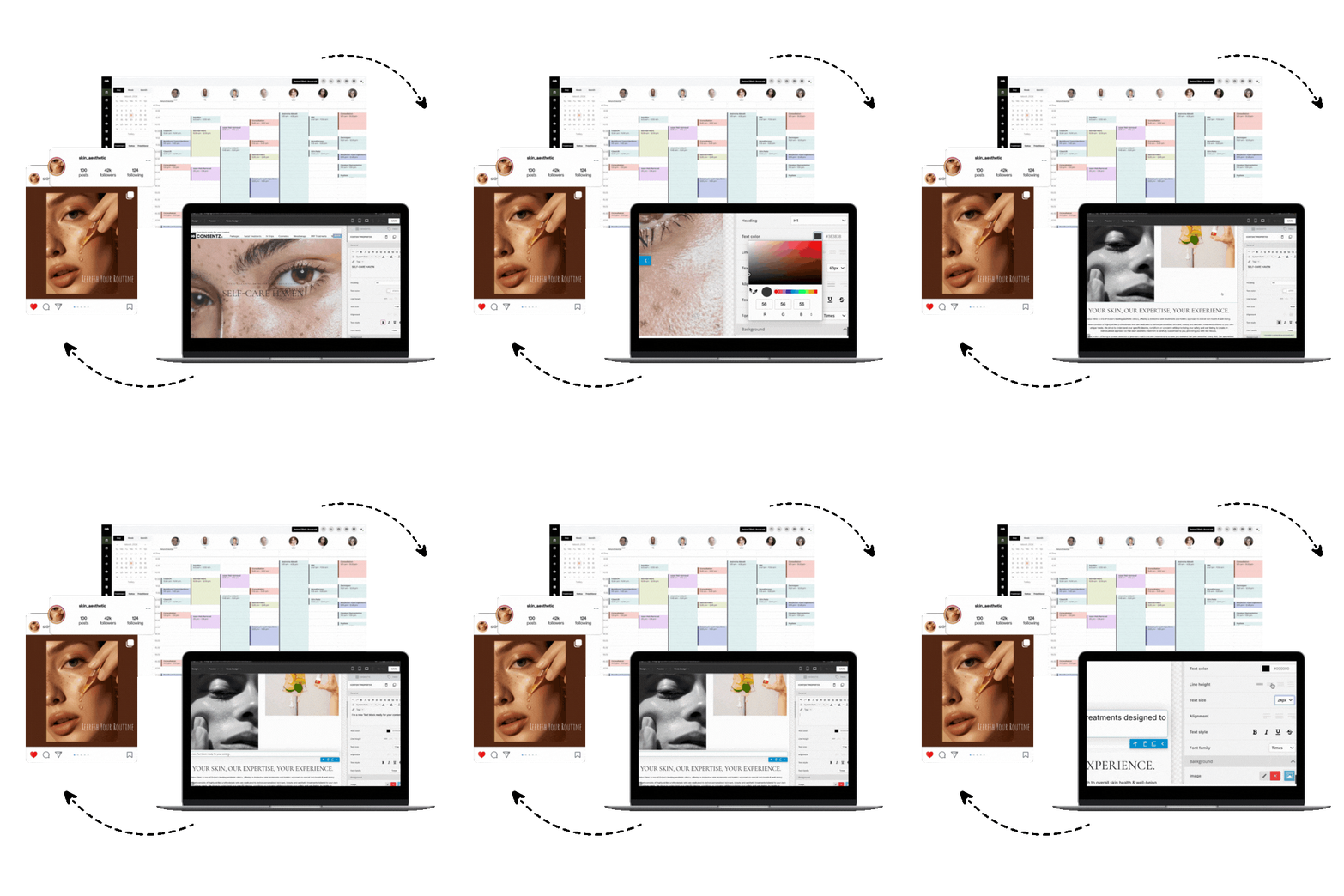
In the digital age, a strong online presence is essential. This includes a professional website, active social media profiles (especially on visual platforms like Instagram), and positive online reviews. Your online presence is often the first impression a potential patient has of you. However, remember to always follow the ASA’s advertising rules. For inspiration, try these medical spa marketing ideas to boost bookings. Efficiently managing your digital marketing and patient communications is crucial, and using a dedicated platform like Consentz can help streamline everything from online bookings to patient follow ups.
Focus on Patient Experience and Follow Up
Excellent clinical results are only part of the equation. The overall patient experience, from the initial consultation to post treatment follow up, is what builds loyalty. A two week follow up appointment after treatment is standard practice to assess results and ensure patient satisfaction. Great service turns new clients into repeat customers. A modern clinic management system is a great way to ensure no patient follow up is missed; explore clinic appointment management systems to choose the right setup, and you can learn more about how Consentz helps clinics deliver exceptional patient care.
Seek Mentorship and Professional Networks (BAMAN & BACN)
You don’t have to go it alone. Seek out a mentor, an experienced practitioner who can offer guidance and support. Joining a professional network is also incredibly valuable. The British Association of Medical Aesthetic Nurses (BAMAN), formerly BACN, is the largest association for aesthetic nurses in the UK, with over 1,200 members. These networks offer CPD opportunities, support, and a collective voice for the profession.
Pursue Ongoing CPD and Skill Development
Your foundation training is just the beginning. The aesthetics industry is constantly evolving with new products, techniques, and safety protocols. Committing to lifelong learning through Continuing Professional Development (CPD) is essential to keep your skills sharp and deliver the best possible care. This ongoing education is also a requirement for your NMC revalidation.
The Rewarding Path Ahead
The journey of how to become an aesthetic nurse practitioner in UK is one of dedication, continuous learning, and a passion for patient care. By building a strong nursing foundation, pursuing accredited training, understanding the regulations, and focusing on professional growth, you can build a successful and fulfilling career in this exciting field.
Frequently Asked Questions about How to Become an Aesthetic Nurse Practitioner in UK
1. How long does it take to become an aesthetic nurse practitioner in the UK?
It varies, but a typical path involves 2 to 3 years of general nursing experience after qualifying, followed by foundation and advanced training. Completing a Level 7 qualification can take another 1 to 3 years part time. So, expect a journey of at least 3 to 5 years from becoming a nurse to being a highly qualified aesthetic practitioner.
2. Can I go straight into aesthetics after qualifying as a nurse?
While technically possible, it is strongly discouraged. Gaining a few years of general nursing experience is crucial for developing the core clinical skills and judgment necessary for safe and effective aesthetic practice.
3. What is the most important qualification I need?
While a foundation course gets you started, a Level 7 qualification in cosmetic injectables is now considered the industry gold standard for competence and safety. For full independence, the V300 Nurse Prescriber qualification is the most important credential to obtain.
4. Do I need to be a prescriber to work in aesthetics?
No, you can start your career as a non prescribing nurse by collaborating with a qualified prescriber who will conduct the initial consultation and write the prescriptions for you. However, becoming a prescriber offers much greater autonomy.
5. How important is a business management system for a new clinic?
It is incredibly important. Success in aesthetics isn’t just about great treatments; effective behind the scenes management is the backbone of any practice. Tools designed for aesthetic clinics, such as those offered by Consentz, help you manage appointments, patient records, marketing, and follow ups seamlessly from day one.
6. Is it better to be employed by a clinic or be self employed?
This depends on your goals and experience. Employment offers security and mentorship, making it a great starting point. Self employment provides more freedom and higher earning potential but requires strong business acumen. Many nurses start in a clinic before launching their own practice.