Clinic operations software is a unified platform designed to manage and automate the administrative, clinical, and financial tasks of a healthcare practice. Clinics are moving away from scattered paper files, separate booking diaries, and clunky spreadsheets towards integrated systems that save time, reduce errors, and improve patient care. For a modern practice, especially in specialized fields like medical aesthetics, this software acts as the central nervous system, connecting every aspect of the business from the front desk to the treatment room.
The State of Clinic Operations: Pressures Shaping Adoption
Today’s clinics face immense pressure. Patient expectations are higher than ever, demanding seamless digital experiences for booking, communication, and payments. Medico legal exposure is a constant concern, requiring perfect documentation, from consent forms to treatment notes. At the same time, operational inefficiencies like missed appointments, poor inventory tracking, and inconsistent lead follow up directly impact the bottom line. These challenges are pushing practices to adopt dedicated clinic operations software to streamline workflows and protect their business. For a deeper dive into building tamper proof records, see why your clinic’s records must be bulletproof.
Core Capabilities to Look For
When evaluating clinic operations software, focus on core features that address your biggest pain points. A comprehensive platform should feel like it was built specifically for your specialty.
Scheduling and Calendar Management
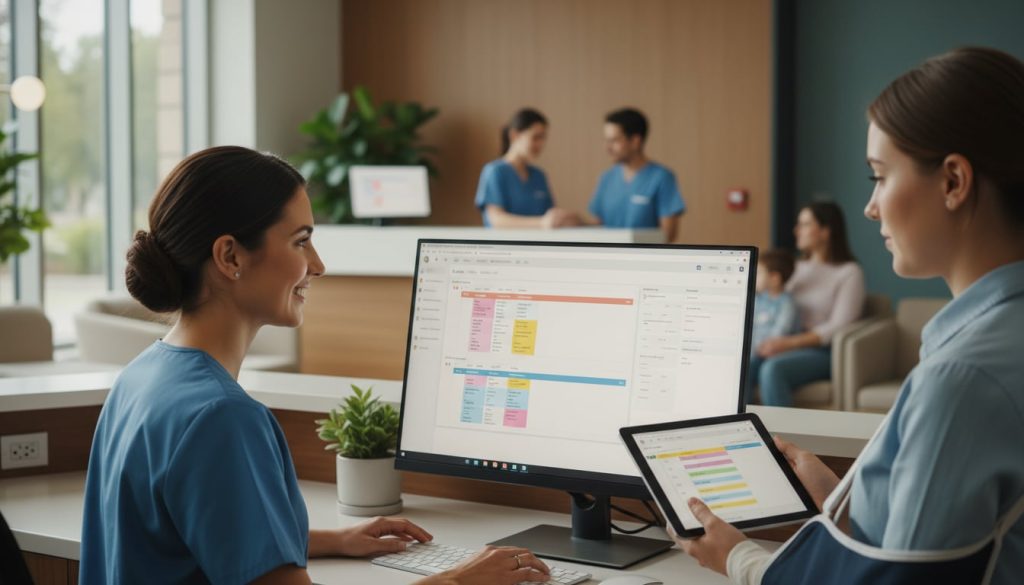
Look for a dynamic calendar that can handle multiple clinicians, rooms, and equipment. Key features include automated SMS and email reminders to reduce no shows, a patient waitlist to fill last minute cancellations, and simple drag and drop functionality for rescheduling. Use this clinic appointment management systems checklist to evaluate options.
Patient Records and Documentation
This is the heart of any clinical system. Your software must provide robust, secure electronic medical records (EMR). For aesthetics practices, this means advanced clinical photography tools with features like ghosting to perfectly align before and after shots. Other vital capabilities include shareable treatment plans, preset note templates, and a secure audit trail. Some systems, like Consentz, even have a safeguard that prevents records from being deleted once archived, protecting against tampering claims.
Consent, Billing, and Inventory
Digital consent management is critical for compliance. The software should offer a library of editable consent forms with digital signature capture. The billing system should be flexible, supporting point of sale transactions, prepayment for treatment courses, and product sales. For practices using controlled items, such as botulinum toxin, the inventory module must offer batch traceability and usage tracking. Tie consents, photos, and transactions back to a single electronic patient record to keep every encounter auditable.
Marketing, Lead Nurturing, and CRM
The right clinic operations software also functions as a growth engine. Modern platforms move beyond basic appointment reminders and offer a full suite of marketing tools. Look for built in customer relationship management (CRM) features that help you manage the entire patient lifecycle.
Key capabilities include a visual lead management pipeline, often a Kanban board, to track prospects from initial inquiry to their first appointment. This should be supported by powerful automation for lead nurturing. You can create automated email and SMS drip campaigns to engage new leads, educate them about your services, and guide them toward booking a consultation. This consistent follow up prevents potential patients from falling through the cracks. Advanced systems may even offer integrations for tracking the return on investment from digital advertising campaigns, such as those on Facebook or Google. The ability to automatically request patient reviews after a visit is another powerful feature for building your online reputation and attracting new clients. Solo injectors can also review our spa software for solo practitioners recommendations.
Integration Ecosystem and Interoperability
No software exists in a vacuum. A modern clinic operations software must connect with other essential tools to create a seamless workflow. Crucial integrations include payment processors like Stripe for smooth transactions, accounting software like Xero to simplify bookkeeping, and communication platforms like Twilio for reliable messaging. This interoperability prevents you from being locked into a single vendor for every function and allows you to use best in class tools across your business.
Security, Privacy, and Compliance Essentials
For any medical practice, security is non negotiable. Your clinic operations software handles sensitive patient health information, so it must meet stringent compliance standards like HIPAA in the US and GDPR in the UK. When evaluating platforms, ask about their security posture. Top tier providers use enterprise grade hosting like Amazon Web Services (AWS) and employ encryption for data at rest (AES 256) and in transit (SSL). Certifications like ISO 27001:2013 demonstrate a provider’s formal commitment to information security management. Not sure about the terminology? See our EHR vs EMR vs PHR guide.
Deployment Models and Architecture
The vast majority of modern clinic operations software is delivered via a SaaS (Software as a Service) model. This means you pay a recurring subscription fee and access the software through the internet, with no need to install or maintain servers on site. The provider handles all updates, security, and maintenance. A common and highly effective architecture combines a web based control center for management and analytics with a dedicated tablet app (like an iPad app) for chairside use with patients. This provides administrative power at the front desk and clinical mobility in the treatment room.
Costs, Pricing Models, and ROI
SaaS pricing is typically a monthly or annual subscription, often based on the number of practitioners or locations. While some platforms may not publish their prices publicly, many start around a base monthly fee with optional add on modules. Be sure to inquire about a free trial to test the software before committing.
Calculating the return on investment (ROI) involves looking beyond the subscription cost. Consider the financial impact of:
Reduced no shows from automated reminders.
Time saved on administrative tasks (less paperwork).
Increased patient retention through better communication and follow up.
Tighter stock control, preventing loss and optimizing ordering.
Selection Checklist and Buy or No Buy Criteria
Use this checklist to guide your decision:
Specialty Specific: Was the software designed for your field (e.g., medical aesthetics, dermatology)?
Core Feature Set: Does it have all the key capabilities your clinic needs, from scheduling to marketing?
Ease of Use: Is the interface intuitive for both clinicians and administrative staff?
Security and Compliance: Does the vendor meet HIPAA or GDPR requirements and have a strong security foundation?
Integrations: Can it connect with your existing payment, accounting, or other essential tools?
Support and Training: What level of support is offered during and after implementation?
Scalability: Can the software grow with your practice as you add more staff or locations?
Implementation and Change Management
Choosing a great clinic operations software is only half the battle; successful implementation is key. A good vendor will assist with data migration from your old system. Plan for dedicated staff training sessions to ensure everyone is comfortable with the new workflows. Effective change management involves communicating the benefits to your team, setting clear expectations, and providing ongoing support to ensure smooth adoption.
Top 5 Clinic Operations Software Tools
To effectively manage a modern clinic, it is essential to have a comprehensive suite of software tools that work together seamlessly. This section explores the six critical components of clinic operations software, covering the entire patient journey from initial contact and scheduling to ongoing engagement and secure data management. Understanding these key features will help you identify the right solutions to streamline your workflows, improve patient care, and ensure the efficient operation of your practice.
1. Consentz
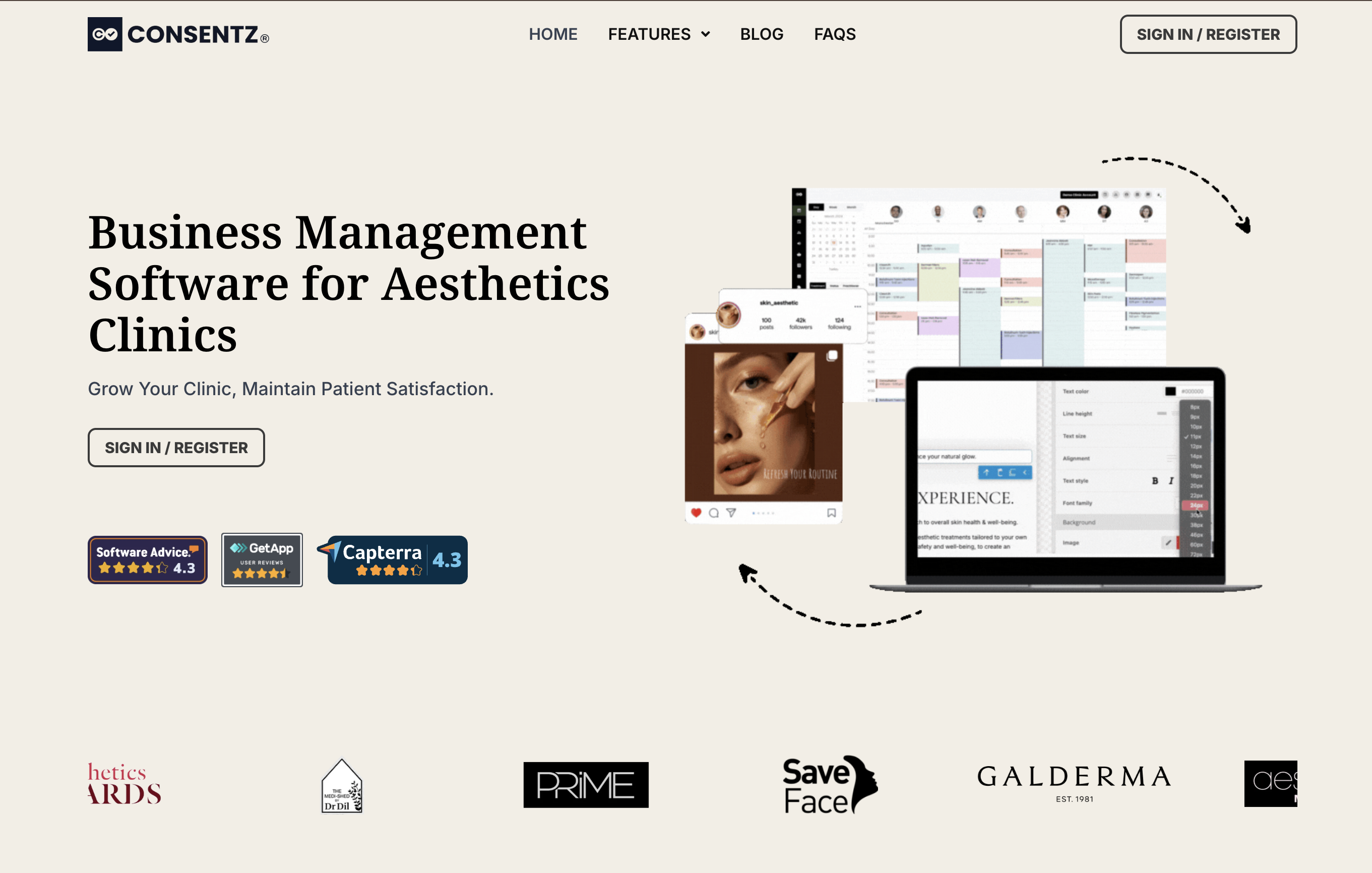
Consentz is an all in one clinic management platform for medical aesthetics practices, from solo practitioners to multi location clinics. It centralizes operations by replacing disparate tools for scheduling, patient records, billing, and marketing, streamlining the entire patient journey from booking to post treatment follow up. If you’re buying in the U.S., start with our aesthetic clinic software in USA guide.
Key capabilities for aesthetics ops:
Multi clinician and resource (room/equipment) scheduling with a waitlist feature
Automated two way SMS/email reminders and marketing campaigns
Clinical records with a consent library, photo ghosting/markup, and time stamped images
Integrated POS for treatments and products, with prepaid course management
Inventory management with automated stock updates and low stock alerts
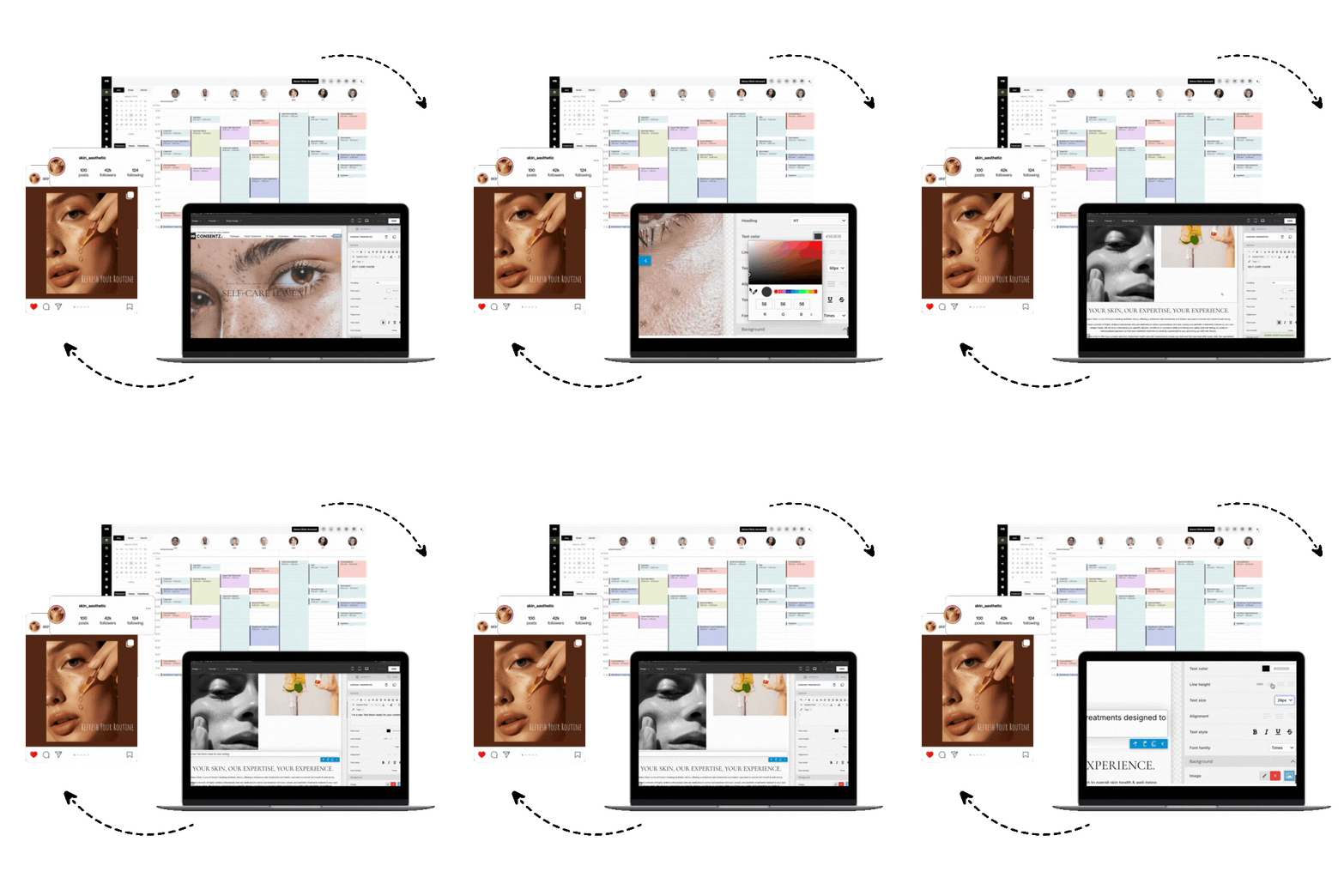
Built in marketing/CRM with a drag and drop email builder and lead pipeline
Real time dashboards, KPI tracking, and full functionality on a native iPad app
Operational impact & KPIs:
Managers can track key metrics to improve efficiency and profitability, including reduced no show rates through automated reminders and waitlist fills. Monitor time to invoice, accounts receivable aging, patient retention, average revenue per visit, inventory stock outs, and prepaid treatment liabilities directly within the platform.
Integrations, security & rollout notes:
The platform includes native payment, SMS, and email integrations. It features role based access controls and is built on AWS with ISO 27001 accreditation; confirm HIPAA BAA availability. For rollout, prioritize migrating patient data, templates, and consent forms before going live.
2. Asethic Record
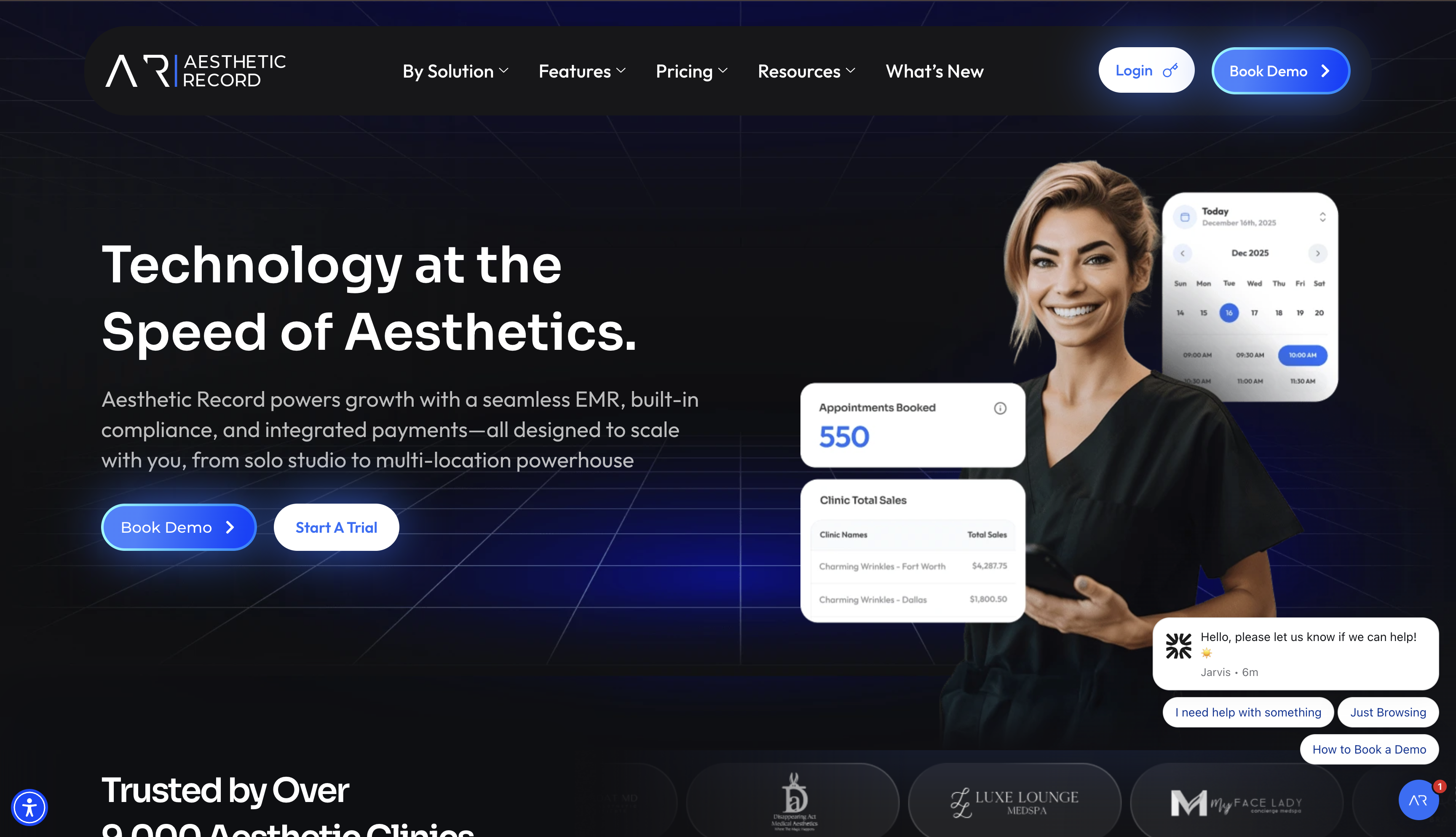
Asethic Record is a front desk platform that digitizes patient intake, online booking, and resource scheduling, ideal for high throughput aesthetics clinics from solo to multi site. It solves operational chaos by reducing phone tag and resource conflicts, capturing deposits and consents before arrival, and streamlining the patient journey from lead to checkout.
Key capabilities for aesthetics ops:
Rule based online scheduling, smart waitlists, and multi provider appointment templates.
Automated two way SMS/email for reminders, confirmations, and pre/post care instructions.
Digital intake and consent forms with e signatures and secure photo capture/comparison tools.
Integrated POS for packages and memberships, with inventory management featuring lot/expiry tracking.
CRM and marketing automations for lead nurturing, patient reactivation, and online review requests.
Real time dashboards for tracking utilization, revenue, and conversion rates across multiple locations.
Full support for mobile/iPad use by both clinicians and front desk staff.
Operational impact & KPIs:
Track key metrics like reduced no show rates (target <5%), shorter check in times (<5 mins), and higher rebooking rates (>60%). Monitor revenue per visit, patient retention, and inventory KPIs like near zero stock outs. Effectively manage prepaid liabilities and accounts receivable for healthier cash flow.
Integrations, security & rollout notes:
Expect integrations with payment processors, accounting software, and EHRs. Ensure the system offers role based access and is HIPAA/GDPR compliant. For rollout, standardize and migrate your service catalog and patient data first.
3. Patient Now
Patient Now is a revenue cycle platform for capturing charges, generating invoices, and managing insurance claims. It suits cash pay medspas and mixed aesthetic/insurance practices from solo to multi site, solving revenue leakage by seamlessly reconciling complex invoices that combine procedures, retail products, memberships, and prepaids.
Key capabilities for aesthetics ops:
Scheduling with booking deposits and automated no show/cancellation fee rules.
Automated text reminders with pre payment links and text to pay for balances.
Clinical templates that drive charge capture and link photos/consents to encounters.
Unified POS for services, retail, and memberships with inventory lot/batch tracking.
Insurance claims suite with eligibility checks, auto posting, and denial workflows.
Marketing automations triggered by invoice events, like toxin due date reminders.
Dashboards for provider compensation, revenue per visit, and retail sell through.
Mobile iPad support for in room checkout and multi location price book control.
Operational impact & KPIs:
Reduces charge capture lag to under 24 hours and insurance A/R to <35 days.
Improves first pass claim acceptance to ≥95% and upfront patient collections to >90%.
Increases revenue per visit and patient retention through automated follow ups.
Minimizes stock outs and inventory write offs with accurate tracking.
Integrations, security & rollout notes:
Integrates with EHR, payment gateways, and accounting software like QuickBooks. Expect HIPAA compliance with role based access. For rollout, map every service to a charge code and freeze your price book pre launch.
4. Corral Data
Corral Data is a business intelligence layer that unifies operational, financial, and marketing data into role based dashboards for aesthetics clinics of any size. It solves the critical problem of fragmented data, providing clear visibility into scheduling efficiency, provider utilization, and marketing ROI to guide strategic decisions.
Key capabilities for aesthetics ops:
Analyze scheduling heatmaps and waitlist conversion rates to optimize booking.
Track patient communication effectiveness and correlate reminders with no show reductions.
Audit clinical records for photo and consent completion compliance.
Manage billing, prepaid liabilities, and inventory with lot/expiry tracking.
Attribute marketing campaign spend directly to realized treatment revenue.
Utilize pre built, role based dashboards for daily huddles and performance reviews.
Access mobile views and benchmark performance across multiple clinic locations.
Operational impact & KPIs:
Reduce no show rates and optimize schedules via provider and room utilization reports.
Increase consult to treatment conversion and patient retention with cohort analysis.
Improve revenue per visit and track prepaid liabilities accurately.
Minimize inventory wastage with automated lot tracking and par level alerts.
Integrations, security & rollout notes:
Integrates with EHR/PMS, payments, and accounting systems. Ensures HIPAA/GDPR compliance with role based access. For rollout, standardize metric definitions and service names before migrating data to ensure dashboard accuracy from day one.
5. Zenoti
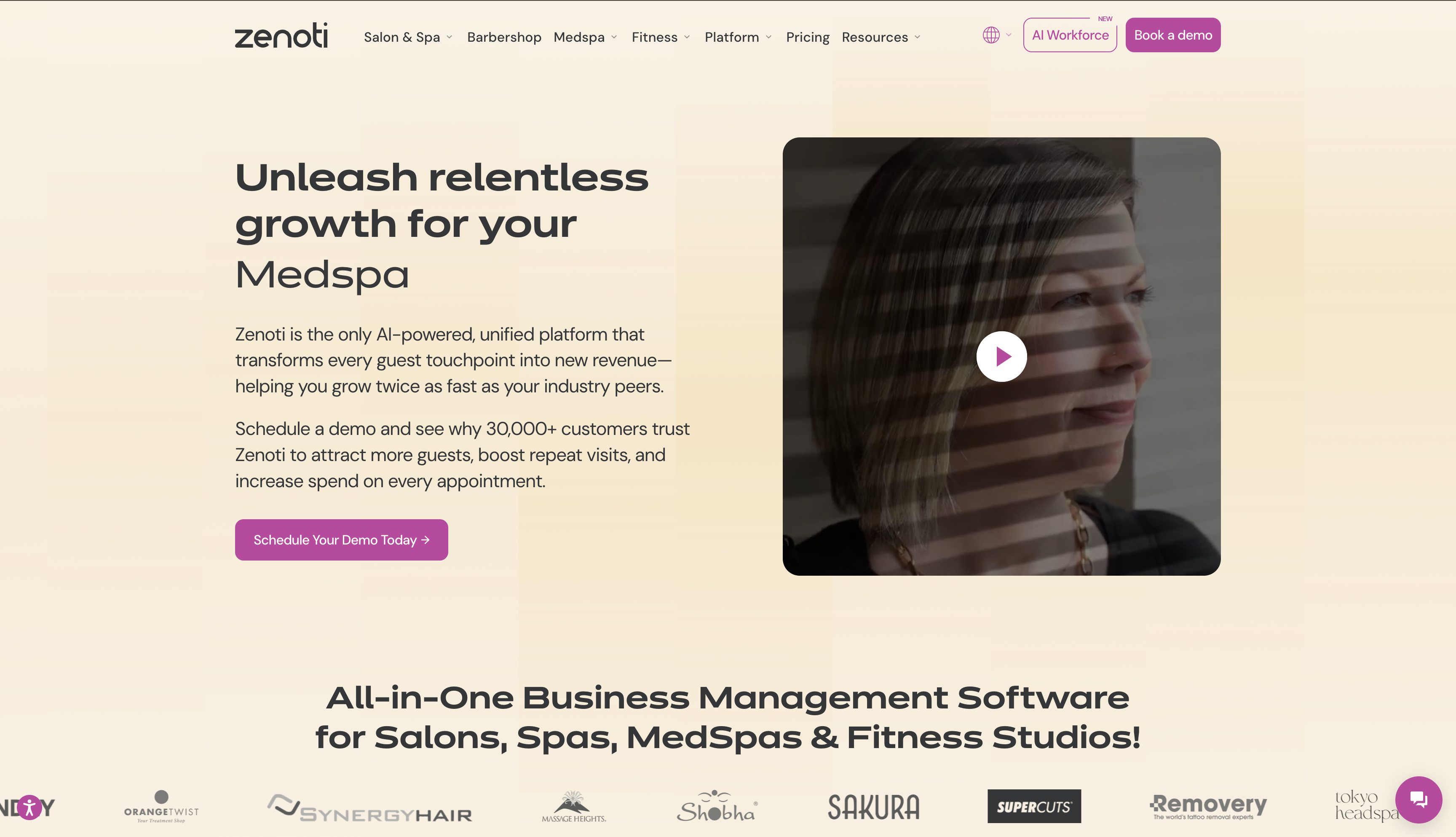
Zenoti is a configurable clinic operations platform that scales from solo providers to multi location franchises. It is best for growing med spas, dermatology, and plastic surgery practices seeking to eliminate work between disconnected EMR, payment, and marketing tools by standardizing workflows and ensuring data flows without manual re entry.
Key capabilities for aesthetics ops:
Multi location scheduling with intelligent waitlists and rule based online booking.
Automated, two way SMS/email reminders, pre procedure instructions, and review requests.
Clinical records with procedure specific templates, photo markup, and digital consent forms.
Unified POS for services, packages, and retail with integrated inventory and lot/batch tracking.
Marketing and CRM automations for lead nurturing and campaign segmentation.
Role based dashboards, full iPad/mobile functionality, and centralized multi site management.
Operational impact & KPIs:
Reduce no show rates to under 8% with automated reminders and deposits.
Increase provider utilization to over 75% and improve patient retention.
Cut down on stock outs and expired product waste by 20 to 40 percent.
Decrease checkout time from 10 minutes to under three.
Integrations, security & rollout notes:
Connects to payments, accounting, and EHR systems. Features role based access control and is designed for HIPAA/GDPR compliance. Before migrating, standardize service codes and product SKUs to prevent data duplication.
Case Examples: Operational Wins in the Real World
Imagine a busy aesthetics practice struggling with paper charts and a separate booking system. After switching to an all in one clinic operations software, the transformation is immediate. Automated reminders cut no shows by over 30 percent. Clinicians use an iPad to capture flawless before and after photos, complete notes using templates, and secure digital consent in the treatment room, saving 10 to 15 minutes per patient. At checkout, they process payments and book the next appointment directly from the same device. This streamlined process not only improves efficiency but also elevates the patient experience, leading to better reviews and higher retention. Platforms like Consentz are built to deliver these exact kinds of operational wins.
Conclusion: Key Takeaways for Clinic Operations Leaders
Choosing the right clinic operations software is a strategic decision that impacts every part of your practice. It is the foundation for operational efficiency, medico legal compliance, and sustainable growth. By focusing on core capabilities, security, and a user experience designed for your specialty, you can move beyond paperwork and build a more profitable, patient centered clinic. UK buyers can compare options in our medical spa software in the UK guide. The right platform frees your staff to do what they do best: build great patient relationships and deliver outstanding care.
Ready to see how a dedicated platform can transform your practice? Explore the all in one system from Consentz.
FAQ
What is clinic operations software?
Clinic operations software is a comprehensive digital platform that helps medical practices manage daily tasks. It combines features for scheduling, patient records (EMR), billing, inventory management, and marketing into a single, integrated system to improve efficiency and patient care.
How much does clinic operations software cost?
Pricing is typically a monthly or annual subscription fee (SaaS). Costs can vary widely based on the number of users, features, and level of support. Some providers offer a starting price per month per user, and it is common to book a demo to get a custom quote.
Is this type of software secure and HIPAA compliant?
Reputable clinic operations software vendors prioritize security and compliance. They should offer HIPAA compliant features for US based clinics and adhere to GDPR for UK or EU clinics. Look for vendors that use secure cloud hosting like AWS, provide data encryption, and have certifications like ISO 27001.
What are the most important features in clinic operations software?
The most important features are a dynamic scheduler with automated reminders, a robust electronic medical records (EMR) system with templates and photo management, integrated billing and point of sale, digital consent forms, and inventory tracking. For growth, built in marketing and CRM tools are also essential.
Can I migrate my data from an old system?
Yes, most vendors offer data migration services to help you transfer patient demographics, appointment history, and clinical notes from your old software or spreadsheets. You should confirm the specifics of this process with any vendor you consider.
How does clinic operations software improve the patient experience?
It improves the patient experience by offering easy online booking, sending timely appointment reminders, streamlining the check in process with digital intake forms, and enabling clear communication. A professional, organized system builds patient trust and satisfaction.